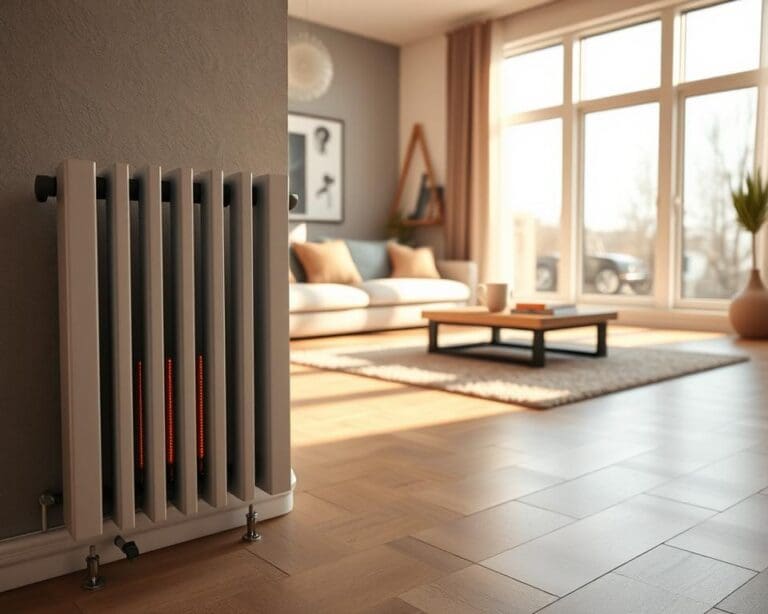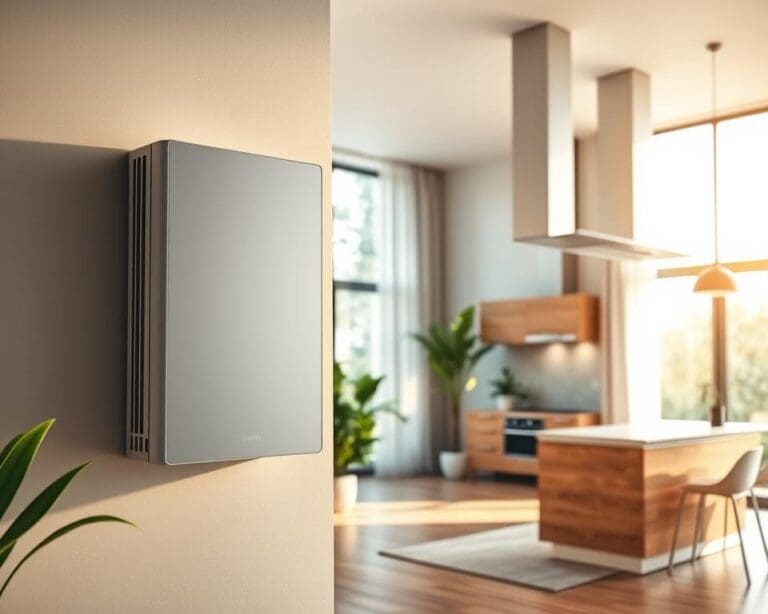
Modern home systems energy efficiency is now a practical route to warmer homes and lower bills. Upgrades that combine smart home energy savings with better insulation and low‑carbon heating can cut consumption, improve comfort and raise property value.
In the UK, rising energy prices and national targets for net‑zero have made UK home energy efficiency a priority. Government initiatives such as the Boiler Upgrade Scheme and local authority grants, along with Energy Company Obligation measures, help many homeowners reduce upfront costs for insulation and heat pumps.
These systems work best together. Insulation reduces demand, heat pumps supply low‑carbon warmth, and smart heating controls and automation platforms deliver efficient performance. Adding solar PV and batteries lets households use more of their own power, creating sustainable home systems that multiply savings compared with single fixes.
Households can expect measurable improvements: effective fabric upgrades and controls often cut heating demand substantially, heat pumps commonly deliver coefficients of performance around 2.5–4 or higher, and solar PV with batteries can raise self‑consumption from roughly 20–40% to 60–80% with smart load management. Actual results depend on home size, construction and occupant behaviour.
Start with an energy audit or an EPC review, adopt low‑cost behavioural changes, then plan staged investments: insulation first, then heating controls and low‑carbon heating, followed by renewables and storage. For renewables, consult MCS‑accredited installers and certified heating engineers for heat pumps to secure reliable performance and long‑term savings.
How can modern home systems improve energy efficiency?
Smart controls and connected platforms let homes use heat and power with care. They match supply to need, cut waste and make day-to-day life easier. When systems share data, homeowners spot savings, act on them and keep comfort high.
Smart thermostats and heating controls
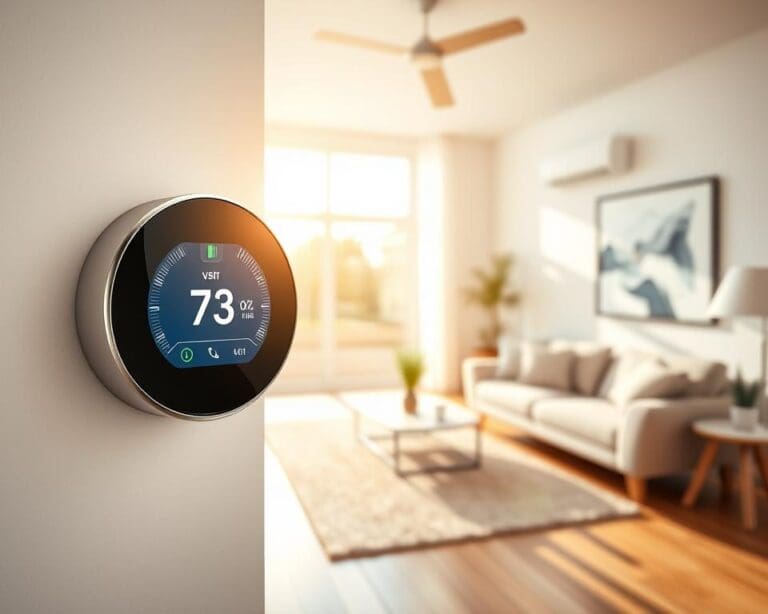
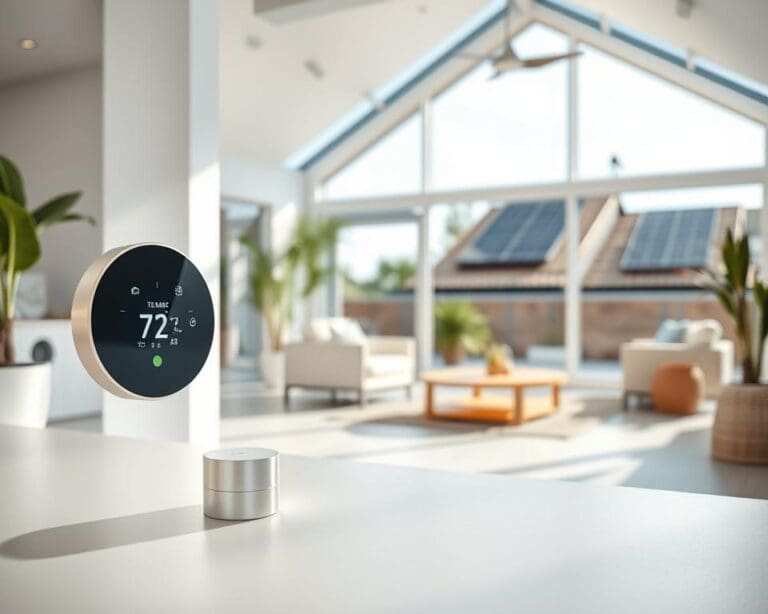
Smart thermostats reduce wasted heating by tuning output to actual use. A smart thermostat UK can learn routines and use adaptive scheduling to lower setpoints while people sleep or are away. Typical installations yield heating cost reductions of 10–20% when configured correctly.
Occupancy sensing heating control avoids warming empty rooms. Motion sensors, smart radiator valves and door contacts work where phones are left behind, so visitors and pets do not confuse the system. Geofencing adds phone-location control for seamless on and off.
Home automation and energy management platforms
Centralised dashboards from brands such as Nest, Hive, Tado and Honeywell Home show device-level trends. Home automation energy management pulls this data into clear charts that reveal high-use devices and simple steps to cut consumption.
Automated routines switch off lights and appliances in empty rooms. Owners can schedule washing machines, dishwashers and EV chargers to run at off-peak times or when rooftop solar is generating. Time-of-use tariffs work well with these routines to reduce bills.
Smart metering and data-driven decisions
Smart metering benefits include detailed consumption patterns and alerts for unusual use. Sub-meters and smart plugs highlight which appliances drain energy and flag faults like a failing pump or a stuck thermostat.
Historical data supports targeted upgrades such as insulating one room or replacing an inefficient boiler. Clear feedback and small nudges encourage lasting behaviour change. Gamification and savings notifications help households stick to low-energy habits.
- Adaptive scheduling learns routines and pre-heats only when needed.
- Integration with weather forecasts reduces reactive over-heating.
- Certified installers and GDPR-compliant vendors protect privacy.
Energy-efficient heating, cooling and insulation systems
Homes that pair low-carbon heating with smart fabric upgrades stay comfortable and cost less to run. Start with an energy audit to target measures that deliver the biggest impact. Small changes such as loft insulation savings and draught-proofing work well with larger investments like heat pumps UK to create a coherent plan.
Heat pumps and low-carbon heating alternatives
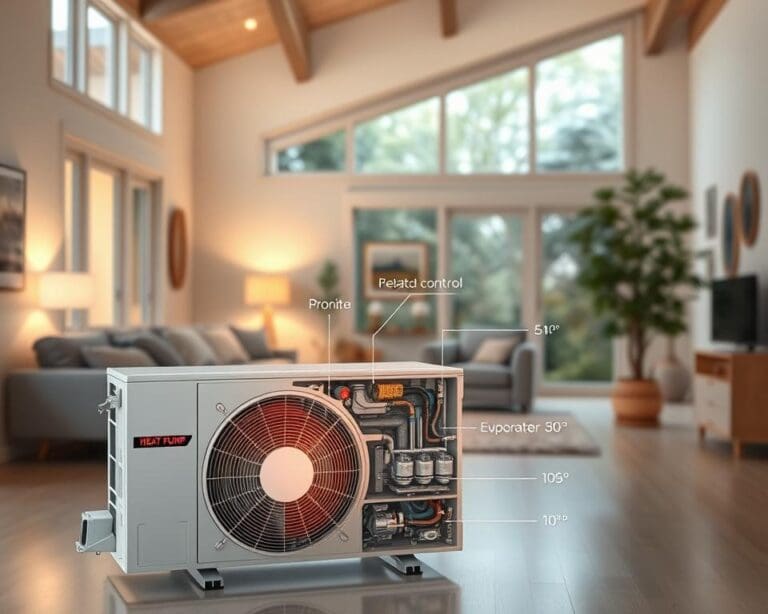
Air-source and ground-source heat pumps extract ambient heat from air or the ground and upgrade it with a compressor. The coefficient of performance (COP) shows how many kilowatts of heat you get per kilowatt of electricity. Typical ASHP COPs range from about 2.5 to 4, depending on outdoor temperature and system design.
Many UK houses suit air-source systems. Ground-source options need space for boreholes or horizontal loops. Grants such as the Boiler Upgrade Scheme help reduce upfront cost. Better results come from low-temperature distribution like underfloor heating or larger radiators to keep flow temperatures low.
Smart thermostats, weather compensation and zoned controls help heat pumps run smoothly. Inverter-driven units and proper commissioning cut compressor cycling and improve efficiency.
Improved insulation and smart ventilation
Insulation must come first. Loft insulation savings are often the quickest win, with rapid payback. Cavity wall insulation UK performs well in suitable homes. Solid-wall properties may need internal or external solutions at a higher cost but with substantial long-term savings.
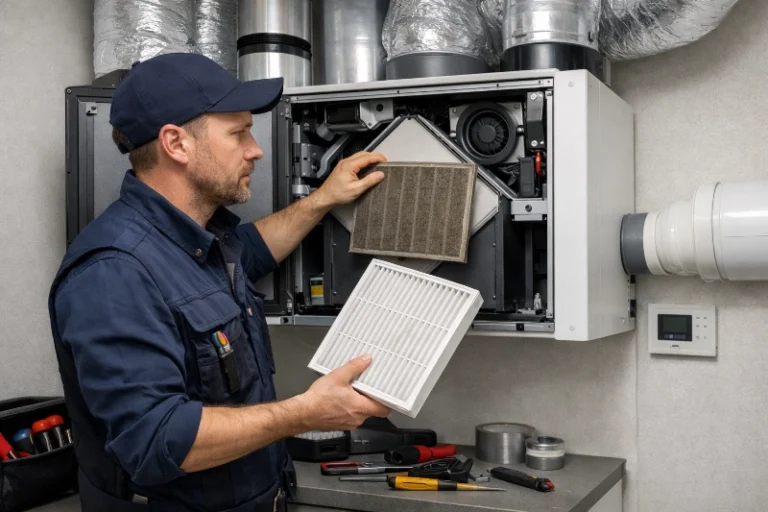
Once fabric upgrades are in place, mechanical ventilation with heat recovery makes sense for airtight homes. MVHR benefits include balanced fresh air while reclaiming heat from stale exhaust air. Correct design, commissioning and regular filter care are essential for performance and indoor air quality.
Humidity and CO2 sensors can drive demand-controlled ventilation. This keeps air healthy without wasting heat. Combine insulation, ventilation and smart controls for a balanced, efficient home.
Efficient cooling strategies for comfort without waste
Passive cooling strategies cut summer overheating using shading, reflective glazing and external shutters. Smart blinds linked to temperature and solar sensors reduce solar gain automatically and lower cooling demand.
Where active cooling is needed, use targeted solutions. Smart fans, portable units in occupied rooms and zoned systems use far less energy than whole-house air conditioning. Scheduling cooling to avoid peak tariff times saves money and reduces grid strain.
Take a whole-house approach: fabric improvements, efficient low-carbon heating and sensible ventilation deliver the best comfort and efficiency. For practical steps and apartment-focused tips see how to make your flat more energy.
Renewable generation, storage and appliance efficiency for lower bills
Pairing rooftop solar UK with home battery storage changes how a household uses energy. Solar PV produces most power in daytime, but without storage much of that is exported. Adding a battery lifts self-consumption, cuts grid imports during peak-price periods and provides a short outage buffer. Typical homes see substantially better returns when solar and batteries work together under smart control.
Modern smart inverter export control and time-of-use functions keep surplus generation in the home. Smart inverters can limit exports, divert excess to a hot water immersion heater, a battery or an EV charger, and integrate with home energy platforms. That behaviour boosts value from every kilowatt hour instead of sending cheap exports to the grid.
Scheduling and load shifting turn appliances into savings tools. Washing machines, dishwashers, tumble dryers and EV charging can be set to run in peak solar hours or on cheaper tariffs, using simple smart plugs or connected appliances. Home energy management systems use forecasts and tariff signals to automate load shifting so households do not need to manage every cycle manually.
Choosing A-rated appliances UK and other energy-efficient appliances is equally important. Look beyond labels to real-world figures from SAP, BEIS or independent tests, and consider eco cycles, capacity and standby draw. Smart plugs and sub-meters reveal phantom loads from set-top boxes, routers and chargers and enable automated shut-off routines to pare waste.
Integration matters: appliance makers, smart charging protocols and platforms that support OpenADR or ISO standards make coordinated control easier. Vehicle-to-home capability adds another layer, allowing EVs to supply a house at times of need. Community energy schemes and council-led group buying can lower upfront costs and bring bulk discounts for solar, batteries and retrofit measures.
Finally, assess finances and practicalities carefully. Payback periods vary with electricity prices, system size and usage patterns. Use MCS-accredited installers for rooftop solar UK and home battery storage, compare quotes, check warranties and plan for inverter and battery maintenance. Combining renewables, efficient appliances and smart control offers a clear path to lower bills, smaller carbon footprints and a more resilient home.