Indoor air quality matters because the air inside our homes affects health and comfort every day. Particulate matter, volatile organic compounds and excess moisture can cause respiratory irritation, worsen asthma and create mould that disrupts sleep and wellbeing. The NHS and UK Health Security Agency advise that damp and indoor pollutants pose real health risks, so addressing them is a practical step towards a healthier home.
In the UK the ventilation landscape has moved on from occasional window opening and basic extract fans. Modern home ventilation now includes balanced systems such as MVHR, demand-controlled mechanical ventilation, positive input ventilation and hybrid solutions that blend passive and mechanical approaches. Building Regulation Part F and retrofit guidance increasingly favour controlled ventilation in energy-efficient homes, so homeowners should be aware of their options.
This article will explain how ventilation systems UK deliver IAQ improvements, how mechanical ventilation removes pollutants and moisture, and how heat recovery can cut energy loss. We will draw on UK Government guidance, Energy Saving Trust summaries and industry expertise from Nuaire, Vent-Axia and CIBSE to give clear, practical advice. Start here to understand the choices, benefits and next steps for achieving healthy home air.
How does modern home ventilation improve indoor air quality?
Modern ventilation blends science and design to keep homes healthy and comfortable. This short guide outlines common ventilation approaches, how systems tackle pollutants and moisture control, and the energy gains from heat exchange. Readers in the UK will find practical cues for choosing the right solution for new or older properties.
Overview of modern ventilation approaches
Ventilation options range from simple to sophisticated. Natural routes such as trickle vents and passive stack ventilation work without fans. Intermittent extract ventilation uses kitchen and bathroom extractor fans for targeted removal. Mechanical extract ventilation, or MEV, offers continuous exhaust with supply via trickle vents.
Balanced systems with heat recovery use paired supply and extract fans to deliver fresh air while limiting heat loss. Many new-builds in the UK specify MVHR to meet Part F and SAP targets. Demand-controlled ventilation uses sensors to raise flow only when needed. Positive input ventilation provides a low-cost retrofit by pressurising the dwelling to reduce ingress of polluted air.
Hybrid assemblies mix passive and mechanical parts, for example passive stacks with mechanical boost. Manufacturers such as Vent-Axia and Nuaire supply both MVHR and MEV products. Energy Saving Trust guidance helps householders compare options for different property types.
Removal of pollutants and moisture control
Continuous or demand-driven exchange dilutes indoor sources of pollution. That includes CO2 from occupancy, VOCs from paints and cleaning, cooking emissions and particles from combustion. Systems that run steadily reduce peaks in pollutant concentration and support better sleep and cognition.
Many MVHR units and some MEV systems include G3 to F7 filters. These trap pollen, dust and PM2.5, helping allergy sufferers and cutting outdoor-sourced pollution entering the home. Higher-efficiency filters lower fine particulate ingress but need correct sizing and regular replacement to remain effective.
Ventilation removes water vapour made by cooking, bathing and drying clothes. Balanced systems keep airflow steady and prevent condensation on cold surfaces. MVHR moves moisture away from wet rooms while reclaiming heat, which reduces mould risk. Demand-controlled ventilation uses humidity, CO2 and VOC sensors to boost flow when necessary, promoting pollutant removal while avoiding wasted energy.
Energy efficiency and heat recovery benefits
Heat recovery ventilation UK systems transfer warmth from outgoing stale air to incoming fresh air through a heat-exchanger core. Typical recovery rates sit between 70% and 90%, depending on unit efficiency and the quality of installation. That reclaimed heat lowers the heating load, cutting bills and carbon emissions.
Compared with open-window strategies or basic extract ventilation, balanced heat recovery systems provide steady fresh air without draughts. Occupants gain even temperatures and quieter background ventilation. Achieving these MVHR benefits depends on correct sizing, commissioning and routine maintenance like filter changes and service checks.
Poor installation will undermine performance, no matter the technology. CIBSE guidance and manufacturer recommendations stress careful design and upkeep to preserve energy savings and indoor air quality over the life of the system.
Key components and technologies in modern home ventilation for better indoor air quality
Good ventilation starts with the right components and clear design choices. Modern systems combine filtration, sensing and intelligent controls to keep air fresh while using less energy. Below are the elements to consider when planning a comfortable, healthy home.
Filters and particulate removal
Domestic systems commonly use a mix of filter classes to balance airflow and protection. Coarse filters such as G3–G4 catch large dust and fibres. Medium-efficiency F7 filters trap pollen and finer particulates. Specialised installations use HEPA for the highest removal efficiency.
Many MVHR systems pair G4 and F7 stages to preserve air movement while cutting outdoor PM2.5 and pollen. Higher-spec filters dramatically reduce particulate infiltration and help residents with allergies or those living by busy roads. Manufacturers such as Zehnder, Nuaire and Vent-Axia publish clear filter specifications and recommended replacement intervals.
Regular maintenance matters. Inspect and replace filters per manufacturer guidance, often every 3–12 months depending on environment. Correct upkeep sustains indoor air quality and system efficiency.
Sensors and smart controls
Sensors form the brain of demand-driven ventilation. Common sensors include relative humidity, CO2 sensors, VOC detectors and PM2.5 monitors. These inputs allow demand-controlled ventilation to change fan speeds and airflow in real time.
Smart ventilation systems offer app control, schedules and boost modes for cooking or bathing. Integration with home automation platforms such as Hive or Google Home makes remote monitoring simple. Vent-Axia and Nuaire provide control options for both basic homes and advanced setups with BMS interfaces.
Targeted ventilation reduces energy use while keeping air quality high. Alerts and diagnostics prompt owners to replace MVHR filters, clear faults or book servicing before problems escalate.
Installation considerations and placement
Proper sizing and design matter for performance. Systems must match property volume and occupancy. MVHR needs ductwork layout that supplies living areas and bedrooms, with extracts from kitchens, bathrooms and utility rooms. Wrong sizing causes noise, draughts or poor air change rates.
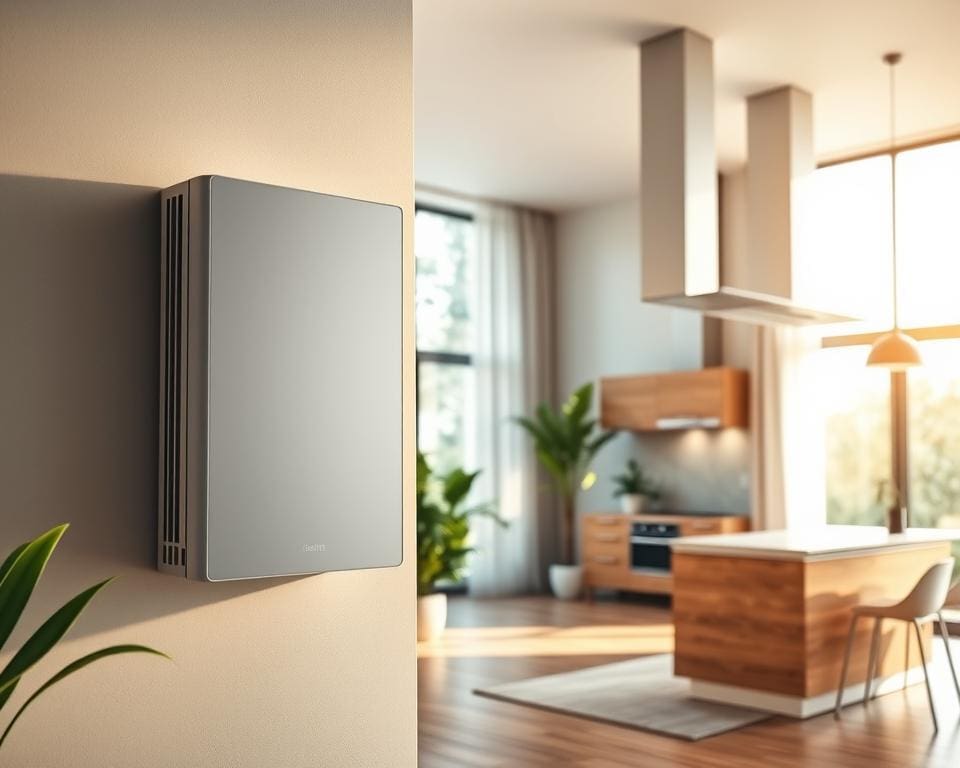
Position supply vents to avoid direct draughts on occupants. Place extract points close to moisture and pollutant sources. Typical locations for the MVHR unit include lofts, utility rooms or cupboards where access for maintenance and noise isolation are considered.
Use insulated rigid ducting to reduce losses and noise. Anti-vibration mounts, silencing units and careful routing improve comfort. Commissioning and air balancing after ventilation installation ensure the system achieves design airflow.
Work with accredited professionals for safe, compliant results. Choose MCS-accredited or BPEC-trained installers who follow Part F and Building Regulations and CIBSE best practice. A proper handover with commissioning certificates helps future maintenance, especially when considering ductwork placement UK regulations and long-term performance.
Practical benefits for households and guidance on choosing a system
Modern ventilation brings clear benefits of MVHR to everyday life. Homes with balanced heat recovery see reduced mould and damp, lower allergen levels and fewer odours. Many households report better sleep and less respiratory irritation as temperatures stay consistent and draughts are minimised.
There are tangible energy and cost savings when you choose ventilation system wisely. MVHR can reclaim around 70–90% of heat, lowering heating demand and reducing bills over time, though exact savings depend on the dwelling and use. For retrofit ventilation UK projects, a well-specified system can also strengthen compliance with building standards and add appeal to buyers looking for efficient, low-maintenance properties.
Think practically about lifestyle and upkeep when you choose ventilation system. Smart controls and sensor-driven demand control mean systems run quietly and automatically, reducing the need to open windows. Factor ventilation maintenance into lifetime costs: filter replacement, periodic cleaning and fan power. Seek accredited installers with MCS, TrustMark or BPEC credentials, insist on a site survey, a commissioning plan and a written maintenance schedule.
Match the solution to the home and occupant needs. For a new, airtight build, MVHR with F7 or HEPA-grade inlet filtration, CO2 and PM2.5 sensing is often best for ventilation for allergies and urban pollution. For older terraces or tight budgets, MEV or PIV can be effective interim choices with the option to upgrade later. Obtain at least three quotes, check past installations, request expected efficiencies and ensure handover includes user training and a maintenance log. With the right system and installer, homes across the UK can become healthier, quieter and more energy resilient places to live.