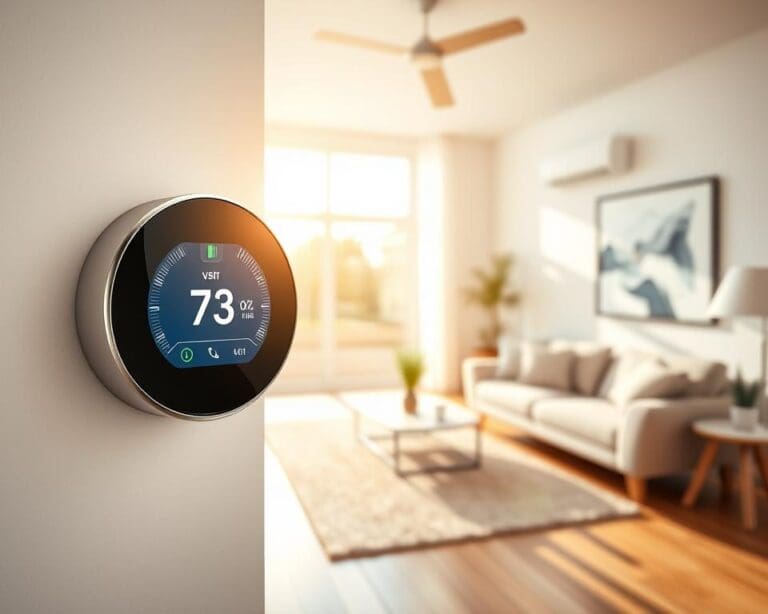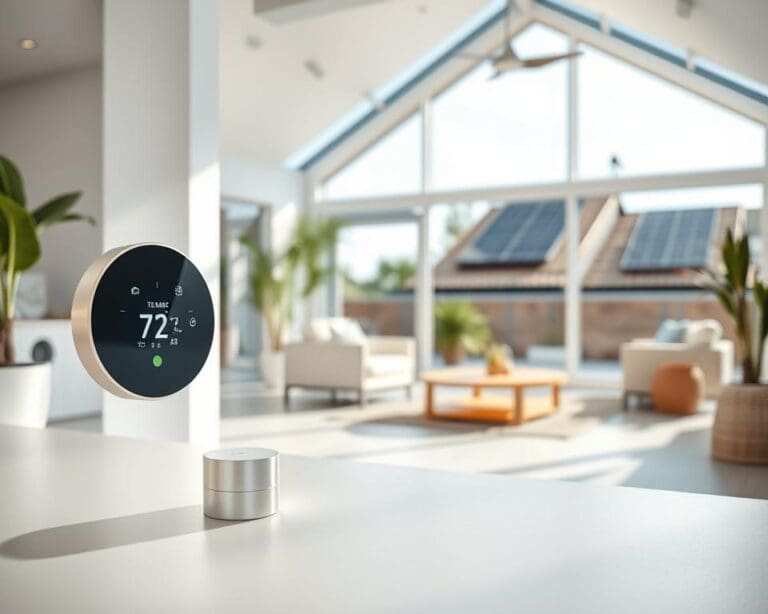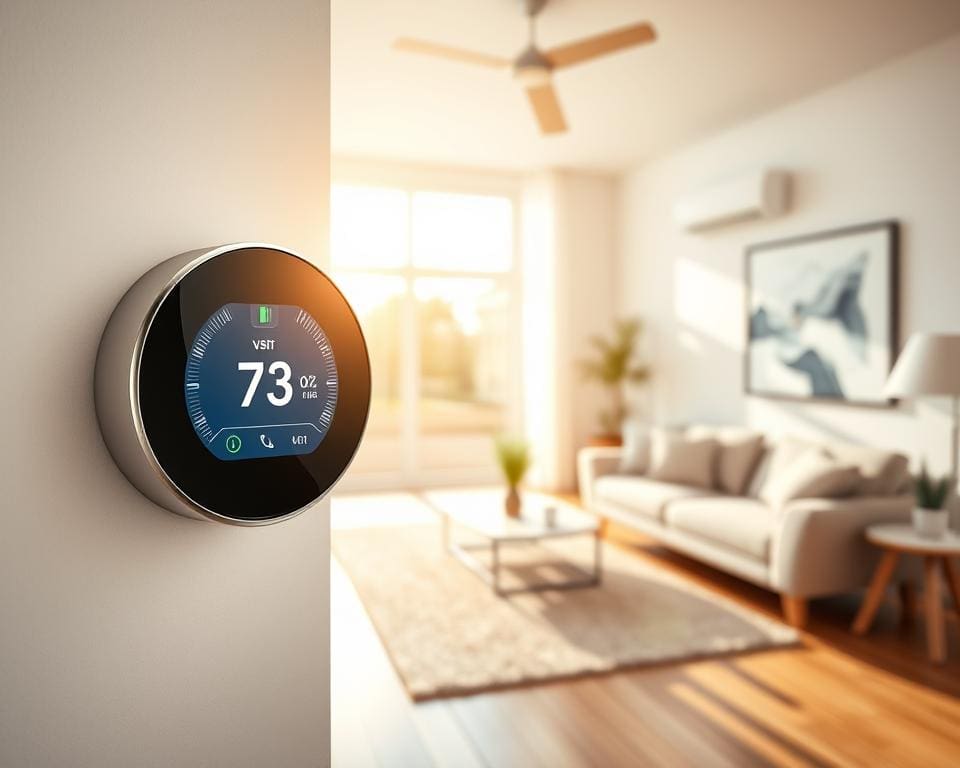
Smart thermostats cut bills by managing heating and, where relevant, cooling so energy is used only when it is needed. For UK homes with combi boilers, gas central heating or electric systems and heat pumps, an energy-saving thermostat matches warmth to daily life and avoids wasting fuel.
Key mechanisms include adaptive scheduling, presence detection and temperature zoning. These features work with weather-aware optimisation and links to smart meters or demand-response signals to reduce unnecessary heating and deliver programmable thermostat savings.
Popular products on the market include Google Nest, Ecobee, Hive by Centrica, Tado and Honeywell Home, each with differing compatibility and smart-home ecosystems such as Google Home, Amazon Alexa and Apple HomeKit.
Installation can be wired or wireless and most devices offer app control, remote access and voice assistant operation. Many models also learn habits over time, reducing the need for manual changes and helping households reduce energy costs with minimal effort.
Independent studies and industry reports often cite average savings of around 10–15% on heating bills, with larger gains when combined with loft and wall insulation. UK guidance from the Energy Saving Trust and Ofgem underlines the potential for smart heating UK to cut both bills and carbon emissions.
This article will next examine the technical features in detail, show how they work in practice and outline the financial and environmental benefits for UK households, followed by practical advice on choosing and installing the right smart thermostat. For more on keeping homes warm and efficient, see this practical guide from TopVivo.
How do smart thermostats reduce energy costs?
Smart thermostats cut wasted heat by matching warmth to the way you live. They learn when you wake, leave and sleep, then shape settings to keep comfort high while using less energy. This section looks at three practical ways these systems save money and make homes greener.
Adaptive scheduling that matches daily routines
An adaptive scheduling thermostat watches your manual adjustments and occupancy patterns to build heating routines. Over days it sets target temperatures for morning, daytime and night, then tweaks those targets as your habits change.
Homeowners get clear savings by reducing heating during work hours and lowering temperatures while asleep. Pre‑heating only when people are due home keeps boilers from running longer than needed. Brands such as Google Nest and Hive offer learning schedules that users can override; the system notes those overrides and refines future smart heating schedules.
Technical settings matter. Systems respect frost protection and setback rules, and most work with combi boilers, conventional boilers with hot‑water tanks and many heat pumps. Those safeguards stop excessive cycling while letting the adaptive schedule cut run time.
Zoning and room-level temperature control
A zoning thermostat approach divides a house into separate areas, each with its own controls. You can use multiple thermostats, smart TRVs or smart vents to set different temperatures in living rooms, bedrooms and spare rooms.
Heating only occupied rooms lowers wasted energy. For example, keep living areas cosy in the evening while bedrooms stay cooler during the day. Products like Tado and Honeywell Home smart TRVs pair with a central unit to enable true room-level temperature control.
Zoning suits larger or multi‑storey homes best. Older radiator systems and some boiler types may limit benefits. An installer will advise whether a zoning solution offers a quick payback for your property.
Optimisation through weather and local grid data
A weather-aware thermostat uses local forecasts and factors such as solar gain and wind to plan heating cycles. It may delay heating when a warm spell is expected or start earlier to take advantage of mild mornings, cutting overall run time.
Some units also tap grid signals or time‑of‑use tariffs to shift heating away from peak periods. That practice saves money on variable tariffs and supports demand‑response programmes run by energy suppliers.
Manufacturers like Nest and Tado include weather adaption features while many devices offer compatibility with Smart Export Guarantee and dynamic tariff services. Controls use adaptive algorithms and hysteresis to avoid frequent switching and to protect minimum comfort when forecasts prove wrong.
Energy-saving features and how they work
Smart heating today blends sensors, machine learning and connected devices to cut waste and keep homes comfortable. This section outlines how presence detection, adaptive algorithms and wider smart home integration work in practice, and what they mean for a typical UK household.
Presence detection and geofencing
A presence detection thermostat uses motion sensors, door contacts or smartphone location to tell whether a house is occupied. When the last person leaves, the system sets back the temperature to save energy. As someone approaches, geofencing heating wakes the system to reach comfort before arrival.
Privacy choices matter. Brands such as Google Nest and Honeywell publish clear controls for location services and data handling, letting users opt in or out. Owners should note the small battery impact on phones when GPS-based geofencing is active.
In practice, presence-based setbacks can shave hours of unnecessary heating. For working households or second homes, this feature prevents heating empty rooms and reduces overall consumption.
Smart learning algorithms
A smart learning thermostat studies patterns: when residents adjust the heat, how outside temperature changes and how the home responds. Over a training period, the device predicts the best times to warm rooms and refines schedules automatically.
Examples include Nest’s learning routines and Ecobee’s use of remote sensors and occupancy data to tweak settings. Benefits include fewer manual tweaks, gradual efficiency gains and early alerts to irregular energy use or faults.
Limitations exist. Homes with highly erratic schedules need user review and occasional fine-tuning. Allow a few weeks for reliable routines to emerge.
Integration with other smart home devices
Thermostat automation grows stronger when the thermostat links with radiators, window sensors, smart meters, solar panels and smart plugs. A coordinated system can pause heating if a window is open or favour PV-generated heat when solar output is high.
Interoperability matters. Common protocols include Zigbee, Z-Wave and Wi‑Fi, with voice control via Amazon Alexa, Google Assistant or Apple HomeKit. Some setups need a hub to unite devices from different brands.
Practical routines can lower thermostats when lights go out or switch off heating in empty rooms detected by occupancy sensors. These small automations add up to measurable energy and cost savings.
For a practical guide to remote control, scheduling and monitoring that complements these features, see how to keep your home warm and.
Financial and environmental benefits for UK households
Smart thermostats can cut heating costs and shrink household footprints. Energy Saving Trust and independent studies suggest typical reductions of around 10–15% in heating use. That range depends on insulation, heating type and how households interact with their controls.
Typical energy bill savings and payback period
Industry guidance points to average energy bill savings UK of roughly 10–15% for heating. For a household with an annual heating bill of £800, a 12% saving equals about £96 a year. Basic smart thermostats cost £100–£150. Premium units sit at £150–£250. Smart TRVs add roughly £40–£80 each. Professional installation may add further costs.
Using those figures, payback scenarios vary. A £150 device yielding £96 a year returns value in about 1.6 years. If a household fits TRVs and pays £350 total, the thermostat payback period can stretch to around 3.6 years. Many households find payback falls between 1 and 5 years depending on upfront spend and behaviour.
Factors that change the outcome include the existing thermostat type, compatibility with controls, frequency of manual overrides and occupancy patterns. Combining a smart thermostat with loft or cavity wall insulation shortens the thermostat payback period further.
Impact on carbon emissions and sustainability
Lower gas and electricity use leads to direct cuts in carbon emissions heating. A 10% reduction in gas consumption will lower CO2 output proportionately. Using UK emissions factors for gas and electricity, that saving can be easily translated into kilograms of CO2 avoided each year.
Smart controls help integrate low-carbon heating like heat pumps and on-site renewables. By shifting demand to cleaner periods or storing heat when power is greener, households support wider decarbonisation goals. The technology also highlights inefficiencies, prompting additional measures that reduce long-term emissions.
Behavioural change is important. When people see real savings and data, they tend to adopt energy-conscious habits. That effect increases the environmental benefit beyond the initial reductions delivered by automation alone.
Available incentives and tariffs in the United Kingdom
Households should check current energy efficiency incentives from government and local councils. Schemes such as local authority grants and the ECO programme have historically helped with insulation and heating upgrades, sometimes covering smart technology as part of broader measures. Programmes change, so a local search is advisable.
Smart thermostats work well with time-of-use and dynamic pricing. Economy 7 or Economy 10 users and customers on variable tariffs like Octopus Agile or similar can shift heating to cheaper periods to boost energy bill savings UK. Compatibility with a supplier’s tariff and control features determines how effectively a thermostat can respond to price signals.
Some suppliers offer demand-response or flexibility schemes that reward households for allowing temporary adjustments to heating. Participation can provide small payments or reduced rates in return for helping balance the grid, creating another route to lower bills and support for cleaner supply.
Choosing, installing and getting the most from a smart thermostat
Choose smart thermostat UK decisions start with compatibility. Check smart thermostat compatibility with your boiler type — combi, conventional or heat pump — and whether your system needs a common wire, relay or adapter. Compare recognised brands such as Google Nest, Hive, Tado, Honeywell Home and Ecobee, and read recent reviews to weigh features like learning algorithms, multi‑zone control, remote sensors and voice assistant support.
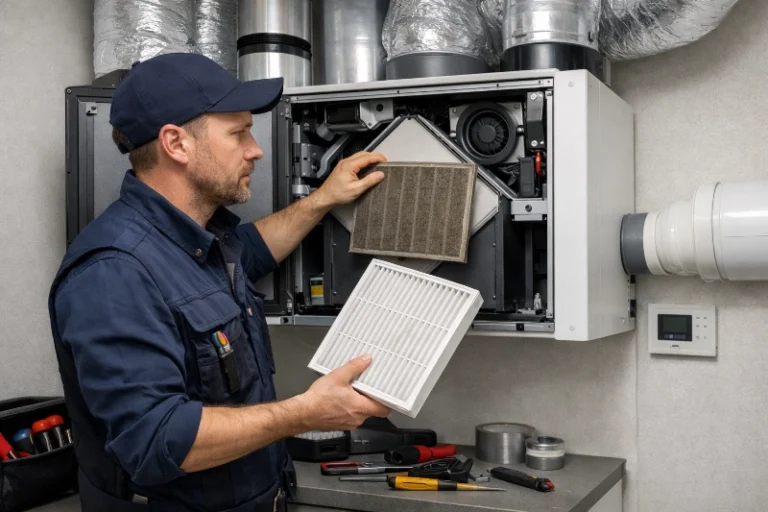
Decide whether to install smart thermostat yourself or call a professional. Simple replacements can be DIY if you are comfortable with wiring and the device supports two‑wire or battery setups. Use a Gas Safe engineer for complex boiler interfacing or mains‑voltage work to protect warranty and safety. During commissioning, connect to Wi‑Fi, link the app, run auto‑setup, place sensors where people spend time and test presence detection, geofencing and smart meter integration.
To maximise thermostat savings, set modest comfort ranges and use setbacks rather than constant heating. Enable weather and tariff optimisation, position sensors away from drafts or direct sun, and add smart TRVs to prevent unused rooms from overheating. Monitor app reports, update firmware and tweak schedules after the initial learning period to capture further gains.
Remember that a smart thermostat is most effective within a wider efficiency plan. Combine it with loft and cavity insulation, draught‑proofing, radiator balancing and a modern, efficient boiler or heat pump for best results. Follow these smart thermostat tips and you can install smart thermostat with confidence, maximise thermostat savings and take a simple, high‑impact step towards lower bills and a greener home.