A heat pump moves warmth from one place to another using electricity, rather than creating heat by burning fuel. This simple idea sits at the heart of heat pump basics and explains why these systems are so efficient for heating and cooling.
In plain terms, a home heat pump explanation is this: the unit extracts thermal energy from a colder source — air, ground or water — and upgrades it to a higher temperature via a refrigeration cycle. The warmed output then feeds radiators, underfloor heating or a hot water cylinder.
For UK households, the question “How does a heat pump work in modern homes?” matters because rising energy costs, net zero targets and schemes such as the Boiler Upgrade Scheme make low‑carbon heating more practical. Both air source heat pump and ground source heat pump options are now mainstream choices for many homeowners.
Beyond space heating, modern systems can provide hot water and, in some cases, summer cooling. Those heat pump benefits UK homeowners see include higher efficiency, lower running emissions and excellent compatibility with low‑temperature systems like underfloor heating.
How does a heat pump work in modern homes?
Heat pumps reshape how homes stay warm by moving heat rather than creating it. The core idea draws on heat pump thermodynamics to deliver efficient warmth with familiar plumbing and controls. Modern systems pair smart controls with proven engineering to suit UK homes and climates.
Basic thermodynamic principle behind heat pumps
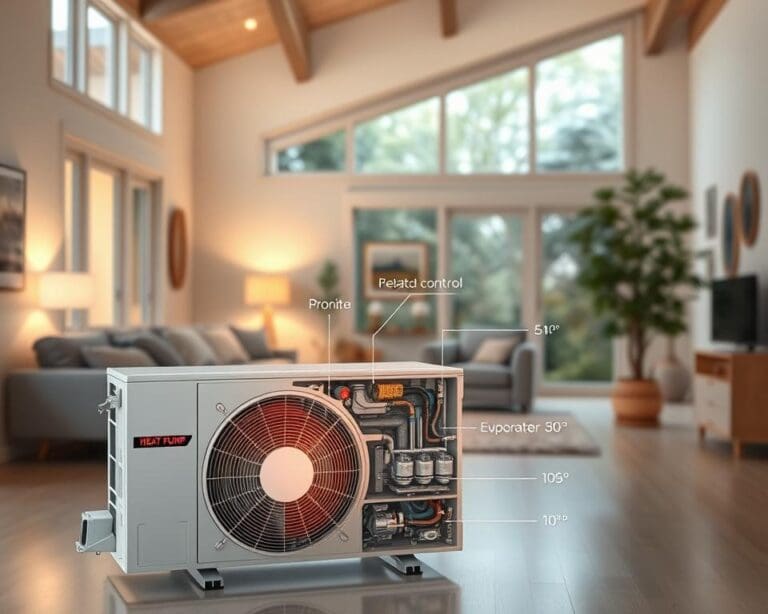
The refrigeration cycle underpins every heat pump. In the evaporator a refrigerant absorbs heat at low temperature and pressure. The compressor then raises that refrigerant’s pressure and temperature so it can release heat in the condenser.
After heat transfer the expansion valve lowers pressure and temperature, allowing the refrigerant to evaporate again and repeat the cycle. With an electric compressor, typical units can deliver around 3–5 kWh of heat per 1 kWh of electricity used, subject to conditions.
The Carnot limit defines the theoretical best efficiency. Real performance falls short when the temperature gap between source and sink grows. Manufacturers like Daikin, Mitsubishi Electric and NIBE publish technical briefings that explain these limits for consumers.
Types of heat pumps used in homes
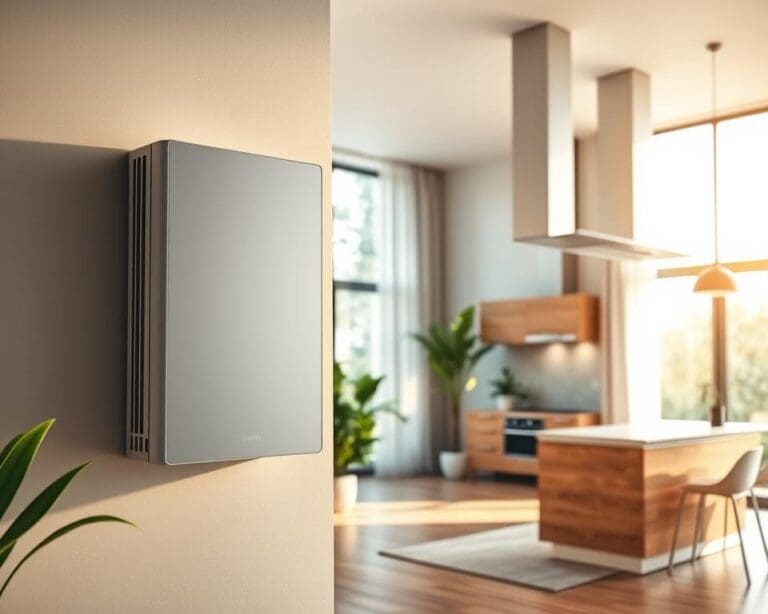
Air source vs ground source choices depend on space, budget and soil or air conditions. Air source heat pumps (ASHP) draw heat from outside air and are easiest to retrofit in existing homes. Efficiency drops as outside temperatures fall, but modern units work well at low ambient temperatures.
Ground source heat pumps use buried loops or boreholes to tap stable ground temperatures. They cost more to install but offer steadier COP and often lower running costs over time. Water‑source systems use lakes, rivers or boreholes where available and remain site dependent.
Air‑to‑air systems provide warmed air directly. Air‑to‑water models heat central heating water and hot water stores, matching UK wet‑central‑heating systems. Hybrid heat pumps pair a heat pump with a gas boiler to cover peak demand or simplify retrofit work.
Key components and how they interact
The compressor sits at the heart of a system. Modern units use variable‑speed inverter compressors to modulate output and save energy. The evaporator collects heat from the source, whether outdoor air or buried loops.
The condenser releases heat into the home, warming radiators, underfloor circuits or hot water cylinders. The expansion valve reduces refrigerant pressure so it can absorb heat again in the evaporator.
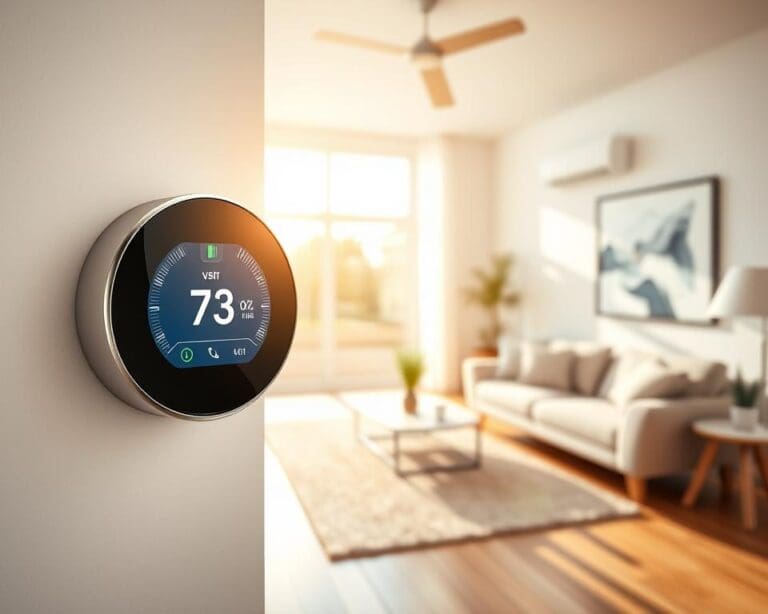
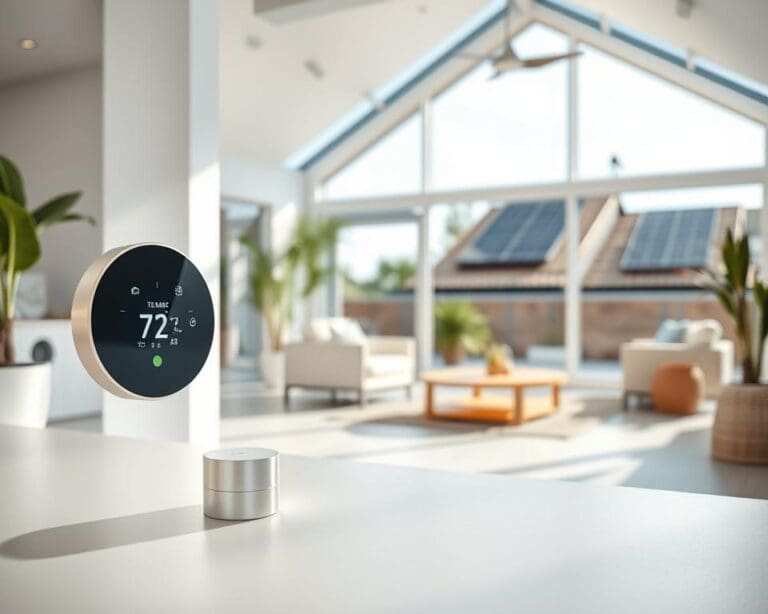
Auxiliary parts include reversing valves for heat/cool modes, circulation pumps, buffer tanks and controls. Sensors, thermostats and flow meters work together to adjust compressor speed and pump flow, protect during defrost cycles and maintain the right flow temperatures for radiators or underfloor heating.
Energy efficiency and cost savings with modern heat pump systems
Modern heat pumps change the way homes use energy. They pull warmth from air or ground and move it indoors with far less electrical input than direct electric heaters. This section explains how performance is measured, how costs compare with gas, and which UK incentives can lower upfront bills.
SCOP and COP explained
COP describes the instantaneous ratio of heat output to electrical input. A COP of 3 means three units of heat for every unit of electricity. SCOP gives a seasonal average and reflects colder spells, cycling and real‑world losses.
Typical ranges vary by type. Modern air source heat pumps (ASHPs) often show COPs around 2.5–4.0 at standard conditions. Ground source heat pumps (GSHPs) commonly reach 3.5–5.0. SCOP values sit below peak COP because winter performance drops and distribution losses rise.
Flow temperature affects results. Systems supplying low temperatures, such as underfloor heating at about 35°C, raise COP compared with high‑temperature radiators at 60–70°C. Manufacturers report SCOP and COP under standards such as EN 14511 and EN 14825.
Comparing running costs with gas and electric heating
To compare costs, estimate the kWh of heat required and divide by SCOP to find the electrical input. Multiply by electricity price for running costs. For gas, divide heat need by boiler efficiency and multiply by gas price per kWh.
The balance depends on electricity versus gas prices, building insulation, heating demand and the system SCOP. As electricity decarbonises and smart tariffs become common, heat pumps can beat gas on cost for many homes.
- An ASHP with SCOP 3.0 can produce roughly three times the heat per kWh compared with direct electric heating.
- Integration with rooftop solar PV or battery storage cuts grid electricity use and raises energy bill savings.
- Reduced maintenance needs versus combustion boilers add indirect savings over a system lifetime.
Government incentives and installation grants in the UK
Homeowners can access support to lower installation costs. The Boiler Upgrade Scheme offers vouchers for eligible heat pump installs when applicants meet current criteria. Local authority and devolved‑nation grants may be available alongside VAT reductions in some cases.
Claimants must use certified installers, such as those registered with the Microgeneration Certification Scheme (MCS), to qualify for many heat pump grants UK options. Always check GOV.UK, Energy Saving Trust and Ofgem for the latest eligibility rules and voucher values.
Installation, maintenance and home suitability considerations
Choosing a heat pump for your home starts with a clear assessment of fabric efficiency, heating distribution and site constraints. A well‑insulated house with a modest heat demand will show the best heat pump suitability, while older properties may need insulation upgrades or larger radiators to reach the same comfort levels.
Hybrid approaches and staged retrofits can spread cost and disruption. Many householders prefer to combine a heat pump with an existing boiler during transition, or fit underfloor heating where underfloor heating compatibility improves overall system efficiency. A professional heat‑loss survey and an EPC review are essential before committing to retrofit heat pump installation.
Assessing the property
Key checks include loft and wall insulation, available outdoor space for an air‑source unit or ground loops, and any local planning constraints in conservation areas. Noise limits and siting for the outdoor unit determine where an air‑source heat pump can go. Ground source heat pumps need adequate land and ground surveys to confirm feasibility.
What to expect during installation
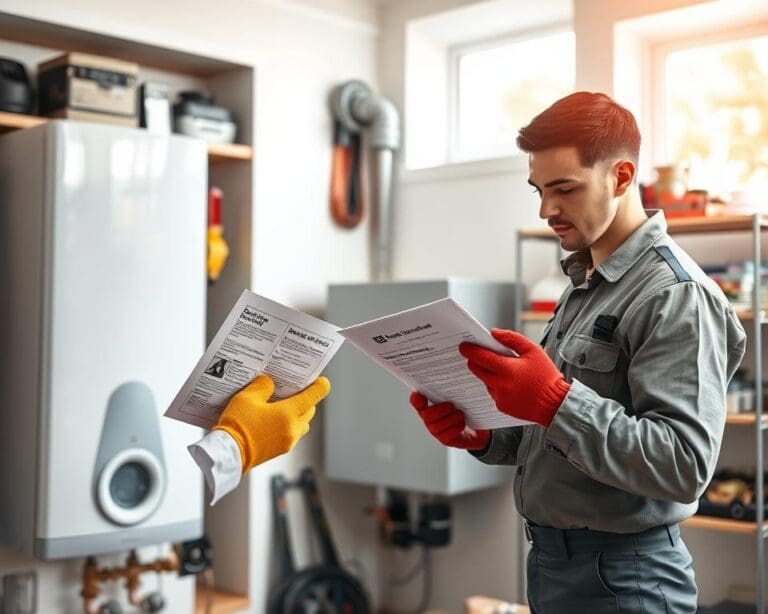
Typical air‑source installations begin with a detailed site survey and system design. Installers will site and mount the outdoor unit, run pipework to a heat interface unit or hot water cylinder and complete electrical connections. Final commissioning and performance checks verify COP and flow temperatures.
Ground source work often involves borehole drilling or loop excavation and civil works. These projects take longer and have higher upfront costs, but buried loops can last decades. Timeframes vary: many ASHP installs finish within days to a week, while GSHPs depend on groundwork and access.
Working with MCS certified installers protects warranty terms and keeps you eligible for some incentives. Manufacturer warranties from firms such as Viessmann or Worcester Bosch typically include parts cover of five to ten years when installations meet their conditions.
Routine care and expected life
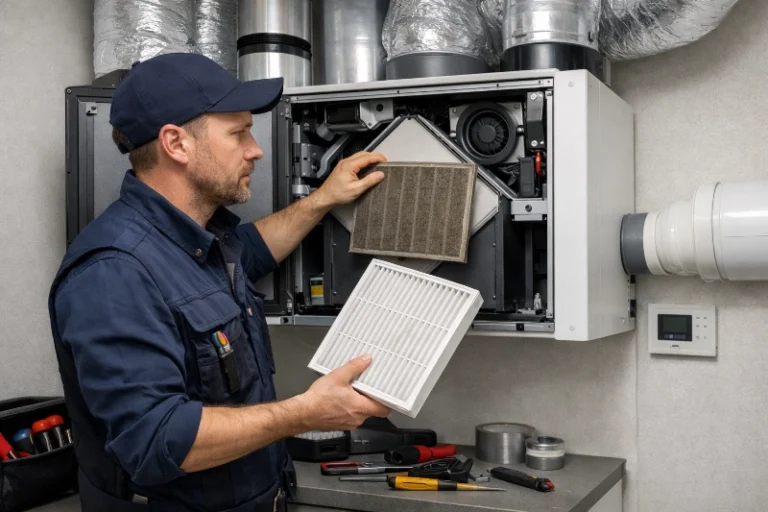
Regular heat pump maintenance keeps efficiency high and warranties valid. Arrange annual or biennial servicing by a qualified engineer to check refrigerant charge, compressor and pump operation, and to clean coils. Clearing leaves and debris around the outdoor unit helps defrost cycles and performance.
The lifespan of heat pump systems depends on type and care. Modern air‑source units commonly last 15–20 years with proper servicing. Ground source pipework can endure 25–50 years, while buried loops rarely need replacement. Timely repairs for refrigerant leaks, compressor wear or control faults will protect efficiency.
Plan for a smooth installation by seeking independent surveys, using reputable MCS certified installers and confirming warranty details before you proceed. That approach reduces surprises during retrofit heat pump installation and supports long‑term performance of your system.
Environmental impact and future trends in home heating
Heat pumps cut on‑site CO2 emissions by moving heat instead of burning fuel, so their heat pump environmental impact is typically much lower than that of gas or oil boilers. Net emissions depend on the carbon intensity of electricity used, so grid decarbonisation is key: as the UK grid adds more wind and solar, the lifecycle advantage of heat pumps grows. BEIS and the UK Government carbon accounting show that emissions fall as electricity supply decarbonises, reinforcing heat pumps as a central route to low‑carbon heating.
There are other environmental factors to consider. Refrigerant global warming potential matters, and modern systems increasingly use low‑GWP refrigerants in line with F‑gas regulations. Proper leak prevention, certified servicing and responsible end‑of‑life recycling reduce impacts further. Industry roadmaps from the Heat Pump Association stress that careful installation and maintenance are vital to keep the overall footprint low.
Future trends point to smarter, more flexible systems. Advances in inverter compressors, higher‑temperature heat pumps and better controls will make heat pumps simpler to retrofit without major radiator work. Smart heat pumps that pair with heat batteries, domestic PV and demand‑response platforms will cut running costs and ease peaks on the grid. Digitalisation will drive remote monitoring and predictive maintenance while smart tariffs encourage shifting heat to low‑carbon periods.
Policy shifts will support wider uptake: building regulations, rental standards and incentive frameworks aim to scale installer capacity and reduce costs. Compared with hydrogen heating comparison options, hydrogen boilers remain at trial and research stages, while heat pumps offer a proven decarbonisation path today. For homeowners seeking net zero homes, adopting a heat pump can lower carbon, increase resilience to price swings and form part of a staged, energy‑smart upgrade that aligns with the UK’s net‑zero ambitions. Seek professional advice to plan the best route for your property and budget.