When you are buying an older house in the UK, the first question is simple: can you live with its quirks and costs? Older properties — often those built before 1970, including Victorian, Edwardian and interwar homes — use solid walls, timber frames and lime mortar. These features give charm but bring particular house age risks you should not ignore.
Use this short older property checklist as your starting point. Check for structural movement, damp and rot, and signs of asbestos or obsolete materials such as lead piping and knob‑and‑tube wiring. Pay attention to energy inefficiency and potential conservation or listed‑building constraints that may limit changes.
There are clear opportunities too. Original joinery, sash windows and period fireplaces can add value if you care for them properly. This guide will help you carry out practical pre-purchase checks at viewings, instruct the right surveys, and budget for repairs or upgrades.
It is written for owner‑occupiers and investors across the UK. After reading, you will know what to inspect, which reports and searches to order, how to estimate running costs, and whether the property suits your appetite for renovation. Keep this checklist with you during Victorian house buying or when exploring any period property — it will save time and reduce surprises.
Buying an older house: essential pre-purchase checklist
When you view an older property, a focused checklist keeps the important issues front of mind. A basic inspection can flag concerns that a structural survey will need to explore in detail. Bring a torch and a spirit level app on your phone. Ask the agent about any previous reports or recent work.
Assessing structural condition
Look for subsidence signs such as diagonal cracks over doors and windows, stepped cracks through brickwork and any new or widening fractures. Small hairline cracks from shrinkage are common, but cracks wider than 10mm or those that have grown require urgent attention.
Check floors for slope and doors or windows that stick, which can point to frame distortion or movement around load-bearing walls. Inspect lofts and cellars for movement marks and note any bowed or leaning walls.
Examine timber condition in joists and exposed beams. Wet or spongy timbers, obvious borer or woodworm activity, and sagging beams repaired with metal plates suggest deeper issues. If trees sit close to the plot or the ground is clay, suspect foundation problems and get a qualified structural engineer or RICS surveyor involved.
Roof, chimneys and gutters
Assess roof condition by identifying materials and noting slipped, broken or missing tiles or slates. Sagging lines may indicate failed rafters or purlins. Moss and vegetation retention can trap moisture and shorten the covering’s life.
Look for roof leaks inside the loft and on ceilings. Stains, soft patches in loft boarding, damp smells and corroded fixings are warning signs. A roof survey by a competent roofer will estimate remaining life and likely repair costs.
Check chimney stability for leaning stacks, missing bricks and cracked flaunching. Confirm whether flues are lined for modern gas appliances and whether a sweep or specialist inspection is needed.
Inspect gutter maintenance. Blocked or damaged gutters cause run-off down walls and lateral damp. Look for cracked downpipes, displaced gutters and puddling near foundations that could lead to damp and foundation problems.
External fabric and windows
Study brickwork condition for loose or spalling bricks, bulging walls and failing pointing. Test mortar softness with a gentle press. Cement render over old lime walls can trap moisture and worsen internal damp; breathable lime-based repairs are often required.
Note window types and condition. Single-glazed sash windows may need sash window repair or careful restoration. Check timber frames for rot and draughts, and inspect sealed units for misting if double glazing is present.
If the property is listed or lies within conservation areas, conservations area rules may restrict replacement options. Secondary glazing can help where full replacement is not permitted. For thatched roofs or asbestos materials, seek specialist advice on inspection, repair and insurance implications.
Use this checklist at viewings to decide whether to order a full structural survey, a targeted roof survey or specialist reports. Prioritise watertight and safety issues first, then plan for longer-term restoration and sympathetic repairs.
Survey, reports and legal checks before you buy
Before you commit, carry out a clear plan of surveys and legal checks. A well-timed inspection and proper searches help you spot costly surprises and give you negotiating leverage.
Types of surveys and which suits your purchase
RICS survey types vary by depth. A condition report suits newer, low-risk homes. A homebuyer report gives a mid-level assessment for typical period properties, flagging urgent problems and significant issues. A full structural survey gives a thorough analysis for older, altered or run-down properties and includes a costed repair schedule.
For older houses, request a full structural survey where you see visible defects or unusual construction. A homebuyer report may be enough if the property looks sound and you want a balanced, faster option. Remember when to get a survey: instruct one as soon as your offer is accepted subject to survey.
Surveys inspect roofspace and accessible areas, internal and external fabric, services and foundations. They rarely open floors or walls without consent, so consider invasive checks if worries remain. Use the prioritised defect list to separate safety works from cosmetic repairs and obtain independent quotes before you finalise terms.
Title, boundaries and planning history
Ask your solicitor to obtain title deeds and review title deeds covenants. Look for restrictive covenants that may limit changes or impose maintenance duties. Check for easements that allow neighbours rights of access or services across the land.
Confirm the plan matches physical boundaries to avoid boundary disputes. You may need a boundary survey or Land Registry plan. Ask about recent neighbour issues and any party-wall agreements affecting adjoining structures.
Request proof of planning permission and completion certificates for past works. A thorough planning history check will reveal unauthorised extensions, loft conversions or replacement windows that lack approvals. Find out if permitted development rights have been removed, especially in conservation areas with heritage overlays.
Searches and local authority checks
Ensure your conveyancer runs a full local authority search to reveal planning notices, highways proposals and enforcement actions. Add a water and drainage search, and an environmental search for contamination or radon where relevant.
Do a flood risk check using Environment Agency maps and surface water data. Check for tree preservation orders and heritage overlays that will affect permitted works and maintenance.
Verify building regulations compliance for structural or electrical changes by asking for completion certificates. Adverse entries on searches range from minor issues to deal-breakers, such as active enforcement notices or planned major highways. Factor typical search times into your completion timetable and budget for any specialist checks your solicitor recommends.
Services, utilities and hidden running costs
Older homes hide routine bills and occasional surprises. Before you buy, work through the services so you can budget for immediate safety works and longer-term upgrades. A basic survey should flag urgent items and give you figures for ongoing maintenance.
Electrical, gas and heating systems
Check the fuse board type and look for outdated wiring. If you see T&E trailing around skirting or a fuse box rather than a modern consumer unit, you may need to rewire older house wiring to meet Part P and current safety standards.
Ask for an NICEIC or NAPIT-registered electrician report and check landlord PAT records if the property has been rented. Test sockets, earthing and bonding. Small repairs can be cheap. A full rewire will cost more and should be included when you model heating upgrade costs.
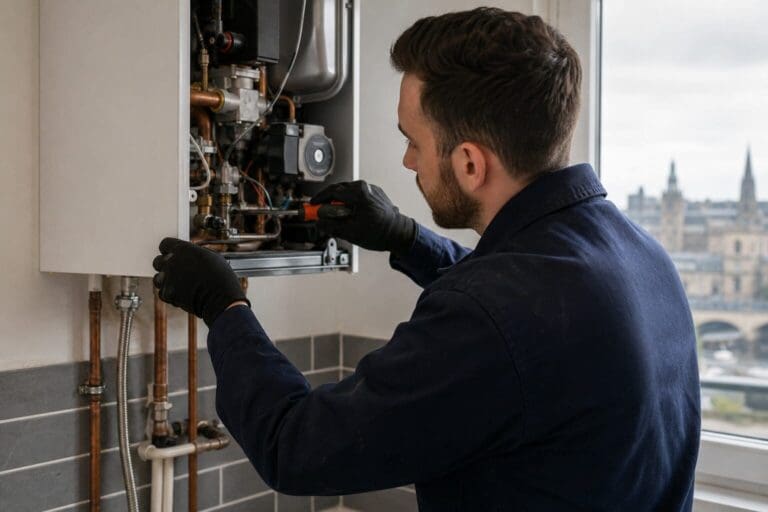
For gas, verify boiler age and the service history. Request a CP12 gas safety certificate if the seller has one. Faulty flues or unsafe appliances are urgent. New condensing boilers or heat pumps cut energy bills, but you should factor in initial heating upgrade costs and possible grants such as the Boiler Upgrade Scheme.
Plumbing, drains and water supply
Identify pipe materials. Lead pipes should be replaced because they risk contamination. Galvanised pipe issues often cause low pressure and corrosion; replacing runs can be disruptive and costly.
Check for slow or smelly drains and wet patches near inspection chambers. Blocked drains older homes suffer from may need jetting or a CCTV survey. Confirm whether the property is on a mains sewer connection or a private system.
Budget for potential works to connect to the public sewer, repairs after CCTV inspections, or replacement of failing drainage. Consider water pressure; some older areas need pumps. If the property was let, review any landlord PAT records and historic plumbing repairs to spot recurring faults.
Insulation, energy performance and long-term running costs
Look at the EPC rating older house documents to see estimated running costs and suggested measures. EPCs for period homes can understate the cost of low-temperature heating systems, so cross-check with your surveyor.
Inspect loft insulation depth and ask whether cavity wall insulation is present. Many older houses are solid-walled and cannot accept standard cavity insulation. Internal or external wall insulation may be possible, but you must consider planning and conservation rules.
Start with low-cost steps such as improving loft insulation and draught-proofing to reduce immediate energy bills older properties face. Plan medium-term works like a boiler replacement if boiler age is high, and weigh the advantages of better controls or thermostatic radiator valves. Major measures, such as external wall insulation or heat pumps, cut bills long-term but raise upfront costs.
If you want a concise checklist of recurring costs, service history and likely upgrades to discuss with sellers or solicitors, see this guide on questions to ask when buying a house: essential buying questions.
Renovation, maintenance and financial planning
When you buy an older property, start by separating safety-first renovation tasks from cosmetic upgrades. Prioritise watertight repairs such as fixing leaking roofs and blocked gutters, and tackle unsafe wiring or gas faults before thinking about kitchens or decoration. Arrange an asbestos survey early; asbestos removal and other hazardous-material works must be handled by licensed contractors and factored into your budget.
Obtain at least three contractor quotes and insist on itemised estimates so you can compare like-for-like costs. Include a heritage contractor when period materials or listed features are involved. Build a contingency for renovations of typically 10–25% since older homes often reveal hidden issues once work begins, and verify any cost per m2 renovate figures against local labour and material rates.
Check grants for older home repairs and listed building grants that might help fund conservation work. Be aware of VAT rules restoration and when reduced rates may apply, but seek specialist tax guidance for certainty. Also review specialist home insurance options that cover period materials, higher rebuild costs or thatch, and disclose planned works to keep cover valid.
Plan phased maintenance over 5–10 years so major cyclical jobs—roofing, repointing, sash window repairs—are scheduled and funded. Balance DIY tasks with specialist work; lime plastering, joinery for historic windows and thatch usually needs skilled trades. This approach protects the building, supports resale value and keeps your cashflow steady while you restore and maintain the property.