In many UK homes you need smart storage to make rooms work. This introduction shows which wardrobe storage cabinets and space-saving wardrobes will maximise space while improving organisation and style.
Start by measuring your usable floor area and ceiling height. Note alcoves, chimney breasts, door swing and corridor widths. These details decide whether fitted wardrobes, sliding doors or freestanding options suit your layout.
Think about what you store and how often you use it. Group clothing, shoes, bedding, seasonal items and accessories so you can prioritise shelving, rails and drawers. That approach shapes practical bedroom storage ideas and storage solutions UK homeowners value.
Later sections look at sliding-door wardrobes for narrow rooms, bespoke fitted wardrobes for awkward corners, freestanding and compact wardrobes for rented properties, and multi-functional units such as beds with storage. You will also read about finishes from shaker and matt laminate to modern gloss and mirrored doors that help visually expand a room.
Budget matters. You can choose budget ready-made freestanding pieces, mid-range systems from IKEA PAX or Homebase, or bespoke carpentry from local joiners. Consider repairability, resale value and long-term durability when you invest in storage solutions UK trusts.
The rest of this guide explains why the right storage changes a room, surveys specific space-saving wardrobes and offers practical planning and installation tips. Use these bedroom storage ideas to make a confident choice for your home.
Why choosing the right wardrobe storage cabinets transforms your room
Choosing the right wardrobe changes how your room feels and functions. Good wardrobe interior planning helps you store the greatest volume of belongings with the least footprint. That reduces clutter and makes a small room feel larger and calmer.
Understanding space efficiency and storage capacity
Space efficiency means storing more with less wasted space. Measure hanging length, shelf depth and drawer internals before you order. Typical shelf depth for folded clothes is 300–400mm. Allocate 50–60cm for a shirts section and 90–120cm for long coats.
Double‑hang versus single‑hang affects how much you can store. A well‑planned fitted wardrobe can hold as much as two to three freestanding wardrobes in the same linear metre because bespoke shelving cuts dead space.
Use pull‑out trouser rails, tie racks and pull‑out hampers to increase usable capacity without adding footprint. Zoning helps: keep everyday garments at eye level, seasonal items higher up and heavy items low down.
Materials, finishes and durability for everyday use
Wardrobe materials influence cost, look and lifecycle. MDF and particleboard with melamine or laminate faces are cost‑effective and often moisture‑resistant cabinets. Plywood gives strength for bespoke joinery. Solid wood wardrobes bring longevity and can be refinished.
Choose durable finishes with care. Matt lacquer hides marks and looks weightier. High‑gloss lacquer enlarges visual space but shows scratches. Veneered timber, melamine and HPL offer different cleaning and wear profiles.
Hardware matters. Soft‑close hinges, ball‑bearing runners and strong steel or aluminium rails last longer. Reputable brands such as Blum, Hettich and Hafele set predictable load ratings and maintenance guidance.
For rooms near bathrooms or above garages pick moisture‑resistant cabinets and ensure ventilation to prevent mould. Laminate wardrobes are low maintenance. Painted MDF may need touch‑ups. Solid wood requires occasional oiling.
How layout and internal fittings affect organisation
Plan by function: hanging, folded items, accessories and footwear. A clear wardrobe layout speeds retrieval and improves wardrobe organisation. Adjustable shelving brackets and modular internal fittings let you reconfigure as your needs change.
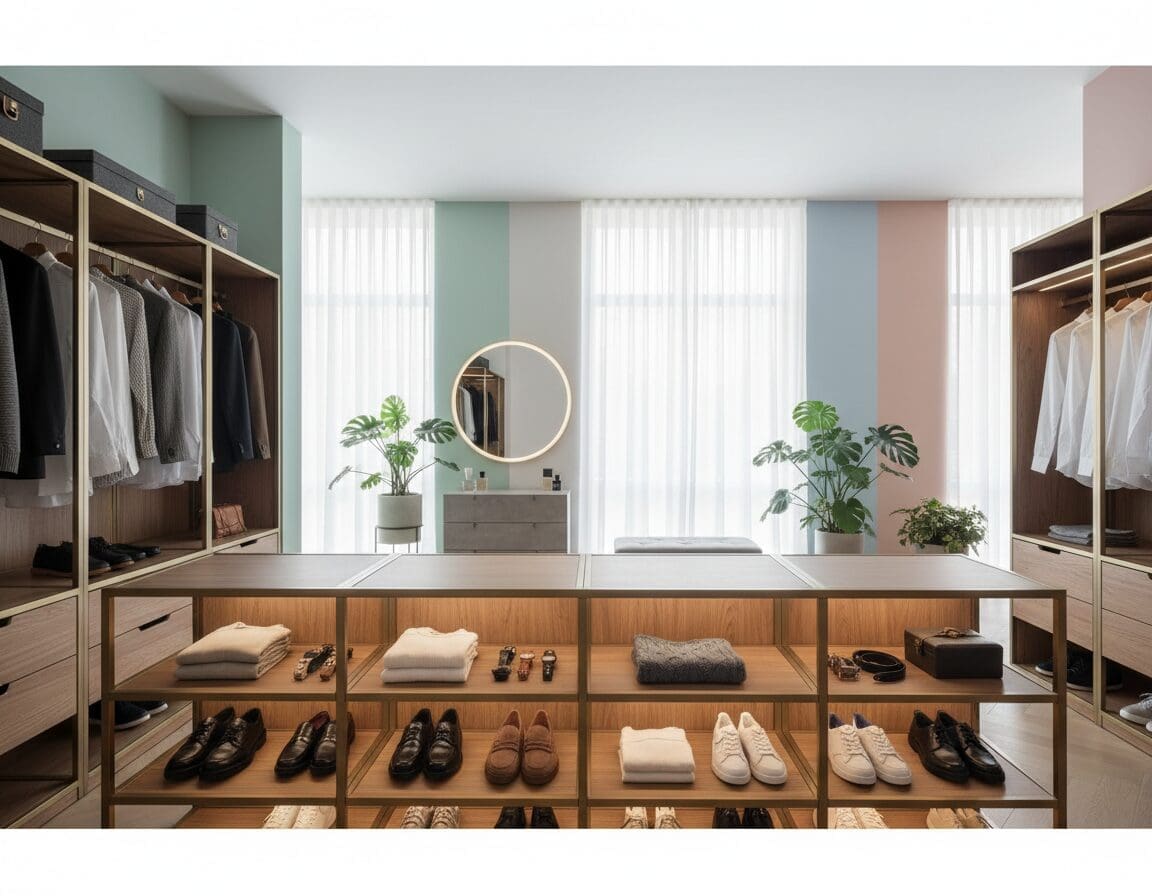
Include dedicated shoe shelves, wire baskets, pull‑out rails and integrated LED lighting. Place most‑used items between 900–1500mm from the floor. Reserve top shelves for infrequent items and lower drawers for heavy items or shoes.
Internal fittings such as valet pulls and jewellery trays save time and protect garments. Mirrored internal doors and strip LEDs boost visibility. Many UK retailers and independent joiners show how bespoke fittings and modular systems increase daily efficiency.
Smart wardrobe and cabinet styles that save space
You can choose from several smart styles that make the most of limited floor plans. Use sliding-door wardrobes where swing space is at a premium. For awkward alcoves, bespoke fitted wardrobes turn gaps into neat fitted storage. If you rent, freestanding wardrobes and compact wardrobes give flexible rental storage solutions. For multipurpose rooms, look at multi-functional storage such as ottoman beds and storage benches that combine seating or sleeping with large hidden compartments.
Sliding-door wardrobes remove the need for door swing, so you can place units opposite radiators with care or fit them along narrow corridors. Space-saving doors run on track systems that are either top-hung or bottom-rolling. Top-hung systems keep the floor clear for a recessed bottom track or flush thresholds for accessibility. Soft-close mechanisms reduce noise and wear. Bear in mind that you rarely get full-width access at once, so design internal sections so everyday items sit behind single panel openings.
Bespoke fitted wardrobes are ideal for chimneys, sloping ceilings and odd corners. Custom wardrobe solutions provide continuous joinery that creates a seamless look and increases storage density compared with flat-pack units. Typical features include maximised depth to the wall, integrated cornices and skirtings, concealed hinges and matching finishes to existing woodwork. Higher initial cost offsets long-term gains in usable space and potential resale appeal. Choose local cabinetmakers, skilled joiners or reputable fitted furniture companies such as Hammonds for UK workmanship; check portfolios and client references and allow for accurate site surveys and lead times.
Freestanding wardrobes suit tenants who need portable wardrobes UK options or low-commitment rental storage solutions. Options range from compact wooden wardrobes and lightweight metal frames to fabric wardrobes and wardrobes on castors for mobility. Aim for narrow depths of about 450–500mm where possible and use vertical organisers, hanging shelves and shelf dividers to boost narrow room storage. Budget-friendly choices are available from IKEA’s PAX and BRIMNES ranges, Argos, Dunelm and Habitat. If wall-anchoring is required for safety, use removable anchors or tenant-friendly fittings and check your tenancy agreement first.
Multi-functional furniture reduces the need for separate chests and trunks. Ottoman beds with gas-lift storage or divan beds with drawers give deep hidden space for bedding while storage benches perform double duty as seating and a lift-lid compartment. Wardrobe-bed combinations can form a streamlined focal wall that suits compact living solutions in studio flats. When selecting mechanisms, prioritise quality gas struts and sturdy runners to avoid premature failure. Organise deep compartments with partitioned boxes and vacuum bags to keep bedding tidy and accessible.
When you plan, think about weights, clearances and maintenance. Sliding systems need level floors and ceilings for smooth operation; tracks require periodic cleaning and alignment checks. Bespoke installations demand precise measurements to handle uneven walls. For renters, choose portable or minimal-fix options to keep your deposit secure while still benefiting from compact wardrobes and efficient fitted storage.
Practical tips for planning, installing and organising storage
Start with a clear planning wardrobe installation checklist. Measure room width, depth and ceiling height in at least three places to allow for uneven walls. Record skirting, cornice, radiators, sockets and door swings. List the items you will store by frequency and size, set a realistic budget and decide whether fitted, sliding or freestanding options suit your needs.
Use simple measurement tips: a spirit level will check plumb, and noting socket and ventilation positions avoids surprises when installing fitted wardrobes. If you are installing fitted wardrobes that need structural adjustments or complex sliding systems, hire a professional and obtain written quotes. For flat-pack freestanding units, DIY is often viable; always check public liability insurance and read customer reviews before you commit.
Plan installation access and protect the room. Allow space for delivery on narrow staircases and measure door widths. Clear the floor, cover flooring and follow manufacturer instructions for safe wall anchoring. To keep your wardrobe functional, adopt wardrobe organisation tips: declutter first, use one-in-one-out, rotate seasonal clothes to high shelves or under-bed boxes, and use uniform labelled boxes for a tidy appearance.
For lasting results, maintain hardware and consider lighting and sustainability. Tighten fittings periodically, lubricate runners and avoid overloading shelves. Add LED strip lights or motion-sensor spots and internal mirrors for better usability. Choose FSC‑certified timber or second‑hand pieces where possible, and arrange responsible disposal through local council bulky waste or specialist recycling when items reach end of life.