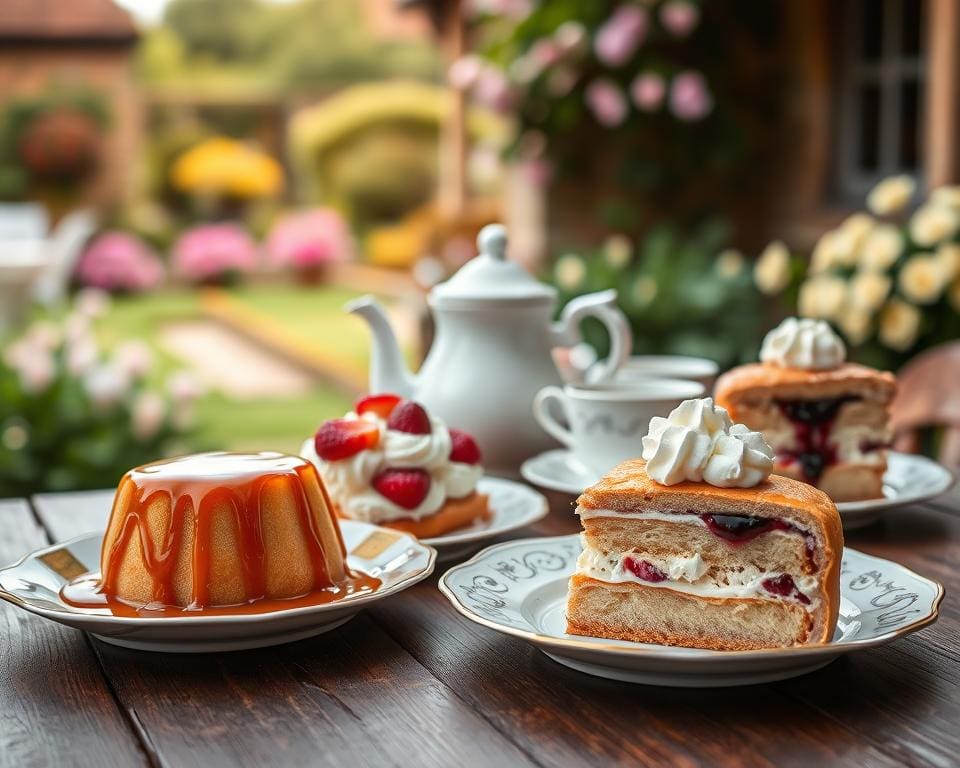
This guide shows you which British desserts to taste, why they matter and how they fit into local food culture. You will find both iconic puddings and lesser-known treats, plus practical tips to order or make them yourself.
British desserts cover steamed, baked and chilled preparations rooted in orchard fruit, dairy and old preservation methods like suet batters and long-simmered sauces. As a reader, you’ll learn what defines each dish, where it began and how seasonality shapes the best times to enjoy them.
What follows is an overview of essential classics, a look at popular baked favourites, and a section on modern reinterpretations. The article finishes with sensible pairings and recommendations for where in the UK to try the best British sweets and must-try British puddings.
Use this British pudding guide to plan visits, choose desserts in cafés and pubs, or try traditional British dessert recipes at home. You’ll also find pointers to search terms like where to eat sticky toffee pudding London and best British fruit crumbles to help you explore further.
Essential British desserts every food lover must taste
British sweets offer a comforting mix of texture, richness and history. If you want to explore essential British desserts, start with puddings and confections that have shaped home kitchens and hotel menus for generations.
Why these classics define British pudding culture
You will find recurring ingredients that define classic British puddings: suet, dried fruit, treacle, custard and double cream. These elements create dense, warming dishes that suit the UK climate and appetite.
Steaming gives sponge puddings their springy texture. Long bakes yield the caramelised tops of crumbles and pies. Layered builds, as in trifle, balance sponge, jelly, custard and cream for contrasting mouthfeels.
Brands such as Bird’s for custard powder and Rodda’s for clotted cream remain staples in many homes. Their presence shows how tradition and widely loved products support the pudding canon.
Regional origins and the stories behind each dessert
Regional British sweets tell local stories. Sticky toffee pudding traces links to the Lake District and Yorkshire and rose to fame in 20th-century kitchens. Spotted dick began as a working-class steamed suet pudding across England, with currants giving it a spotted look.
Fruit pies and crumbles come from orchard regions. Apple and blackberry pies from Devon and Cornwall highlight coastal fruit; rhubarb dishes spring from Yorkshire’s Rhubarb Triangle.
Eton mess and trifle carry echoes of schools and stately tables. Scones and cream teas point to the West Country rivalry between Devon and Cornwall over whether cream or jam comes first.
When to enjoy them: seasonal and celebratory occasions
Seasonal British puddings suit the calendar. In autumn and winter choose steamed puddings such as sticky toffee or spotted dick. Treacle sponge and mince pies are natural at Christmas.
Spring and early summer call for lighter treats. Eton mess, strawberries and cream appear around Wimbledon. Fruit crumbles arrive as orchard produce becomes available.
Afternoon tea and celebrations favour Victoria sponge, scones and trifle. Knowing the provenance and seasonality helps you pick the freshest versions when you dine or shop.
Decadent baked favourites to try today
Explore three baked classics that reward simple ingredients with big flavour. Each dish shows how British baking turns pantry staples into memorable treats you will want to try at once.
Sticky toffee pudding: what makes it irresistible
Sticky toffee pudding pairs a moist date sponge with a glossy toffee sauce made from butter, brown sugar and cream. The sponge is dense yet tender, often enriched with dark muscovado sugar for deep caramel notes.
You will find the sauce adds richness and a silky contrast to a scoop of vanilla ice cream or a jug of warm custard. Look for versions by Heston Blumenthal or Nigella Lawson in gastropubs and classic restaurants to taste the benchmark.
Variations range from chestnut or treacle-infused takes to mini puds and gluten-free alternatives that use almond or oat flours. For the best result, serve warm so the sauce soaks into the sponge.
Spotted dick and steamed puddings: texture and tradition
Spotted dick is a suet-based pudding studded with currants or raisins, known for its chewy, dense crumb. Traditional steaming in a basin keeps the pudding moist and gives it a uniform, almost sticky texture distinct from baked sponges.
The dish grew from Victorian working-class kitchens as an economical, filling pudding. You will often see it served with custard or a sweet sauce in school dinners and traditional restaurants across the UK.
Modern chefs update the spotted dick recipe with suet alternatives, lemon or cinnamon infusions, and lighter steaming methods. If you want an authentic feel, ask whether the pudding was steamed freshly that day.
Fruit pies and crumbles: British orchard flavours
British fruit pies and crumbles showcase local produce: English apples, hedgerow blackberries and Yorkshire forced rhubarb. Crumbles use a crumbly topping of flour, butter and sugar, sometimes with oats, baked over stewed fruit for a rustic finish.
Pies need a sturdy pastry case, with lattice tops or full crusts to trap juices. Serve either warm with pouring cream, clotted cream or a generous pour of freshly made custard for maximum comfort.
Seek out village tea rooms, farm shops and independent bakers for authentic regional versions. When ordering, ask whether fruit is seasonal and whether custard or cream is freshly prepared for the best flavour.
British desserts with a modern twist
You will find a fresh energy in contemporary kitchens where classic British treats meet inventive technique. Chefs and patissiers rework textures and flavours while keeping the heart of each recipe intact.
Contemporary takes on trifle and custard
Try modern trifle recipes that trade heavy cream for mascarpone-custard hybrids and single-origin vanilla. Chefs soak sponge in fruit syrups or liqueurs, then layer compressed fruit and refined gels to preserve brightness.
Custard has moved beyond powdered mixes. Sous-vide crème anglaise, Earl Grey-infused custard creams and cardamom-scented custards give you silky texture with subtle aromatic notes.
Reimagined scones and tea-time patisserie
Scones evolve into savoury cheddar and chive versions, citrus-fruit scones and gluten-free bakes using almond flour. You can taste choux-style cream scones and scone millefeuille in contemporary bakeries.
Look for artisanal scones UK makers that pair their scones with single-origin teas or Wilkin & Sons Tiptree preserves for a thoughtful tea-time experience.
Fusion desserts blending British classics with global flavours
British dessert fusion appears on tasting menus in London and beyond. Examples include sticky toffee with miso caramel, matcha sponge trifles with yuzu jelly and clotted cream paired with pistachio-and-honey layers.
These combinations balance British staples—cream, sponge and orchard fruit—with global ingredients to create savoury-sweet contrasts you will remember.
You should seek venues that respect the original texture and balance while introducing contrast. Urban patisseries, gastro pubs and Michelin kitchens are good places to sample inventive contemporary British pudding and other modern British desserts.
British desserts: recommendations, pairing and where to try them
Start your tasting tour with a cream tea: scones with clotted cream and jam are best at independent tearooms and National Trust cafés. For cream tea recommendations, seek places that use Rodda’s clotted cream and a robust Assam or English Breakfast brew. If you prefer a lighter flavour, choose Earl Grey with fruit scones to let the berries shine.
For richer puddings, try sticky toffee pudding at well-rated gastropubs and country inns—these are often listed among the best places for sticky toffee pudding. Pair it with strong coffee, a bold black tea or a sweet fortified wine such as Tawny Port; add custard or vanilla ice cream for a pleasant temperature contrast. Spotted dick and other steamed puddings work beautifully with hot custard or a toffee-style sauce, and in a pub setting you can match them with a milky tea or a dessert ale.
Fruit pies and crumbles are perfect at farmers’ markets and farm shops in Devon, Cornwall, Kent and Yorkshire. Serve apple or berry crumbles with clotted cream, pouring cream or custard, and consider a late-harvest Riesling or a fruity cider for light-bodied British dessert pairings. Trifles and Eton mess take on a celebratory note with Prosecco or English sparkling wine, while richer trifles suit a dessert sherry.
Plan an itinerary that mixes venues—tea rooms, dessert pubs UK, gastropubs and patisseries—to taste both tradition and modern twists. Ask about sourcing and seasonality: producers who name local growers or use Bird’s custard show authenticity. For pairing guidance beyond wines, see this short guide on how beverages complement meals for practical tips on temperature, body and acidity: beverage pairing advice. By choosing regional specialities and mindful pairings, you’ll get the fullest picture of British pudding culture.