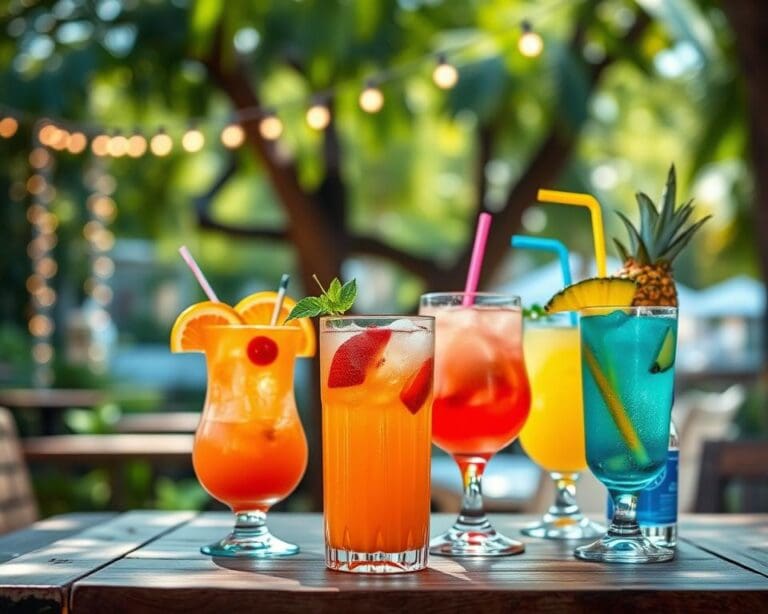
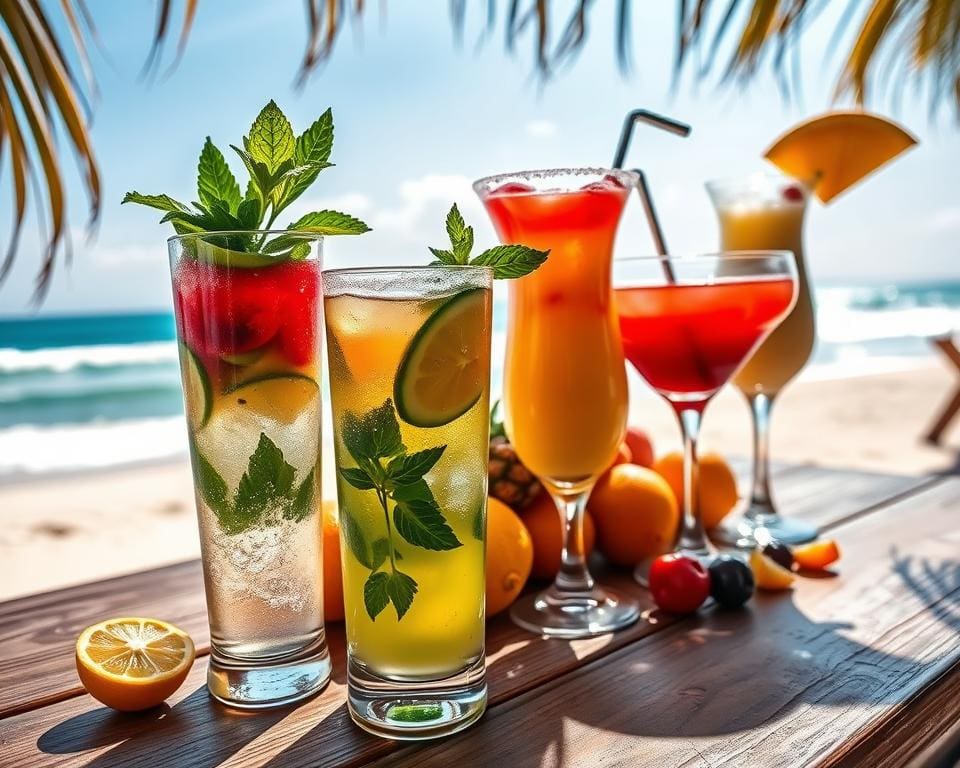
Deciding which summer cocktails to include on your menu shapes guest experience and sales across the season. You need a concise list of the best summer cocktails that work for daytime terraces, evening service and outdoor parties. Think light, aromatic and visually appealing serves that are chilled or built over ice.
Summer cocktail ideas should favour balanced acidity, restrained sweetness and high aromatics from citrus, herbs and botanicals. Formats to consider include shaken daiquiri-style drinks, stirred low-ABV serves, built spritzes and batched punches for events. Garnishes such as mint, British strawberries or elderflower sprigs lift both flavour and presentation.
Choose cocktails for summer parties with the UK climate and produce in mind. Daytime menus benefit from thirst-quenching, lower-alcohol options; evenings can handle bolder, spirit-forward choices. Work with seasonal British ingredients like rhubarb, local berries and elderflower to keep your menu relevant and cost-efficient.
Your audience—bar and restaurant owners, event planners and home entertainers across the United Kingdom—needs actionable products: practical recipes, low-ABV alternatives and service tips that complement summer food menus and increase covers. This guide will point you to tried-and-tested classics and adaptable ideas inspired by Daiquiri, Negroni, Mojito and Aperol Spritz traditions, alongside modern non-alcoholic options from brands such as Seedlip and artisanal tonic makers.
Essential summer cocktails every menu needs
Build a concise list of classic drinks that cover styles, strengths and service speed. These essential cocktails give you flexibility for intimate gatherings and large fêtes. They balance bright acidity, fizz and aromatic bitters so guests stay refreshed even in warm weather.
Why these classics work for warm-weather gatherings
Choose drinks that combine lift and drinkability. Light acidity from citrus, effervescence from soda or Prosecco and herbaceous aromatics create thirst-quenching profiles. Low-ABV formats such as spritz-style serves keep guests comfortable across long summer sessions.
Include examples that meet those goals: Aperol Spritz for a low-alcohol, effervescent option; Mojito for minty freshness; Daiquiri for a clean lime hit; Negroni Sbagliato or Americano as bitter-sweet, gentler alternatives; Pimm’s Cup for classic British daytime events; Margarita for zesty crowd-pleasers; Tom Collins/Gin Fizz for citrus and bubbles; Espresso Martini for evening service; plus a fruity spritz or punch for batched summer party drinks.
Mood, occasion and guest preferences to consider
Tailor your menu to the event. For relaxed garden parties lean on Pimm’s and spritzes. For brunch offer Bellini, Aperol Spritz and non-alcoholic spritzes. Evening alfresco service suits Margarita and Negroni variations. For large events present batched punches or jugs to speed service.
Read the room for guest tastes. Younger groups often favour tequila and rum. Older guests may prefer lighter, herbal profiles. Honour dietary needs with gluten-free spirits and vegan mixers. Keep versatile spirits like gin, rum and tequila on hand to enable many essential cocktails from a compact bar list.
Signature garnish and presentation ideas to elevate appeal
Good cocktail presentation signals quality before the first sip. Use large clear ice, citrus wheels and edible flowers to show freshness. Match glassware to the drink: coupe for Daiquiri and Espresso Martini, highball for Mojito and Tom Collins, wine glass for Aperol Spritz and stemmed goblets for premium spritz variations.
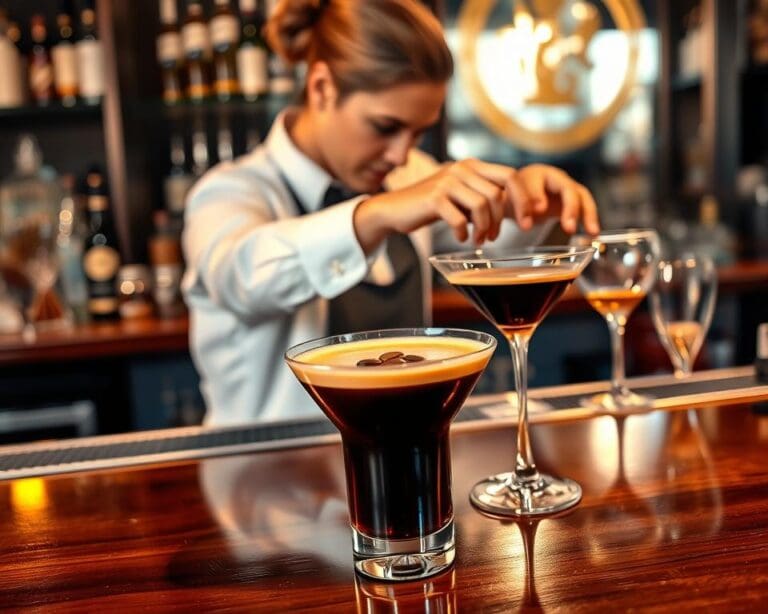
Garnish suggestions: Aperol Spritz with an orange slice and a large ice cube; Mojito with bruised mint and a lime wheel; Daiquiri with a thin lime twist in a chilled coupe; Pimm’s with cucumber ribbons, strawberries, mint and orange in a jug; Frozen Margarita with a salt rim and lime wedge; Espresso Martini topped with three coffee beans. Cross-utilise garnishes and mixers to reduce waste and speed up service.
Commercially, these crowd-pleasing cocktails offer good margin potential and quick builds. Stock mixers such as soda, tonic and fresh citrus from brands like Fever-Tree or Fentimans to lift flavours. For food pairing ideas and to explore beverage roles with meals consult a short guide on complementary pairings at how beverages complement different meals.
Refreshing low-alcohol and zero-proof options
Interest in mindful drinking is rising across the UK. Your menu should reflect that shift by offering thoughtful low-alcohol cocktails and zero-proof cocktails that appeal to a wider audience. These choices help you welcome designated drivers, teetotal guests and those cutting back without losing the celebratory feel of a summer gathering.
Benefits of including low-ABV choices on your menu
Adding low-ABV options increases cover appeal and can lift revenue per head when priced alongside classic serves. Guests stay longer when they can pace themselves, which boosts food spend.
Safer service at outdoor events becomes simpler with low-alcohol cocktails and non-alcoholic drinks, reducing risk while keeping atmosphere. Look to brands such as Seedlip, Lyre’s and Ceder’s for inspiration and to high-quality tonic and ginger beer producers for mixers.
Easy mocktail recipes that still feel celebratory
Batchable recipes save time and maintain consistency. Try an Elderflower and Cucumber Spritz made from elderflower presse, soda, cucumber ribbons and a squeeze of lime.
Offer a Virgin Mojito with fresh lime, mint, simple syrup and soda water. For berry lovers, a Berry Shrub Fizz uses shrub vinegar, soda and mint to add tang and depth.
For a grown-up serve, use Seedlip Garden No-Gin with premium tonic and a lemon twist. An Iced Tea Collins made from cold-brew tea, lemon and soda makes a refreshing alcohol-free summer drink.
Pairing non-alcoholic options with food and desserts
Match acidity, sweetness and texture to dishes. Citrus and herbal mocktails work well with seafood and summer salads. Berry and floral non-alcoholic drinks pair neatly with desserts and cheeseboards.
Smoky or spiced low-alcohol cocktails cut through BBQ-rich flavours. Add pairing prompts on your menu to guide choices and encourage cross-sells.
- Batch cordial bases and keep chilled to speed service.
- Watch sugar levels and label calories where required.
- Use premium glassware, texture and sophisticated garnishes to make mocktails feel special.
Seasonal ingredients and flavour variations
Start by leaning into local British produce to sharpen your menu and appeal to eco-conscious guests. Strawberries, raspberries, blackberries, rhubarb, gooseberries and elderflower offer bright notes that lift summer drinks. Using in-season fruit gives fresher taste and better texture for fresh fruit cocktails and light spritzes.
Using fresh fruits, herbs and botanicals
Pair herbs with spirits to create balanced profiles. Basil sings with gin and strawberries. Mint suits rum-based recipes. Rosemary works well with grapefruit and vodka. Lavender and elderflower bring floral top notes to lighter cocktails.
Use gentle techniques to preserve aroma. Bruise leaves to release oils without shredding; muddle sparingly to avoid bitterness. Bathe herbs in warm syrup to extract scent for cocktail infusions without harsh tannins.
Simple syrups, infusions and house-made mixers
Keep recipes straightforward so staff can reproduce them. Classic simple syrup is 1:1 sugar to water. Use rich syrup at 2:1 where more body is needed. Try honey syrup at 1:1 for darker spirits, or agave for tequila drinks.
Make flavoured syrups by steeping herbs or spices. Short infusion times—15 to 30 minutes—preserve freshness for lavender and rosemary. For elderflower and rhubarb, cook down into cordials or shrubs; vinegar-based shrubs add acidity and shelf stability.
Stock a few house mixers: fresh lemon and lime juice, soda water, ginger beer and a tonic alternative. Label batches, refrigerate and use within recommended days. Pasteurise cordials when required for longer shelf-life.
Adapting classics for British summer produce
Test small batches to find ideal ratios before adding items to the menu. Try a Strawberry Daiquiri with British strawberries. Swap lemon for rhubarb syrup in a Collins. Make an Elderflower Spritz with cordial, prosecco and soda. Muddle raspberries into a Mojito for colour and tartness. Batch a Pimm’s with seasonal berries and British cucumber for a crowd-pleaser.
Run tasting sessions with staff and guests to tune sweetness and acidity. Use the guidance in seasonal soups and salads to inspire texture and herb pairings by visiting seasonal salads and soups.
- Try 1:1 simple syrup for quick drinks.
- Use 2:1 rich syrup for stirred cocktails needing weight.
- Label and date mixers to meet food-safety rules.
Practical tips for serving and menu design
Design your cocktail menu design so guests decide quickly. Group drinks by style — Spritzes & Light, Fruity & Frozen, Low-ABV & Zero-Proof, Classics — and add brief tasting notes plus suggested food pairings. Use clear icons for low-ABV, vegan and gluten-free options so customers can scan the summer drinks menu layout at a glance.
Keep pricing and portion control tight. Use standard UK measures (25ml or 35ml spirit pours depending on your licence), calculate cost per serve and set margin targets. Offer half serves or sharing jugs for events and plan batched quantities to reduce waste and speed service.
Plan service flow for busy shifts with practical bar service tips. Pre-batch popular cocktails, prepare garnishes in advance and set a dedicated batching or spritz station for outdoor events. Train staff on consistency, allergen labelling and mocktail execution to maintain quality under pressure.
Match glassware and ice to the drink and polish your cocktail presentation tips. Use crushed ice for tiki or frozen drinks, large cubes for spritzes, and clear, good-quality ice for premium pours. Observe licensing rules and Challenge 25 when serving, label allergens and non-alcoholic claims accurately, and keep paperwork ready for temporary events.
Test, update and promote the menu regularly. Run staff tastings, collect customer feedback and track sales data to refine offerings. Use simple marketing — crisp photography and social posts — to showcase seasonal features and draw attention to your serving summer drinks and refreshed menu layout.