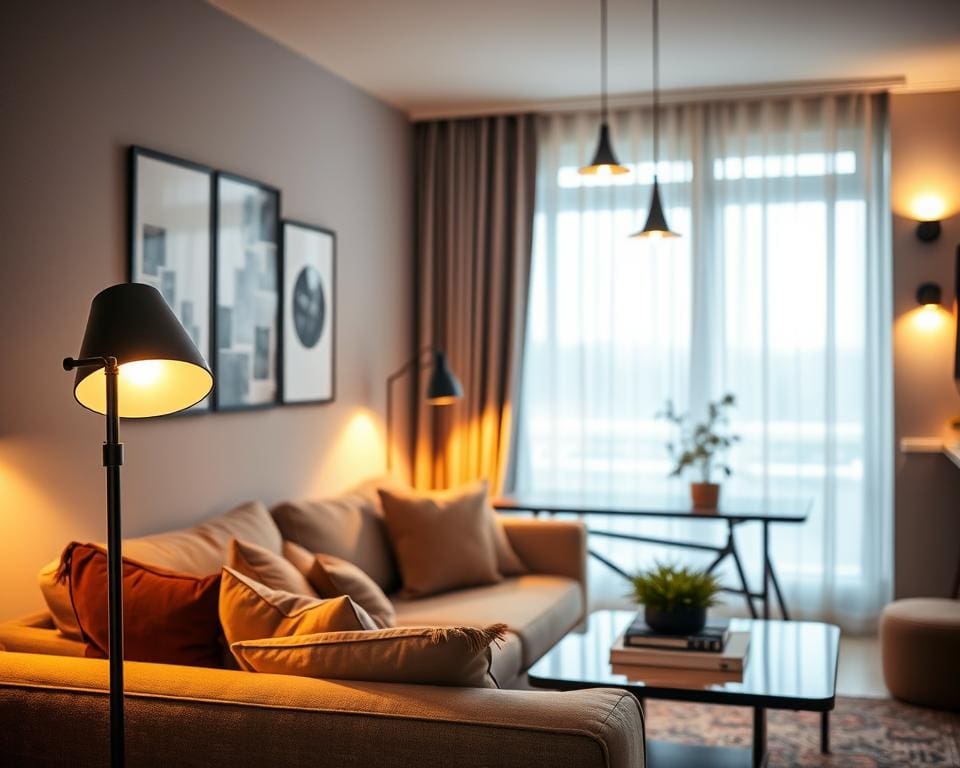
Good lighting changes how a home feels. The right choices can transform home mood, boost wellbeing and make rooms more welcoming. This article offers practical lighting ideas for homes across the UK, aimed at renters and homeowners who want lighting inspiration UK that is both stylish and sensible.
Lighting matters beyond looks. It helps regulate circadian rhythms, supports productivity and reduces accident risks in kitchens and stairways. The Health and Safety Executive highlights adequate lighting for safety, while research from the Lighting Research Center and British standards such as BS EN 12464 give clear illuminance targets — roughly 300–500 lux for kitchen work surfaces and lower levels for relaxed living spaces.
Three core strategies sit at the heart of effective schemes. Choose the right light temperature to suit activity and mood. Layer light with ambient, task and accent sources to add depth. Use dimmers and smart controls to vary scenes and transform home mood with ease. These approaches also tie into energy efficiency: LED bulbs are now the dominant low‑energy option, and UK government guidance points to simple household measures that cut usage.
The rest of the article expands on room‑by‑room solutions, fixture choices and sustainable options. Expect achievable upgrades — from bulb swaps to installing dimmer switches or consulting a lighting professional — and compatible smart brands such as Philips Hue, LIFX and IKEA TRÅDFRI to help bring your plans to life.
home lighting ideas to transform mood and atmosphere
Light shapes how a room feels. Thoughtful choices about light temperature and layering light can turn a flat space into one that soothes, energises or delights. Use warm light in social areas to invite conversation. Choose cool light for tasks that need clarity.
Understanding light temperature and its emotional effects
Colour temperature is measured in Kelvins (K). Warm white at roughly 2,700–3,000K feels cosy and intimate. Neutral white around 3,500–4,000K suits kitchens and work areas. Cool white or daylight above 5,000K sharpens detail but can feel clinical if overused.
Warm light encourages relaxation and social comfort, so place it in living rooms and bedrooms. Cool light boosts concentration and visibility, making it ideal for kitchens, utility rooms and home offices. Studies link blue‑rich daylight to increased alertness and to shifts in circadian rhythm, so avoid bright cool light late in the evening to protect sleep.
For flexible homes, consider tunable white fittings such as Philips Hue White Ambiance and similar ranges found in UK retailers. Check colour-rendering index; aim for CRI ≥80 in general and CRI ≥90 where colour accuracy matters, for example kitchens and dressing areas.
Layering light: ambient, task and accent lighting explained
Good design begins with lighting layers. Start with ambient lighting as the base. Use ceiling pendants, recessed downlights or large flush fittings for even coverage and safe navigation.
Next, add task lighting for focused activities. Under‑cabinet kitchen lights, desk lamps and bedside reading lights give the illumination needed for cooking, reading and grooming without glare.
Finish with accent lighting to add depth and drama. Track lights, picture lights and adjustable spotlights highlight art, plants and shelves. A practical rule: keep ambient levels moderate, ensure task lighting delivers adequate lux, and set accent lights at about one to three times the ambient level to create focal points.
Consider beam angle, shielding and positioning to avoid glare. Use wall‑washing for textured surfaces and uplights to lift ceilings. For any hardwired work, hire a NICEIC‑registered electrician and follow British electrical safety standards.
How dimming and smart controls create flexible moods
Dimmer switches offer fine brightness control, extend lamp life and reduce energy use. Use dimmable LEDs marked compatible with your dimmer model to avoid flicker. Check bulb and driver compatibility before fitting.
Smart lighting systems broaden control. Choose smart bulbs such as Philips Hue, LIFX or IKEA TRÅDFRI for easy setup. Pick smart switches for whole‑circuit control that works with existing fixtures. Pair equipment with hubs like the Hue Bridge and voice assistants such as Amazon Alexa, Google Assistant or Apple HomeKit for hands‑free operation.
Program scenes and schedules to match daily routines. Set cooler, brighter light for morning tasks and warm, low light in the evening for better sleep. Use motion sensors, geofencing and adaptive features to automate changes. In the UK, look for smart controls UK options that respect privacy and support secure updates.
Smart setups can simulate occupancy when you are away and cut wasted energy. Protect accounts with strong passwords and keep device firmware current to reduce security risk.
Practical lighting solutions for each room
Good lighting changes how a home feels and works. Use layered approaches to balance sociability and calm. Choose warm 2,700–3,000K ambient fittings for evenings. Put task lights where precision matters. Fit dimmers or smart scenes to switch between bright and cosy lighting quickly.
Living room: creating cosy and social zones
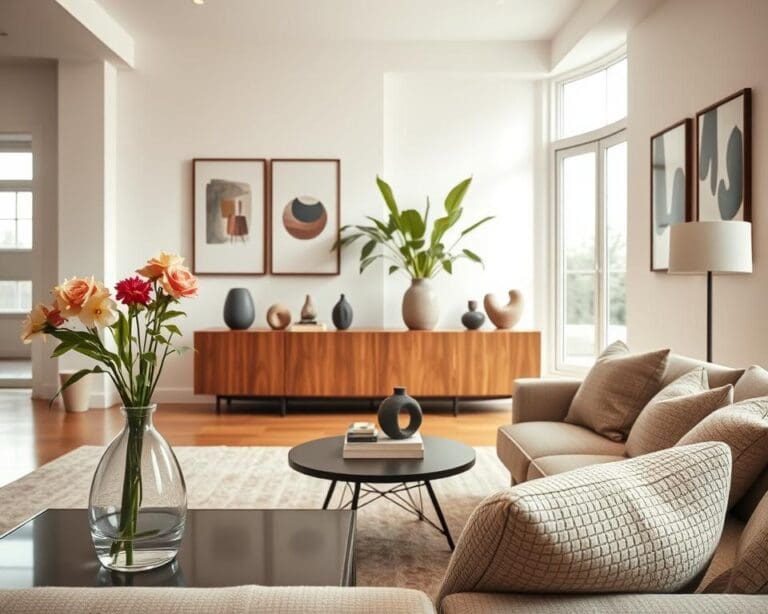
Start with a gentle central light, such as a warm pendant or recessed downlights. Add zoned lighting using floor lamps and table lamps to form intimate seating groups. Position angled uplighters behind sofas for a subtle glow that enhances cosy lighting without glare.
Use picture lights and spotlights as accent pieces to show bookshelves and art. Fit directional reading lights beside chairs for focused reading lights without disturbing others. Match finishes like brass for warmth or matte black for a modern look.
Shop lighting from John Lewis, Made.com or Habitat for a wide range of lamps and pendants. Choose warm LED filament or high CRI retrofit bulbs to flatter fabrics and skin tones. Use separate circuits so task lights can shine bright while the rest of the lounge stays low.
Kitchen: bright task lighting with subtle ambience
Prioritise shadow‑free task lighting above worktops. Under-cabinet lighting placed at the front of units keeps counters clear of dark patches. Choose under-cabinet lighting with high CRI and around 3,000–4,000K for food prep clarity.
Use recessed downlights or pendant clusters over islands for kitchen ambience. Keep these slightly warmer than task lights to retain an inviting mood. Fit extractor-hood integrated lighting as a practical supplement at the hob and sink.
Select LED modules from brands such as Aurora, Thorn or Philips when installing recessed kits. Put task lighting kitchen on separate zones so you can keep the room welcoming while retaining bright work surfaces.
Bedroom: soft, relaxing schemes for better sleep
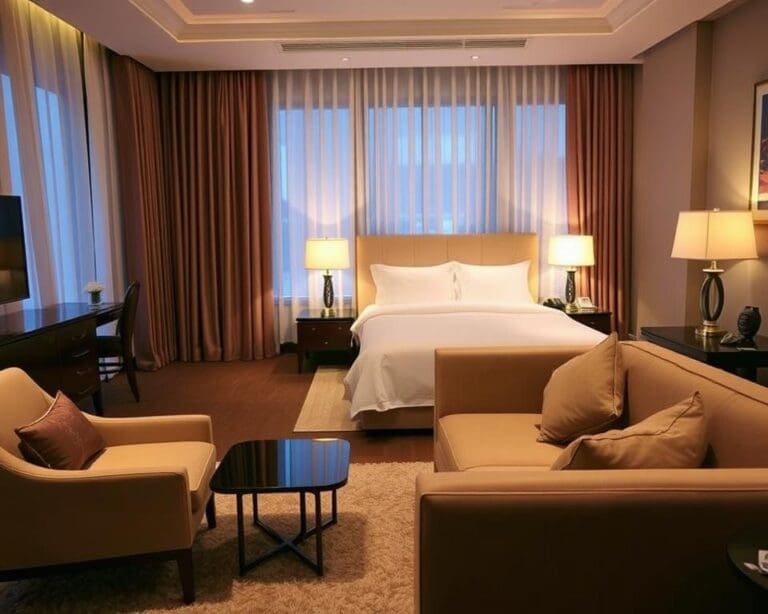
Adopt warm, low-glare fittings for relaxing bedroom lighting. Use bedside lighting with dimmable table lamps or wall-mounted reading lights for individual control. Avoid blue‑rich light in the hour before bed to support melatonin production and good sleep lighting.
Consider tunable white bulbs to program wake-up and wind-down scenes. Add warm LED strips behind headboards or under furniture for subtle ambience. Choose high CRI lamps where dressing and colour matching matter.
For renters, look at battery or plug‑in bedside options. Owners may prefer hardwired wall lights for a cleaner finish. Combine blackout curtains with minimal light leakage to improve sleep hygiene.
Bathroom: combining safety and spa‑style lighting
Bathrooms need both safety and spa-style effects. Use bright, even lighting around mirrors—vertical illumination at each side or a mirror with integrated LED gives accurate vanity lighting. Aim for neutral colour temperatures around 3,000–4,000K and CRI ≥90 for grooming.
Choose IP‑rated fittings close to water. Use IP44 or higher for general zones and higher ratings for recessed shower lights to ensure shower lighting is safe and low-glare. Consider extractor-hood lighting to help illuminate the hob and sink area efficiently.
For a spa feel, add dimmable wall lights and LED mood strips under bath panels or in coves. Ask an NICEIC‑registered electrician for hardwiring near water and to meet Building Regulations Part P.
Hallways and staircases: safe, stylish pathways
Keep corridors well lit to avoid hazards. Use recessed downlights or wall-mounted uplights to reveal steps and reduce shadows. Place lighting to show tread edges and prevent glare on stairs.
Add motion sensors or low-level night lighting for overnight navigation. Fit runner LED strips along skirting or step-tread lighting to add drama and depth while maintaining safety lighting. Ensure switches are accessible at top and bottom of staircases when doing rewires.
For rented homes, try plug‑in or adhesive LED strips to avoid permanent changes. Maintain warm colour temperatures for a welcoming feel and use dimmable circuits to soften the light after dark.
Creative fixtures, styles and sustainable options
Choose lighting fixtures that blend style with purpose. Pendant lights and chandeliers still make strong focal points, while matte black linear LEDs suit modern kitchens and workspaces. Brass and aged finishes add warmth, and tactile materials such as rattan or opal glass are resurging for their soft diffusion. Decorative LED filament bulbs and frosted diffusers help balance form and function, giving a pleasing glow without glare.
Embrace LED lighting as the backbone of sustainable lighting. LEDs are typically 70–90% more efficient than incandescent lamps, cutting energy use and running costs while lasting far longer. For retrofit projects, replacing bulbs with LEDs or fitting dimmable LED drivers often avoids full rewiring. Smart bulbs from Philips Hue, LIFX, Osram or IKEA’s smart range offer controllable scenes and timers that reduce wasted light.
Check certifications and ratings before you buy to ensure genuine eco benefits. Look for ErP and EU energy labels where available, and choose reputable UK suppliers such as John Lewis, B&Q, Screwfix or specialist lighting stores for warranty and support. Practical eco-friendly lighting habits include using task lighting instead of over-lighting, adding motion sensors, and recycling old bulbs through local take-back schemes.
Small changes make a big difference. Swap to warmer LED bulbs in living areas, introduce a floor lamp for layered ambience, or fit under-cabinet lights to brighten worktops. These tweaks lift atmosphere and comfort while keeping sustainability and safety front of mind, proving that thoughtful lighting fixtures can be both beautiful and responsible.