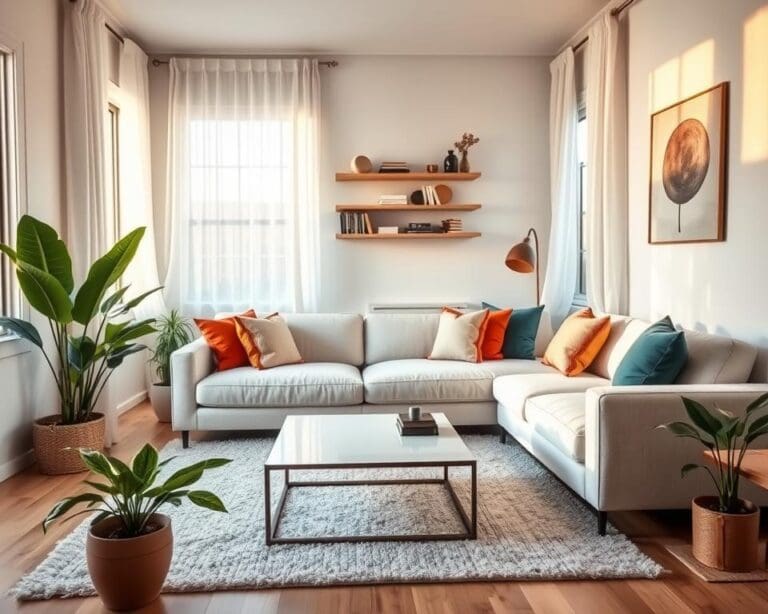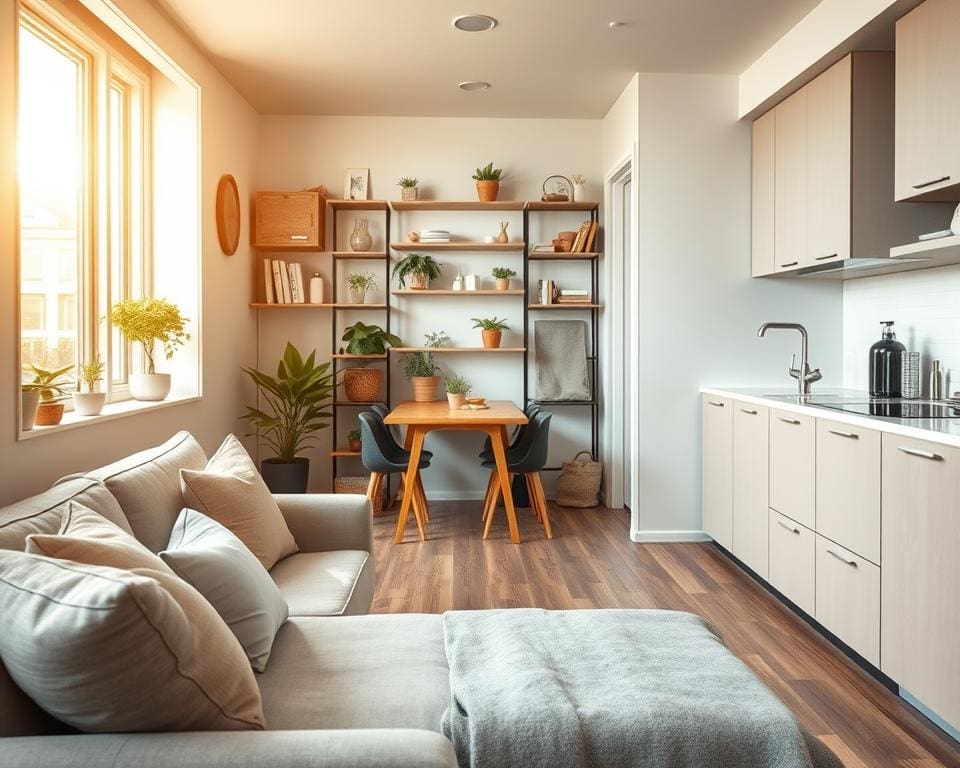
Living in a compact flat or terraced house need not feel limiting. This guide offers practical, stylish small home solutions to help you maximise space small home owners will love. It blends furniture choices, built-in carpentry, clever visual design and everyday routines to create functional, comfortable rooms.
The advice is aimed at city renters and homeowners across the United Kingdom who want smarter small space living. Expect tips that increase usable floor area, maximise storage small flat needs and improve flow so rooms feel calmer and more welcoming.
We start with room-specific, actionable small home space ideas, then explain design strategies that make rooms appear larger and finish with upkeep tips to sustain results. The approach is inspirational: modest changes can deliver big impact.
For purchases and further reading, consult trusted British sources such as IKEA, John Lewis & Partners, Habitat and Made.com, and design authorities like Grand Designs, Dezeen and Homes & Gardens. For bespoke built-ins or electrical work, speak to local carpenters and qualified electricians.
Before you begin, measure rooms accurately and draft a simple floor plan using apps like MagicPlan or RoomSketcher. Check tenancy agreements and building regulations for structural work, allow lead times for joinery and factor seasonality for UK sales into your budget.
Read on to discover multi-functional furniture, built-in storage ideas, visual tricks and maintenance habits that together will help you maximise space in a small home.
Smart small home space ideas to transform every room
Small homes reward clever thinking. A few targeted changes can free floor space, lift light and make rooms feel calm and roomy. Below are practical ideas you can adapt for flats, Victorian terraces or new-build apartments in the UK.
Multi-functional furniture for compact living
Choose pieces that do more than one job to cut clutter and keep circulation clear. A sofa bed or daybed gives seating by day and a comfortable guest bed by night. Look at IKEA FÄRLÖV or Loaf’s slouchy sofa beds if you want tested examples. For dining areas, an extendable table from Habitat or John Lewis & Partners saves space while coping with guests.
Nesting tables and ottomans with storage from Made.com or Dunelm are useful in lounge zones. Consider wall-mounted drop-leaf desks and Murphy beds from Resource Furniture or British bespoke wall-bed makers for spare rooms. Console tables that convert into desks help in hallways and hall-cum-workspaces.
Measure carefully when folded and extended. Check mechanisms such as gas-lift versus springs and test mattress depth on sofa beds for comfort. Pick durable fabrics for high-use items and prefer compact living furniture with warranties where possible.
Built-in storage solutions that feel bespoke
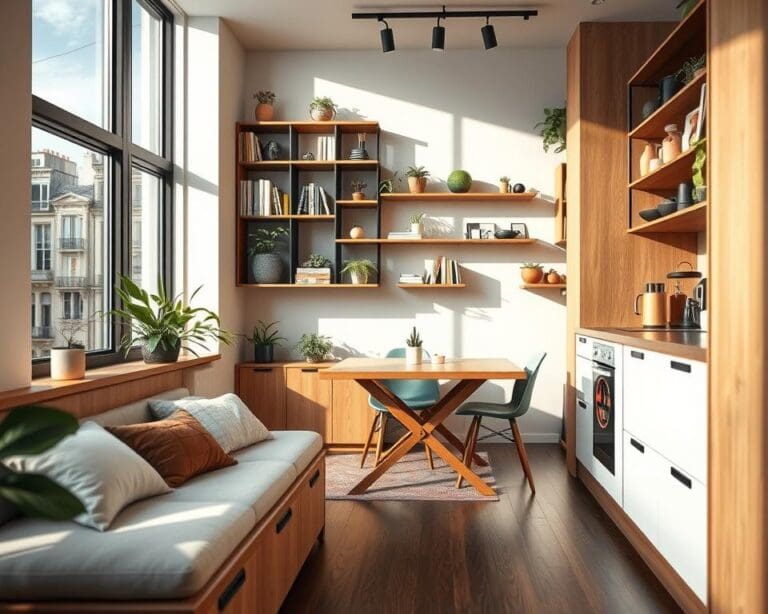
Built-in joinery uses awkward gaps under stairs, in eaves and in alcoves to give a tailored finish and maximum capacity. Floor-to-ceiling wardrobes, bespoke window seats with hidden lids and fitted bedroom wardrobes with sliding doors create a seamless, high-end look.
Consider painted MDF for a smooth, continuous surface. Veneered plywood adds warmth. Laminate works where durability matters. For a streamlined aesthetic try push-to-open doors or discreet handles. Popular modular starting points include IKEA’s PAX, John Lewis & Partners’ fitted ranges and Howdens for kitchens and utility areas.
Work with local carpenters and joinery firms for pricing and technical advice. Include soft-close hinges, adjustable shelving, pull-out drawers and appliance garages in kitchens. Fit motion-sensor LED strips inside cupboards to improve access and safety.
Decluttering and minimalism for a lighter feel
Reducing visible possessions makes small rooms feel larger and calmer. Combine decluttering tips with smart storage so essentials stay accessible rather than out on display. Sort by joy and utility, adopt a one-in-one-out rule for clothing and rotate seasonal items to keep wardrobes lean.
Use clear labelled boxes for off-season items stored under beds or in loft spaces. Vacuum bags compress bulky bedding. Slim-profile storage such as over-door shoe racks and towel rails helps behind doors. Digitise paperwork and photos with services like Google Photos or Dropbox to cut paper piles.
Set a quarterly declutter ritual and create donation or recycling lists to keep momentum. Minimalism in a small home need not be austere; personalise a pared-back scheme with a few meaningful pieces for warmth and character.
Design strategies and visual tricks to make spaces appear larger
Small homes can feel airy and generous with careful design choices. Use a mix of subtle planning and visual tricks to make rooms appear larger while keeping them cosy and lived-in.
Colour schemes and light to open up rooms
Choose light, muted palettes such as pale greys, warm whites or soft neutrals to reflect light and create continuity between rooms. A restrained palette helps to make rooms appear larger while tonal contrasts add depth without crowding the eye.
Paint ceilings a shade lighter than walls and keep skirting and architrave the same colour to create seamless lines. These small moves raise the perceived height of a room.
Maximise natural light with sheer blinds from brands like Hillarys or simple roller blinds. Keep windowsill clutter to a minimum and use frosted glass or Venetian blinds where privacy is needed.
Layer artificial lighting for warmth and function. Fit recessed downlights, wall sconces and under-cabinet LEDs to free floor space. Choose energy-efficient LED bulbs in the 2700–3000K warm white range to achieve a cosy glow suitable for lighting small homes.
Layout and flow for efficient movement
Plan clear circulation paths and avoid blocking sightlines to preserve openness. A well-considered layout small flat allows natural movement and makes daily routines simpler.
Define zones with rugs, lighting and furniture rather than walls. Use slimline sofas and low-profile pieces to keep sightlines free and maintain a sense of space.
In open-plan living, align furniture with architectural features and place storage against walls. Floating furniture and clever positioning create visual depth and act as subtle separators when needed.
Measure and plan to scale before buying. Aim for 60–90 cm walkways and 30–45 cm behind dining chairs to ensure ease of movement.
Mirrors, glass and vertical emphasis
Install large mirrors opposite windows to reflect light and double perceived space. Mirrored wardrobe doors work particularly well in bedrooms to make them feel larger.
Use glass or acrylic furniture to reduce visual bulk. A glass dining table or acrylic chairs let the eye pass through, which helps small rooms breathe.
Draw the eye upward with tall shelving, floor-to-ceiling curtains hung close to the ceiling line, and narrow vertical panelling. Slim, high cabinets provide vertical storage without eating floor area.
Choose safety-backed mirrors and toughened glass for large glazed elements. Ensure wall fixings are rated for weight and hire professional fitting where required to keep designs safe and durable.
Practical organisation and maintenance tips for long-term success
Keep a simple cleaning routine small home by setting short daily and weekly tasks. A 10–15 minute nightly tidy stops clutter from piling up, while a weekly vacuum and wipe-down protects surfaces. Plan a monthly deep-clean for oven, windows and vents so grime does not become a bigger job later.
Choose compact tools that save space and work hard. A Dyson or Shark stick vacuum, and a steam mop, tuck away easily and cut cleaning time. For maintenance small flat issues, label shelves and use clear boxes for loft or under-bed storage so you know where things are at a glance.
Build systems that last. Use labelled baskets for mail, keys and chargers, zone kitchen drawers by function, and digitise paperwork with scanned copies backed up to the cloud. These organisation tips small home help prevent paper and digital clutter from overwhelming a compact flat.
Plan for seasons and future needs. Keep an inventory of bulky seasonal items and consider long-term storage solutions such as secure self-storage or wall-mounted bike hangers to free floor space. Rotate clothing with breathable garment bags or vacuum-seal packs to reduce volume.
Adopt sustainable small living UK habits: buy fewer, better items that can be repaired and choose second-hand from eBay, Vinted or charity shops like Oxfam. Schedule a review every 6–12 months to adapt storage as life changes, and use a one-in-one-out rule to protect your space and investment.
Finally, stay safe and legal when fitting fixtures. Secure heavy shelving into studs, check landlord permissions and follow British Standards for smoke alarms and wiring. Small, consistent actions preserve your design and make living in a compact home easy and enjoyable for years to come.