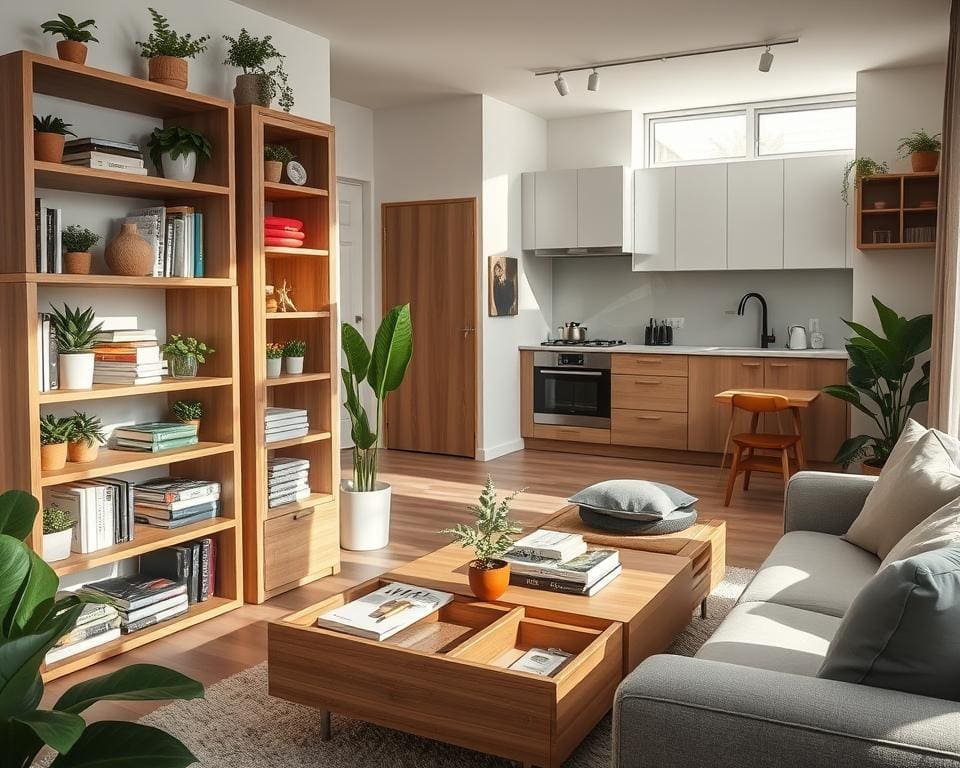
Living in a compact flat or small house in the United Kingdom means you need clever approaches to make every square metre count. This guide gives practical, down-to-earth smart storage ideas that suit renters, first-time homeowners and anyone tackling small apartment storage.
You will learn how to assess your space, prioritise belongings and adopt space-saving solutions that work across kitchens, bathrooms, living rooms and bedrooms. The focus is on compact home organisation that avoids large renovations and keeps interiors looking tidy and stylish.
Expect room-specific tips, product suggestions from high-street names like IKEA and John Lewis, measurement checks for easy installation, and low-cost hacks for seasonal clothing, bicycles and small kitchens. By the end you’ll have a clear plan for storage ideas for small homes that you can put into action straight away.
smart storage ideas to maximise space in small homes
Smart storage starts with clear small home planning. Take time to map your rooms and note daily needs before buying anything. A focused storage assessment helps you decide what stays near you and what can be stored away.
Understanding your space and storage needs
Begin with a simple audit: measure room dimensions, door swings and usable wall height. Catalogue items by frequency of use so you can place daily essentials within easy reach and move seasonal goods to higher or less accessible spots.
Use the purge-sort-store method to declutter. Sort into keep, donate, recycle and bin. Storing heavy winter coats and boots off-season frees immediate wardrobe space.
Think in zones for arrivals, cooking, laundry, work and leisure. Zoning reduces duplicate storage and speeds up retrieval when you are busy.
Use practical tools such as Google Sheets or Sortly on your phone and a tape measure to plan bespoke storage accurately.
Vertical storage strategies
Take advantage of height with floor-to-ceiling shelving and tall bookcases to maximise space. Fit secure fixings into studs or use heavy-duty wall anchors for plasterboard walls to hold weight safely.
Install high-level cupboards or open shelves above doors and kitchen units for seldom-used items like holiday crockery or bulk stores. These areas often go unused but add valuable capacity.
Try pegboards and slatwall systems from retailers such as IKEA and B&Q for flexible tool, craft and kitchen storage. They clear surfaces and adapt as your needs change.
In rooms with high ceilings, consider mezzanine or loft-bed platforms to create sleeping or storage zones. Check building regulations and ensure safe access before committing to a build.
Multipurpose furniture for dual functionality
Choose pieces that combine storage and use, such as ottomans with internal compartments, sofas with under-seat space and beds with drawers or gas-lift storage. These items cut clutter and open up floor area.
Look to Habitat, Made.com and IKEA for budget to mid-range multipurpose furniture. For awkward corners, a local carpenter can create tailored solutions that fit precisely.
Check dimensions for moving through narrow hallways and verify weight capacities for lift-up beds. Choose durable upholstery for items in frequent use to keep them looking fresh.
Investing in multipurpose pieces reduces the need for extra furniture and delivers a cleaner visual aesthetic while helping you maximise space.
Space-saving storage solutions for kitchens and bathrooms
Small kitchens and bathrooms ask for clever, compact fixes that make daily life easier. Start by assessing what you use most and where clutter gathers. This helps you choose practical kitchen storage ideas and bathroom storage hacks that fit your routine and space.
Maximising kitchen cupboards and worktops
Revamp cupboard organisation with pull-out drawers, tiered shelving and tray dividers. Under-shelf baskets and shelf risers create extra layers for plates, mugs and tins, making deep cabinets far more useful.
Fit magnetic strips on splashbacks or inside doors to keep knives and metal utensils off worktops. Slimline appliances from Bosch or Neff free up space you can use for storage or prep.
To achieve a good worktop declutter, use wall-mounted rails, hanging baskets and a foldaway chopping board that sits over the sink. Choose steam- and grease-resistant materials for longevity.
Small bathroom storage hacks
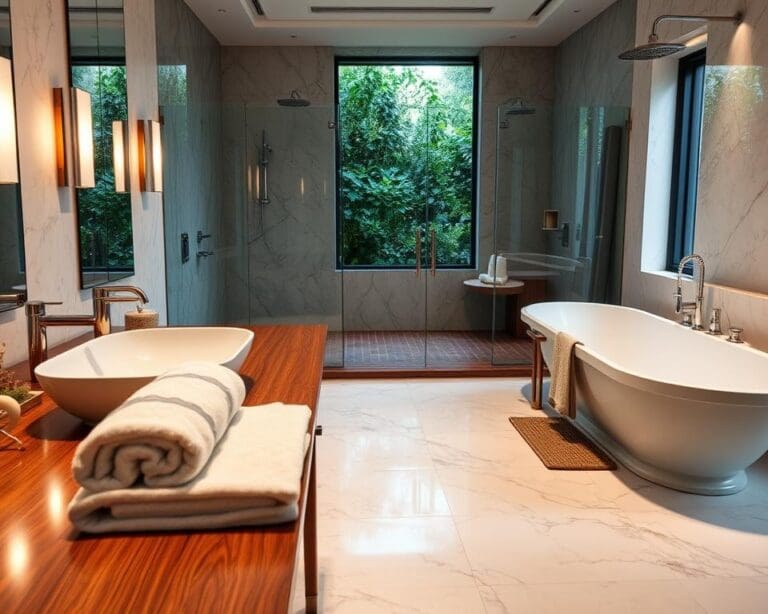
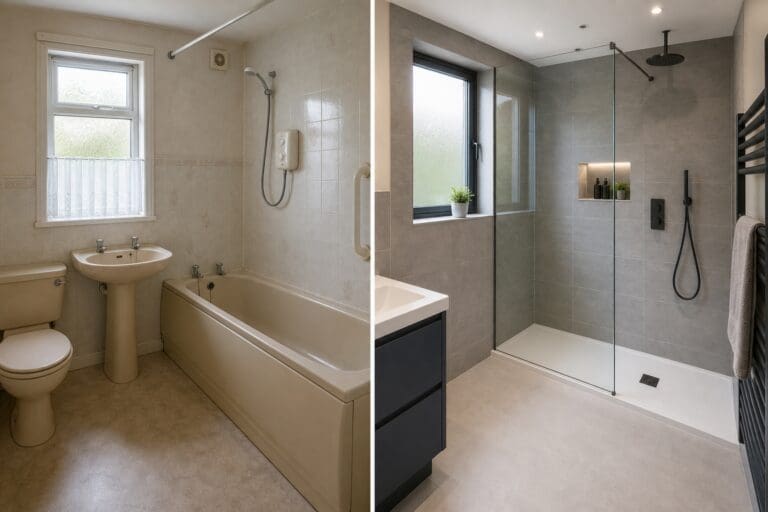
Exploit vertical space with mirrored cabinets and slimline wall units. Over-toilet shelving units add storage without reducing floor area, while mirrored doors boost light and the feeling of space.
Install corner caddies and tension-rods with hanging baskets in showers to keep bottles tidy. Wall-mounted soap dispensers and toothbrush holders free basin surfaces and reduce daily mess.
Use vacuum-seal bags for spare towels and bedding to save cupboard space. Pick moisture-resistant options such as lacquered MDF or aluminium for hidden storage, and keep extractor fans running to prevent mildew.
Creative use of doors and corners
Door-mounted storage is ideal for shoes, cleaning supplies and toiletries in tight homes. Over-the-door hooks and organisers suit rented properties where drilling is limited and they provide instant gains in storage capacity.
Make dead corners work with carousel units or triangular shelving. Slim pull-out cupboards fitted beside ovens or fridges exploit narrow gaps and are perfect for oils, trays and condiments.
Choose reversible or modular fittings from retailers such as Homebase or Wickes to adapt corners as your needs change. Simple swaps keep your kitchen storage ideas and bathroom storage hacks flexible and efficient.
Hidden and stylish storage ideas for living areas
Small living spaces benefit from clever solutions that keep rooms tidy and elegant. Use a mix of concealed systems and attractive displays so your home feels organised without looking cluttered.
Under-furniture and under-bed storage
Slide-away containers make seasonal rotation simple. Choose low-profile under-bed boxes on wheels so you can reach items without heavy lifting. Transparent tubs or labelled boxes speed up retrieval when you need winter coats or spare bedding.
Ottoman sofas and lift-up beds give you large voids for bulky items. Check mechanisms for durability; gas-lift systems tend to be smoother than basic springs. In the UK market, retailers such as Dreams and DFS list storage-capable beds and sofas if you want brand options.
Raise furniture slightly with secure risers to create extra clearance under wardrobes and settees. For wood or laminate floors, add felt pads under wheeled boxes to avoid scratches and protect finishes.
Built-in and bespoke storage options
Recessed cabinets and alcove shelving use odd corners and sloping ceilings better than standalone units. Built-in storage maximises square footage and gives a cohesive look that often adds appeal to period flats.
Consider bespoke shelving from a local cabinetmaker for awkward spaces. Flatpack fitted systems, such as IKEA’s PAX, provide budget-friendly alternatives when you measure carefully and fit with care. Plan for cable management in recessed TV units and fitted desks so media equipment stays out of sight.
Renters should choose non-permanent solutions or ask landlords before installing fixed joinery. Ensure built-ins allow ventilation and access to mains sockets where required.
Decorative storage that doubles as display
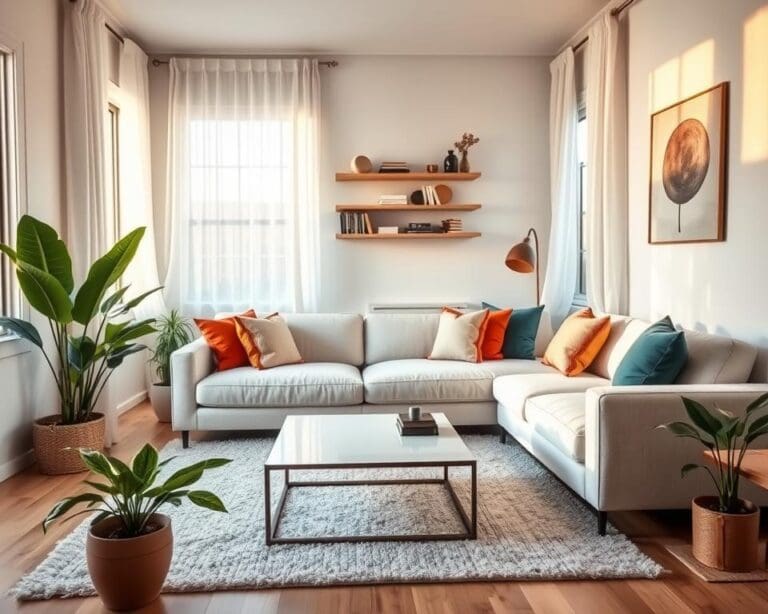
Select baskets, ceramic jars and decorative boxes to hold everyday items while enhancing décor. Natural fibre options like seagrass and rattan introduce warmth and texture and are sold by retailers such as John Lewis and Dunelm.
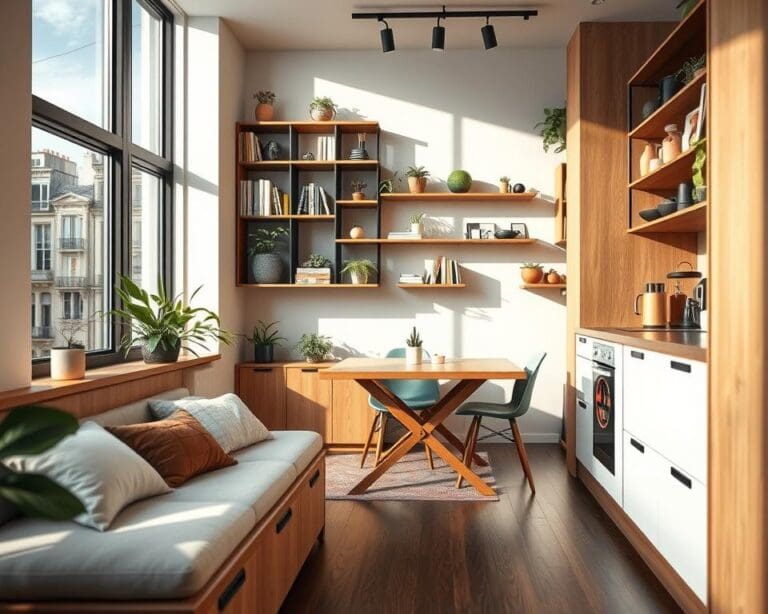
Open shelving lets you mix books, art and storage boxes so shelving tells a visual story. Rotate items seasonally to avoid visual clutter and keep displays fresh.
Choose statement furniture with hidden compartments: console tables with drawers, coffee tables with shelving and decorative trunks provide concealed space and a focal point. Add shelf LEDs or uplighting in cupboards to highlight contents and make finding things easier.
Organisational tips, maintenance and storage on a budget
Start with simple organisation tips that you can keep up. Label boxes and shelves, use matching containers to reduce visual clutter, and set a daily ten-minute tidy routine. Small habits prevent the need for big clear-outs and make decluttering far less daunting.
Adopt a zoned approach and review it every three months to reflect seasonal changes. Rotate clothing, sports kit and bedding with the British seasons and use modular systems such as stackable crates, interlocking cubes and modular shelving so your storage grows with you. Add modest smart-home tech like Philips Hue cupboard lighting or motion-sensor LEDs to improve usability without large expense.
Good storage maintenance protects your investment. Clean and inspect concealed spaces to avoid dust, damp and pests; store textiles in breathable cotton bags or vacuum-seal bags rather than plastic sheeting. Check moving parts — drawers, hinges and gas-lifts — annually and lubricate or tighten them. Keep an inventory of valuables and important documents in a fireproof document box or secure cloud service.
For budget storage, mix second-hand finds with low-cost solutions. Charity shops, Facebook Marketplace and Gumtree often have multipurpose furniture you can refurbish. Use IKEA inserts, B&Q fittings and Wilko organisers for low-cost storage solutions, and repurpose everyday items like shoe organisers for toiletries. Prioritise higher-quality purchases for high-use pieces, plan measurements carefully, and respect landlord rules when fitting anything permanent.