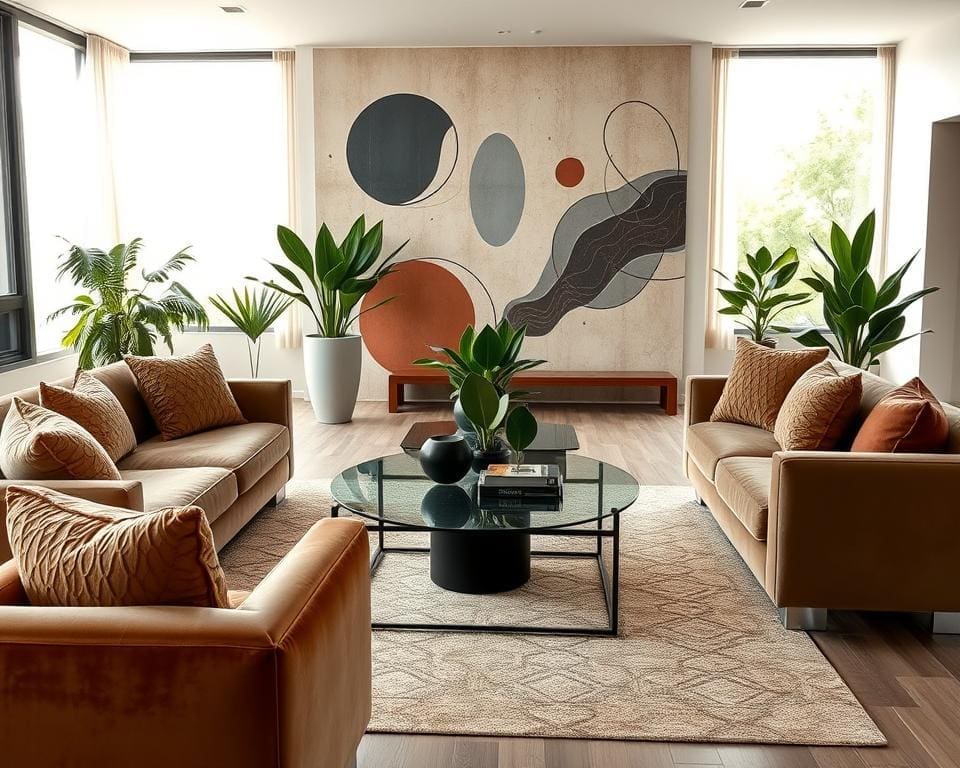
As you plan updates for your home, 2026 interior trends point to three clear movements that will shape UK home styling. Sustainable interiors are no longer niche; mainstream titles such as Elle Decoration and House & Garden, together with guidance from the British Institute of Interior Design, report rising demand for eco-friendly materials and tactile textures.
At the same time, contemporary home decor is being influenced by tech you barely notice. Ofcom and the Energy Saving Trust show growing adoption of smart devices and energy-efficient systems, so discreet smart living — from intelligent heating controls to subtle voice activation — will matter when you choose fittings and finishes.
Finally, there is a return to craft and local makers. Growth on marketplaces like Etsy and Folksy, alongside Craft Council UK initiatives, means bespoke pieces and British-made goods are rising in value. This shift favours personal expression over uniform looks and helps you curate interiors that feel uniquely yours.
Read on and you will find practical sourcing tips, care advice for eco materials, ideas to integrate smart tech without compromising style, and ways to showcase craft and local influences in compact UK homes. These sections will help you apply leading home decor trends to your own rooms with confidence.
home decor trends for 2026: materials, palettes and sustainable choices
You will find 2026 moving towards slower design and considered choices. Sustainable materials take centre stage, bringing warmth, longevity and a smaller carbon footprint to everyday rooms. This section breaks down practical options, colour direction and simple ways to use texture layering to create tactile interiors that feel relaxed and intentional.
Natural and sustainable materials
Choose reclaimed timber for floors, shelving and joinery to reduce embodied carbon and enjoy a unique patina that tells a story. When treated with natural oils or waxes and maintained with regular re‑oiling, reclaimed timber lasts for decades and needs fewer replacements than new, low‑grade boards.
Cork flooring UK is a strong option for kitchens and hallways because cork is renewable, insulating and naturally resilient. Follow manufacturer guidance, avoid excessive water and use protective finishes where needed to keep cork looking fresh.
Natural fibre textiles such as linen, hemp and wool offer breathability and biodegradability. Launder linens and wool on gentle cycles, air items to refresh them and use washable cushion covers to extend life. Look for GOTS certification for textiles and FSC or PEFC labelling for timber when you request provenance.
Colour palettes and finishes defining the year
Expect 2026 colour trends to favour earth tone palettes and muted pastels with confident accents. Use terracotta, clay and moss as calming neutrals, add dusty blue or sage as secondary layers, then introduce indigo or burnt orange as a sparing accent.
Apply a three‑tone rule for coherent colour combinations: a primary neutral base, a secondary tonal layer and one bold accent. Try warm clay walls with sage upholstery and indigo cushions, or soft blush seating against cool grey walls with brass fittings.
Choose matte paint finish for ceilings, textured walls and living rooms where you want to soften light and mask imperfections. Reserve satin for kitchens, bathrooms and joinery where wipeability and slight sheen help highlight form. The satin vs matte decision should weigh look against practical maintenance.
Texture and layering for tactile interiors
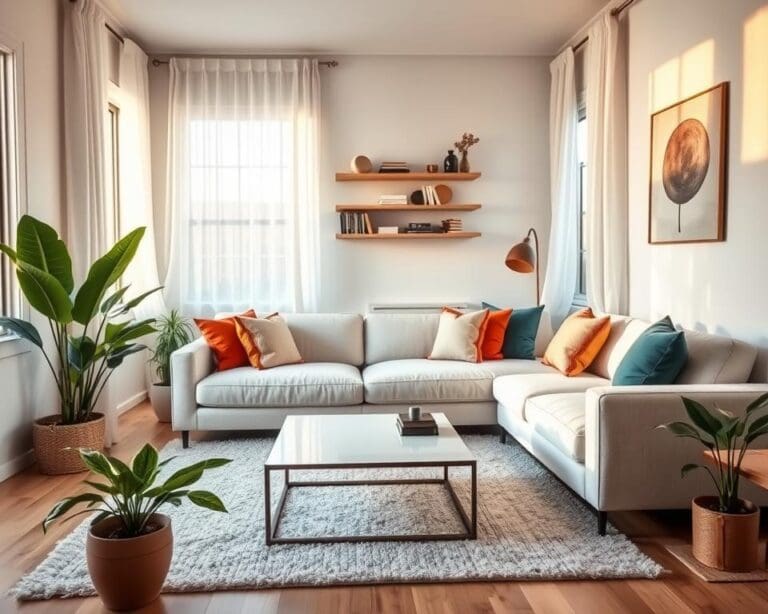
With quieter colourways and eco-friendly home materials, texture becomes the tool that adds depth. Build tactile interiors with natural fibre throws, chunky wool rugs and wall treatments such as grasscloth or limewash to create a lived‑in atmosphere without excess ornament.
Use rugs and wall treatments to anchor seating and define zones. Opt for low‑pile wool or wool‑blend rugs that suit UK climates and are easier to maintain. Layer rugs sparingly and choose washable covers for high‑use cushions to keep rooms resilient.
Mixing textures without clutter works when you limit dominant textures to three per room and repeat them across spaces. Balance chunky textiles with smooth surfaces like lacquered tables or glass to avoid visual overload. Select one focal textured object per zone to keep the composition calm and purposeful.
- Look for FSC, PEFC and GOTS labels and request environmental product declarations when possible.
- Sourcing in the UK: visit local reclamation yards for timber, buy certified cork suppliers and check sustainability pages of retailers such as Neptune and John Lewis.
- Care tips: oil reclaimed wood periodically, follow cork care instructions, vacuum rugs, treat spills quickly and rotate soft furnishings to even wear.
Smart living and multifunctional design for modern homes
Smart living in 2026 blends technology with considered interiors so your home feels calm and intentional. The focus is on discreet smart devices that sit within a room rather than dominate it. You will see matte black, brushed brass and white finishes matched across fittings to create a unified look while voice-activated systems remain available when you need hands-free control.
Integrating smart technology with style
Your choices should favour open standards such as Matter for future-proofing and simple updates. Pick smart lighting UK options like Philips Hue or LIFX for tunable colour temperature, and smart thermostats such as Google Nest or Hive to manage zoned heating. Use energy‑saving home controls with schedules, geofencing and motion sensors to cut bills and follow Energy Saving Trust guidance.
Plan networks early. A gigabit router and wired backhaul will support many devices and avoid weak spots. For a streamlined look, choose recessed fittings, in-ceiling speakers and concealed voice assistants inside furniture or trimless speakers. Professional installers help ensure compliance with UK building regulations for security and heating systems.
Flexible and multifunctional furniture
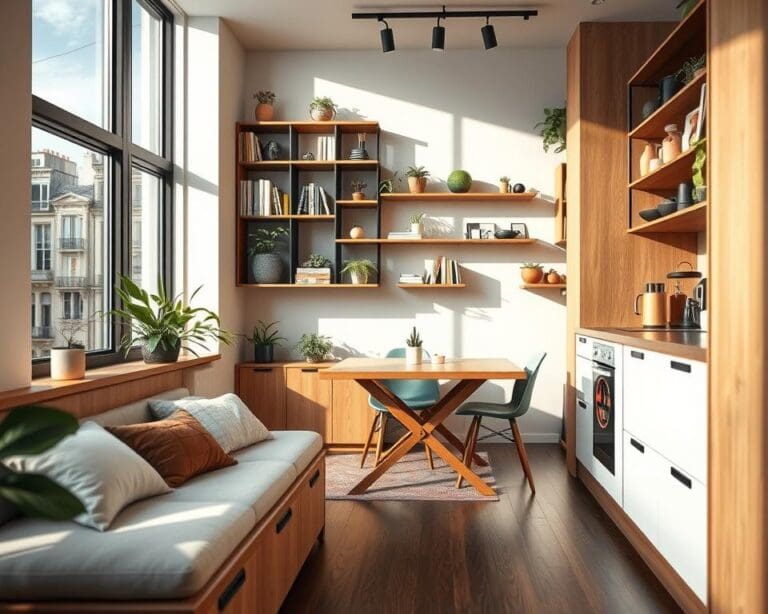
Space-saving furniture transforms compact living solutions into comfortable homes. Look for solid hardwood frames and tested metal hardware when buying convertible furniture UK or modular sofas. Which? reports and retailer specifications highlight durability, so try mechanisms in store to check smoothness and noise.
Examples to consider include wall beds, extendable dining tables that seat two to eight, nesting tables and ottomans with storage. For mechanisms, prefer soft-close runners and mortise‑and‑tenon or dowelled joints over staples. Convertible pieces should include clear dimension guidance so you can ensure clearance for movement and doorways.
Designing adaptable spaces for remote work and leisure
Home office design in small flats must fold into daily life. Choose a foldaway work nook with recessed desks, sliding doors or slimline desks that tuck into cabinetry. A desk surface that doubles as a console table keeps a living room uncluttered when you finish work.
Acoustic solutions UK improve concentration. Use acoustic panelling, heavy curtains, rugs and bookcases as diffusers. Portable screens and felt panels from reputable UK suppliers provide quick sound control. These measures help create an ergonomic home workspace that supports posture and comfort.
Balance ergonomics with aesthetics by specifying adjustable monitor height, a chair with lumbar support and appropriate desk height of about 72–76 cm. Sit‑stand desks are a useful option. Use cable management and furniture on castors to enable quick reconfiguration between work and social use.
Personal expression, craft revival and local influences
Handmade home decor and bespoke furniture UK are rising because you can own a singular piece that tells your story. A hand‑crafted table or locally made ceramic brings a narrative into everyday life, supports British makers and cuts the environmental footprint compared with mass production. When you commission furniture, define the brief — function, dimensions and style — set a realistic budget, request portfolios and references, agree materials and finishes, and sign a clear contract that covers lead times, deposit and delivery terms.
H3: Personal expression through craft and bespoke pieces
Mix artisan work with contemporary design by choosing one or two focal handmade pieces, such as a crafted coffee table or hand‑woven rug, and then balance proportion and scale. Repeat materials or colours to create cohesion and use storage to avoid clutter so each object reads clearly. For practical sourcing, look to the Crafts Council, Made in the UK networks and reputable British furniture studios when you commission furniture or seek ethical sourcing guidance.
H3: Global motifs and British reinterpretation
British designers are reinterpreting global design influences by pairing heritage patterns UK with modern silhouettes. Think a William Morris textile on a Scandinavian‑inspired armchair or reclaimed Indian brass as sculptural accents. Respectful use means researching provenance, collaborating with makers from origin communities and choosing fair‑trade suppliers to prevent cultural appropriation. Museums and academic guidance can help you verify origins and ethical display practices for cultural motifs in interiors.
H3: Curating collections, seasonal refreshes and styling with restraint
When you display collections, favour vignettes over crowded shelves and use a consistent shelf colour or framing for unity. Styling collections works best when you edit ruthlessly: limit items per surface, group objects in odd numbers and vary heights to create rhythm. For a seasonal home refresh, swap textiles, rotate artwork and introduce foliage; these low‑cost updates keep the look current while preserving investment pieces and helping you avoid clutter.
Bring together sustainability, smart design and craft to make a home that feels contemporary and personal. Prioritise provenance, quality and functionality, and use UK home styling tips to showcase personality without overwhelming your space. The result will be interiors that celebrate British makers, thoughtful ethical sourcing and cultural richness while remaining calm and usable.