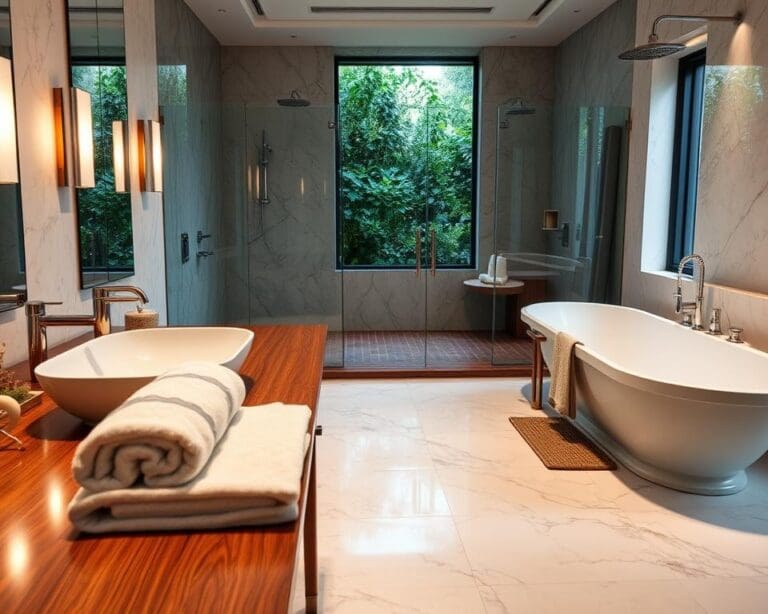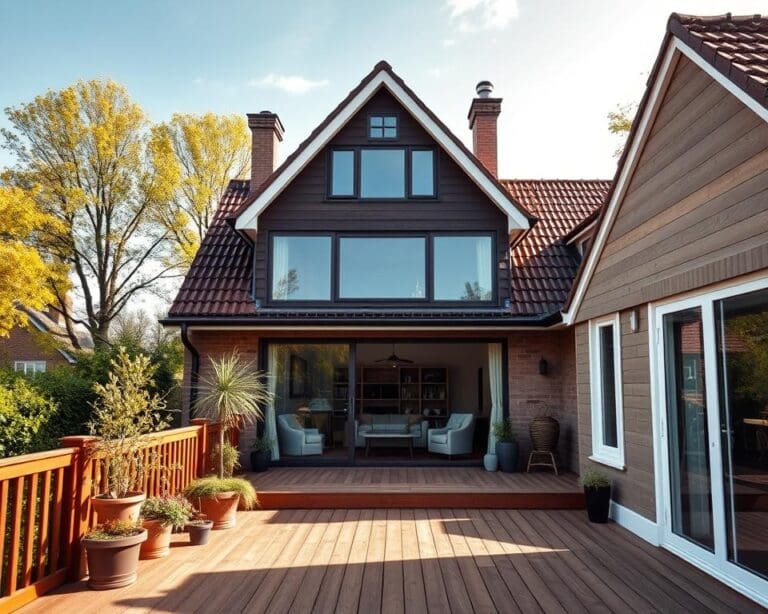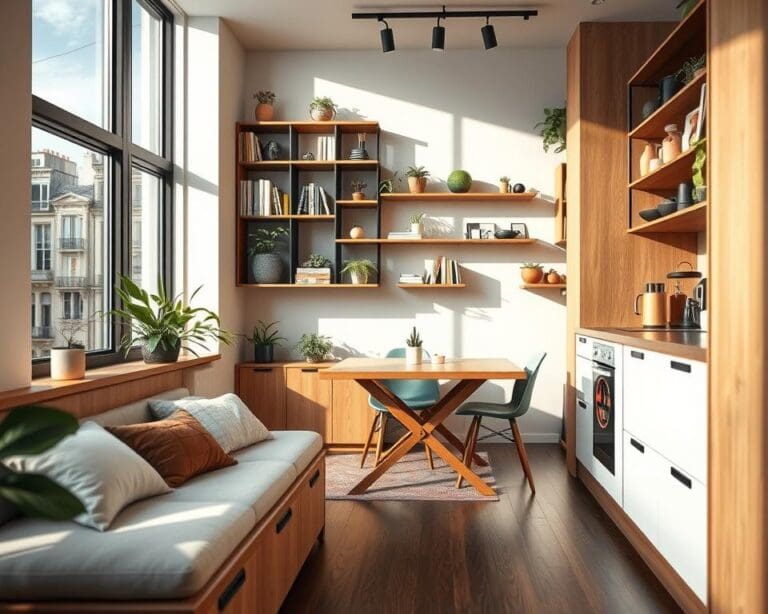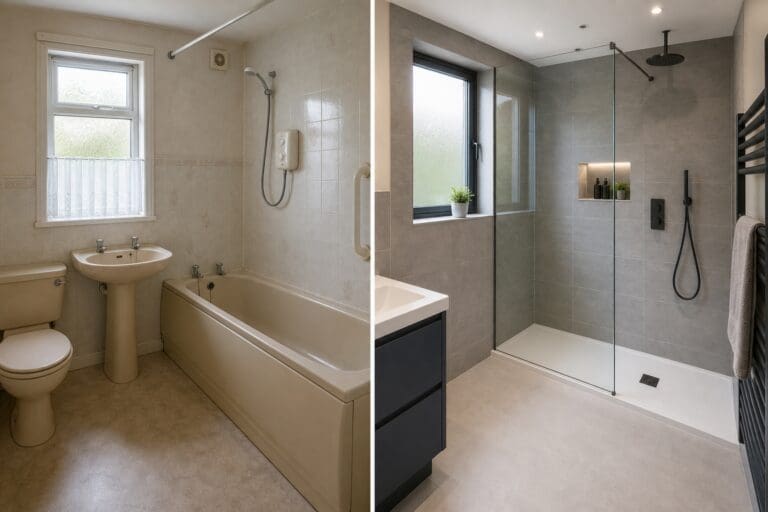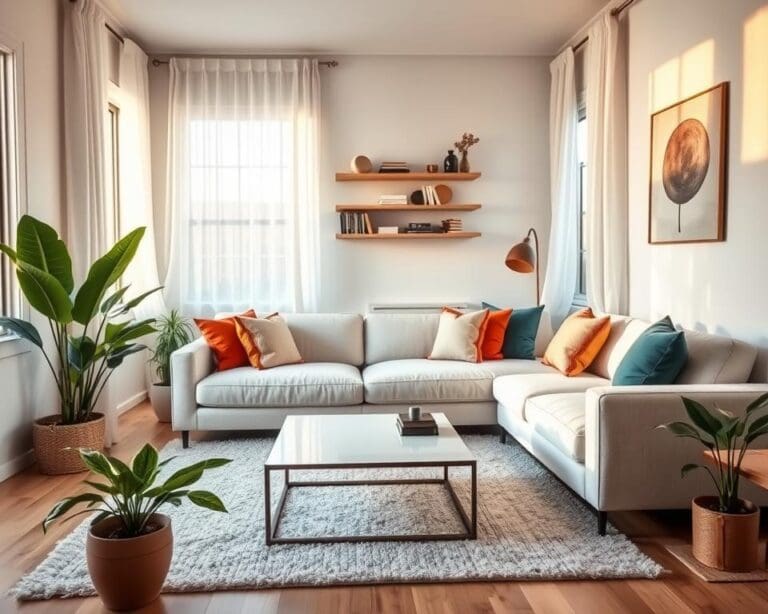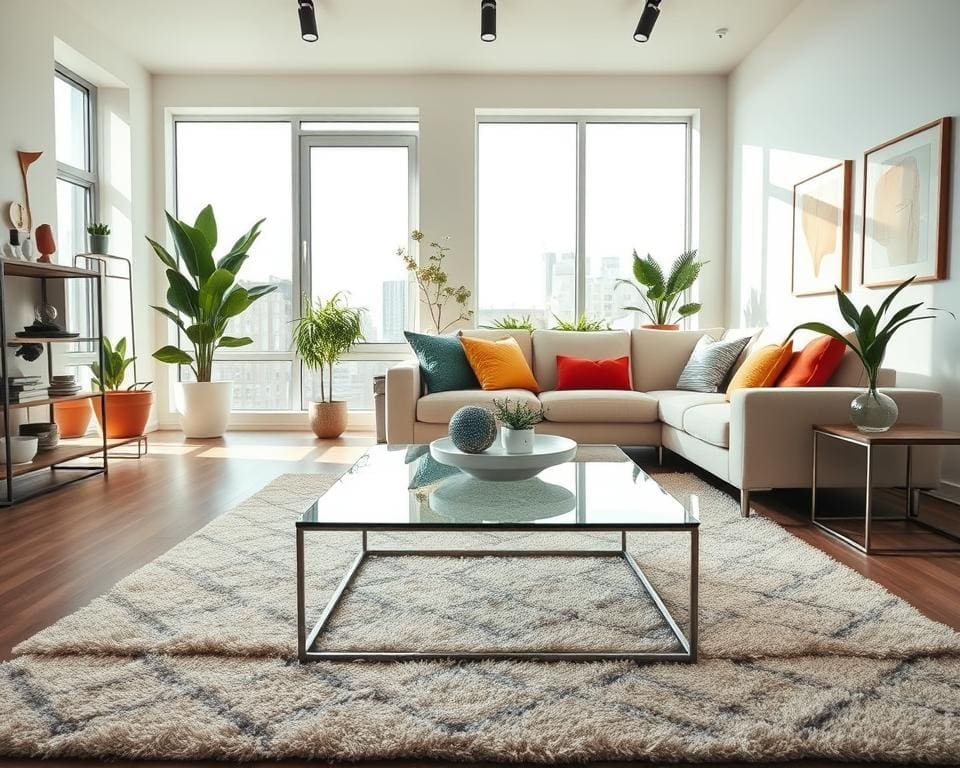
This article introduces the interior design trends that are shaping contemporary homes across the United Kingdom. It is a practical, trend-led guide for homeowners, renters and anyone wanting contemporary interior ideas that suit modern life.
In a UK home design context, “contemporary” means more than a single look. It blends current aesthetics, adaptable layouts and sustainable choices so rooms work for work-from-home days, family life and wellbeing routines.
Lifestyle shifts — from remote working to a greater focus on climate awareness — are driving modern interior trends. You will see this in material choices, emphasis on natural light and flexible, multipurpose spaces that make small rooms perform better.
The article is built around three core pillars: sustainable and biophilic design, colour, texture and material trends, and practical strategies including technology integration. Later sections give actionable tips, sourcing guidance and notes tailored to UK conditions such as light levels, typical room sizes and local suppliers or regulations.
Use the piece as a decision tool: identify which trends suit your home, combine ideas across sections — for example pairing melange textures with energy-efficient smart lighting — and focus on small, high-impact changes first.
When sourcing materials or appliances, look for British Standards (BS), advice from the BRE (Building Research Establishment) and recognised ecolabels like FSC, PEFC and equivalent EU ecolabels used in the UK market.
If you are budget-conscious, consider upcycling and buying from British retailers and makers. Invest in long-lasting furniture and quality finishes, and save on accessories and soft furnishings to get the best value from contemporary homes updates.
interior design trends shaping contemporary UK homes
Your home can be kinder to the planet while feeling warm and modern. Choosing sustainable materials reduces environmental impact and improves indoor air quality. You gain long-term value from durable finishes that outlast fast replacements and support UK sustainable design goals.
Sustainable and eco-conscious materials
Start with reclaimed wood for floors, beams or cabinetry to add character and carbon savings. You can source timber from specialist salvage yards, English Heritage salvage operations or independent timber merchants. Check for FSC timber or PEFC certification to verify chain of custody.
Cork flooring offers renewable, insulating and resilient qualities. It works well in living areas and under some underfloor heating systems; ask suppliers about compatibility before you fit. Low-VOC paint and water-based finishes cut solvent fumes and improve indoor air quality. Brands such as Farrow & Ball and Dulux Trade list low-odour ranges you can find in UK stockists.
Choose natural and recycled textiles like organic cotton, hemp, wool or post-consumer recycled polyester for upholstery and soft furnishings. For joinery, engineered timber and certified plywood perform better in the UK’s variable humidity. Look for E0/E1 formaldehyde ratings on boards to reduce emissions.
To check responsibly sourced products, look for FSC, PEFC or Cradle to Cradle marks. Request Environmental Product Declarations or MSDS from suppliers when available. Buying local from UK makers reduces embodied carbon and supports smaller workshops.
Maintain reclaimed timber with appropriate oils and avoid harsh chemical cleaners. Seal cork flooring and follow supplier care advice. Investing in repairable fittings often costs less over a building lifecycle than repeated replacements.
Biophilic design and natural light
Biophilic design means bringing nature into your home through plants, natural materials and daylight. You will see health benefits from improved mood, reduced stress and better sleep when natural light and green elements are part of interiors.
Indoor plants such as Monstera, Ficus lyrata, Sansevieria and Pilea thrive in many UK homes. Choose low-light species for north-facing rooms. Living walls and modular green systems add visual impact but need structural planning, irrigation and moisture-proofing; use reputable UK installers for these installations.
Use daylighting strategies like sheer curtains, translucent blinds and well-placed mirrors to amplify natural light. Place high-use areas and workspaces where daylight is strongest. Consider rooflights or slimline glazing options that balance thermal performance with clear views.
Double- or triple-glazing choices should balance visual access and thermal efficiency. Keep ventilation and humidity control in mind when you add plants or living walls, as mechanical ventilation complements biophilic elements.
Flexible, multipurpose spaces
Homes must adapt to remote working design, multigenerational living and compact urban footprints. Design adaptable interiors that switch easily between uses to make the most of limited square metres.
Choose flexible furniture such as modular sofas, extendable tables, foldaway desks and wall-mounted desktops. Many UK and European brands offer modular systems; local joiners can deliver bespoke fitted solutions if you prefer made-to-measure options.
Smart storage furniture like ottomans with storage, daybeds with drawers and convertible beds keep multipurpose rooms tidy. Use zoning with rugs, lighting and open shelving to define different activities without building new walls.
Plan for ergonomics in home-work setups: aim for correct desk heights, supportive chairs and screen positions to avoid strain. Position power outlets and network points to support changing layouts. Pick hard-wearing textiles and scratch-resistant surfaces to tolerate frequent reconfiguration.
Colour, texture and material trends to update your interior
Choose a UK interior palette that balances current colour trends with lasting appeal. Warm neutrals and earthy tones form a calm backdrop for living spaces, while muted jewel shades can lift a room when used sparingly. Use accent colours for painted trims, a single feature wall or a statement armchair to introduce contrast without overwhelming the scheme.
Pick paints from trusted British brands such as Farrow & Ball, Little Greene or Dulux and test large painted areas at different times of day. North- and east-facing rooms tend to benefit from warmer neutrals to offset cool light. South- and west-facing rooms can take richer, deeper hues that read well in bright daylight.
On-trend colour palettes for contemporary interiors
Start with soft beiges, warm greys, terracotta and ochre as your base. Layer muted jewel shades like teal, deep olive and aubergine as focal notes. For bedrooms choose calming palettes; for kitchens opt for invigorating accents; for open-plan living keep a flexible mix that ties cabinetry, soft furnishings and flooring together.
Texture layering and tactile surfaces
Texture layering gives depth where colour schemes remain restrained. Begin with fixed finishes—walls and floors—then add large textiles and smaller accessories. Combine boucle and velvet upholstery with natural stone or terrazzo surfaces to create contrast between soft and hard tactile surfaces.
Choose engineered timber for resilience in UK climates and decide between oils or lacquers for finish. Terrazzo is back as a versatile option for flooring and splashbacks. For soft furnishings seek sustainable fibres such as Tencel or organic cotton and follow care guidance: vacuum boucle and book professional cleaning for velvet when needed.
Metallics and brass revival
Metallic accents remain popular as small focal points. Contemporary brass and antique-brass tones add warmth and a sense of crafted luxury. Use metal finishes on light fittings, door hardware and taps rather than covering large surfaces to avoid visual clutter.
Mix metals with care: keep one metal dominant and introduce others as accents. Pair warm brass with blackened steel or satin brass with brushed nickel for a curated look. For metal maintenance use mild soap, water and a microfibre cloth; choose lacquered brass where low upkeep is a priority, or unlacquered brass if you prefer a natural patina.
Source fittings and bespoke textiles from reputable UK suppliers and consider reclaimed materials for lower impact and added character. This approach ties colour, texture and materials into cohesive rooms that feel contemporary and lived in.
Practical design strategies and technology integration
Smart home tech can simplify daily life while cutting bills and boosting security if you plan it carefully. Choose a primary ecosystem—HomeKit, Google Home or Alexa—to keep voice-activated lighting, smart heating and other devices working smoothly. Fit energy-saving devices such as Nest or Hive thermostats, smart radiator valves and smart plugs to monitor use and create real savings tailored to UK homes.
Discreet installation keeps interiors uncluttered. Use flush-mounted panels, hide wiring in bespoke shelving or use built-in storage and hidden storage solutions like under-stair cupboards and bench seating with compartments. Bespoke joinery maximises awkward spaces and provides cable management for media and chargers, while kitchen- and bathroom-rated boards resist moisture in humid rooms.
Decluttering tips that really work include seasonal editing, a one-in-one-out rule for soft furnishings and simple systems for paperwork and digital files. Combine minimalist storage solutions with attractive containers—labelled woven baskets or lidded ceramic boxes—so everyday items stay accessible but out of sight. Curate surfaces with a few meaningful objects and keep negative space to maintain a calm, purposeful look.
Layered lighting is central to UK lighting design: ambient lighting for overall mood, task lighting for cooking and reading, and accent lighting to highlight art or texture. Choose LED sources with dimming, pick light fittings that match your finishes, and use warmer temperatures (2700–3000K) in living areas and cooler light for work zones. Position switches and dimmers for convenience and consult a qualified electrician for mains work to ensure compliance with UK regulations.