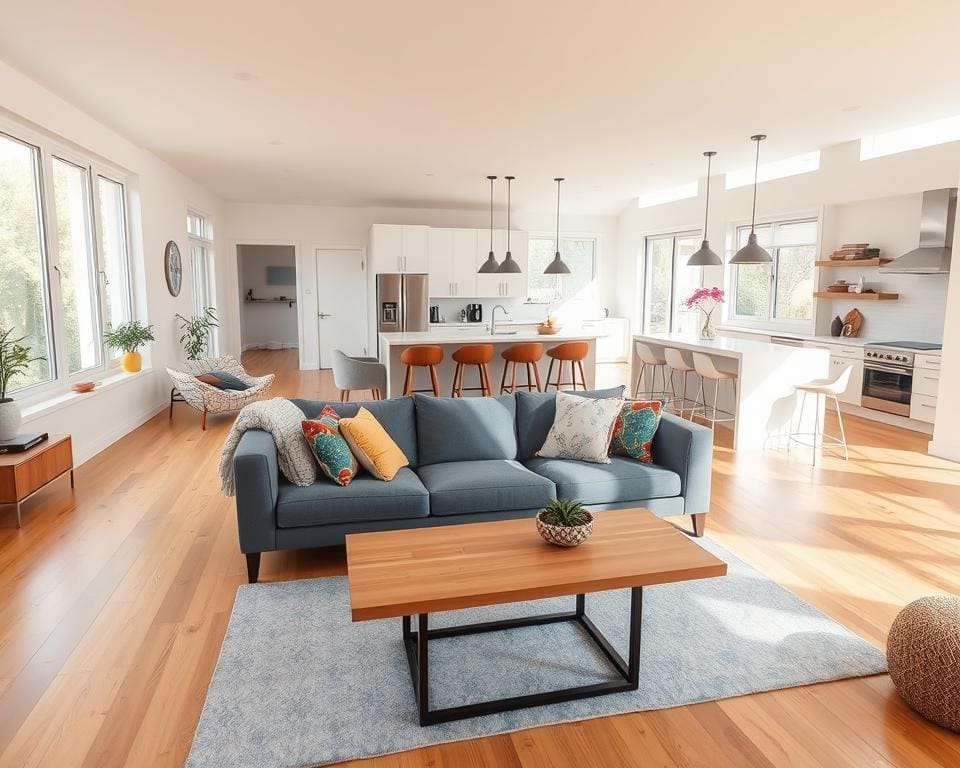
Open living spaces usually mean removing or reducing internal walls to join the kitchen, dining area and lounge into a single flowing zone. This can range from full open-plan living in loft-style apartments to partial solutions such as breakfast bars, half-walls or glazed partitions that keep sightlines while defining separate functions.
The shift to open-plan design has deep roots. Victorian houses were highly compartmentalised, but mid-20th-century Modernist architects and post-war housing needs encouraged looser, more flexible layouts. Over time, changes in how you eat, work and socialise — from informal dining to remote working — have made open-plan living a natural choice for many families.
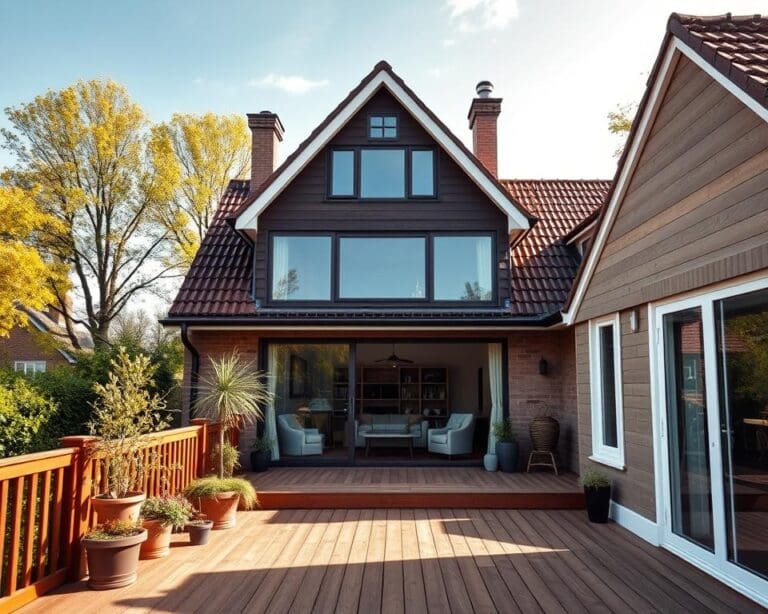
In the UK, developers and homeowners often favour contemporary home layouts when planning extensions, loft conversions or renovations. Typical projects include rear extensions that replace separate kitchen and dining rooms and conversions that create a living-dining-kitchen hub. These changes respond to daily life and to buyer demand within UK home design trends.
Practical reasons also drive the trend. Open-plan design can make smaller rooms feel larger, improve circulation and sightlines for children, support social cooking and entertaining, and allow you to blend work and leisure in one adaptable space. In short, open living spaces combine style with function.
This article will show how open-plan living enhances both the look and usability of your home, helping you create a harmonious environment that fits your routine and enhances resale appeal.
open living spaces: benefits for modern family life
An open-plan home can change how you and your family use everyday rooms. The benefits of open living spaces extend beyond style. You gain flexible home layouts that bend to your needs, social spaces at home that encourage interaction, and better natural light open-plan designs that lift mood and sightlines.
Enhanced social interaction and togetherness
When walls come down, conversation flows more easily. A family living open plan lets you cook while helping with homework or chat with guests without feeling cut off. That ease of contact improves supervision of children and supports stronger family cohesion during routines such as mealtimes and evenings.
Designers and sociologists note that open arrangements promote informal living patterns. Making meal preparation part of shared time turns chores into social moments and creates a warmer, more inclusive atmosphere for entertaining.
Flexible use of space for work and leisure
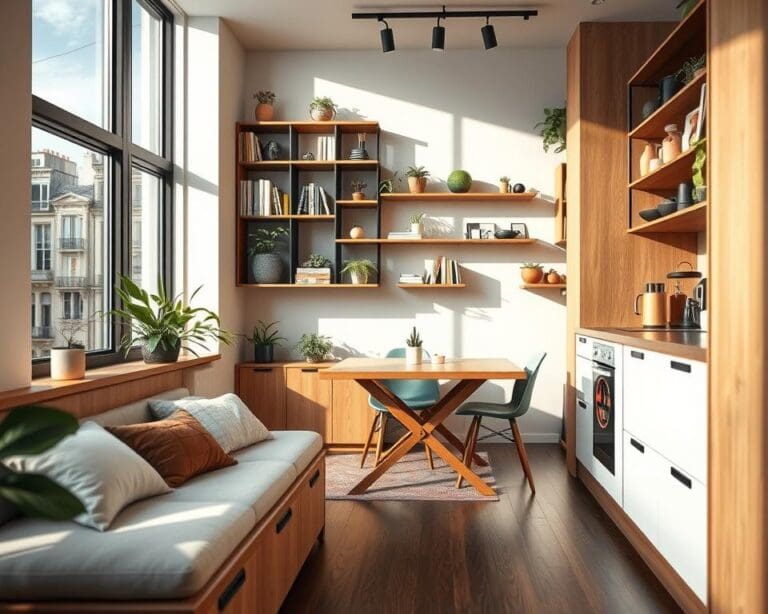
Flexible home layouts make an open living space adaptable for work, play and rest. You can set up a desk in a corner, use a kitchen island as a temporary workstation, or carve out a small exercise zone without structural changes. Multi-purpose furniture such as foldaway desks, extendable tables and modular seating helps you switch functions quickly.
With more people working from home across the UK, family living open plan designs offer visibility and oversight while letting you define distinct activity zones through furniture and lighting choices.
Improved natural light and sense of space
Removing internal partitions lets daylight travel further into the house. Natural light open-plan layouts reduce dark corridors and make rooms feel larger and more inviting. This visual openness eases feelings of confinement in smaller urban homes.
To amplify light and space, consider glazed doors, skylights, large rear-extension glazing and continuous floor finishes that create seamless sightlines. These architectural touches boost wellbeing by supporting circadian rhythms and lifting mood.
Design strategies to make open living spaces work for your home
Open-plan design strategies help you shape a single space into clear, usable zones while keeping a feeling of flow. Start with simple moves that define function without adding walls. Small changes can improve daily life and keep the room flexible.
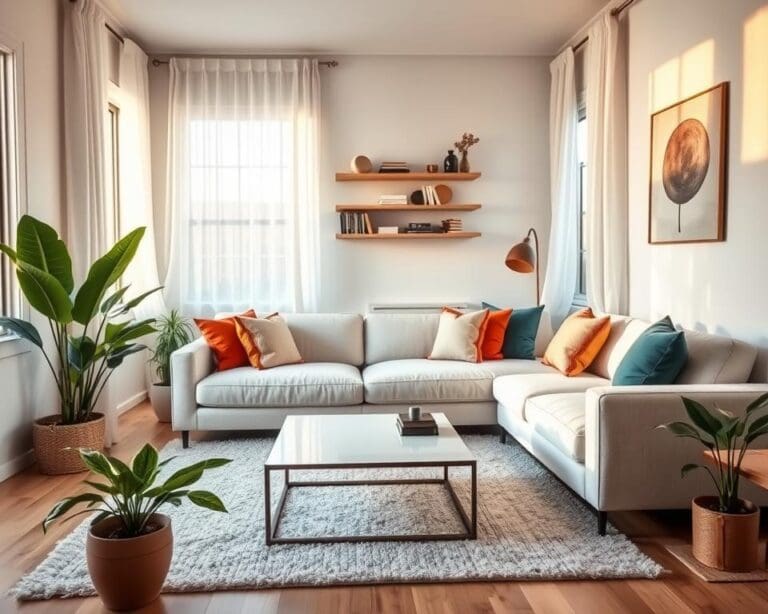
Use furniture, rugs and lighting to create distinct areas. Arrange sofas back-to-back or use tall bookshelves as visual barriers to form a living area. Place an area rug beneath a dining table to mark the eating zone. Pendant lights above a kitchen island signal a workspace. Aim for sightline management and clear circulation routes, leaving at least 80–90cm for walkways. Choose scalable furniture from IKEA modular systems or statement pieces from Heal’s and Habitat to adapt layouts as needs change.
Zoning with furniture, rugs and lighting
Layer your lighting for mood and function. Combine ambient ceiling lights with task lamps and directional spotlights to highlight each zone. Fit dimmers to shift atmosphere from bright daytime work to softer evening relaxation. Use rugs and different floor lamps to anchor each area without interrupting the visual flow.
Acoustic and privacy considerations
Open spaces carry sound easily. That can disrupt calls, study time and sleep. Add soft furnishings such as curtains and upholstered sofas to absorb noise. Acoustic panels and ceiling treatments reduce echo in larger volumes.
Bookcases placed as partitions offer both storage and sound damping. Screens, sliding glazed doors or pocket doors give temporary privacy for bedrooms or home offices. Indoor planting creates living screens that soften sightlines. For practical systems, consider acoustic products from British suppliers and bespoke solutions from local carpenters.
Think about mechanical comforts too. Separate heating zones and targeted extractor or ventilation strategies help control odours and thermal comfort across an open-plan layout.
Coherent colour, texture and storage solutions
Pick coherent colour schemes open-plan to tie the whole space together. Use a unified palette across zones and add accent colours to signal different functions. Keep contrast gentle so the eye moves easily from one area to the next.
Use consistent flooring such as engineered timber or large-format tiles to maintain continuity. Introduce texture with throws, cushions and woven rugs to add depth and help damp sound.
Prioritise storage for open living with integrated cupboards, under-stair drawers and kitchen island cabinetry to hide clutter. Bespoke joinery from a local carpenter keeps lines clean. Ready-made systems from John Lewis, B&Q or IKEA work well when you need pragmatic, budget-friendly options.
Why open living spaces remain popular with buyers and designers
If you are weighing up layout choices, consider how why open living spaces popular translates into measurable market value. Estate agents across the UK regularly highlight open-plan kitchens and living areas when marketing homes because they signal modernity and adaptability. Open-plan market demand is strongest among young families and professionals who want light, flexible rooms that work for daily life and entertaining.
Buyer preferences open-plan vary by location. In city apartments you will often see buyers prioritising bright, efficient spaces that make the most of limited square metreage. In suburban areas purchasers typically favour family-friendly open layouts that balance practicality with style, such as a kitchen island that doubles as a homework station. These trends keep open-plan market demand consistently high in property listings and surveys.
Interior designers open-plan champion these layouts for creative reasons as well as practical ones. Designers and architects use open plans to exploit proportion, daylight and material contrasts so features like islands, staircases or feature lighting become focal points. Current influences include sustainability, biophilic elements and multi-generational living, all of which benefit from communal, flexible areas that can be adapted over time.
For long-term appeal, plan for adaptability. You can future-proof an open space with movable partitions, plug-and-play wiring for evolving tech, and considered storage and acoustic solutions. When you design thoughtfully, open living spaces enhance lifestyle, maximise natural light and retain strong resale appeal — making them a sound choice for many buyers in the UK.