You are seeing a shift in how houses are planned, built and used across the UK. Sustainable living now shapes modern home design by making energy efficiency, material choices and occupant behaviour central to every decision.
This article explains how sustainable architecture and eco-friendly homes influence what you can expect when buying, renovating or specifying a property. It covers the role of technology, low-impact materials and changing regulations such as Part L of the Building Regulations.
Adopting these ideas can cut energy bills, improve indoor air quality and increase resilience to climate impacts. Major developers like Barratt Developments and Berkeley Group are already promoting green homes UK, and standards from Passivhaus to BREEAM set clear benchmarks for performance.
Across the following sections you will find practical design strategies, interior solutions and the planning and policy factors that matter when aligning your home with sustainable living principles.
sustainable living and its influence on contemporary homes
Understanding the definition of sustainable living helps you judge design choices and long-term costs. In home design, sustainable living means reducing operational and embodied carbon while improving health, comfort and resilience. You should weigh energy use, water demand, waste and biodiversity impact when assessing a property.
Defining sustainable living in the context of home design
The definition of sustainable living covers the whole life of a building. That includes materials, construction, daily energy use and what happens at end-of-life. You will see measures such as airtightness, ventilation strategies and low-emission finishes used to protect indoor air quality and lower running bills.
Key principles: energy efficiency, resource conservation and low-impact materials
Sustainable home principles centre on three aims. First, energy efficiency through insulation, efficient boilers or heat pumps, and smart controls to cut heating demand. Second, resource conservation via water-saving fixtures, waste reduction and reuse strategies that shrink household impact. Third, low-impact materials such as FSC timber, recycled bricks and low-carbon concrete alternatives assessed across their lifecycle.
Standards and tools help you judge performance. Passivhaus shows how to reach very low heating demand. SAP and EPCs give energy ratings in the UK. BREEAM and LETI provide guidance on reducing embodied carbon in construction choices.
How sustainable living shifts homeowner priorities and expectations
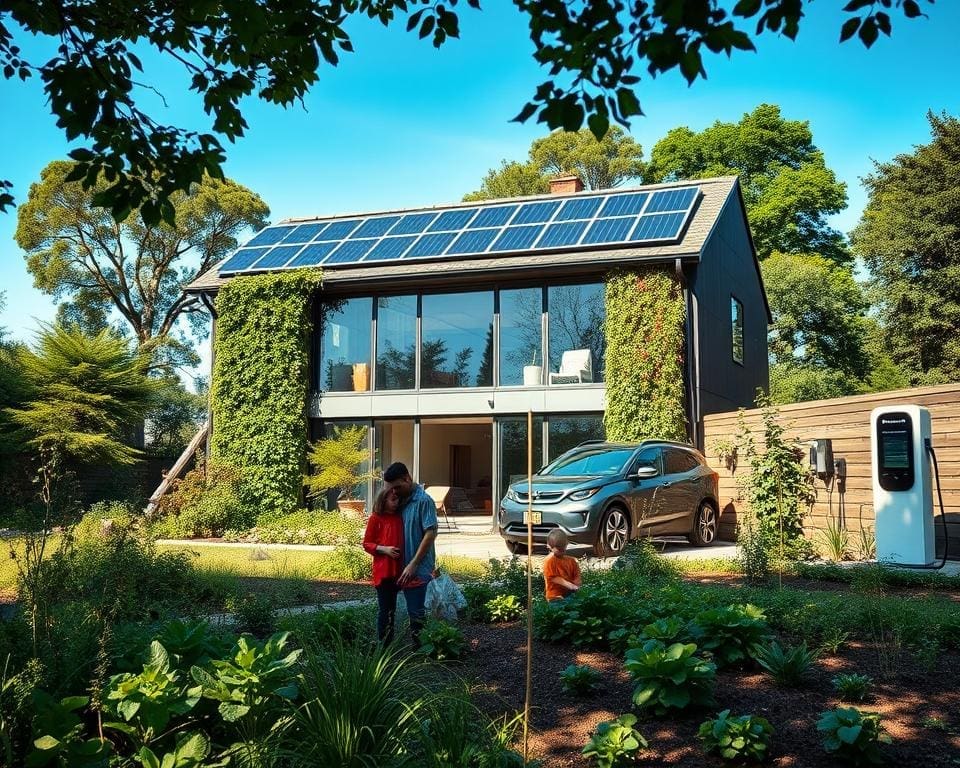
Buyers now expect lower running costs, better indoor air quality and flexible spaces that adapt to changing needs. Homeowner expectations UK include demand for solar PV, electric vehicle charging, heat pumps and home energy monitors to track use.
Design can nudge behaviour. Visible meters, simple controls and layouts that favour natural ventilation and daylighting encourage efficient heating and good ventilation habits. You will find developers offering energy-efficient packages and smart-home integrations to meet rising demand.
Design strategies that reduce environmental impact
You can cut a home’s carbon footprint by combining careful form, material choices and modern systems. Start by reducing the need for heat and cooling, then meet the remaining demand with low-carbon technologies and smart controls.
Passive design techniques to cut energy use
Orient your building to capture winter sun and provide summer shade. Position windows for daylighting and cross-ventilation to lower reliance on artificial light and mechanical cooling.
Use high levels of insulation in walls, roofs and floors and minimise thermal bridging at junctions. Airtight construction paired with mechanical ventilation with heat recovery (MVHR) preserves indoor air quality while keeping heat losses small.
Introduce thermal mass where appropriate, such as concrete or stone floors, to even out temperature swings. Aim for Passivhaus metrics as a benchmark; a space heating demand under 15 kWh/m²/yr shows you are on the right track.
Choosing low-embodied-carbon materials and responsible sourcing
Embodied carbon measures emissions released to make and deliver building materials. Concrete and steel often carry the highest burdens, so look for low-carbon concrete mixes and engineered timber like cross-laminated timber (CLT).
Reclaimed brick, recycled timber and natural insulation—sheep’s wool, recycled cellulose or hempcrete—cut embodied carbon while adding character. Use whole-life carbon assessments with tools such as One Click LCA to compare options.
Specify certified timber from FSC or PEFC and ask for BES 6001 evidence for responsible sourcing of products. These certifications help you avoid greenwashing and support transparent supply chains.
Incorporating renewable energy systems and smart controls
Fit rooftop solar PV and consider solar thermal where hot water demand is high. Add battery storage to increase self-consumption and resilience when the grid is stressed.
Replace gas boilers with air-source or ground-source heat pumps; pair them with underfloor heating for gentle, efficient distribution. In the UK, look into schemes such as the Smart Export Guarantee and current heat pump grants to offset costs.
Install smart home energy controls that coordinate generation, battery use and heating. Smart meters, time-of-use tariffs and zoning with occupancy sensors prevent energy waste and let you optimise systems such as heat pumps UK installations and EV chargers.
Detailing matters: avoid thermal bypass, commission MVHR and heat pump systems properly, and sequence passive measures with renewables. Reduce demand first, then supply the rest from low-carbon sources for the best environmental outcome.
Practical interior solutions for eco-friendly living
You can make your home greener with a few practical interior choices. Start by choosing finishes and furnishings that last, cut emissions and protect indoor air quality. Small changes add up over years.
Durable finishes and low-toxicity products
Pick long-life surfaces such as porcelain tiles, engineered timber or lime plaster to reduce future replacements. For walls and woodwork, select non-toxic paints with low-VOC or zero-VOC formulations; Farrow & Ball and Benjamin Moore offer water-based ranges suited to UK homes. Choose cork or natural-fibre carpets and hardwearing floor coverings to limit waste over time.
Sustainable and repairable furnishings
Prefer furniture made from sustainably sourced timber or reclaimed materials and look for FSC certification or clear sustainability reports. Opt for modular pieces that you can repair or reconfigure to extend service life. Eco-friendly furnishings that favour repairability lower lifetime environmental cost and keep your rooms flexible.
Water efficiency and greywater systems
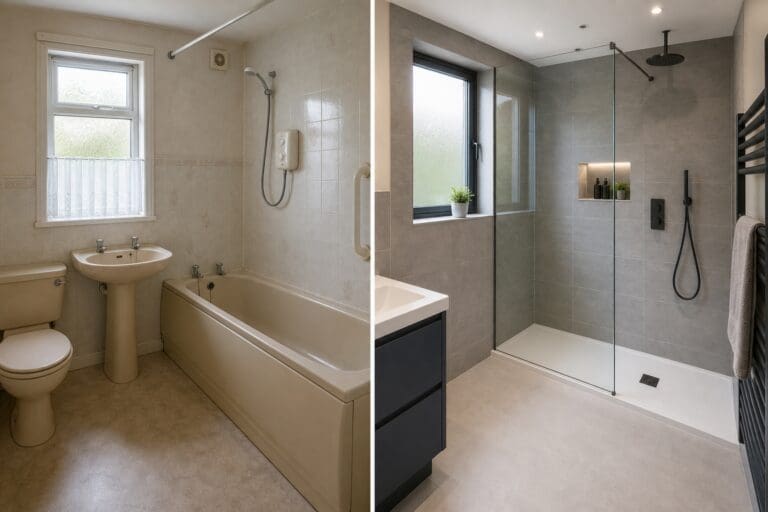
Fit water-saving fixtures such as dual-flush toilets, aerated taps and efficient showerheads to cut household water use. Consider thermostatic controls and mechanical heat recovery showers to avoid wasted hot water. For garden irrigation and toilet flushing, investigate greywater recycling and rainwater-harvesting systems that meet UK planning and building regulations.
Practical plumbing and maintenance
Plan installations with maintenance in mind. Simple access panels and clear service routes keep systems working and ensure compliance with local wastewater rules. Reducing mains demand can lower bills and ease pressure on municipal supplies.
Storage, layout and multipurpose spaces
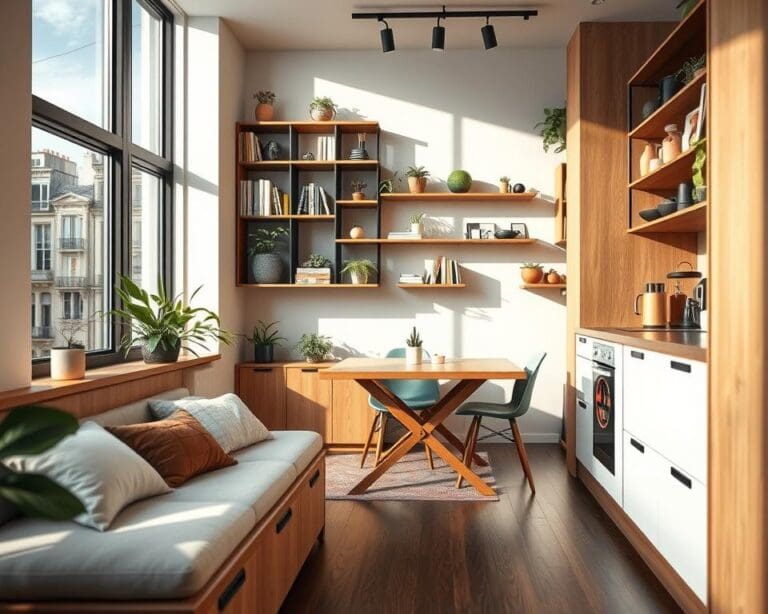
Design built-in storage and adopt space-saving layouts to cut the need for extra furniture and encourage mindful consumption. Use folding beds, extendable tables and integrated shelving to make rooms do more. Good zoning gives clear areas for recycling, composting and repair.
Shared resources and community options
Support communal areas in co-housing or shared flats to host dishwashers, laundry or tool libraries. Shared appliances reduce duplication and promote repair culture. You can save space and resources while strengthening neighbourly skills.
Health, comfort and ventilation
Select materials that control moisture and limit toxins to reduce mould risk. Use natural ventilation where possible and integrate MVHR in airtight builds for balanced air quality. Fit window treatments that manage glare and overheating to keep comfort without heavy energy use.
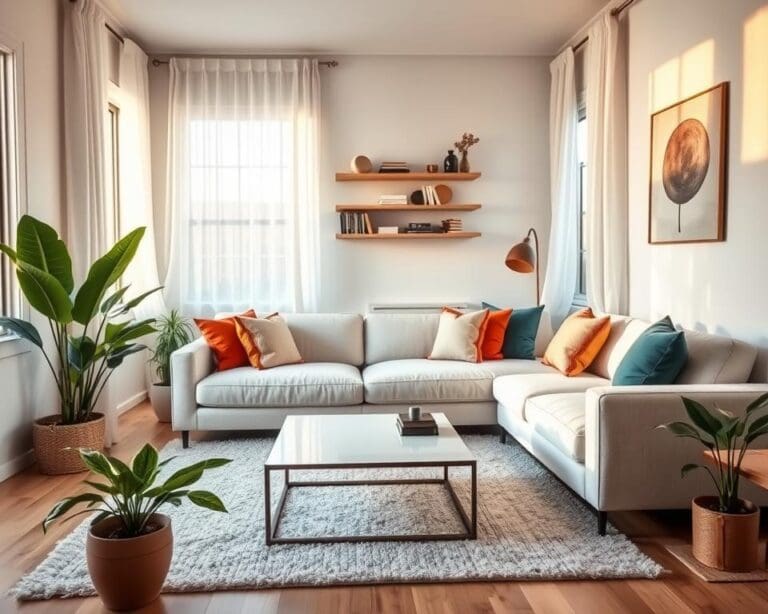
These interior steps help create sustainable interiors that feel comfortable and practical. Thoughtful choices in finishes, non-toxic paints, eco-friendly furnishings, water-saving fixtures, greywater recycling and space-saving layouts make low-consumption living easier to maintain.
Planning and policy factors shaping sustainable home design
You need to work within a framework of national and local rules that shape sustainable homes. Building Regulations UK requirements such as Part L for conservation of fuel and power and Part F for ventilation set minimum performance standards that affect insulation, airtightness and heating choices. Proposed measures under the Future Homes Standard push towards low-carbon heating and improved fabric efficiency, so designers and builders often plan to exceed baseline targets to avoid costly retrofits later.
Voluntary standards and market incentives also guide practical decisions. Passivhaus and BREEAM offer routes to low operational energy and broader sustainability, while EPCs remain a key metric used by lenders and buyers. Schemes like the Smart Export Guarantee for solar exports, council grants or interest-free retrofit loans in some areas, and historic incentives such as the Renewable Heat Incentive influence feasibility and payback. You will also feel financial pressure from running costs, mortgage products linked to energy performance and possible stamp duty considerations on high-efficiency homes.
Local planning authorities shape neighbourhood outcomes through Local Plans, design codes and net-zero targets. These tools can mandate biodiversity net gain, require Sustainable Drainage Systems (SuDS) for surface-water management and encourage district heating networks for higher-density developments. Heritage status can limit some retrofits, so you should expect negotiation and specialist input when upgrading older properties under these constraints.
Retrofitting existing stock is central to retrofit policies UK and to meeting net zero homes ambitions. A fabric-first approach — improved insulation, airtightness, upgraded windows and careful ventilation — reduces energy demand before you alter heating systems. Coordinated whole-house planning avoids moisture or ventilation problems. Practical guidance from organisations such as the UK Green Building Council and RIBA, plus local authority programmes, can help you stage works and access funding.
Looking ahead, tighter regulation, falling costs for heat pumps, PV and batteries, and stronger consumer demand will continue to mainstream low-carbon measures. You should anticipate growing expectations from lenders and insurers for resilience and energy performance, and easier access to skilled trades trained in retrofit techniques. Engaging early with planning policy sustainable homes processes and local teams will make it simpler to deliver lasting, efficient homes.