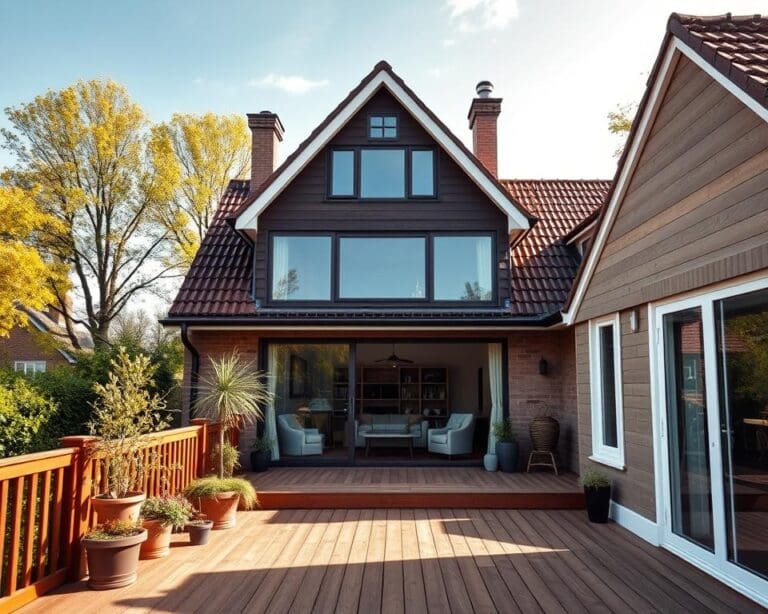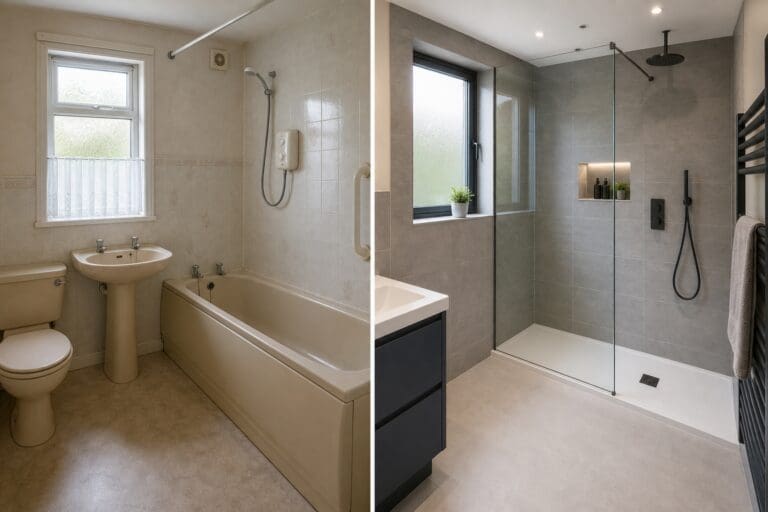
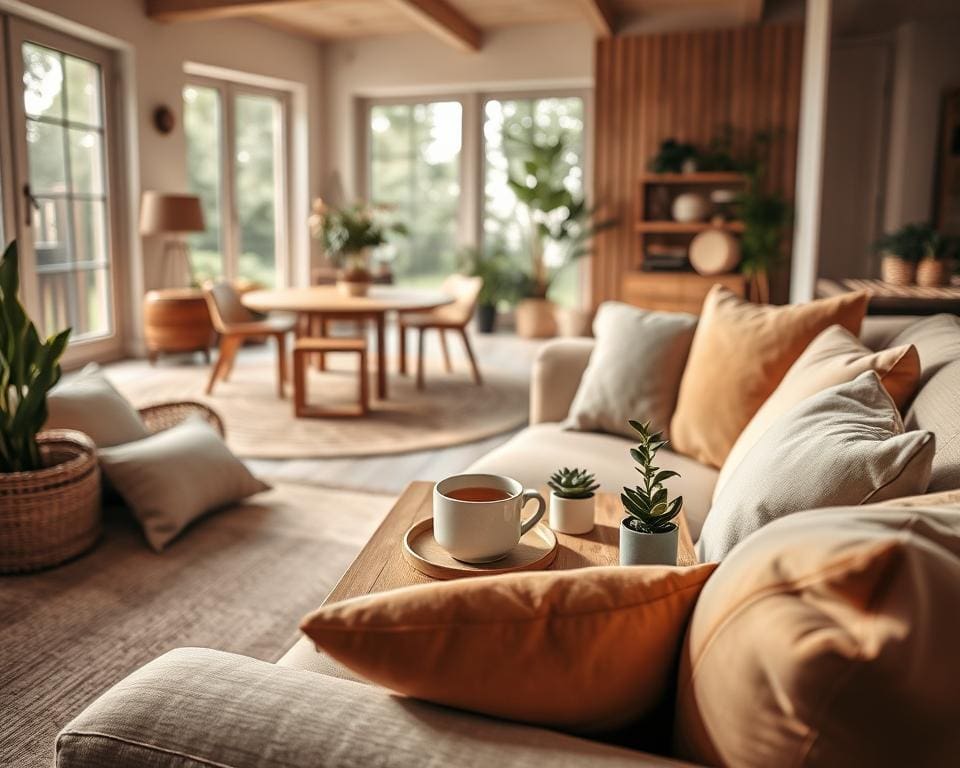
You’ll find natural interiors in magazines like Elle Decoration UK, House & Garden and Grand Designs for a reason: they deliver calm, comfort and lasting style. At their heart, warm interiors prioritise materials such as timber, stone, wool, linen, cork and unglazed ceramics, paired with warm natural palettes and generous natural light.
The current surge in interest follows a wider cultural shift. Since the pandemic, many people in the UK favour slower living, sustainability and wellbeing. This has pushed biophilic design and interior design trends UK towards schemes that feel restorative and rooted in nature.
Throughout this article you’ll see how natural interiors improve psychological wellbeing, offer tactile comfort and provide adaptable, enduring style across different homes and climates. You’ll also get practical steps to achieve the look, timeless design principles that keep it relevant, and advice on making the approach fit your lifestyle.
Quick takeaway: choosing warm, natural interiors is both aesthetic and functional. Investing in quality materials and considered lighting typically brings more daily satisfaction and stronger resale appeal.
Why natural interiors appeal to modern homeowners
You notice natural interiors the moment you enter a room. Warm wood tones, soft textiles and plants make spaces feel lived-in and calm. Designers and homeowners in the UK are turning to these choices for comfort and practicality.
Psychological benefits of nature-inspired design
Research in environmental psychology shows that contact with natural elements reduces stress and supports recovery. Stephen R. Kellert’s work and groups such as the Biophilic Cities Network highlight how views of greenery, daylight and organic materials improve concentration. For you, this can mean lower perceived stress, better sleep when bedrooms use warm palettes, and a calmer vibe in living areas.
How natural materials influence mood and comfort
Timber, stone and natural fibres shape how you feel in a room. Timber emits warm undertones; textiles like wool and linen add tactile softness. Unglazed ceramics and stone provide grounding textures that invite touch. These tactile materials mood effects encourage you to linger and relax.
Natural materials age with a patina that feels honest and familiar. Solid timber floors and wool rugs absorb sound and help thermal comfort, making rooms quieter and cosier. Choose hardwoods such as oak or ash for durability, and consider oil or wax finishes that can be refreshed rather than high-gloss lacquers.
Trends in homeowner preferences across the UK
Homeowner trends UK now favour warm schemes over clinical minimalism. Muted greens, ochres and soft neutrals pair with timber interiors wellbeing to create welcoming spaces. Suburban and rural show homes often lead this shift, while urban flats adopt pared-back versions that suit smaller footprints.
Regional climate shapes choices. In northern areas, people favour deeper tones and heavier textiles for cosiness. In southern locations, lighter timbers and pale linens enhance brightness. There is a growing appetite for locally sourced materials to lower embodied carbon and support UK craftspeople, which ties into the broader move towards biophilic interiors UK and practical, long-lasting design.
Practical ways to create a warm and natural interior
To make your home feel inviting, focus on simple, hands-on choices that bring nature indoors. Start with a clear plan for colour, materials and texture. Small, considered changes give the biggest impact when you learn how to create natural interiors with confidence.
Choosing colour palettes that feel inviting
Pick earthy tones and soft neutrals to set a warm, calm base. Think muted greens, terracotta accents and warm greys or beige. Use warm undertones — touches of yellow or red — to boost cosiness. Cool undertones, such as soft blue, work best in small doses to balance the scheme.
Test paints at different times of day before you commit. Apply the 60-30-10 rule: dominant colour for walls, secondary for large furniture, accent for accessories. Choose matte or eggshell finishes to reduce glare and add depth under typical UK light.
Try pairing pale oak with sage green, stoneware grey with soft beige, or clay accents with off-white to see how materials and light interact in your rooms.
Selecting materials and finishes
Choose robust natural materials for a lasting, tactile interior. Solid timber such as oak, ash or walnut works well beside wool and woven linen. Consider cork underlay, unglazed ceramics and natural stone like slate or limestone for durable surfaces.
Prioritise sustainable interiors materials when you can. Look for FSC or PEFC-certified timber, recycled components and suppliers with transparent supply chains. British makers and artisan ceramicists often publish sourcing details you can check.
Opt for oiled or waxed timber to keep a warm hand-feel, and select matt or eggshell paints rather than high-gloss. Natural fibre wallcoverings or lime plaster improve breathability and age gracefully.
Layering textures and soft furnishings
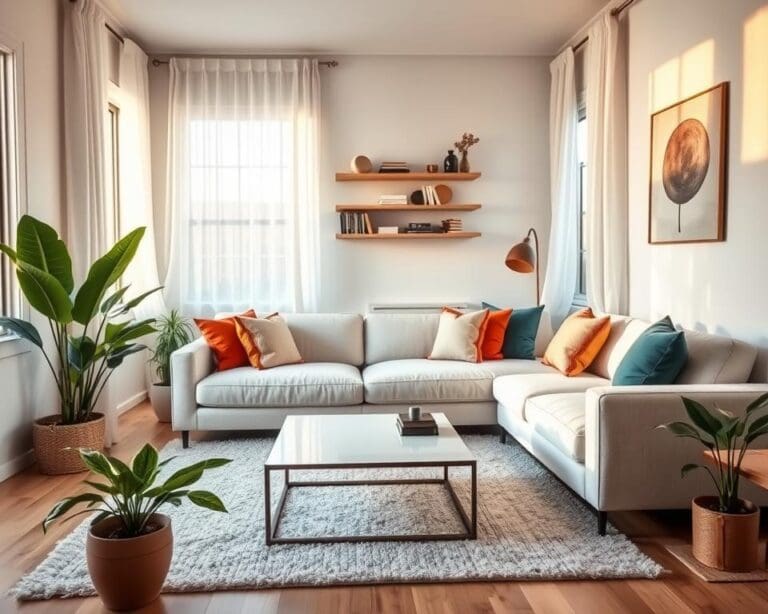
Layer hard and soft finishes to avoid a flat look. Combine timber floors and stone surfaces with natural-fibre rugs, knitted throws and linen curtains. Use velvet or boucle accent chairs for tactile contrast and visual interest.
Anchor seating with a rug large enough for the front legs of furniture. Add cushions in varying scales and materials to create depth. Include houseplants to introduce living texture and boost well-being.
For a budget-friendly approach, swap synthetic curtains for linen, replace glossy accessories with unglazed ceramics, and seek second-hand or vintage wooden pieces. Thoughtful layering textures home creates warmth and a lived-in charm without overspend.
Design principles that keep warm and natural interiors timeless
To make timeless natural interiors that feel both current and lasting, start with practical choices that suit how you live. Good layouts allow easy circulation, generous storage and flexible furniture. Pick pieces built to be repaired or re-covered so they work for years.
Balance between form and function
Your rooms should move with purpose. Comfortable circulation, clear sightlines and handy storage make everyday life simpler. Choose a durable sofa with replaceable covers from brands such as Sofa.com or a bespoke joiner in your area to get long-term value.
Proportion, scale and harmonious composition
Pay attention to proportion and scale interiors to create visual calm. Large, simple shapes anchor the room while smaller, finer textures add interest. In a low-ceilinged space, use slimmer furniture and light tones to avoid overwhelming the room.
- Group objects in odd numbers to feel natural.
- Repeat materials and colours to bind areas together.
- Leave negative space so natural elements can breathe.
Sustainable design as a lasting principle
Think in lifecycles when choosing materials. Opt for engineered oak or responsibly sourced slate for floors and long-life upholstery fabrics that can be repaired. Ask suppliers for environmental product declarations before you buy.
Practical sustainability actions help you keep the warm aesthetic. Reclaimed timber, vintage furniture and careful craftsmanship add patina and story. Choose low-VOC paints such as Farrow & Ball options and favour UK manufacturers to cut transport impact.
How to adapt warm and natural interiors to your home and lifestyle
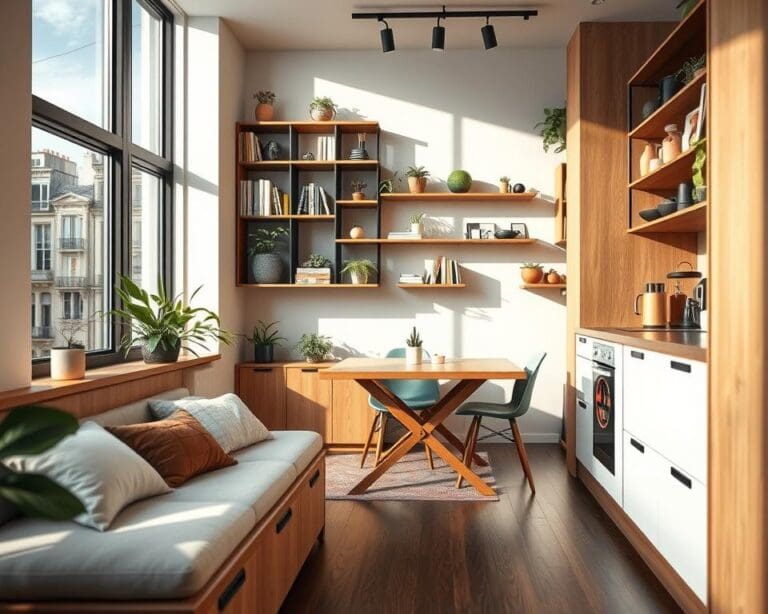
Start by assessing light and scale so you can adapt natural interiors to fit your flat or house. For smaller or darker rooms, paint walls and ceilings in pale warm neutrals to reflect daylight. Choose furniture with slim profiles and raised legs to open sightlines, and add mirrors to amplify light. These simple moves help create warm interiors for flats without major renovation.
Introduce compact natural furniture and clever joinery to reduce clutter. Built-in timber shelving, window seats and compact sofa lines from reputable makers provide storage while keeping a calm palette. Use small-scale timber accents — picture ledges, reclaimed-wood shelves or a timber bedside table — to add warmth without crowding the room. This approach works well for small space natural design and for homeowners who need practical storage.
Add greenery with vertical planting, hanging pots or tiered shelving. Choose low-light-tolerant species such as Sansevieria, pothos, ferns and phalaenopsis orchids for north-facing rooms, and use terracotta or glazed pots to balance moisture. Conceal cables and tech with timber trunking or warm-finish casings, and select discreet speakers, thermostats and fabric-clad chargers so technology supports rather than competes with the scheme.
Layer lighting for a natural rhythm: ambient warm LEDs, task lamps and accent uplighters. Use tunable white bulbs and smart controls like Philips Hue or Lutron Caséta to shift from cooler daytime tones to warmer evening light. Practical settings are 4000K–5000K for daytime tasks and 2200K–2700K for evening relaxation. These measures make smart lighting natural homes feel both cosy and flexible.
Make low-cost warm interior changes that give big impact: repaint in warm neutrals, swap curtains to linen, add a wool throw, update handles to brass or matt black, and bring in plants. For long-term value, invest in solid timber or engineered oak flooring, a well-built sofa with replaceable covers and bespoke joinery that maximises storage. Quality pieces endure, are repairable and often improve resale appeal.
Finish with a short checklist you can follow: assess natural light, prioritise one long-term investment, layer textiles, introduce plants and install warm-toned lighting with dimming. These steps let you adapt your design to your budget and property type while keeping the scheme warm, natural and distinctly yours.