When you plan a vacation Greece offers a rare mix of natural beauty, deep history and warm hospitality that stays with you long after you return home. Whether you choose a Greece holiday for island-hopping, a cultural break in Athens, hiking on Crete or a Greek islands getaway, the country delivers sensory moments that become lasting memories.
You can reach Greece easily from the UK with direct flights from Heathrow, Gatwick, Manchester and Edinburgh to Athens, Thessaloniki and many islands during the season. Frequent ferries and domestic flights link Santorini, Mykonos, Rhodes, Corfu and Crete, so moving between islands or cities is straightforward.
Greece travel inspiration comes in many forms. Luxurious resorts such as Amanzoe and Blue Palace sit alongside family-run guesthouses and self-catering options, and the euro makes budgeting simple. This range means an unforgettable Greece holiday can suit different tastes and budgets.
The real appeal is sensory: dramatic sunsets over the Caldera, bouzouki music in a taverna, olive and citrus scents in the countryside and the feel of worn marble beneath your feet at ancient sites. High summer brings sun and swimming; the shoulder seasons of May–June and September–October offer milder weather, fewer crowds and excellent value for a more relaxed visit.
Vacation Greece: what makes it so memorable
Your first glimpse of Greece can feel like stepping into a postcard. The Greek islands scenery shifts from volcanic calderas to fertile valleys, so every coast or cliff tells a different story. You will notice how the Greek coastline combines steep cliffs, hidden caverns and sheltered bays, offering dramatic views and a sense of discovery that stays with you long after you leave.
Iconic island scenery and dramatic coastlines
On Santorini you can stand above the caldera and watch light play on black and red rock. Naxos gives you green, fertile valleys beside wind-sculpted ridges. Corfu’s Venetian villas sit against the Ionian’s lush, green coastline. You can walk cliff paths, explore caverns like Zakynthos’ Blue Caves, dive beneath sheer walls or hire a yacht to trace natural harbours and rocky promontories.
Sun-drenched beaches and crystal-clear waters
Beaches in Greece range from wide, wind-sheltered sand like Elafonissi on Crete to the pebbled coves of Myrtos on Cephalonia. Navagio, or Shipwreck Beach on Zakynthos, remains a showpiece of turquoise water and dramatic cliffs. Sea temperatures rise in summer to offer warm bathing and clear visibility for snorkelling or scuba; many blue-flag beaches provide lifeguards, beach bars and water-sports centres for convenience and safety.
Distinctive architecture and postcard-perfect villages
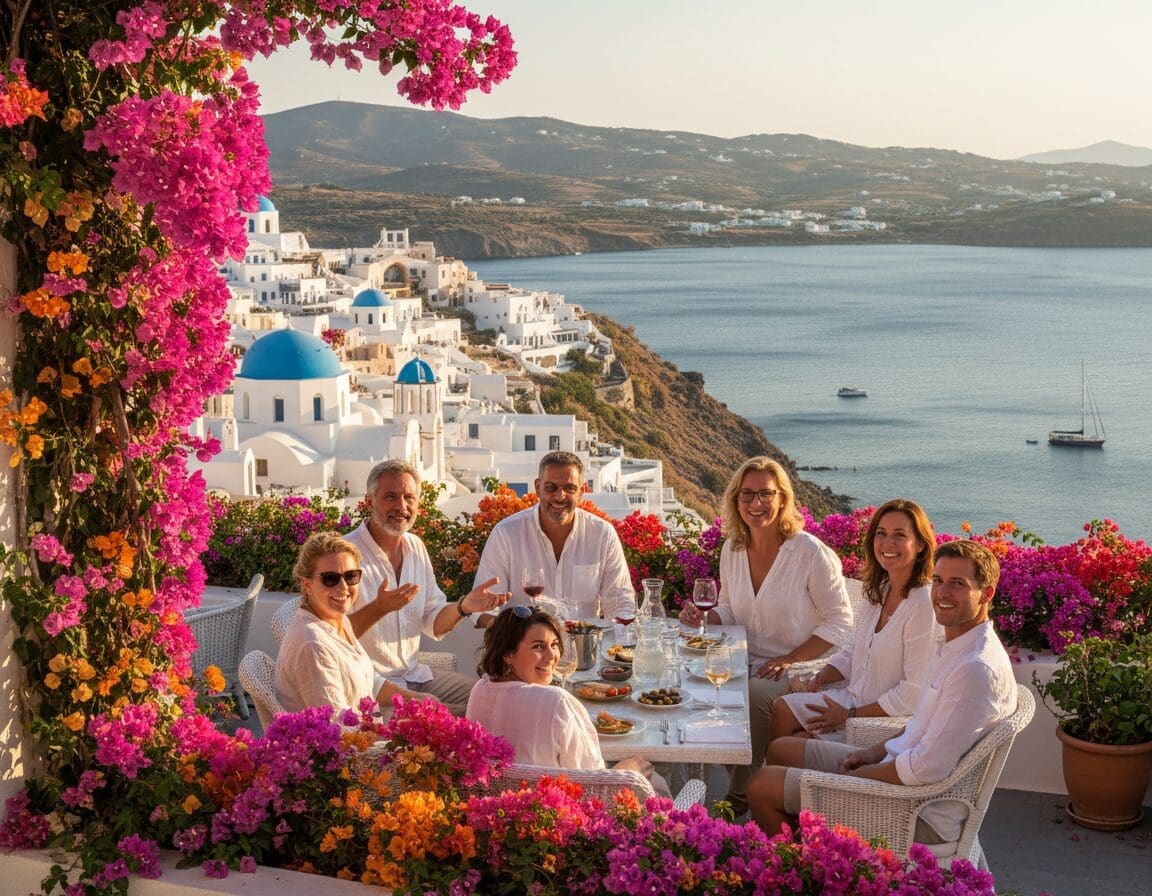
The visual language of Greek towns is instant and memorable. In the Cyclades you will see Cycladic architecture with whitewashed houses, blue shutters and domed churches that catch the sun. Oia and Fira on Santorini frame sunsets from panoramic terraces. Nafplio displays neoclassical mansions, while Zagori’s stone-built villages sit under slate roofs. Narrow alleys and tumbling bougainvillaea create endless photo-ready moments in postcard villages Greece, inviting you to explore slowly on foot.
History and culture that linger with you
You will find history and living culture woven into every street, ruin and celebration. Visit sites that shaped European civilisation, then stay for local music, dance and contemporary art that keep traditions alive.
Ancient sites and archaeological wonders
Begin with the Acropolis and Parthenon in Athens to see classical architecture up close. Guided tours and the Acropolis Museum explain the monuments’ meaning. Aim for early morning or late afternoon to avoid crowds and heat.
Head to Delphi to stand where oracles once spoke. The archaeological site of Delphi has a visitor centre and clear trails that put the ruins in a dramatic mountain setting. Expect a steep walk and spectacular views.
In Crete, the Minoan palace of Knossos reveals Bronze Age life through reconstructed frescoes and informative exhibits. Crete can be hot in summer; a morning visit is best.
Epidaurus offers a near-perfect ancient theatre where acoustics still impress. Small guided events give insight into classical drama. Olympia, the birthplace of the Olympic Games, features extensive ruins and museum displays that document sport in antiquity.
Many of these places appear on UNESCO World Heritage lists. When you visit archaeological Greece you encounter layers of history that shaped art, politics and philosophy across Europe.
Local traditions, festivals and living folklore
Plan your trip around key moments in the cultural calendar to witness vibrant community life. Easter brings Holy Week processions and midnight services that are powerful to observe.
Village panigyria take place through the summer. You can enjoy live music, folk dances and spit-roasted goat while neighbours gather to celebrate. These events show how local customs stay important in daily life.
The Athens & Epidaurus Festival runs each summer with theatre, dance and music in historic settings. Attending a performance connects you to both ancient stagecraft and modern interpretation.
Museums, art and contemporary cultural life
The National Archaeological Museum and the Acropolis Museum present major finds from Greek history alongside accessible displays. The Museum of Cycladic Art highlights early island cultures.
The Stavros Niarchos Foundation Cultural Centre in Athens serves as a modern hub for concerts, exhibitions and public events. Thessaloniki offers a lively contemporary scene with galleries and striking street art.
Visiting Greek museums uncovers the past; exploring galleries and festivals shows how contemporary Greek culture blends that past with film, music and gastronomy. You will finish with a deeper sense of how history and modern life feed one another.
Culinary experiences and vibrant local life
To taste Greece is to meet its history, land and sea at one table. Your days can start with a market visit and end with a long supper under the stars. This section guides you through authentic flavours, immersive tours and the warm rhythm of local dining.
Authentic Greek cuisine and regional specialities
Sample moussaka and souvlaki in roadside stalls, then compare island plates such as Santorini fava and tomatokeftedes. In Crete you will find dakos, kalitsounia and slow-roasted lamb, while northern Greece serves hearty Macedonian pies. Olive oil, oregano, lemon, feta and fresh seafood shape the taste of regional Greek food across the country.
Wine, olive oil and food tours that engage the senses
Book vineyard visits in Nemea, Santorini or Naoussa to learn about Assyrtiko and Xinomavro. Many operators arrange tastings with small producers, where you can pair wines with local cheeses and breads. For olive oil tasting Greece is best experienced in Crete and the Peloponnese, where groves and family presses reveal pressing methods and the peppery notes of extra-virgin oil.
Markets, tavernas and social dining customs
Visit Varvakios Market in Athens or Chania Market in Crete to sample olives, cheeses and street food. At tavernas Greece serves mezzes meant for sharing, often with live music and slow conversation. You will dine later than in the UK; embrace filoxenia by accepting offers of small plates and friendly chat.
Practical tips: learn a few phrases such as kalimera and efharistó, carry cash for small purchases and tip modestly where service is good. With a little curiosity you will leave with recipes, memories and new favourite producers.
Practical travel tips to make your trip unforgettable
Plan for late spring (May–June) or early autumn (September–October) as the best time to visit Greece. Those months bring warm days, cooler nights and fewer crowds than July–August. If you must travel in peak summer, book internal flights and ferries well ahead; popular routes and island-hopping legs fill quickly.
Before you travel to Greece from UK, check passport validity and the latest travel advice from the Foreign, Commonwealth & Development Office. Take comprehensive travel insurance and bring photocopies of important documents. The currency is the euro; contactless cards work widely but carry cash for small islands, local markets and remote tavernas.
Follow a practical Greece packing list: sun protection, a lightweight jacket for evenings, comfortable walking shoes for uneven archaeological sites and modest clothing for churches and monasteries. If you snorkel, consider packing your own kit. For driving, remember Greece uses right-hand driving; hire from reputable international firms such as Avis or Europcar and allow extra time on rural roads.
Budget realistically: casual meals in tavernas, mid-range hotels and modest ferries vary by island and season. Save money with public ferries, local buses and dining where locals go. Finally, embrace spontaneity — accept invitations to festivals, try regional dishes and leave gaps in your itinerary for unplanned discoveries. These small choices are often what turn good holidays into truly unforgettable ones.