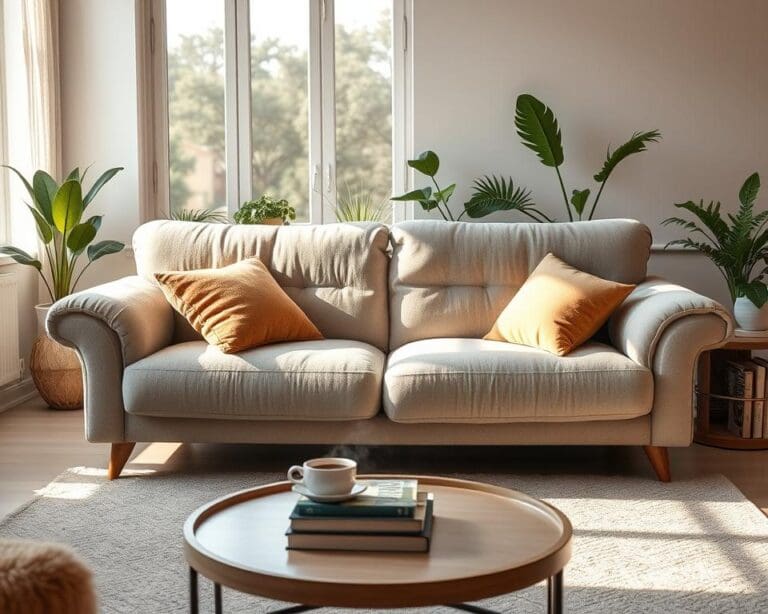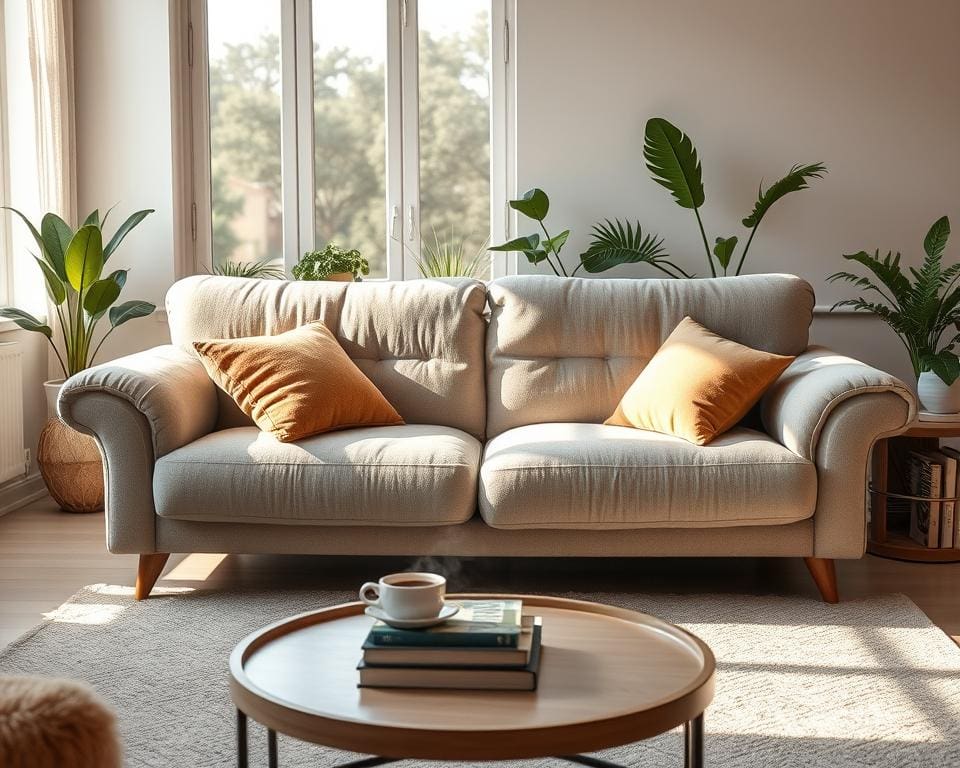
Choosing the most comfortable sofa for daily life in the UK is more than picking a look. You need an everyday sofa that supports your posture, fits your living room and suits how your household uses it.
This guide explains what everyday comfort really means and how to judge a sofa by measurable factors such as seat depth, cushioning, suspension and frame build. You should test options in-store and check specifications from retailers like DFS, John Lewis & Partners, Heal’s, Sofa.com and Swoon before you buy.
Comfortable seating often hides behind marketing language, so use evidence-based checks and read third‑party reviews from Which? or Good Housekeeping to verify claims. You can also learn how compact designs work in tight rooms by reading practical advice on compact layouts at compact sofa options.
Read on to discover how to spot the best sofa for daily use, compare styles and materials, and follow simple maintenance tips to preserve everyday comfort for years.
How to identify a truly comfortable sofa for daily living
Start by thinking about how you use your living room. Comfort depends on a mix of sofa comfort factors: support, cushioning and sofa ergonomics. Match a sofa to your routine whether you read, entertain or nap.
What defines comfort: support, cushioning and ergonomics
Support keeps your spine aligned and spreads weight evenly. Look for a supportive sofa with clear lumbar help or firmer lower-back fills. Cushions shape the feel; options range from foam to down and fibre blends. Good sofa ergonomics means seat slope, back angle and arm height suit your posture.
Seat depth, height and back support: fitting your body shape
Use a seat depth guide to choose a depth that fits your height. Standard UK seats sit around 50–60cm deep with heights of 42–48cm. Deeper seats suit taller people or those who curl up. Shallower seats work for upright sitting. Aim for knees at roughly 90° with feet flat on the floor.
Back support comes in tight-backed and loose-back styles. Tight backs give consistent support and are low maintenance. Loose-back cushions add softness but need regular plumping. High backs help with reading and napping.
Frame construction and durability for everyday use
A durable sofa frame is vital for daily use. Kiln-dried hardwoods such as beech and oak resist warping and give long service. Check for corner blocks that are glued and screwed rather than simple staples. Look at the warranty and weight ratings for family use.
Suspension matters too. Webbing or eight-way hand-tied springs signal higher-end build quality. Zig-zag springs appear in many mid-range sofas and give acceptable support when well made.
Foam types and fill materials: balancing softness and resilience
Learn about foam types sofa buyers choose most often. High-resilience (HR) foam with a density of 25–35 kg/m³ offers durable everyday seating. Memory foam contours to the body but can trap heat. Feather or down tops feel plush yet often sit on a foam core to maintain shape.
Combine a supportive core with a softer surface if you want both give and structure. Test cushions in store: sit for 10–15 minutes, try slouching and curling up, then stand to see if cushions spring back.
comfortable sofa: comparing popular styles and materials
Choosing a comfortable sofa for daily life involves more than looks. Different sofa styles and materials deliver distinct comfort experiences. Think about your household size, room layout, pets and how much maintenance you want to do.
Standard sofas and three-seaters: best for family rooms
Standard three-seaters suit medium to large living rooms where people sit together. You get balanced seat depth that works for conversation and TV watching.
For three-seater sofa comfort look for high-resilience foam cores with fibre-wrapped tops. Brands such as John Lewis and DFS publish cushion and frame details so you can compare warranties and build quality.
Sectionals and modular sofas: flexibility and comfort for daily use
Sectionals and modular layouts offer deep seating and chaise options. They let you arrange seats to suit open-plan spaces or growing families.
For sectional sofa comfort check that joins are secure and that each module matches the same frame and cushion standards as fixed sofas. Sofa.com, Swoon and Loaf show modular specs for easy comparison.
Fabric vs leather: breathability, maintenance and feel
When you weigh fabric vs leather sofa choices, consider breathability, tactile feel and upkeep. Fabric usually breathes better, cuts heat build-up and comes in stain-resistant weaves for homes with children and pets.
Leather ages with a patina and wipes clean easily for spills. Full-grain leather offers durability, while protected leathers suit families seeking a premium look with less worry about wear.
Suspension systems and spring types that affect comfort
Spring and suspension systems shape how a sofa responds over time. Zig-zag (serpentine) springs are common in mid-range sofas and give good initial support at a lower cost.
Eight-way hand-tied springs are the traditional choice for long-term resilience in premium upholstery. Elastic webbing appears in many modern designs for flexible support. Some sofas rely on high-density foam only; these can work well if the foam density is high.
Compare suspension and materials details when you shop. Look at spring suspension sofa specs and lists of sofa materials UK to match a style to your daily needs.
Practical tips for choosing and maintaining your everyday sofa
Before you choose a sofa, measure your room and all access routes with a tape measure. Check doorway and staircase widths against the sofa’s overall width, depth and module sizes. Decide how you will use the sofa — lounging, upright sitting, occasional sleeping or family multi-use — and test models for 10–15 minutes in store to see if seat depth and height suit you.
Ask retailers for specifications such as foam density (kg/m3), spring type and frame material. Look for kiln-dried hardwood frames, higher-density foam cores and reliable suspension like zig-zag springs or eight-way hand-tied systems. For fabrics, request the Martindale rub test score; 20,000+ rubs is a sensible minimum for frequent use. Many stores including John Lewis & Partners and DFS publish warranties and optional protection plans you can compare in a sofa buying guide UK.
Plan delivery and assembly in advance. Confirm whether the retailer offers in-home placement, packaging removal and recycling of old furniture. For modular sofas ensure joining mechanisms are secure on arrival and that modules fit through your home. Removable, fully zipped covers and performance fabrics such as Crypton and Sunbrella make cleaning easier and extend usable life.
Adopt simple sofa maintenance tips to keep your sofa comfortable. Vacuum weekly, plump and rotate cushions regularly, and deal with spills immediately by blotting and following the care label. For fabric sofa cleaning follow manufacturer guidance or choose professional cleaning annually. For sofa care leather wipe spills with a soft cloth, avoid direct heat and condition every six to twelve months with a recommended product. Replace worn cushion cores when resilience drops, tighten legs and check joints yearly to prolong lifespan.