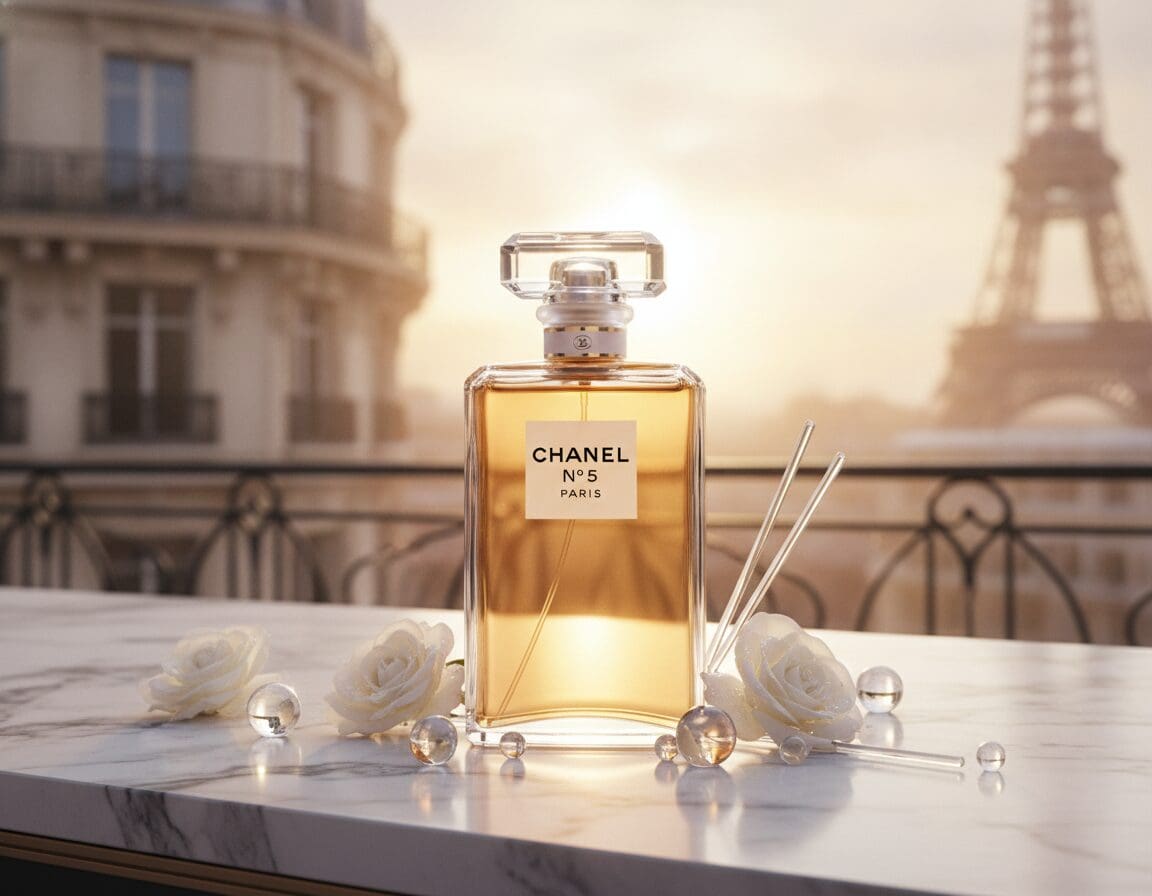
You will find that Chanel perfume endures because it blends innovation, craft and culture in a way few luxury houses match. From the launch of Chanel No. 5 by Gabrielle “Coco” Chanel with perfumer Ernest Beaux in 1921, the house signalled a new direction for modern scent by using aldehydes prominently. That early leap into modern composition set a pattern repeated across subsequent launches such as Cristalle, Chanel No. 19 and Coco Mademoiselle.
The case for Chanel fragrances rests on four clear pillars. First, distinctive olfactory composition and high‑quality raw materials give each release lasting appeal. Second, a consistent minimalist aesthetic in packaging keeps the image of classic perfumes sharp and recognisable. Third, careful stewardship through artisanal techniques, limited editions and targeted marketing preserves prestige. Fourth, personal and cultural reasons mean many people choose a Chanel scent as their signature.
For readers in the United Kingdom, Chanel’s presence is tangible. You can experience Chanel perfume at Harrods, Selfridges, John Lewis and specialist perfumeries across the UK, which helps maintain the brand’s position as a leading luxury fragrance UK choice. The rest of this article will examine the enduring appeal, explain how craftsmanship and marketing keep Chanel relevant, and explore why you keep choosing Chanel perfumes for your own collection.
The enduring appeal of Chanel perfume
The story of Chanel perfume reads like a study in restraint and reinvention. You encounter a house that blends a clear visual language with scents that feel both intimate and timeless. This appeal rests on craft, familiar accords and a refusal to chase every passing trend.
Historical roots and iconic launches
Your understanding of the history of Chanel perfume starts with Coco Chanel and the collaboration with Ernest Beaux. Chanel No. 5 history began in 1921 and signalled a new idea: perfume as modern statement rather than a single floral note. That choice set the tone for later iconic Chanel launches such as No. 19, Cristalle, Coco and Coco Mademoiselle.
These landmark releases built a layered legacy. Each fragrance highlighted different facets of the house — freshness, green facets, oriental warmth and youthful modernity — while keeping a coherent narrative you can recognise across decades.
Timeless composition and signature notes
You will notice a recurring Chanel scent profile that balances floral and woody elements with a bright, soapy lift. Signature notes Chanel rely on include jasmine, rose, iris, ylang‑ylang, sandalwood and vetiver.
Chanel’s use of aldehydes in perfume provides an airy, abstract top note that helped No. 5 feel revolutionary. Classic accords recur without becoming repetitive, because the house varies proportions, origins and supporting materials to keep each release distinct.
Quality of raw materials matters. You can sense the difference when jasmine from Grasse or carefully chosen sandalwood and vetiver underpin a composition. Selective synthetics complement these naturals to improve longevity and stability.
Consistent brand identity and aesthetic
Your perception of Chanel is shaped by more than scent. Minimalism in fragrance appears in the geometric bottle, the restrained black‑and‑white palette and the sparse labelling. Chanel packaging signals luxury restraint the moment you see it on a dressing table.
Marketing follows the same rule. The Chanel visual identity favours clarity and narrative restraint that match the perfumes’ personalities. This consistent aesthetic supports luxury branding and builds trust across generations.
- Brand elements such as typography and store layout keep visual coherence.
- Careful campaign framing places fragrances within a wider cultural conversation.
- Continuity helps the house feel permanent rather than ephemeral.
How craftsmanship and marketing keep Chanel relevant
You notice Chanel craftsmanship from the first encounter. The house combines artisan techniques with strict perfume production standards to secure consistent scent and lasting wear. Perfumers maintain fragrance concentration levels for eau de parfums and parfums that favour projection and longevity.
Artisan techniques and quality control
Chanel production begins with careful sourcing of raw materials such as natural jasmines, roses and selected woods. Grower partnerships help secure quality harvests that match the house’s olfactory brief.
Blending uses both traditional organoleptic testing and modern analytical tools. This dual approach keeps batches consistent and aligns with perfume production standards you expect from a luxury maison.
High concentration formulas, overseen by master perfumers following Ernest Beaux’s legacy, ensure parfums and eau de parfums deliver the intended trail and longevity.
Strategic storytelling and cultural positioning
Heritage plays a central role in Chanel marketing strategy. The brand weaves Coco Chanel’s biography and couture roots into campaigns that frame scent as a statement of independence and elegance.
Celebrity ambassadors Chanel selects, such as Keira Knightley for Coco Mademoiselle, help bridge generations and place the fragrances in a contemporary cultural context. Cinematic perfume campaigns add narrative depth while preserving aspirational appeal.
Your connection to a Chanel fragrance often comes through stories of romance, confidence or urban chic. These narratives make scent a tool for self‑expression rather than a mere purchase.
Availability and accessibility in the UK market
In the UK you can buy Chanel perfume UK through authorised Chanel retailers UK, premium department store Chanel counters and select perfumeries. Stores such as Harrods, Selfridges, Fortnum & Mason and John Lewis host official counters that uphold brand standards.
Retail experiences include scent consultations, testers, gift wrapping and engraving at specific locations. These services and clear aftercare policies encourage you to buy from authorised stockists to guarantee authenticity.
Chanel online purchase options are carefully managed. The maison limits discounting and controls third‑party distribution to protect value. Official e‑commerce, social content and measured digital engagement sustain interest without diluting prestige.
Why you keep choosing Chanel perfume
You often reach for a Chanel perfume because it becomes part of your personal signature. A Chanel signature scent has a recognisable profile that links to memories and routine. That familiar drydown and steady performance create an emotional bond that makes you repurchase time and again.
You also inherit scents. Mothers and daughters commonly share bottles like Chanel No. 5 or Coco Mademoiselle, passing fragrances between generations. These sentimental rituals build loyalty and turn a perfume into more than a fragrance — it becomes family memory and identity.
Practicality helps too. Many Chanel compositions work across day and evening and adapt through seasons: No. 5’s aldehydic warmth, Coco Mademoiselle’s citrus freshness, or woody, bois-led blends for cooler months. When you choose concentration — eau de toilette, eau de parfum or parfum — and use Chanel perfume tips like layering with matching moisturiser, you control longevity and sillage to suit the occasion.
Collectibility and Chanel authenticity matter if you care about value. Limited Les Exclusifs editions, discontinued formulations and vintage bottles can gain worth. To verify authenticity, buy from authorised retailers, check packaging quality and batch codes, and be wary of steep discounts that often indicate counterfeits. Store your bottles in a cool, dark place, keep sprays capped and use the original box to preserve scent. For damaged atomisers, Chanel boutiques can advise on authorised servicing.
Your continued preference for Chanel reflects olfactory quality, heritage and consistent presentation combined with personal meaning. Those factors explain why these fragrances remain unfading standards in your collection and why you keep choosing Chanel perfume.