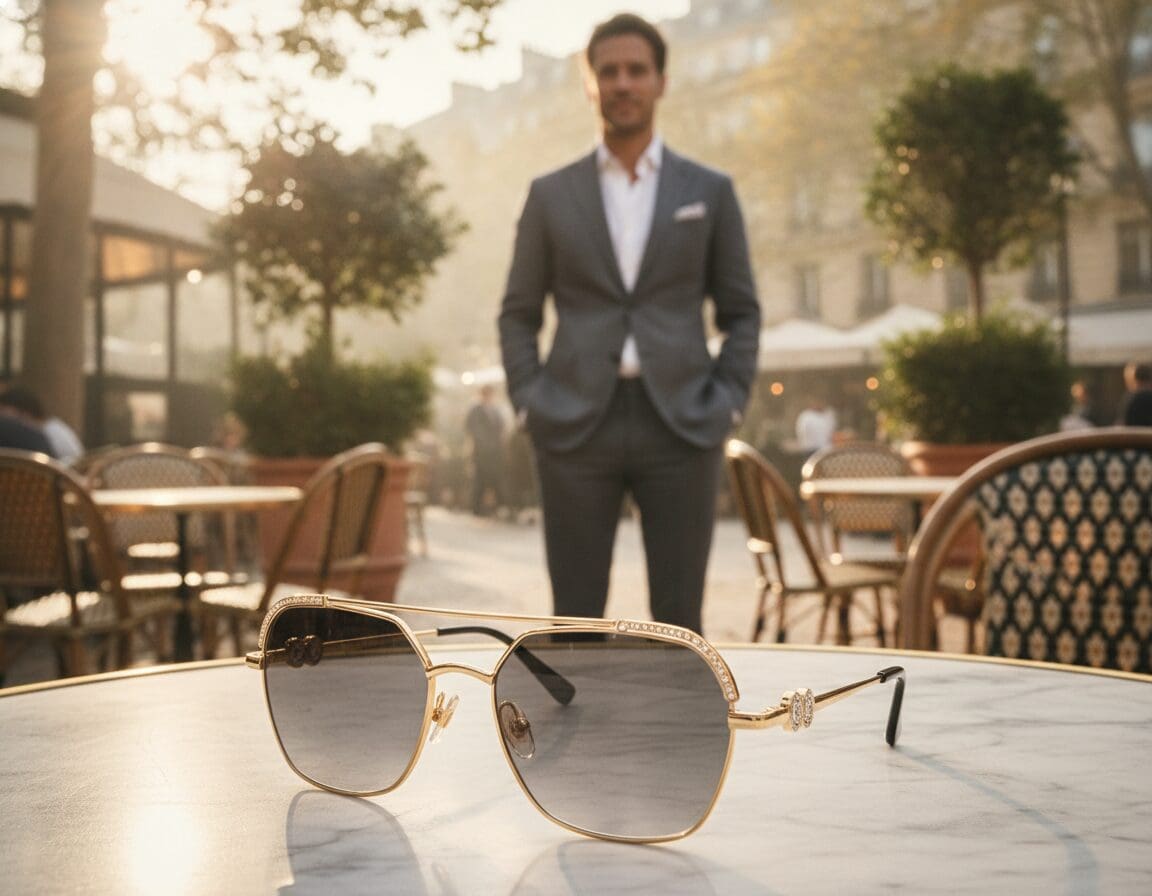
Choosing designer sunglasses is about more than fashion; it is about protection, comfort and long‑term value. In this sunglasses buying guide you will learn what makes the best designer sunglasses stand out, from Ray‑Ban and Persol to Prada and Oakley.
This guide explains how to choose designer sunglasses for your face shape, personal style and daily needs. You will gain practical steps to assess designer eyewear UK options, compare lens technologies and judge frame materials so your purchase delivers UV protection and lasting wear.
Whether you are shopping for the first time or replacing a worn pair, this concise section sets the purpose: help you evaluate brand reputation, lens performance and fit, then move confidently through the rest of the article to find sunglasses that suit your lifestyle and budget.
Understanding designer sunglasses: brands, materials and lenses
Choosing designer sunglasses means weighing brand pedigree, build quality and lens performance. You want style that lasts and protection you can trust. This short guide breaks down what matters so you can shop with confidence.
Why brand reputation matters
Established houses such as Ray-Ban, Persol, Prada, Gucci and Tom Ford offer signature shapes and predictable quality. You get consistent manufacturing standards and access to warranty support when you buy from authorised retailers.
Counterfeits are common, so check serial numbers and buy from boutiques or reputable stores. Authentic pieces retain resale value better, especially iconic models like Ray-Ban Aviators or vintage Persol designs.
Frame materials and durability
Frame choice affects comfort, weight and longevity. Acetate gives rich colour and can be heat-adjusted for fit. Metal alloys such as stainless steel offer strength and corrosion resistance.
Titanium is lightweight and hypoallergenic, popular for premium ranges. High-performance plastics like TR-90 or nylon suit active lifestyles because they resist impact and flex. Inspect hinges and rivets; spring hinges often increase comfort and durability.
Lens types, coatings and UV protection
Lens material influences clarity and weight. Glass gives superb optics and scratch resistance while polycarbonate is light and impact-resistant. CR-39 balances cost with optical quality.
Look for UV protection sunglasses that block 100% of UVA and UVB, often labelled UV400. Good lens coatings matter: anti-scratch helps longevity, anti-reflective reduces internal glare and hydrophobic or oleophobic finishes make cleaning easier.
Mirror coatings cut brightness and gradient tints help when you need clear sight of the dash. Photochromic lenses are convenient for variable light but react slower than fixed sunglasses and may be less effective behind car windscreens.
Polarised versus non‑polarised lenses
Polarised sunglasses reduce glare from horizontal reflections on water, snow and wet roads. They improve contrast and comfort for driving, boating and outdoor sports. Brands such as Maui Jim and some Ray-Ban lines are noted for quality polarisation.
Non-polarised lenses still offer UV protection and can be preferable when polarisation interferes with digital screens or instrument panels. If you choose polarised lenses, pair them with durable lens coatings to protect the finish during outdoor use.
Choosing sunglasses for your face shape and personal style
Picking the right pair is part measurement, part fashion sense. You can start by checking forehead, cheekbone and jaw widths along with face length to identify common categories: round, oval, square, heart and long. Knowing your sunglasses face shape helps you narrow choices quickly and find the best sunglasses for face shape without guesswork.
Identify your face shape and what suits you
If you have an oval face you are fortunate; most frames work and you should focus on proportion. Round faces gain definition from angular frames. Square faces soften with round or oval styles. Heart‑shaped faces suit cat‑eye, aviator or rimless options that draw attention to the cheekbones. For long or rectangular faces choose taller lenses or oversized frames to reduce perceived length.
Frame shapes that complement common face types
- Round faces: rectangular or square frames such as a squared Ray‑Ban Wayfarer add structure and length.
- Oval faces: aviators, wayfarers and clubmasters all work when kept in proportion to your features.
- Square faces: round metal frames and classic Persol round styles soften a strong jawline.
- Heart‑shaped faces: cat‑eye and lower‑sitting rimless frames balance a wider forehead.
- Long faces: oversized, wrap or clubmaster styles with greater vertical height shorten the look.
Balancing colour, scale and fashion trends
Start with neutral shades — black, tortoiseshell and brown — when you want versatility. Designer houses such as Prada and Gucci offer reliable neutrals alongside trend colours if you want seasonal flair. Use sunglasses colour tips to match frames with skin tone and wardrobe. Check scale: oversized frames can overwhelm a small face and tiny lenses may look lost on a larger head.
How to use sunglasses to express your personal style
Choose a signature pair for daily wear and a bolder set for weekends or events. A retro oversized cat‑eye reads as glamorous while mirrored wrap sunglasses give a sporty, modern edge. For work and travel pick slim, polished frames that sit well with tailoring. For active days favour lightweight frames with secure nose pads and sprung hinges.
When trying on sunglasses note how they sit relative to your eyebrows and cheekbones. Aim for a frame width slightly wider than your cheekbones for balance. This approach helps you find the best sunglasses for face shape while keeping a designer sunglasses style that matches your lifestyle and the latest UK fashion sunglasses trends.
Buying considerations: fit, budget and lifestyle needs
When you try frames, focus on key fit points. The frame width should sit at your temple points, the nose bridge must prevent slipping and the temple length should feel comfortable behind your ears. Check lens height for good coverage so light cannot sneak in from above or the sides.
Perform simple practical tests: wear the glasses for several minutes to spot pressure points, look straight ahead to confirm even alignment, and try them with your usual hairstyle and any hat. If you buy a pricier pair, ask an optician or an authorised retailer to adjust temple arms or replace nose pads; professional tweaks often save you money later.
Plan your budget by weighing designer sunglasses price against value. Mid‑range pairs often sit around £80–£200, while premium frames can be £200–£500 or more. Consider lens quality (UV400, polarisation), frame materials like titanium or nylon, warranty and aftercare. Second‑hand specialist resellers can be a good route for vintage pieces if they authenticate items and offer returns.
Match your lifestyle: for daily commuting and driving, polarised lenses and anti‑reflective coatings help, though be mindful of display visibility. For outdoor sports and sunglasses for active lifestyle, choose impact‑resistant polycarbonate lenses, secure wraps and rubberised temple tips; brands such as Oakley and Maui Jim are strong options. Finally, follow sunglasses UK buying tips: confirm 100% UV protection, check prescription compatibility, use a hard case for storage, and keep receipts to protect your warranty.