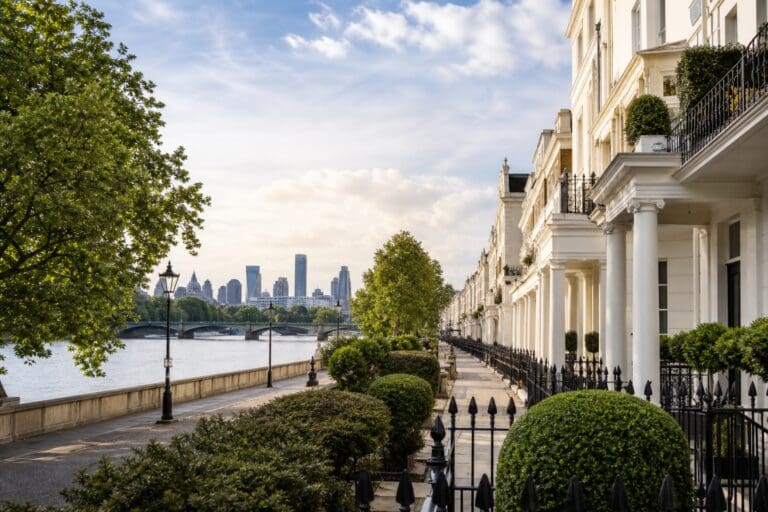
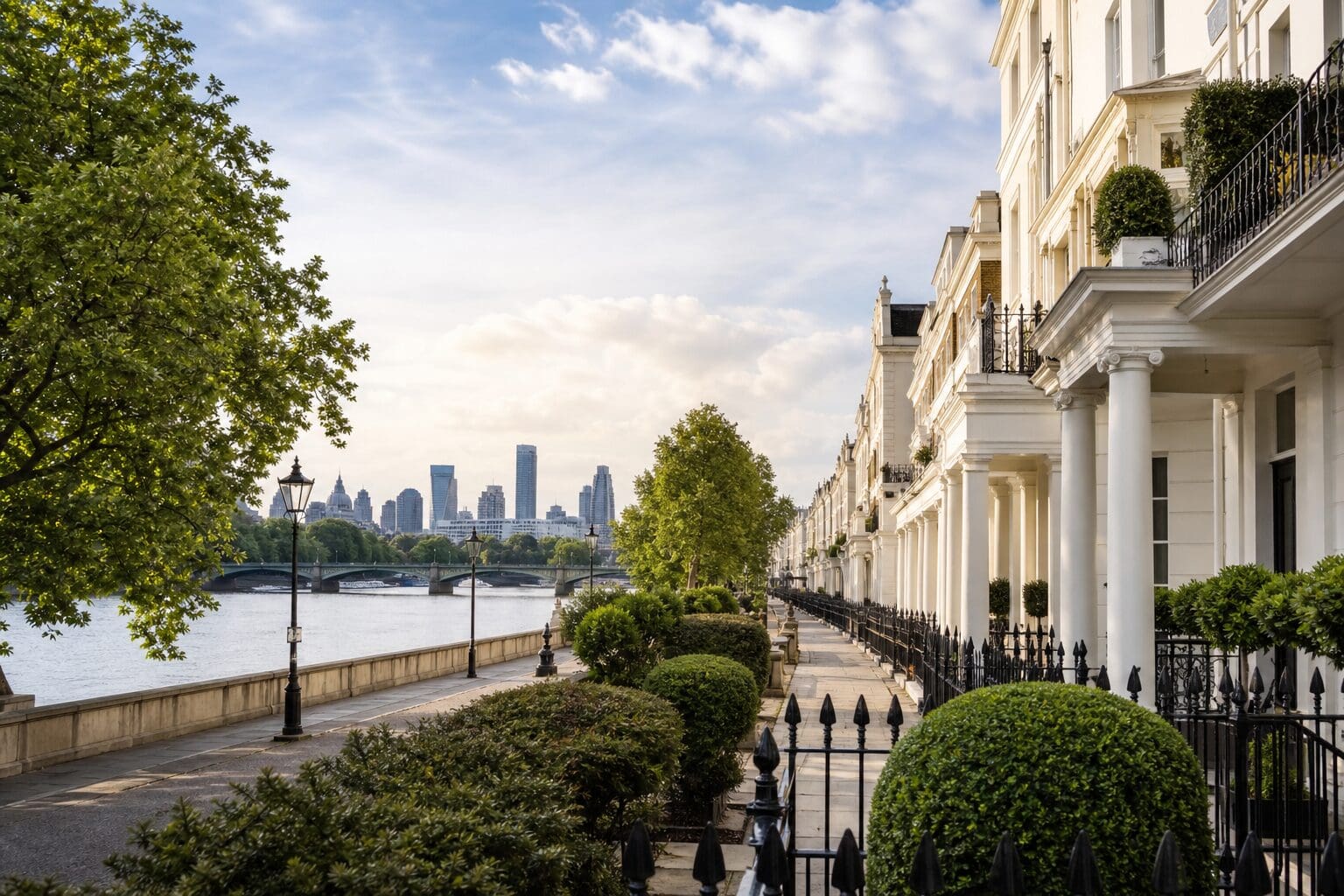
Where do wealthy Londoners prefer to live? The answer depends on lifestyle as much as money. Some choose grand garden squares in the west, others want village-like streets in the north, riverside calm in the south west, or discreet townhouses close to the West End. London’s wealthiest residents often look for privacy, character, excellent schools, green space, cultural life, and easy access to work, airports, restaurants and clubs.
Where do wealthy Londoners prefer to live? The short answer
Wealthy Londoners tend to favour a small group of established, highly desirable neighbourhoods. The classic addresses are in prime central London: Mayfair, Belgravia, Knightsbridge, Kensington, Chelsea, Holland Park, Notting Hill, Marylebone and St John’s Wood. These areas offer handsome period homes, elegant mansion blocks, private gardens, prestigious shopping streets and proximity to major cultural landmarks.
However, wealth in London is not limited to the centre. Many affluent households prefer Hampstead, Highgate, Richmond, Wimbledon, Chiswick, Fulham, Dulwich and parts of Battersea or Barnes. These places often feel greener and more residential, with larger family homes and a strong neighbourhood atmosphere.
In simple terms, wealthy Londoners usually choose between three broad lifestyles: central convenience, village-style calm, or family space with greenery. The “best” area depends on whether someone values nightlife, schools, privacy, architecture, park access, or a shorter journey to the office.
Prime central London favourites
Prime central London remains the most famous answer to the question. It attracts residents who want to be close to luxury shopping, private members’ clubs, galleries, five-star hotels, offices, theatres and restaurants. The homes vary from stucco-fronted townhouses to penthouses, lateral apartments and converted period buildings.
Mayfair and Belgravia
Mayfair and Belgravia are two of London’s most prestigious districts. Mayfair sits between Hyde Park, Oxford Street, Regent Street and Piccadilly, making it exceptionally central. Its appeal lies in polished streets, fine dining, art galleries, designer shops and discreet residential pockets behind busy commercial areas.
Belgravia has a calmer, grander feel. Its white terraces, garden squares and embassy-lined streets make it one of the capital’s most recognisable wealthy neighbourhoods. Many homes are large, elegant and set within carefully maintained streets. It suits residents who want central London access without quite the same level of bustle as Mayfair.
Both areas are associated with privacy, heritage and convenience. They are also practical for international residents who want quick routes to central business districts, luxury retail and major transport links.
Knightsbridge, Kensington and Chelsea
Knightsbridge is known for luxury shopping, handsome mansion blocks and proximity to Hyde Park. It is a favourite for buyers and renters who want prestige, security and an address recognised far beyond London. The area has a polished, international character, with a mix of permanent residents and those who divide their time between countries.
Kensington offers a slightly more residential feel, particularly around the streets close to Kensington Gardens, Holland Park and the museum district. It is popular with families, professionals and international households who want culture, schools, green space and classic London architecture.
Chelsea feels stylish, established and slightly more relaxed. Its appeal includes the King’s Road, attractive side streets, garden squares and proximity to the Thames. Wealthy Londoners who enjoy restaurants, boutiques, art, design and a village-like feel often find Chelsea appealing.
Marylebone and Fitzrovia
Marylebone has grown in popularity with affluent residents who want a central location without the showier character of some neighbouring districts. It has elegant Georgian streets, mansion flats, independent shops and a strong village atmosphere around Marylebone High Street. Regent’s Park is nearby, adding valuable green space.
Fitzrovia is more mixed and urban, but it appeals to wealthy buyers who like design, restaurants, galleries and a creative mood. It is close to Soho, Bloomsbury, Marylebone and the West End, which makes it practical for people who want to walk to much of central London.
Leafy north London choices
North London has long attracted affluent residents who prefer space, charm and greenery over ultra-central living. The mood is often more relaxed, with steep streets, open views, independent shops and access to some of London’s finest parks and heaths.
Hampstead and Highgate
Hampstead is one of the capital’s most desirable residential areas. Wealthy Londoners are drawn to its village centre, historic houses, literary associations, cafés, pubs and access to Hampstead Heath. The Heath is a major attraction, offering wide open space, woodland paths and elevated views across London.
Highgate shares some of Hampstead’s appeal but can feel quieter and more secluded. It has grand houses, leafy lanes, period architecture and access to Highgate Wood and Hampstead Heath. For many affluent families, the area offers a balance of privacy, beauty and community.
Both Hampstead and Highgate suit residents who want a London life that does not feel entirely urban. They are especially attractive to people who value walking, dogs, schools, gardens and characterful homes.
St John’s Wood and Primrose Hill
St John’s Wood is prized for its wide streets, detached villas, mansion blocks and proximity to Regent’s Park. It has a calm, affluent atmosphere and remains popular with families and international residents. The area provides more space than many central neighbourhoods while still offering easy access to the West End.
Primrose Hill is smaller and more intimate. Its colourful terraces, independent shops and famous hilltop views create a distinct village identity. Wealthy Londoners who like charm, style and park life often favour this neighbourhood. It feels fashionable without being as formal as Mayfair or Belgravia.
West and south west London family areas
For many wealthy Londoners, the ideal home is not a penthouse near the West End but a spacious house near good schools, parks and village-style high streets. West and south west London are especially strong for this kind of living.
Richmond is one of the clearest examples. It offers riverside walks, a handsome town centre, period houses and access to Richmond Park. The area feels green and spacious, yet still connected to the rest of London. It appeals to families, professionals and those who want a gentler rhythm without leaving the capital.
Wimbledon has a similar family appeal. It combines village charm, large houses, green space and a strong local identity. Wimbledon Village is particularly popular with affluent households who want boutiques, restaurants, commons and a semi-rural mood.
Barnes is another favourite for those seeking a quieter, village-like atmosphere. It has a pond, independent shops, handsome homes and a slower pace than many central areas. Its riverside setting adds to the appeal.
Chiswick and Fulham attract wealthy residents who want west London convenience, family homes, good local shops and access to parks or the Thames. Fulham is closer to central London and has a lively, sociable feel, while Chiswick is greener and more relaxed.
What wealthy Londoners look for in an area
Affluent buyers and renters may have larger budgets, but their priorities are often surprisingly practical. They want homes and neighbourhoods that make daily life easier, safer and more enjoyable.
Common priorities include:
- Privacy and security: quiet streets, discreet entrances, porterage, secure parking and a low-key residential feel.
- Green space: access to Hyde Park, Regent’s Park, Hampstead Heath, Richmond Park, commons, garden squares or riverside walks.
- Good schools: proximity to respected independent and state schools is a major factor for many families.
- Transport links: easy access to central offices, airports, stations and key roads remains important.
- Architecture and character: period terraces, mansion blocks, villas, townhouses and well-designed modern apartments all have strong appeal.
- Local lifestyle: restaurants, shops, gyms, private clubs, markets, pubs and cultural venues help shape the decision.
- Long-term desirability: established areas with strong reputations tend to feel safer and more dependable.
The most sought-after neighbourhoods usually combine several of these qualities. A wealthy household may accept a smaller home in Mayfair for convenience, or choose a larger house in Richmond for family life and outdoor space.
Emerging and modern wealthy enclaves
London’s wealthy residents are not all tied to traditional postcodes. Some prefer newer luxury developments, riverside apartments or regenerated districts with modern amenities. These areas can offer gyms, concierge services, underground parking, private terraces and striking views.
Battersea has become more prominent among affluent residents, especially around the riverside and near Battersea Park. The area offers new apartments, attractive Victorian streets and a strong connection to Chelsea across the river.
Nine Elms and parts of Vauxhall appeal to those who want modern buildings, river views and a central location. These areas have a more contemporary feel than the classic garden squares of west London.
Canary Wharf and the Isle of Dogs also attract wealthy professionals who want high-specification apartments close to finance and business districts. The lifestyle is more vertical and modern, with water views, restaurants, transport links and managed buildings.
Shoreditch, Clerkenwell and parts of Islington appeal to affluent residents who prefer creative energy, restaurants, converted warehouses and period townhouses. These areas suit people who want culture and atmosphere rather than traditional grandeur.
How lifestyle shapes the choice
The question of where wealthy Londoners live is really a question of identity. A hedge fund partner, a tech founder, a family with school-age children, a retired couple and an international student may all have very different ideas of the perfect London address.
Those who travel often may choose Knightsbridge, Mayfair or Marylebone for convenience and services. Families may focus on Hampstead, Richmond, Wimbledon, Fulham or Dulwich. People who want culture and restaurants may prefer Soho-adjacent districts, Marylebone, Chelsea, Notting Hill or Islington. Those who love outdoor space often look towards Hampstead Heath, Richmond Park, Battersea Park or the commons of south west London.
There is also a difference between visible wealth and quiet wealth. Some residents enjoy the glamour of Knightsbridge or Mayfair. Others prefer the understated elegance of Highgate, Barnes, Dulwich or Chiswick. London allows both approaches, which is one reason its wealthy neighbourhoods feel so varied.
Frequently Asked Questions
What is the most prestigious area for wealthy Londoners?
Mayfair, Belgravia, Knightsbridge, Kensington and Chelsea are commonly seen as the most prestigious areas. Each offers a different mix of heritage, luxury, privacy and central convenience.
Do wealthy Londoners only live in central London?
No, many wealthy Londoners prefer outer or village-like areas such as Hampstead, Richmond, Wimbledon, Barnes and Dulwich. These neighbourhoods often offer more space, greenery and family-friendly surroundings.
Which London areas are popular with wealthy families?
Wealthy families often favour Hampstead, Highgate, St John’s Wood, Richmond, Wimbledon, Fulham, Chiswick and Dulwich. Schools, gardens, parks and quiet residential streets strongly influence these choices.
Where do wealthy young professionals prefer to live in London?
Affluent young professionals may choose Marylebone, Notting Hill, Chelsea, Shoreditch, Clerkenwell, Islington or Canary Wharf. They often value restaurants, transport, design-led homes and an energetic local scene.
Is west London still the main choice for wealthy residents?
West London remains extremely popular, especially Kensington, Chelsea, Holland Park, Notting Hill, Chiswick and Richmond. Even so, wealthy residents are spread across many parts of the capital.