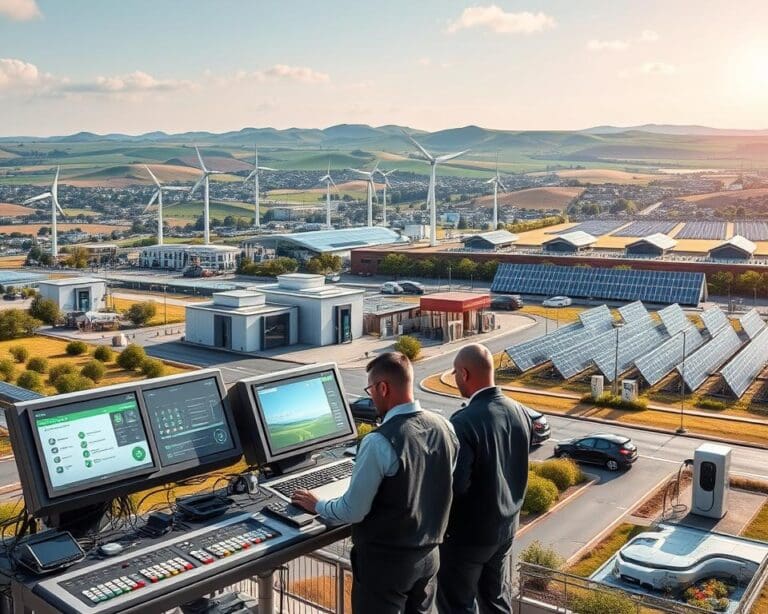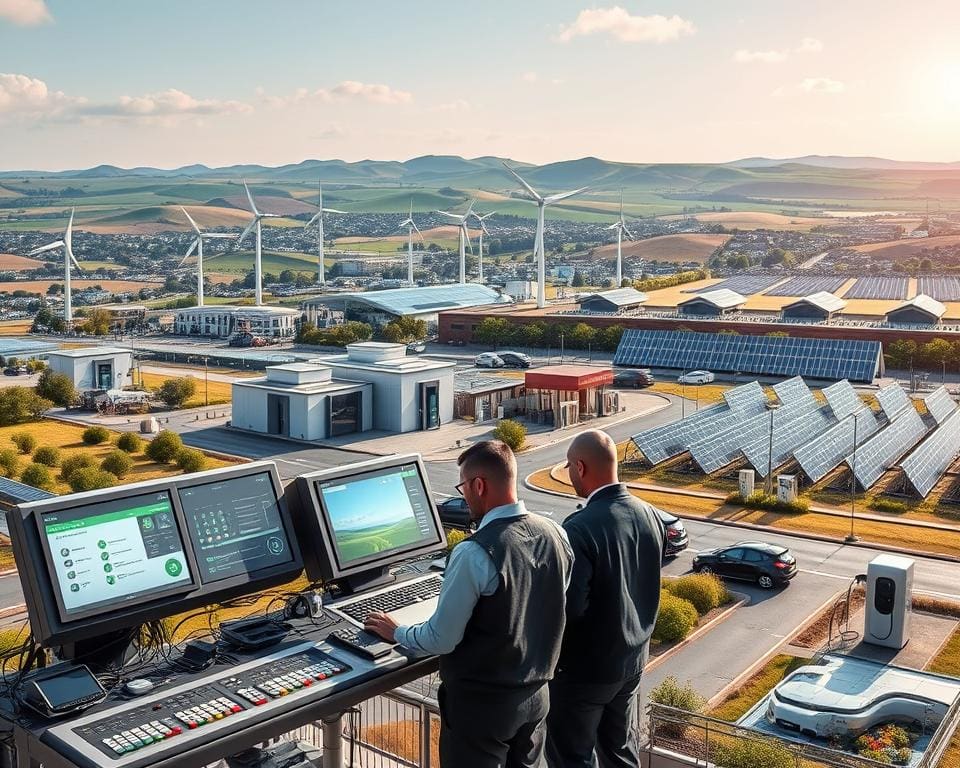
When you use electricity from wind or solar power, you rely on more than the generator itself. Smart grid technology connects renewable sources to the wider network and helps manage changing supply. It creates a more responsive smart electricity grid for homes, businesses and industry.
Older networks were built around large power stations that produced steady, predictable output. The renewable energy UK system is more varied. Offshore wind, onshore wind, solar photovoltaic panels and tidal power are spread across many locations, while their output changes with weather conditions.
A smart grid combines cables, substations and transformers with sensors, secure communications, data analysis and automated controls. It can track electricity flows, identify changes and adjust the system quickly. This supports renewable power integration without placing reliability at risk.
The technology does not produce clean electricity on its own. Instead, it helps the network connect more renewable generators, balance supply with demand, reduce avoidable losses and respond to faults. These functions are vital as you and other consumers switch to electric vehicles, heat pumps and electric heating.
Your local network operator, energy supplier and regulator all have a role in this clean energy transition. Organisations including National Grid Electricity Distribution, UK Power Networks, Scottish and Southern Electricity Networks, National Grid ESO, now the National Energy System Operator, and Ofgem help operate, plan and regulate the system.
A smart grid is not one device or product. It includes smart meters, network sensors, automated substations, forecasting tools, battery storage, electric vehicle chargers and energy management software. Even household controls can support a more flexible energy system when they shift demand away from busy periods.
In the following sections, you will see how smart grids connect renewable generation, balance demand, improve efficiency and strengthen the UK’s energy future.
How smart grid technology integrates renewable energy into the UK power system
Renewable energy integration depends on how generators connect to the UK electricity network. Large offshore and onshore wind farms often use transmission lines or high-voltage distribution networks. These links carry power over long distances to major centres of demand.
Commercial solar farms and larger businesses may connect to local distribution networks. Rooftop solar panels, small wind systems, home batteries, heat pumps and electric vehicles usually connect closer to homes and businesses. This spread of generation gives you more local power, though it creates new demands on network planning.
A connection agreement sets the technical terms for each generator. Network operators assess available capacity, voltage levels and fault risks before approving a connection. Technical standards can set export limits, control settings or reinforcement needs. These rules help each generator work safely with the wider system.
Renewable power is not always produced near the people who need it. Offshore wind farms can sit far from cities, while solar power may come from homes, warehouses and rural sites. Coordinated planning is vital when electricity must move between regions or flow through busy local networks.
Smart technology gives network operators a clearer view of these changing conditions. Grid sensors on substations, overhead lines, underground cables and other assets can report voltage, frequency, power flows and equipment condition in near real time. This information supports faster decisions when wind output rises or cloud cover reduces solar generation.
Automated controls can change network settings, manage voltage and redirect electricity flows. A control room may respond to a sudden change in local demand or renewable output without waiting for a manual inspection. These tools support wind power integration while helping maintain stable service for customers.
Advanced distribution management systems bring network data into one operating view. Supervisory control and data acquisition systems, digital substations and network management platforms help operators review conditions across many assets. This growing digital energy infrastructure makes it easier to track distributed energy resources and respond to local constraints.
Smart meters give you more frequent information about electricity use than traditional meters. With strong data protection and your permission, aggregated smart meter data can show demand patterns across a neighbourhood. Suppliers and network operators can use these trends to plan capacity, services and local flexibility.
Connected systems can identify changes in the use of home batteries, electric vehicles, heat pumps, solar panels and commercial demand response. This visibility helps operators understand when electricity is being produced, stored or consumed. It supports a more accurate solar power grid connection for both new and existing sites.
- Active network management can limit exports when a local circuit is full.
- Flexibility markets can reward batteries, generators and businesses for changing their output or demand.
- Network reinforcement may still be needed where capacity remains tight.
These measures can reduce the need for immediate physical upgrades in some areas. You may face a connection queue, an export limit or a request to provide flexibility. Smart connections do not remove every technical constraint, though they give operators more ways to manage it.
The UK’s distribution network operators are moving towards distribution system operation. This approach uses better data and closer coordination to manage active local networks. It links renewable generation, customer demand and network assets within a more responsive operating model.
Security must be built into this system from the start. Cybersecurity, interoperability, data governance and consumer privacy protect the people and assets connected to the network. Clear standards help different devices and platforms exchange information safely as renewable generation expands.
Balancing renewable energy supply and electricity demand
Renewable energy balancing means matching a changing supply with changing demand. Smart grid systems use live data, flexible assets and careful planning to keep the electricity network stable.
Wind and solar power depend on weather conditions. Wind farms generate more when wind speeds are suitable, while solar panels produce little at night and less during heavy cloud or poor weather.
Intermittency does not mean renewable power is unreliable by definition. It means you need enough flexibility to manage changing output and maintain a secure supply.
Managing intermittent solar and wind power
Smart grid control rooms monitor wind conditions, solar output, network limits and electricity demand in real time. Operators use this information to adjust power flows and prepare for changes in generation.
Offshore wind makes a major contribution to the UK electricity mix. A period of low wind can affect output across wide areas, so the system needs accurate forecasts and clear contingency plans.
The UK can spread risk by combining offshore wind, onshore wind, solar power, interconnectors, flexible generation and storage. Geographic diversity helps because weather conditions can vary across different regions.
Using demand response to match consumption with generation
Demand response changes when electricity is used in response to supply and network needs. This approach supports electricity demand management without asking people to reduce essential use.
For example, a business may charge electric vehicles or run cold storage equipment when renewable output is high. Smart tariffs can encourage households to use washing machines or heat pumps during periods of lower demand.
These actions create grid flexibility. They help absorb surplus renewable electricity and reduce pressure when demand rises or generation falls.
Forecasting renewable energy production more accurately
Wind and solar forecasting combines weather models, satellite data and live readings from renewable generators. Better forecasts help operators schedule power, manage reserves and respond to network constraints.
Forecasts are updated as conditions change. This gives control rooms more time to prepare for sudden cloud cover, changing wind speeds or a sharp increase in electricity demand.
Accurate forecasting reduces the need for costly backup generation. It supports reliable planning while allowing more renewable power to enter the network.
Supporting battery storage and flexible energy use
Battery storage UK projects can store surplus electricity when wind and solar output is high. They can release power within seconds when renewable generation drops or demand increases.
Smart controls can coordinate batteries in homes, businesses and larger grid sites. Flexible energy use, electric vehicles and heat pumps can respond to price signals and system needs.
This wider approach strengthens renewable energy balancing. It gives the electricity network more options during busy periods, low-wind events and sudden changes in solar output.
How smart grids reduce energy waste and improve efficiency
Smart grids give you a clearer view of how electricity moves from power stations to homes and businesses. Digital sensors track demand, voltage and network conditions across the system. This supports smart grid efficiency and helps operators plan safer, more efficient power flows.
Reducing transmission and distribution losses
Electricity loses some energy as heat while travelling through transmission lines, transformers, cables and local equipment. Losses depend on travel distance, voltage levels and the volume of power moving through each circuit.
Digital monitoring shows operators which circuits carry the greatest load. They can adjust voltage, reconfigure the network and improve demand forecasts within safe limits. These steps help reduce electricity losses without affecting service quality.
Rooftop solar and community energy can place generation closer to nearby demand. Shorter journeys may reduce losses in some areas. Local generation does not remove every loss. When production exceeds local demand, electricity can flow back into the network, so active control remains important.
Careful planning can limit the need for oversized cables and transformers built only for rare demand peaks. This supports long-term energy waste reduction across the network.
Identifying faults and preventing avoidable outages
Sensors can spot unusual current, voltage changes and equipment temperatures. This fault detection helps network teams find problems before they cause wider disruption. Crews can inspect a weak connection or overloaded component sooner.
Smart systems can isolate a damaged part of the network and redirect power through another route. You may experience a shorter outage, while engineers gain useful data for repairs and maintenance. Regular checks can improve safety and extend equipment life.
Using real-time data to optimise electricity flows
Electricity demand changes throughout the day. Real-time electricity management allows operators to respond to changes in household use, industrial activity and renewable generation. They can balance supply across different routes rather than relying on fixed assumptions.
Wind and solar output can change with weather conditions. Live network data helps operators manage these shifts with battery storage, flexible demand and available backup generation. This keeps voltage stable and reduces pressure on heavily loaded equipment.
Helping households reduce consumption through smart meters
Smart meters show you how much electricity you use and when you use it. Clear readings can reveal energy-hungry appliances, peak-time habits and avoidable waste. These insights support smart meter energy savings when you adjust routines or choose more efficient equipment.
You can schedule washing, heating and vehicle charging for suitable times when tariffs or network demand are lower. Guidance on efficient home heating can support these changes. Small actions across many homes can strengthen energy waste reduction and improve network performance.
The role of smart grid technology in a cleaner, more resilient energy future
The future of smart grids will help you use more clean power with greater control. Digital monitoring, automated controls and better forecasts make the network more visible, flexible and efficient. This supports the UK net zero electricity goal and strengthens the renewable energy transition.
As you adopt an electric vehicle, heat pump or home battery, your electricity use may increase. Smart tariffs and demand response can shift some of this demand to periods of strong wind or solar output. This energy flexibility can reduce peak demand and limit the need for costly network expansion, while helping connect renewable projects faster.
A resilient energy system will still need new cables, substations, interconnectors and generation, alongside storage and reliable digital platforms. Ofgem regulation, government policy, market reform and network investment must support this work. Open standards, strong cyber security and careful data governance can improve cooperation between suppliers, network operators and household technology.
Challenges remain, including connection delays, skills shortages, privacy risks and unequal access to smart equipment. Rural and less affluent communities must not be left behind, and consumer protection should remain central. With fair rewards and reliable service, smart grids can make decarbonisation practical for you, creating a cleaner, more affordable and resilient renewable energy transition.