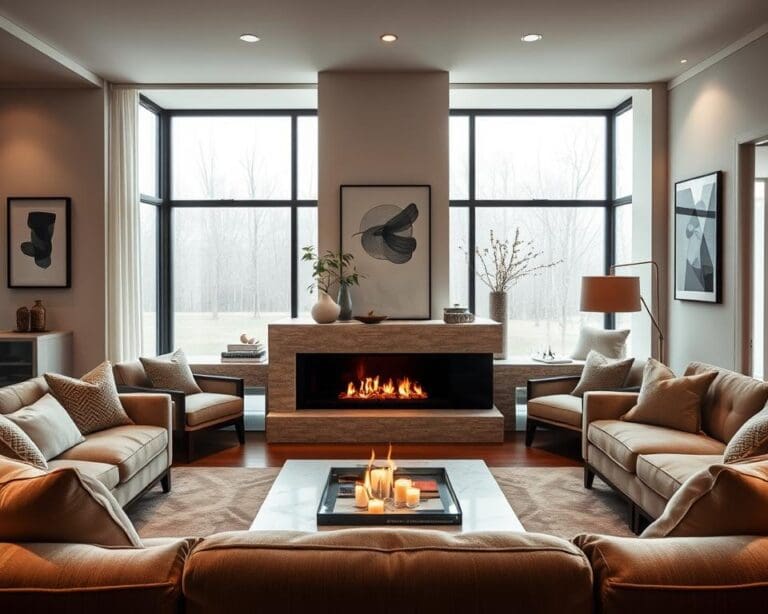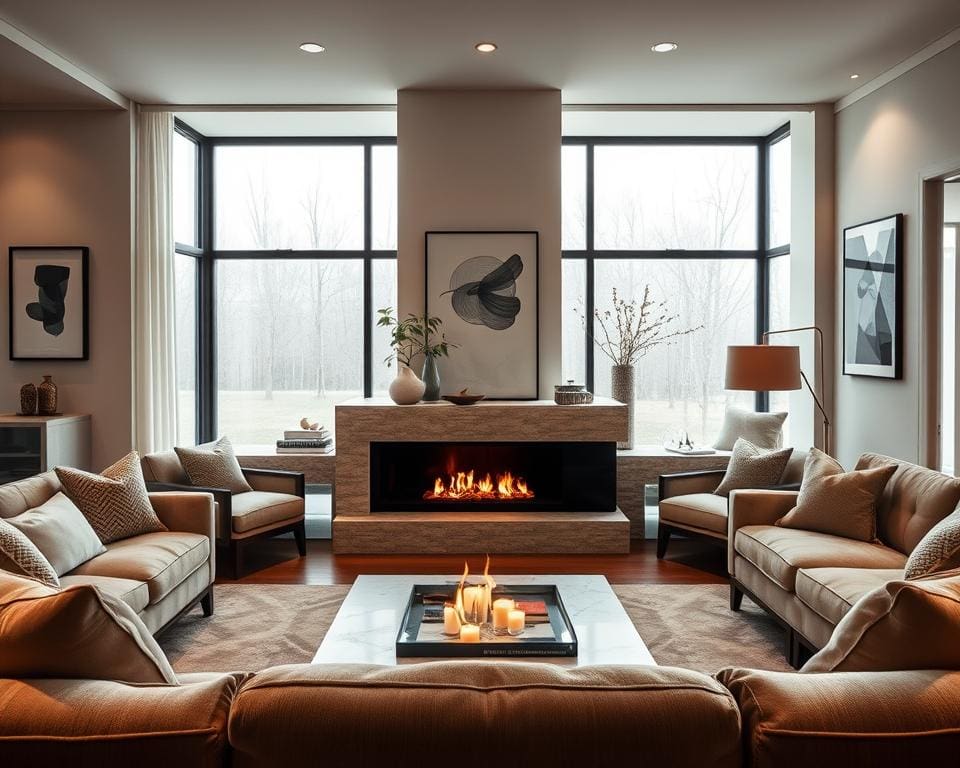
This guide helps you choose a modern fireplace that balances aesthetic impact with practical performance in a contemporary UK home. You will find straightforward advice on style, efficiency and suitability for contemporary interiors, from compact flats to open‑plan houses.
Installing a contemporary fireplace enhances ambience and creates a clear focal point in your living space. Beyond looks, a modern fireplace can provide useful supplemental heating and may boost property appeal when prospective buyers view your home.
Contemporary fireplaces differ from traditional designs by favouring clean lines, minimal surrounds and technology‑led options. Expect electric models with realistic flame effects, sleek gas suites and ethanol burners that suit minimalist décor and tight spaces.
When researching products you will often meet familiar UK brands such as Stovax and Gazco for gas and multifuel stoves, Dimplex and Bellfires for electric models, and designer names like Moda Flame and Planika for ethanol units. These examples give a practical starting point for comparing features, finishes and prices.
The remainder of the article explains how to choose the right type of fireplace, explores leading contemporary fireplace ideas and materials, and covers installation, safety and maintenance. The guidance applies to retrofit and new‑build projects and notes common constraints such as building regulations and leasehold restrictions.
Choosing the right modern fireplace for your contemporary home
Choosing a fireplace for a contemporary home means balancing style, heat and running costs. You should weigh modern fireplace types against your layout, planning constraints and the level of maintenance you want.
Understanding types
Gas models from manufacturers such as Gazco offer rapid heat and realistic flames. In the UK you must use a Gas Safe registered installer when fitting gas fireplaces UK models. Electric units by Dimplex or Bellfires give plug-in convenience and flexible installation. These showcase electric fireplace benefits like simple control and low upkeep. Wood and multifuel stoves from Stovax or ACR deliver strong heat and traditional flame character; DEFRA-approved options suit smoke-control areas. Ethanol burners from Planika or Moda Flame need no flue and provide real flame aesthetics, though their heat output is modest.
Design styles that suit contemporary interiors
Minimalist schemes favour slimline, frameless and linear units that sit flush to the wall. Industrial or loft spaces respond well to corten steel or blackened metal surrounds. Scandinavian-inspired rooms benefit from pale stone, timber mantels and warm textures. For a showpiece, designer freestanding units create sculptural impact and can be customised to fit a particular brief.
Sizing and placement for open-plan living
Think about fireplace sizing so the visual scale matches furniture and wall length. Linear models work well across long walls while centrally placed units form a natural focus for seating. In open-plan spaces calculate the room’s heat requirement in kW rather than relying on nominal ratings. Two-sided or see-through units can divide zones while preserving sightlines. Check leasehold covenants, listed-building rules and ventilation needs before committing to a flued installation.
Efficiency, heat output and running costs
Electric units score highly for point-of-use efficiency, yet electricity costs in the UK are higher per kWh than gas. Typical electric models offer 0.9–2.0 kW and suit supplementary heating. Gas and wood appliances often deliver 4–8 kW for larger rooms. Ethanol burners usually produce 1–3 kW and suit decorative or occasional use. Compare running costs by using kW output and your current tariff to estimate hours of use. Consider environmental impact: an energy efficiency fireplace choice depends on fuel source and how your electricity is generated.
Top contemporary fireplace designs and materials
Contemporary fireplaces balance clean lines, practical performance and material choice. You will find options that suit tight, urban flats and larger open-plan homes. Below are key design directions to help you pick a look that fits your space and lifestyle.
Slimline wall-mounted fireplaces for minimalism
Slimline wall-mounted fireplace models offer a low-profile, linear look that reads as modern and tidy. Electric units from Dimplex and balanced-flue gas versions from Bellfires sit close to the wall to create a floating effect.
You benefit from space-saving installation and a straightforward retrofit for flats or rental properties. LED flame beds and glass-fronted panels add depth without bulk.
Be aware these slimline options usually give less heat than larger inset units. Always check manufacturer clearances and use the correct wall fixings.
Inset and frameless designs for seamless integration
An inset model sits flush within the wall cavity for a seamless aesthetic. A frameless fireplace with glass front enhances a media-wall look and keeps the focus on the flame ribbon.
Inset installations need cavity depth, suitable lintels and careful insulation around the unit. Brands such as Gazco and Stovax offer inset gas and electric units built for this approach.
Planning structural support early saves time on site and ensures a safe, neat finish.
Stone, concrete and metal surrounds: pros and cons
A stone fireplace surround in limestone or marble delivers a timeless, tactile feel and thermal mass that radiates heat after the fire is out. Stone can be heavy and costly and often requires specialist installation.
A concrete fireplace suits brutalist or industrial schemes. It can be cast into bespoke forms and finished smooth or textured. Concrete is durable but heavy and may need sealing to prevent staining.
A metal fireplace surround in stainless steel, corten or blackened steel gives a sharp, lighter profile. Metal is easier to keep slim, but it conducts heat and can feel warm to the touch. Choose heat-resistant finishes.
Match materials to the mood you want: stone and concrete for permanence and weight; metal for crisp, modern lines; add timber accents for warmth where regulations allow.
Customisation options: finishes, glass choices and lighting
Custom fireplace finishes let you tailor the appearance. Options include powder-coating, polished stone, honed concrete, textured render and lacquered surrounds.
Glass choices affect your view of the flame. Clear, bevelled, tinted or anti-reflective glass changes perceived depth and clarity. Some models offer two-sided or three-sided glass for panoramic sightlines.
Fireplace lighting transforms mood. Integrated ambient LED lighting, ember-bed illumination and downlights enhance flame realism and make scenes easy to set with remote or smart controls.
- Log-effect fuel beds, glass beads and metallic media personalise the look.
- Choose materials rated for the appliance to avoid damage.
Installation, safety and maintenance for modern fireplace owners
When planning fireplace installation UK, start with qualified installers. Gas appliances must be fitted by a Gas Safe installer and solid-fuel units by a HETAS-registered fitter. Electric and ethanol models often need a qualified electrician for correct hardwiring and circuit provision. Follow Part J of building regulations and check local planning or listed-building consents; in flats, get landlord or freeholder permission before altering chimneys or adding flues.
Pay close attention to flue and ventilation requirements. Gas and wood need appropriate flues or balanced-flue terminations and correct chimney liners for wood stoves. Electric and ethanol models require less structural work but must meet manufacturer ventilation guidelines. Consider structural needs for inset or recessed installs: stud walls, lintels and supports may be necessary, and heavy stone surrounds demand confirmation of load-bearing capacity and access for fireplace servicing.
Safety should be central to daily use. Maintain manufacturer-specified clearances to combustibles, use hearths or screens, and fit audible carbon monoxide detectors if you have a gas or solid-fuel appliance. For bioethanol burners keep safety distances and never leave an open flame unattended. Have emergency steps ready for gas smells or flare-ups and keep contact details for Gas Safe or local emergency services to hand.
Routine fireplace maintenance sustains efficiency and value. Arrange annual servicing for gas units by a Gas Safe engineer and visual checks for electric systems. Chimney sweeping for wood stoves should be at least annually, more if used heavily; use seasoned kiln-dried logs and replace gaskets as they wear. For ethanol units clean spills immediately and follow fuel guidance. Check warranties, compare total installed costs, and visit showrooms such as Gazco, Stovax, Dimplex or Bellfires to view live flame effects before you buy.