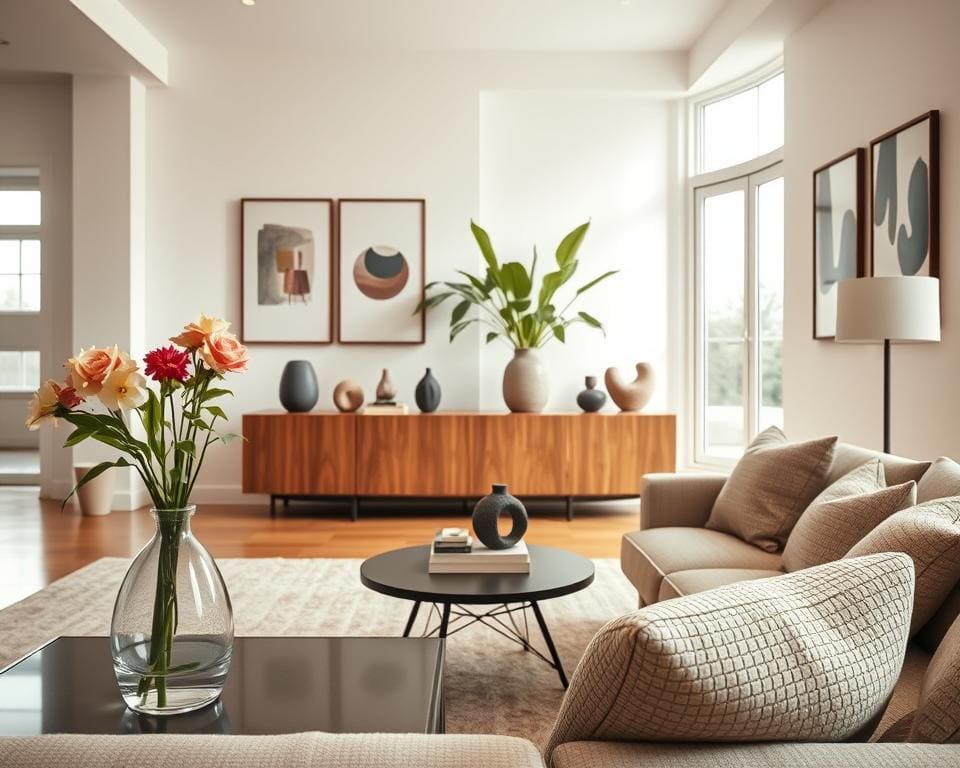
Your home can feel renewed without a full renovation. By following current home décor trends you balance style, comfort and practicality in every room.
Modern interiors in 2026 blend warm minimalism, tactile layering and flexible furniture with sustainable choices. These shifts respond to smaller homes, open-plan living and a desire for calmer, more functional spaces.
Trends matter because they shape daily wellbeing and resale value. Thoughtful choices about colour, materials and finishes make your rooms cohesive rather than piecemeal.
This guide is written for UK homeowners, renters and design-conscious readers. Expect practical tips, supplier examples from Habitat, John Lewis & Partners, Heal’s and Made.com, and pointers on flooring and finishes linked to trusted advice on materials from a reliable source: flooring options for UK homes.
Read on for a clear structure: warm minimalism and adaptable furniture; colour palettes and finishes; sustainable sourcing and efficient lighting; and finishing touches to modernise your space. Each section builds on the last to help you make intentional choices for contemporary interior design and UK home styling aligned with interior trends 2026.
home décor trends for contemporary living spaces
Contemporary living calls for calm, considered choices that blend comfort with functionality. You can achieve a lived-in look without clutter by focusing on quality pieces, natural materials and smart layouts. The following notes guide you through warm minimalism, texture layering and flexible furniture so your home feels welcoming and efficient.
Warm minimalism and mindful simplicity
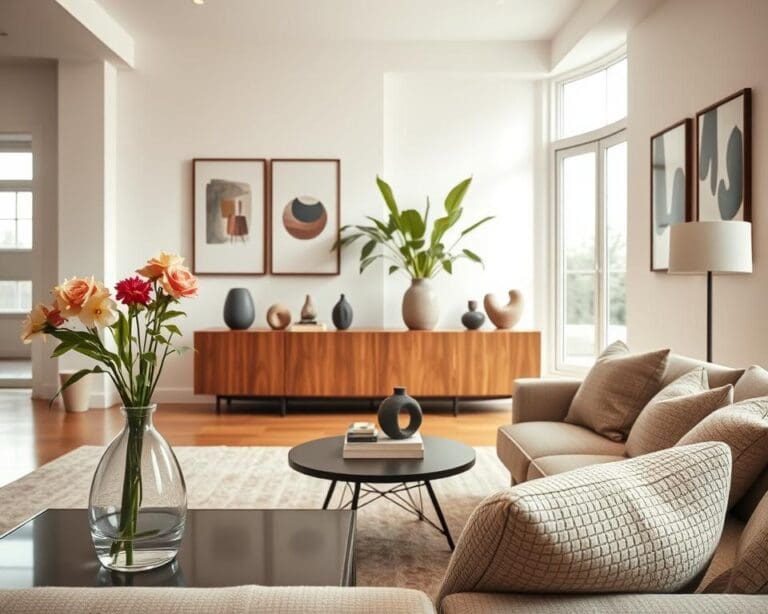
Warm minimalism means prioritising essential pieces that marry form, function and comfort. Choose fewer, better-quality items in soft shapes and muted tones to avoid sterility.
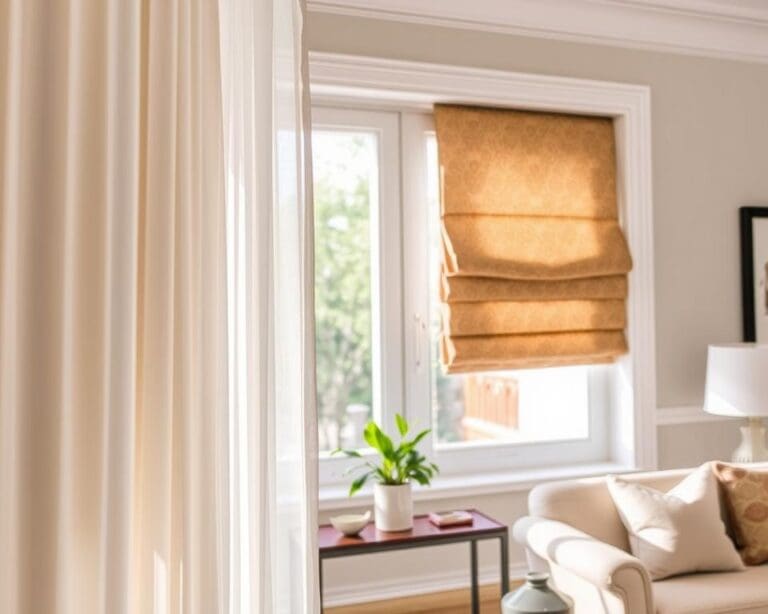
Opt for wool throws, linen curtains and oak tables to add a tactile sense of home. Brands such as Habitat and Sofa.com offer pieces that suit this approach without feeling cold.
Use declutter tips that protect character: audit possessions by function and joy, curate a few displays, rotate decorative items seasonally and invest in attractive closed storage like sideboards or bespoke joinery.
Layering textures for depth and interest
Mix natural fibres with subtle metallics to create contrast that remains restrained. Jute rugs, linen upholstery and wool blankets pair well with antique brass or brushed nickel accents.
Layer rugs of different pile heights and place a chunky wool throw on a linen sofa to build depth. Choose cushions with tonal patterns rather than bright colours to maintain visual calm.
Include matte ceramics, natural stone and uncoated metal finishes. These materials refine the palette and age gracefully while supporting a minimal aesthetic.
Flexible furniture for multifunctional rooms
Expandable and modular furniture is essential for compact homes. Look for extendable dining tables, nesting coffee tables and modular sofas from retailers like Made.com to adapt to guests and changing needs.
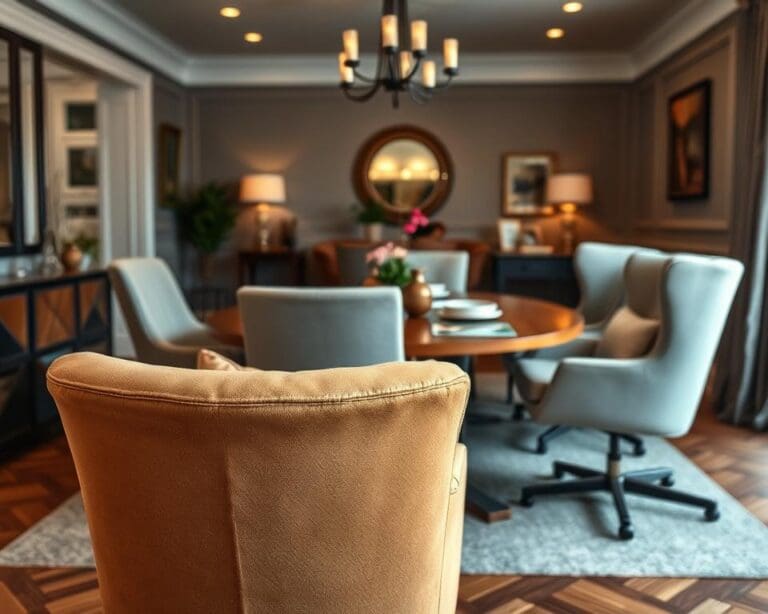
Plan adaptable layouts for open-plan living by zoning with rugs, layered lighting and low-level furniture. Keep sightlines clear and circulation easy to preserve a sense of space.
For storage, adopt modern storage ideas that suit period houses. Built-in cupboards, floating shelving, ottomans with storage and multifunctional benches tidy surfaces. Commission bespoke solutions to make the most of awkward alcoves in Victorian and Edwardian properties.
Colour palettes and finishes shaping modern interiors
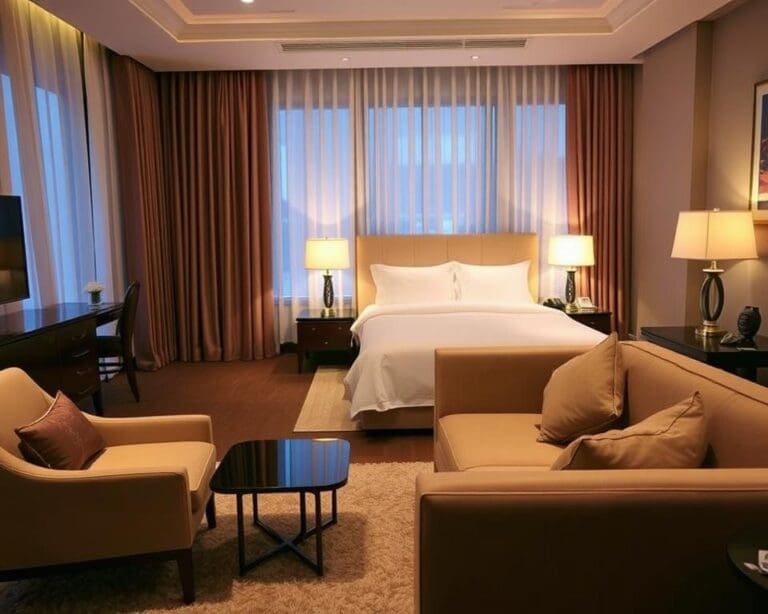
Start with a warm, calm base to make your rooms feel inviting. Trendy neutral palettes favour warm beiges, soft greiges and off‑whites that work with timber, rattan and stone. These neutral interiors give you a cosy backdrop that highlights natural materials and layers of texture.
Choose accent colours to bring personality without overpowering the space. Terracotta, muted greens, inky blues and mustard work well as cushions, throws or a painted piece of joinery. Use a painted feature wall or a run of coloured cabinetry to introduce colour in a controlled way.
Calming neutrals with bold accent colours
Use neutral interiors for large surfaces and introduce accent colours for focal points. Paint the dining area a deeper tone to define zones in open layouts. You can also place a contrasting rug or a strip of statement wallpaper behind a study nook to signal a separate function.
Test swatches in natural and artificial light before committing. Popular ranges from Farrow & Ball, Dulux and Little Greene include warm greys and soft greiges that hold well across seasons. For sofa choices and seasonal colour ideas, see a practical guide on what suits modern seating here.
Matte and satin finishes for contemporary appeal
Know when to use matte paint and when to pick satin paint. Matte emulsion gives a soft, velvety look that suits ceilings and low‑traffic walls. Eggshell or satin paint works better for skirtings, doors and busy walls because it cleans more easily.
For cabinetry, flat‑matte lacquered fronts or textured ash veneers feel modern. Handle‑less kitchens from IKEA display this approach at an accessible price point. Higher‑end makers such as deVOL and Smallbone offer bespoke finishes if you want a crafted look.
Keep paint care simple. Use washable emulsions in family rooms and match cleaners to the finish: gentle products for matte surfaces and stronger, non‑abrasive cleaners for satin finishes.
Statement wallpapers and textured paints
Wallpaper is back as a design statement. Botanical, geometric and abstract motifs work well on a single wall, in hallways or inside shelving recesses. Scale patterns to room size so the design reads at a distance without overwhelming small spaces.
Textured paint like limewash or sand‑effect finishes adds subtle depth and tactility. These options create soft shadows and a lived‑in feel while keeping colour restrained. Use textured paint behind beds or mantelpieces to make a calm focal point.
- Placement tip: focus on mantelpieces, bedheads or dining walls for greatest impact.
- Zone definition: paint a study alcove a different tone to separate it visually in an open plan room.
- Maintenance: keep a small touch‑up tin for high‑use areas and follow paint care advice on product labels.
Eco-conscious and sustainable décor choices
Choosing sustainable décor shapes a home that looks good and does good for the planet. Start with materials that have proven longevity and lower environmental impact. This approach cuts waste and saves money over time.
Look for FSC-certified timber, reclaimed wood, recycled metal and glass, organic cotton and linen. These eco-friendly materials resist fast wear and reduce the need for frequent replacement. Sustainable textiles with OEKO-TEX or GOTS certification protect you from harmful chemicals while supporting better farming and processing standards.
When you buy furniture or fabrics, ask clear questions. Check origin of materials, production methods, expected lifespan, repair options and take-back schemes. A simple checklist helps you compare retailers and makers before you commit.
Responsible materials and sourcing
Certifications matter. FSC ensures sustainable forestry, OEKO-TEX tests textiles for harmful substances, GOTS covers organic fibre processing, and the EU Ecolabel signals lower impact household products. Use these labels to verify claims and demand transparency.
Energy-efficient lighting and fittings
LED lighting gives long life and low energy use, so choose LEDs for most fixtures. Pick tunable white bulbs and smart controls from trusted brands like Philips Hue or LIFX to shift warmth and brightness through the day. Smart dimmers and zone controls cut running costs while supporting layered lighting plans.
Design three layers of light: ambient pendants, task under-cabinet illumination, and accent spots or wall washers. This mix keeps rooms flexible and attractive while reducing the need for high-power single sources.
Upcycling and second‑hand finds
Second-hand furniture UK options range from local auction houses and charity shops to curated vintage stores in London markets such as Portobello Road. Online marketplaces like eBay and Facebook Marketplace are useful for hunting quality pre-loved pieces.
Simple restorations can transform a find. Reupholstery, refinishing wood with natural oils, replacing worn hardware and basic joinery repairs extend life. Use independent upholsterers and joiners for bespoke work when needed.
Mix vintage pieces with contemporary design by anchoring rooms with modern items and using older pieces as focal points. Repeat colours or materials to tie eras together and avoid clutter by limiting vintage to one or two statements.
- Ask retailers: material origin, repair policy, take-back scheme.
- Prefer certified goods: FSC, OEKO-TEX, GOTS, EU Ecolabel.
- Choose LEDs and smart controls to save energy and set mood.
- Explore second-hand furniture UK sources and use upcycling tips for refreshes.
Key accessories and styling tips to modernise your home
Choose art that complements your colour scheme by picking pieces that echo your palette or provide a deliberate contrasting focal colour. Commission local artists or buy prints from Saatchi Art, Etsy or nearby galleries to support UK creatives. Use mirrors opposite windows or at room ends to bounce natural light and increase perceived space; match frames to your finish scheme, for example brass, oak or black metal.
Create a balanced gallery wall with a clear central anchor piece, then map the layout using paper templates on the wall. Mix frame styles but keep a unifying element such as a consistent mat colour or frame finish, and maintain even spacing. These gallery wall ideas make a strong visual statement without feeling cluttered.
Rotate cushions and throws seasonally to refresh texture and warmth: light linens for spring and summer, chunky wools for autumn and winter. Choose high-quality wool and natural-fibre rugs from trusted UK suppliers and smaller makers. For coffee tables and shelves, group objects in odd numbers, vary heights and textures, and include a book stack, a plant and one statement object to keep surfaces functional yet styled.
Bring resilient indoor plants like Sansevieria, Pothos and, where light allows, a Fiddle Leaf Fig, and place planters that suit a modern aesthetic—terracotta, glazed ceramic or woven baskets. Layer lighting layers by combining task, ambient and accent options: desk lamps for work, floor lamps for reading corners and picture lights for art. Finish with soy or beeswax candles, natural essential oil diffusers and considered sensory styling—mix tactile textures, low-level sound, varied lighting temperatures and subtle scents to create a cohesive, welcoming space.