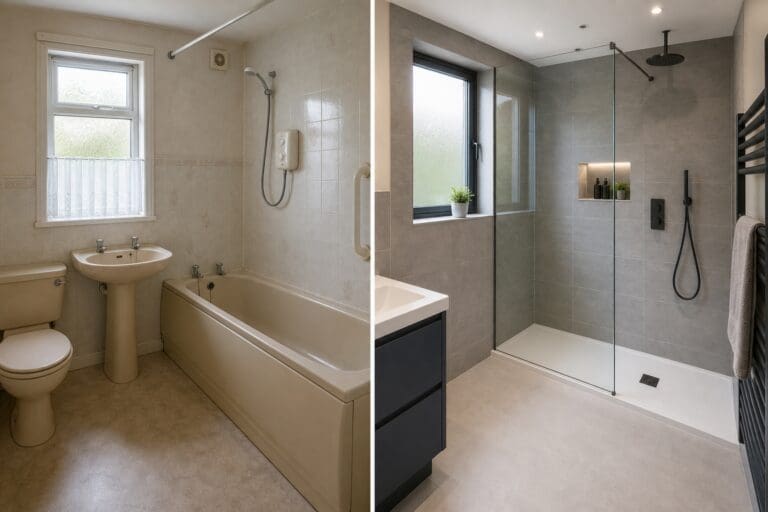
Planning a successful home renovation begins with a clear purpose. This guide helps UK homeowners turn ideas into practical renovation goals UK and a workable home improvement strategy.
Careful home renovation planning reduces stress and protects your budget. It also boosts energy efficiency, everyday comfort and property value when done thoughtfully.
Think about the type of property you have, from Victorian terraces to 1930s semis or leasehold flats. Weather, insulation and damp-proofing matter here, as do market factors such as labour shortages and material costs.
Start a renovation checklist and keep a notebook or digital folder with measurements, inspirational images, room needs, existing plans and an early budget range. Use the Planning Portal for permitted development advice and Energy Saving Trust tools for efficiency options.
Adopt a flexible mindset: prioritise functionality and long-term value, expect to compromise at times, and allow contingency for surprises like hidden damp or structural issues. Treat planning as an investment in clarity for a truly successful home renovation.
Home renovation planning: setting goals and defining scope
Start by defining clear renovation goals so every choice links back to a purpose. Are you improving resale value, enhancing family living, increasing accessibility or refreshing the look? A crisp brief helps shape trade selections, materials and the final layout.
Clarify your vision and priorities
Create a room-by-room wishlist that lists must-haves and nice-to-haves. Note storage needs, workspace, lighting and preferred finishes. Use inspiration from Grand Designs, The Times features, Houzz or Pinterest to refine ideas and keep a consistent style.
Set renovation priorities early. Decide which features are essential and which can be deferred. This makes trade-offs easier when quotes arrive or unexpected issues appear.
Establish the project scope and must-haves
Define whether the work is cosmetic, a reconfiguration or structural. Cosmetic jobs cover redecorating and new floors. Reconfiguration includes knocking through or adding an extension. Structural work covers roofs, foundations and damp remediation.
Commission appropriate surveys: a RICS Condition Report, HomeBuyer Report, structural inspection or an asbestos survey for older homes. Prioritise essential services such as electrics and plumbing before fit-outs, so finishes do not get ruined by later repairs.
Assess timing and lifestyle impact
Assess realistic timelines. Small refurbishments may be finished in weeks. Full-house renovations and extensions often take months. Factor in lead times for specialist trades and materials, which can be longer across the UK.
Plan for living through renovation. Decide whether to stay in the house, phase works or move out temporarily. Consider access for trades, storage for furniture and rental costs if you relocate. Add these items to your pre-renovation checklist UK.
Agree a communication plan with your contractor. Weekly site meetings, photos and a simple schedule help manage expectations and reduce disruption to family routines.
Setting a realistic budget and financing options
A clear renovation budget keeps the project on track and reduces stress. Start with a simple estimate, then refine numbers as quotes arrive. Build time for decisions and for surprises into your plan.
Break down costs to understand where money is spent. List structural works, joinery and kitchens, bathrooms, plumbing and electrics, heating and insulation, windows and doors, decorating and finishes, waste removal, scaffolding and temporary accommodation where needed.
Include professional fees for architects, chartered surveyors, structural engineers and party wall surveyors if required. Interior designer fees sit here too. Ask for fee splits so you can compare fixed charges and percentage-based quotes.
Labour and subcontractors often form the largest single cost. Request detailed quotes showing unit rates for brickwork, plumbing and electrical work. That makes it easier to compare offers and spot hidden costs in a cost breakdown renovation.
Set aside a renovation contingency. For small jobs aim for 10–20%. For major refurbishments or older homes allow 20–30% because hidden defects emerge more often than you expect.
Explore financing routes available in the UK
Use savings where possible to avoid interest payments. For larger sums consider remortgaging or a further advance; lenders such as Nationwide and Halifax may offer competitive rates subject to valuation and approval.
Personal loans and homeowner loans speed access to funds but typically carry higher rates than secured options. Specialist secured loans and renovation mortgages can release funds in stages, useful for phased work.
Bridging loans suit quick turnarounds on larger projects. Check terms carefully and consult mortgage advisers or brokers for tailored guidance on financing home improvements UK.
Search local council schemes for grants on energy efficiency or accessibility. Some Local Authority ECO programmes may help with insulation or heating upgrades. Use credit cards only for small purchases because large balances attract high interest.
Prioritise spending for maximum value
Decide what will add the most value and comfort. Kitchens and bathrooms are high-impact rooms when updated sensibly. Energy-efficiency upgrades reduce bills and boost appeal to buyers.
Balance cost and durability. Choose robust materials in high-traffic zones and reserve premium finishes for focal areas. A clear cost-benefit view helps you prioritise renovation spend where it matters most.
Consider phasing works if cash flow limits you. Tackle structural or safety issues first, then follow with cosmetic upgrades. Phasing keeps you moving forward without overstretching finance plans.
Choosing professionals and planning the project workflow
Bring together the right team to turn plans into reality. Start with a clear brief and use professional registers to locate qualified experts who match your needs. Shortlist candidates, check portfolios and verify insurance so you can proceed with confidence.
Selecting the right architect, designer and contractor
Look to the Royal Institute of British Architects and the Royal Institution of Chartered Surveyors when you want to hire architect UK or consult on complex structural work. Use TrustMark or the Federation of Master Builders to find builder firms with verified credentials.
Assess portfolios for similar projects and visit completed works where possible. Ask about materials, conservation experience and client references. Confirm public liability and employer’s liability insurance before you sign.
Obtaining quotes and comparing proposals
Request itemised quotes that separate labour, materials, prime costs and provisional sums. A clear breakdown makes it easier to compare and to compare renovation quotes fairly.
Invite at least three contractors for larger jobs and give each the same information pack. Evaluate value beyond price by checking communication, proposed timeline and warranties from NHBC or FMB dispute schemes.
Use a written contract, such as a JCT form or a bespoke agreement, that sets scope, payment schedule, variations process and dispute resolution. Keep records of all proposals and agreed changes.
Developing a realistic schedule and milestones
Break the work into phases: demolition, structural work, first-fix services, plastering, second-fix and finishes. Link payments to milestones so cashflow matches progress on site.
Plan for lead times by ordering bespoke items early and confirm delivery windows in writing. Build contingency days into the timeline and hold regular site meetings to track progress and manage risks.
Permits, building regulations and party wall matters
Check whether planning permission or permitted development rights apply for extensions and larger alterations. For listed buildings, seek specialists with conservation experience.
Submit Building Regulations applications or appoint an approved inspector to ensure compliance with structural, fire and electrical standards. Inspections at key stages are often mandatory.
If works affect a shared structure, serve party wall notices and, where necessary, appoint a surveyor to agree a party wall agreement. Addressing this early avoids disputes and costly delays.
Preparing the home and managing the renovation process
Start with practical site preparation to make managing renovation smooth. Declutter rooms and move furniture where possible, then protect fixed items with dust sheets and floor coverings. Photograph utility meters, label stopcocks and fuse boxes, and complete asbestos and gas safety checks as needed. Notify your insurer before work begins and arrange secure storage for valuables and important documents.
Agree welfare and storage arrangements with your contractor, including a site hut and safe pedestrian routes. Obtain skip permits from the local council if the skip sits on public land and plan waste removal in advance. Share a clear contact list for the contractor, site manager and architect, and set simple daily or weekly update routines so everyone knows how to report issues and variations that may affect cost.
Be present for regular site meetings, keep a photographic record of progress, and carry out quality checks at each milestone. Use a structured snagging list to record defects during renovation snagging and before the final payment is made. Enforce health and safety: ensure COSHH guidance is followed, that workers have correct PPE, and that the site is secured to protect children and pets while living through renovation.
When disputes or delays occur, document all communications and follow the contract’s variation and dispute resolution clauses; consider mediation or industry schemes such as the Federation of Master Builders or NHBC if needed. For final handover, collect Building Regulations completion certificates, guarantees for boilers and electrics, final invoices and warranties. Complete a post-occupation review as part of your post-renovation checklist UK to catch settling issues and plan any follow-up work to improve energy performance and long-term maintenance.