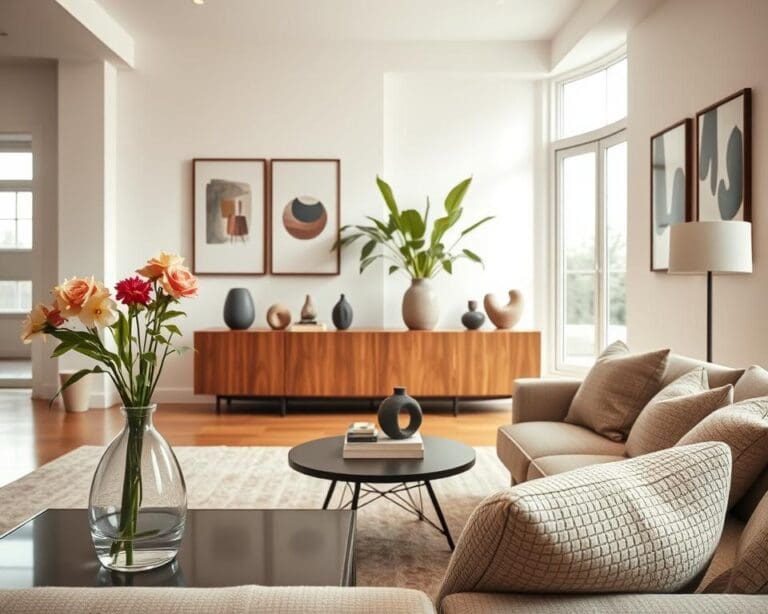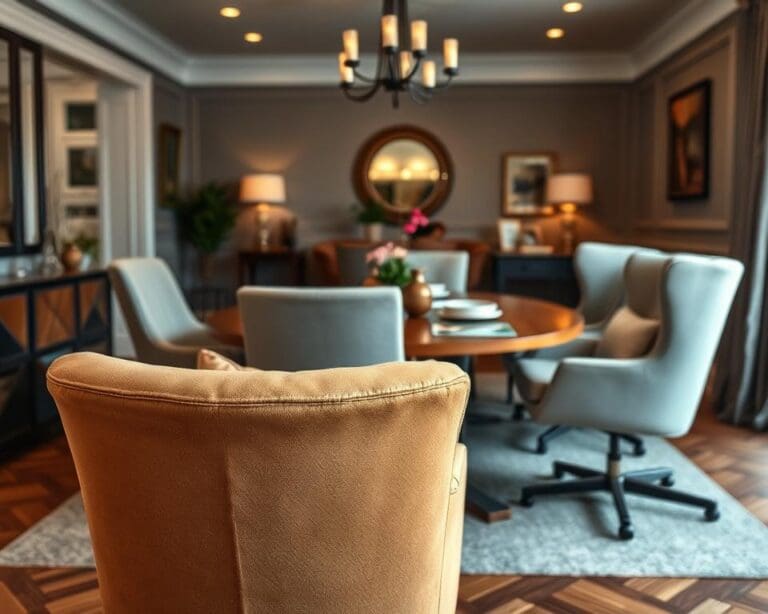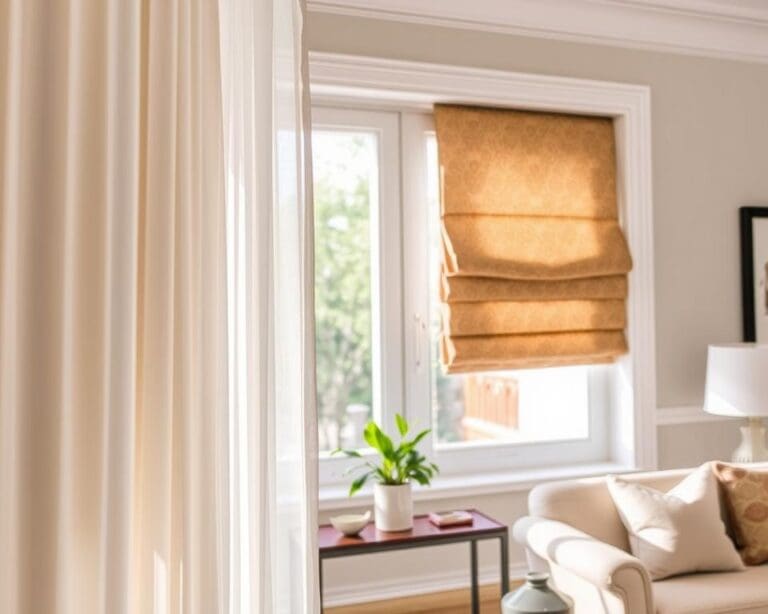
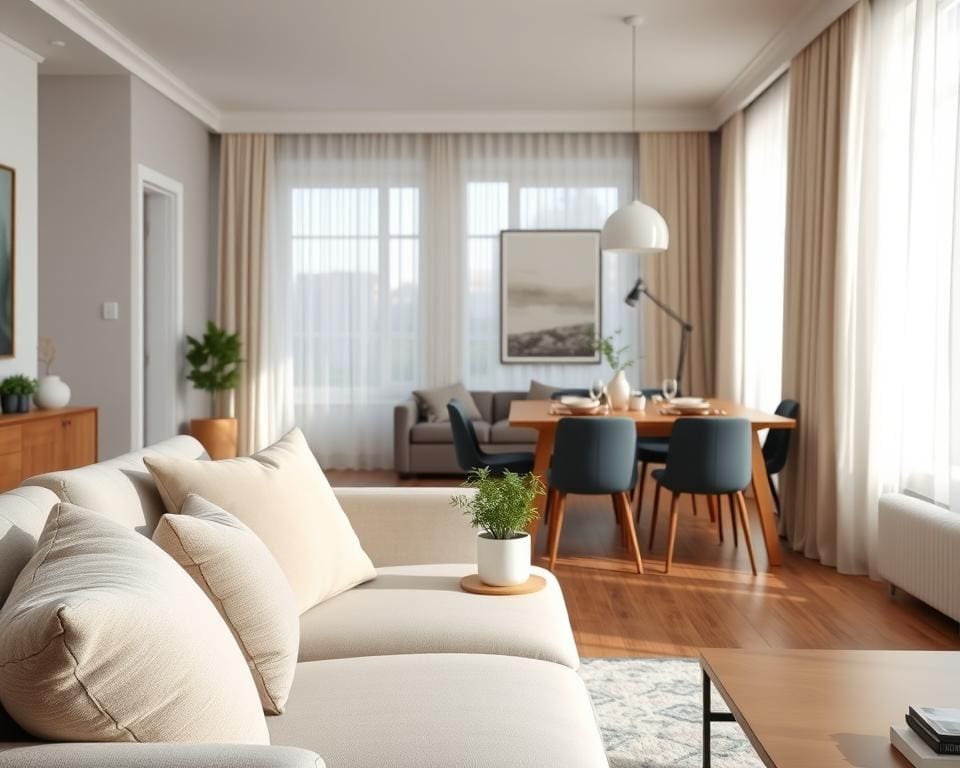
Choosing furniture for home can feel overwhelming, but it becomes straightforward with a clear plan. This home furniture guide sets out a simple, step-by-step approach to help UK homeowners and renters decide what to buy with confidence.
Begin by thinking about how the space will be used and who will use it. Practical choices — from sofa depth to dining-table size — should reflect daily routines and household makeup.
Next, pair personal style with sensible measurements. Learn how to choose furniture that fits scale and proportion so rooms feel balanced and inviting rather than cramped or sparse.
Budgeting and material choices matter too. This guide explains where to invest in quality, where to save, and how to consider sustainable or second-hand pieces from outlets such as Habitat, John Lewis & Partners and charity shops.
By the end you will have a practical shopping checklist, furniture selection tips and clearer priorities for choosing furniture for home that delivers comfort, cohesion and lasting value.
Assessing Your Space and Lifestyle to Choose Furniture Home
Begin by taking a clear-eyed look at your rooms and how your household lives in them. Good choices start with accurate measurements, a sense of daily rhythm and a plan that balances wear with style. This helps you pick pieces that feel right and last.
Measuring rooms and planning layout
Measure room length, width and ceiling height. Note window and door positions, radiator locations and any alcoves or built-ins. Record standard UK door widths and consider lift or stair constraints when moving large items into flats.
Use a tape measure or a laser measure and draw to scale on graph paper. Try downloadable room planners from IKEA or John Lewis, or simple tools such as SketchUp and RoomSketcher to test ideas. Allow clearances: keep 45–60cm between coffee table and sofa, 60–75cm per dining seat, and 80–90cm for busy corridors.
Considering traffic flow and functional zones
Define activity areas for entertaining, dining, working, play and relaxation. Place anchor pieces like the sofa or dining table to set each zone. Rugs, shelving and console tables help mark boundaries in open-plan homes.
Think about sightlines to windows, fireplaces and the TV to avoid awkward angles and glare. Apply traffic flow furniture ideas so people can move naturally without bumping into chairs or blocking doorways.
Evaluating family needs and daily routines
Assess who uses the room: young children, teenagers, pets, older relatives and remote workers all influence material and layout choices. Opt for family-friendly furniture with stain-resistant fabrics or removable covers where spills are common.
Consider multifunctional items such as sofa beds, extendable tables and storage ottomans to support changing routines. Choose rounded edges for child-safe spaces and firm seating for older adults to aid comfort and accessibility.
Balancing durability with aesthetic preferences
Match high-use pieces to robust construction: solid hardwood or engineered plywood frames and performance upholstery for sofas and dining chairs. Pick finishes that suit your lifestyle; lacquered surfaces resist spills while oiled woods can be refreshed over time.
Request fabric swatches and view finishes in natural and artificial light before you commit. Use furniture layout tips and knowledge of materials to create a home that looks beautiful and performs well under everyday use.
Defining Your Style and Colour Palette
Start by deciding how you want a room to feel. To define home style, review popular British interior style options such as contemporary, Scandinavian, mid-century modern and traditional British. Pick one dominant direction and let it guide scale, key pieces and proportions.
Use a statement item to set the tone. A sofa or dining table can anchor the room and help you choose complementary pieces. Consider architectural features like Victorian cornicing or a modern open-plan layout when making decisions.
Identifying a cohesive design direction
- List the styles that appeal and note which match your home’s bones.
- Choose one main style and add secondary influences for depth.
- Test a key piece in the space before committing to a full scheme.
Creating mood boards and collecting inspiration
- Gather images from Elle Decoration UK, House & Garden, Pinterest and Instagram accounts by designers such as Sophie Paterson.
- Include paint swatches, fabric samples and photos of the room to form a mood board furniture plan.
- Keep a list of product sources and measurements to check feasibility.
Choosing colours and finishes that complement existing features
- Assess fixed elements like flooring, cabinetry and fireplace surrounds before you choose colour palette furniture.
- Use neutral base pieces so cushions and accessories can add accent tones.
- Think about light: pale shades open small rooms, deeper tones add cosiness in larger spaces.
- Decide on finishes—matte, gloss, brass or chrome—and how they affect warmth and formality.
Mixing textures and materials for visual interest
- Combine wool, linen or velvet with oak, marble and metal to mix textures interiors effectively.
- Layer rugs, throws and cushions so you can update the look seasonally without replacing large items.
- Choose durable materials suited to UK climates, such as oiled oak and mildew-resistant fabrics for humid spaces.
Budgeting, Quality and Practical Considerations
Start by setting a clear furniture budget UK for each room. Break spending down by category and put larger sums toward pieces you use every day. A phased plan helps spread cost and lets key items guide later choices.
Setting a realistic budget and prioritising key pieces
Allocate roughly 20–30% of a room budget to a quality sofa and 10–15% to a dining table, then tweak numbers to suit how you live. Prioritise a mattress, sofa and dining table as investment pieces that shape the room.
Create a purchase schedule so you can buy essentials first and add accents over time. This approach reduces impulse buys and keeps you within the furniture budget UK you set.
Understanding materials, construction and warranties
Look for hardwood frames such as oak or beech, or kiln-dried engineered timber for structure. Avoid glued particleboard in load-bearing items. Check suspension systems: coil springs with webbing last longer than basic webbing alone.
Inspect fillings for comfort and resilience. High-density foam holds shape, feather-wrapped cushions need more care. Keep receipts, register products and consult the furniture quality guide for standards like FIRA testing and upholstery fire-safety compliance.
Where to splurge and where to save
Spend more on pieces you use daily and that define the room. A sofa, mattress or bespoke dining table are worth investment. Think about scale and function before choosing bespoke options.
Save on accent items that are easy to replace. Side tables, lamps and cushions can be sourced from high-street retailers. Use mid-market brands such as John Lewis & Partners or Heal’s for a balance of value and longevity when you want quality without overspending.
Sustainable options and second-hand furniture tips
Choose sustainable furniture UK with FSC-certified timber and low-VOC finishes when possible. Look for brands that publish supply-chain details and sustainability reports to check claims.
Second-hand furniture tips include buying from reputable charity shops, specialist restorers or vetted online sellers. Refurbish, reupholster or refinish well-made pieces rather than replace them to reduce embodied carbon and benefit from older craftsmanship.
Practical planning, informed choices and a focus on quality will stretch your budget and give you furniture that lasts.
Shopping, Sourcing and Styling Tips for Long-lasting Results
Start with research before you step into a shop or click buy. Read reviews, check return policies and delivery terms, and measure doorways and lifts. Speak with your building manager or a removal firm if access is tight; this simple check avoids costly surprises and helps with furniture sourcing UK decisions.
Mix high-street names like John Lewis & Partners and Habitat with online options such as Made.com, Wayfair UK, and lifestyle brands including Swoon and Loaf. Visit local bespoke joiners and independent makers to find unique pieces and support local craft. Ask questions in store about frame construction, request photos of joints, see fabric rub tests and get warranty documentation to compare quality and lead times.
When styling, keep rooms breathing space and choose proportional pieces to make a scheme feel enduring. Build on neutral bases and timeless silhouettes, then add personality with cushions, throws and artwork. Use styling tips furniture such as rotating cushions and rugs, felt pads under heavy items and coasters on tables to reduce wear and keep the look fresh without remodelling.
Extend lifespan with routine care aligned to manufacturer advice: vacuum upholstery, condition leather with suitable products and re-oil wooden surfaces when recommended. Guard against UK issues like damp with dehumidifiers, avoid prolonged sun exposure that fades fabrics and check that radiators or underfloor heating do not dry timber. For damage, choose professional repair from local upholsterers or cabinetmakers to preserve value and character, and practise long-lasting furniture care by investing in well-made pieces and maintaining them over time.