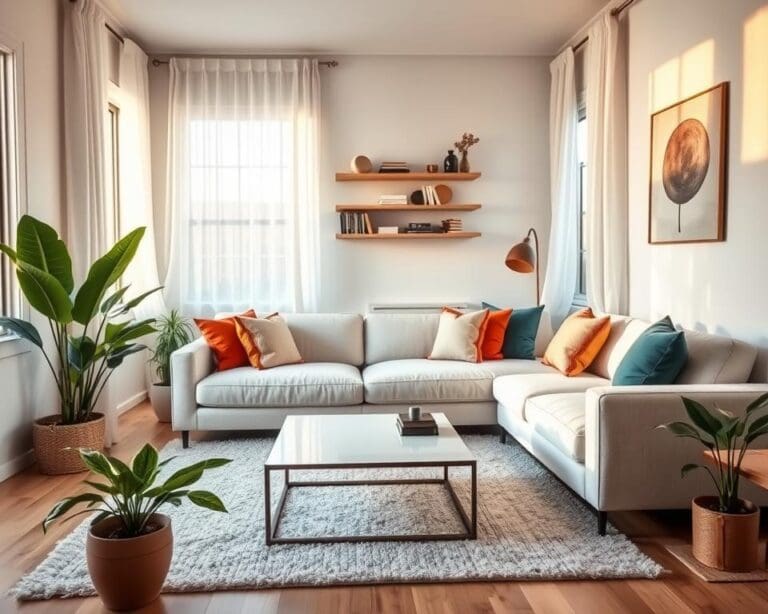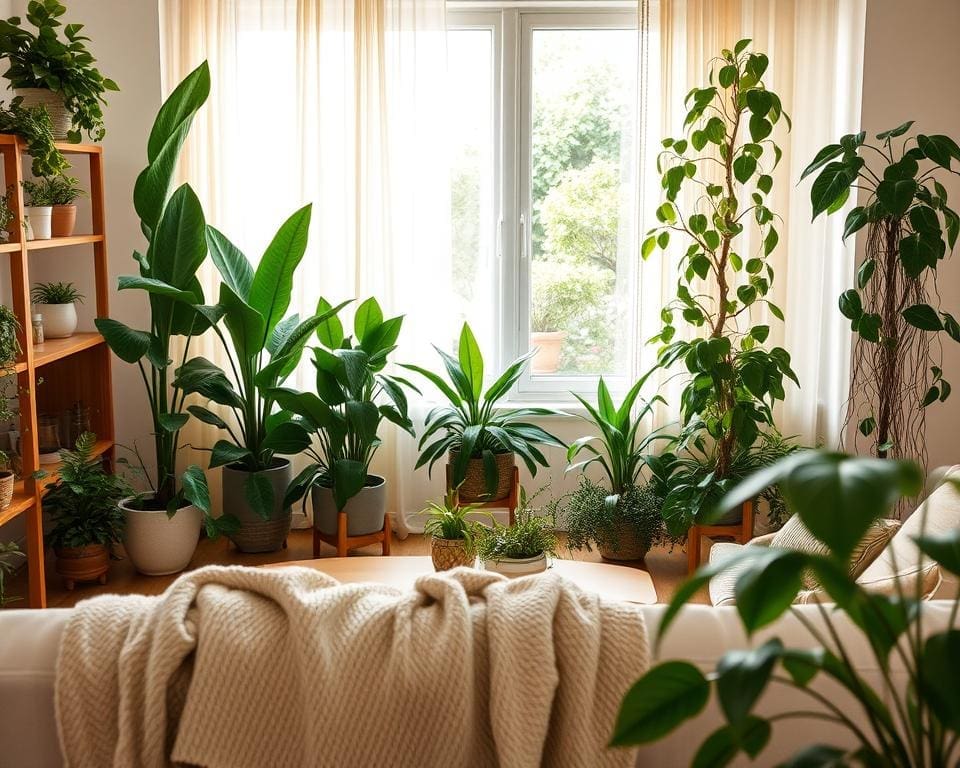
Bringing indoor plants into your home can make a clear, positive difference to your atmosphere and wellbeing at home. The biophilia idea first popularised by Edward O. Wilson helps explain why people feel calmer and more connected when surrounded by greenery. In the UK, interest in plants for home has surged as more people live in flats and seek sustainable interiors that lift mood and comfort.
At a glance, houseplants benefits include better indoor air quality, humidity regulation through transpiration, and small changes to temperature at a room level. You may also notice reduced stress and improved concentration when you place plants where you work or relax. Caring for plants offers a simple mindful routine that supports mental balance.
It is important to be realistic: plants help, but they do not replace good ventilation, professional mould remediation, or medical care for respiratory conditions. Effectiveness depends on the species you choose, the number of plants relative to room size, and the light and care they receive.
As you read on, you will learn the science behind how plants affect indoor air quality, the psychological and productivity gains you can expect, and practical guidance for selecting and looking after indoor plants suited to typical UK homes. This section sets the scene for the evidence and tips that follow.
Indoor plants: benefits for air quality and physical health
Bringing plants into your home can change the way your rooms feel and breathe. Air-purifying plants offer more than decoration; they take part in simple biological processes that interact with indoor air. You should view them as supportive tools that work alongside good ventilation and sensible household choices.
How plants reduce indoor pollutants
Some species remove volatile organic compounds (VOCs) from the air through leaf uptake and root–microbe activity. Early laboratory work by NASA highlighted Spathiphyllum (peace lily), Chlorophytum comosum (spider plant) and Epipremnum aureum (pothos) as effective in sealed test chambers at lowering levels of benzene, formaldehyde and trichloroethylene.
Real homes differ from laboratory chambers. Larger room volumes and routine ventilation mean you would need many plants to match the pollutant reductions seen in sealed tests. Use air-purifying plants to complement source control measures such as low-VOC paints and avoiding indoor smoking rather than as a sole solution.
Healthy potting compost and an active rhizosphere of microbes can boost removal of certain contaminants. Keep plants well-cared for so the root zone can support microbial processes that help degrade some indoor pollutants.
Plants and humidity regulation
Transpiration is the process by which plants release water vapour through stomata. In dry indoor environments, this can nudge relative humidity upwards and make the air feel less harsh, which is useful during cold months with central heating.
Species with large leaf area such as Philodendron and Monstera, plus groups of plants, have a stronger effect on humidity control than single small pots. Small increases in humidity can reduce dry skin, nasal irritation and static electricity.
Excessive moisture can encourage mould growth in poorly ventilated spaces. Use a hygrometer to keep relative humidity in the typical comfortable range of 40–60% and pair plants with good airing to support mould prevention.
Impact on allergy and respiratory symptoms
Most common houseplants produce little airborne pollen and are not major sources of indoor allergens. Flowering varieties may release pollen but many popular foliage plants remain low risk for most people.
Leaves and increased humidity can cause dust to settle, lowering airborne particulates and sometimes easing symptoms for those with dust sensitivity. This effect can be modest but helpful as part of wider dust-management measures.
Poor drainage and overwatering raise the risk of mould in compost or on pot surfaces, which can worsen respiratory symptoms. Choose well-draining compost, pots with drainage holes and avoid excess watering to reduce that risk.
If you have established asthma or severe allergies, consult your GP or an allergy specialist before adding many new plants. Plants support general respiratory comfort and should not replace medical advice or treatment.
How indoor plants influence mood, stress and cognitive function
You may not realise how quickly a pot of green can change the feel of a room. Studies show short-term exposure to greenery lowers perceived stress, blood pressure and heart rate in lab and field settings. Workplace and healthcare research finds rooms with plants help patients report better mood and faster recovery, a clear example of indoor greenery benefits.
Visual cues from green hues and natural shapes soothe the eye. Subtle plant scents and the presence of living organisms add comfort and a sense of refuge. These sensory effects combine to improve perceived indoor environment quality and support plants and mental health.
Plants often boost social and aesthetic wellbeing. You may feel pride tending a display when guests arrive. Sharing growth tips with friends or neighbours creates connection and reinforces a positive attachment to your home.
Psychological benefits of living with plants
Research summarises that exposure to plants reduces stress markers and promotes calm in short visits or extended stays. Experiments in offices and hospitals show measurable drops in anxiety and modest improvements in mood. These outcomes underline the role of plants and mental health in everyday spaces.
Living plants offer more than physiology. They act as living décor that signals care and order, which can stabilise emotions. The calming visual field and low-level sensory input help your brain downshift from high alert to relaxed attention.
Plants and productivity at home
Presence of plants can raise attention and task performance in work and study tasks. Research links greenery to reduced mental fatigue and improved cognitive performance during focused work periods. Cleaner air and soft background stimulation help concentration without demanding effort.
To boost productivity at home, place low-maintenance species where you can see them. Consider snake plant (Sansevieria, also sold under Dracaena trifasciata), pothos or ZZ plant (Zamioculcas zamiifolia). These options suit a range of light conditions and lower upkeep needs, helping your workspace feel distinct and purposeful during hybrid working.
Mindful care as a wellbeing practice
Daily watering, pruning and repotting are simple tasks that centre attention on the present. Such routines create gentle rituals that mirror mindful gardening and cultivate a sense of nurture. Regular care builds purpose and steady rhythm that benefits people with low mood or isolation.
Joining local gardening clubs or visiting reputable retailers and Garden Centres Association members connects you with community and learning. Start with a few easy-care plants, use a watering schedule or phone reminders and label care notes to reduce worry about ownership. These small systems make houseplants stress reduction easier to maintain and weave plant care into your day.
Practical guidance for choosing and caring for plants to improve your home atmosphere
Start by assessing your light and space. North‑facing rooms are low light; choose best indoor plants UK such as snake plant, ZZ plant or Aspidistra elatior. East and west windows give medium light, ideal for pothos, peace lily and philodendron. South‑facing rooms suit bright‑light species like succulents, Ficus and citrus houseplants. Match plant placement to these zones to help them thrive.
Factor in household needs: pets, children, ventilation and humidity. The Royal Horticultural Society publishes pet‑safe lists you can consult when selecting specimens. For low‑maintenance houseplants, pick hardy types if you have limited time or variable temperatures. Grouping different sizes — floor specimens, tabletop pots and hanging baskets — creates a pleasant aesthetic and boosts local humidity.
Follow simple plant care tips for long‑term success. Use free‑draining, well‑aerated houseplant compost and pots with drainage holes; brands such as Westland and Levington are commonly available across the UK. Water thoroughly then allow the topsoil to dry to a depth suited to each species. Keep a reasonable watering schedule, avoid overwatering and feed with a balanced houseplant fertiliser in spring and summer.
Prevent pests and disease with routine checks and basic tools. Look for aphids, scale, mealybugs and spider mites; wipe leaves, isolate new plants and treat infestations with insecticidal soap or horticultural oil. Use a hygrometer and moisture meter to monitor conditions, keep pots well drained to avoid root rot and repot every 1–2 years. If you face severe issues or health concerns from mould or allergies, seek advice from RHS guidance, local garden centres like Dobbies, or health professionals.
Quick checklist: assess light and space, choose 3–6 starter plants suited to your home, ensure pots and compost offer drainage, set a watering schedule and feeding routine, monitor humidity and pest prevention, and place plants where you spend the most time to enjoy the wellbeing benefits.