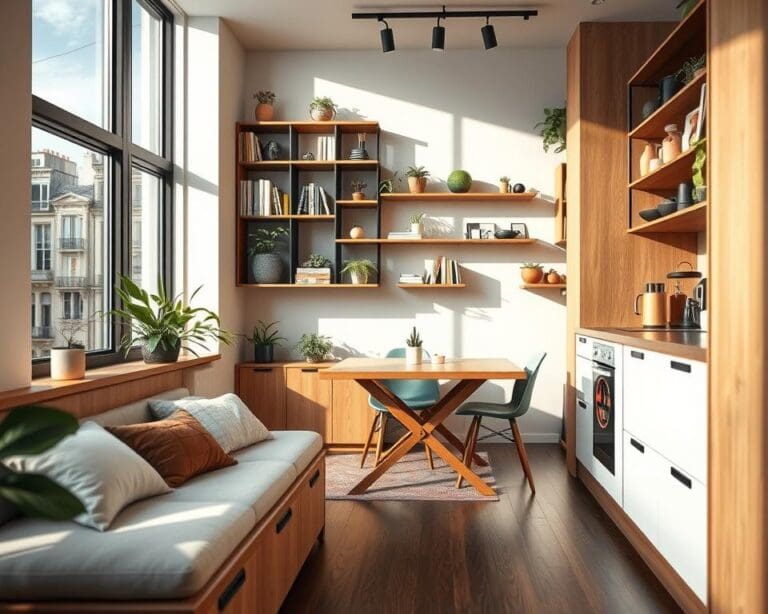
Modern kitchens are where form meets everyday use. In a contemporary kitchen design you get clean lines, clever storage and tech that makes routines easier. That blend of kitchen style and functionality makes these spaces more than places to cook; they shape how you live and entertain at home.
You should expect a modern kitchen to lift daily routines, add value in a kitchen renovation UK and serve as a social hub. Typical cues include handleless cabinetry, matt or gloss finishes, neutral palettes with bold accents, and natural materials such as oak and quartz. Brands like Howdens, Neff, Bosch, Quooker, Silestone, Caesarstone and John Lewis are commonly chosen in the UK for quality and reassurance.
At the same time you must balance looks with durability, safety and efficiency. Practicalities include electrical and gas regulations, ventilation and cooker hood extraction, and accessibility for diverse households. Choosing the right layout, materials and appliances keeps style from undermining performance.
In the sections that follow you will read clear advice on design principles, layouts, storage solutions, energy-efficient and smart appliances, and styling tips to personalise your space. Before you carry on, consider your priorities: how you cook, how you entertain, and the budget you have for a successful kitchen renovation UK.
Design principles for modern kitchens
Creating a kitchen that pairs form with function starts with a few clear kitchen design principles. You should aim for durable finishes in high-use areas while keeping decorative touches that express your taste. A practical kitchen design balances easy maintenance with character so your space works hard and looks good.
Balancing aesthetics and practicality
Choose worktops, splashbacks and flooring that withstand daily wear. Quartz and porcelain resist stains and heat. Stainless steel survives heavy cooking. Use brass handles, coloured cabinetry or patterned tiles to add personality without reducing performance.
Minimalist handleless units offer sleek modern kitchen aesthetics. If you prefer usability, pick soft-close drawers, finger-groove profiles or integrated pulls to keep things practical. Prioritise easy-to-clean surfaces where spills happen most.
Space planning and workflow
The kitchen work triangle—sink, hob, fridge—remains useful as a starting point. Adapt it into zones for prep, cooking, cleaning, storage and social time so your kitchen workflow suits how you cook and entertain.
Plan circulation for your layout. Galley kitchens need clear runways. L-shaped and U-shaped kitchens benefit from at least 900mm between counters in main working zones for comfortable movement. Islands should leave adequate seating and service clearances.
Design with inclusive use in mind. Consider adjustable counter heights, lever taps, easy-reach storage and non-slip floors to support ageing in place and varied abilities.
Choosing materials that endure daily use
Compare common surfaces before deciding. Quartz offers low maintenance and strong stain resistance. Granite is durable but needs periodic sealing. Solid wood brings warmth yet requires upkeep. Modern laminates can be cost-effective and surprisingly robust.
Select flooring that suits UK homes. Engineered oak offers a classic look. Luxury vinyl tile and porcelain resist moisture and clean well. For splashbacks, pick glazed tiles, toughened glass, stainless steel or compact laminate for high-heat areas.
Factor environmental quality into choices. Use FSC-certified timber, low-VOC paints and recycled-engineered surfaces when possible to reduce impact while keeping durable kitchen materials in use.
Lighting strategies for form and function
Layer lighting for a kitchen that performs day and night. Ambient fittings such as recessed downlights set the general tone. Task lights under cabinets or pendant lamps over an island aid food prep and reading recipes.
Accent lighting brings out texture and depth. Try cabinet interior lights or subtle toe-kick LEDs to highlight features and enhance modern kitchen aesthetics. Aim for neutral to cool white bulbs in the 3000–4000K range with a CRI of 90+ to render food and surfaces naturally.
Make the most of daylight in deep-plan homes by adding skylights or light tunnels where possible. Use dimmers to change mood and separate circuits for appliance-rated lighting to meet UK electrical safety and Part P considerations.
Modern kitchens: layouts, storage and appliances
When you plan a modern kitchen, think of flow, storage and the tech that makes life easier. Good kitchen layouts keep cooking social without compromising work zones. The right mix of open-plan kitchen ideas, discrete storage and well-placed appliances makes your space both welcoming and practical.
Open-plan layouts and social cooking
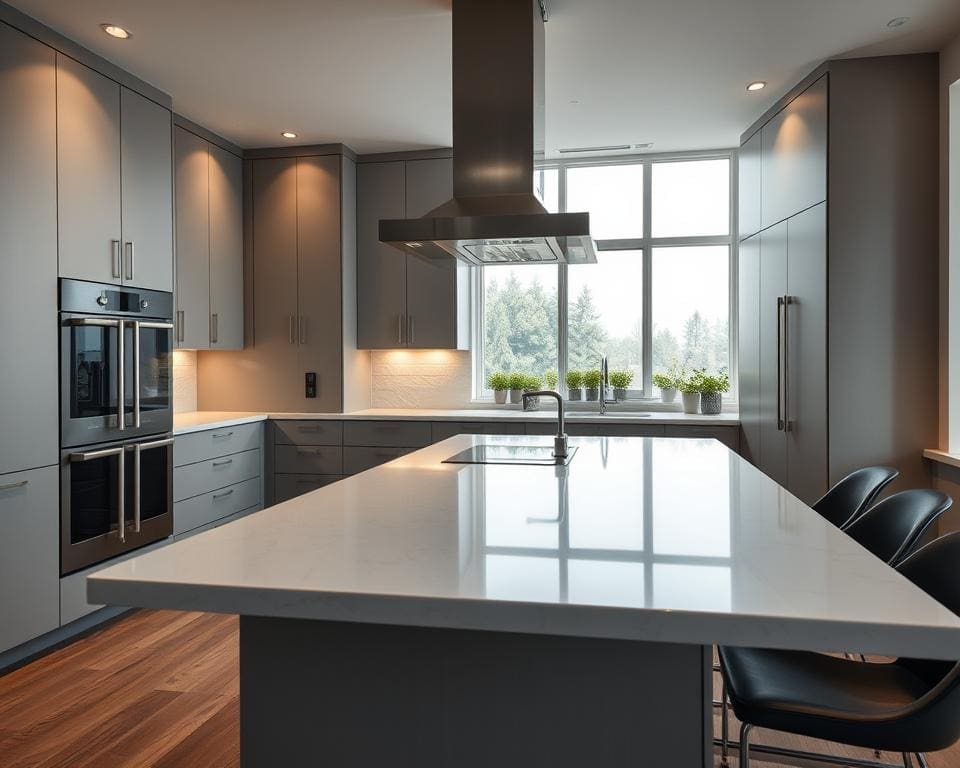
Open-plan living has become common in UK homes. You can connect cooking, dining and living areas to create sociable cooking spaces where guests chat at the island while you prep.
Use an island for prep, seating and a clear work surface. Zoning with floor finishes or pendant lighting helps define task areas without walls. Concealed storage keeps counters tidy and preserves the social feel.
To manage sound and odour, choose a high-performance extractor hood or a quality recirculating system if ducting is difficult. Acoustic ceiling panels and rugs can reduce noise. Place noisy appliances away from seating to protect conversation.
Arrange seating so you keep sightlines to the hob and sink. Bar stools or a small breakfast banquette encourage interaction while preserving standing room for cooking tasks.
Integrated and space-saving storage solutions
Integrated storage maximises every inch. Fit full-height larder cupboards, pull-out pantries and corner carousels like LeMans units for awkward corners. Drawer-based kitchens work well for pots and pans.
Use appliance garages to hide kettles and toasters. Combine tall units to the ceiling with slimline dishwashers and combination ovens to save space in compact UK kitchens.
Internal organisers improve efficiency. Add cutlery trays, plate dividers, spice racks and built-in recycling bins. Deep drawers with organisers keep contents accessible and neat.
For fittings, look to Blum and Häfele for soft-close runners and reliable mechanisms. Retailers such as IKEA or Howdens can help when you need modular planning options that suit a range of budgets.
Energy-efficient and smart appliances
Energy-efficient appliances cut running costs and lower your carbon footprint. Check the new UK energy labels and aim for A-rated equivalents where possible to save over time.
Smart kitchen appliances add convenience. Wi-Fi ovens and refrigerators from Bosch Home Connect or Samsung SmartThings let you monitor and control devices remotely. Induction hobs heat quickly and run more efficiently than gas in many cases.
Smart taps help meter water use. Safety features on induction hobs, like residual heat indicators and child locks, reduce risk while aiding efficiency. Think about interoperability standards such as Matter, Zigbee or Z-Wave when you connect devices.
Plan for appliance communications and power. Remote monitoring, recipe-guided ovens and voice control can transform how you cook when systems are compatible.
Appliance placement to support workflow
Position appliances to match how you work. Put the dishwasher next to the sink for easy loading. Keep the oven close to the hob with a clear landing area for hot dishes.
Locate the fridge near the service entrance to speed up grocery unloading. Wall ovens at eye level reduce bending. Place microwaves at safe, accessible heights.
Allow correct clearances for ventilation and service access. Ensure electrical circuits, gas outlets and waste plumbing are planned before cabinetry is built. Buy appliances and design cabinets together to guarantee exact fits and adequate airflow.
Styling tips to personalise your kitchen
Start by choosing a cohesive kitchen colour schemes plan. Use a neutral base—whites, greys or taupes—and add one or two accent colours through cabinetry, splashbacks or accessories. This approach helps you personalise kitchen choices while keeping resale appeal strong across the UK market.
Consider finishes and hardware to set the tone. Matt surfaces give a contemporary, understated look; high-gloss finishes bounce light and feel lively. Timber-facing or textured laminates add warmth. Pair tapware and handles to match that mood: brass or black for contrast, stainless steel for a minimal feel. For premium taps, consider reliable options such as Grohe, Perrin & Rowe or Quooker for instant boiling water.
Think about practical kitchen styling tips that also protect surfaces. Use sealants and simple care routines for natural stone worktops and align joinery details for a unified aesthetic. Keep soft furnishings minimal—durable bar stools, washable rugs and a few plants add personality without clutter. Curate open shelves with attractive storage jars, chopping boards and cookware that double as décor.
For seasonal updates or a small-budget refresh, repaint cabinet doors, swap handles or change lighting. Peel-and-stick tiles can create a feature area quickly. Introduce trends by replacing small elements rather than refitting entirely, and choose materials that are durable and recyclable. Make a mood board combining colour, material swatches and appliance finishes to preview the result, and consult a kitchen designer, certified electrician or Gas Safe engineer for complex changes. Balance personal style with the practical lessons in earlier sections to achieve modern kitchen décor that looks great and works well every day.