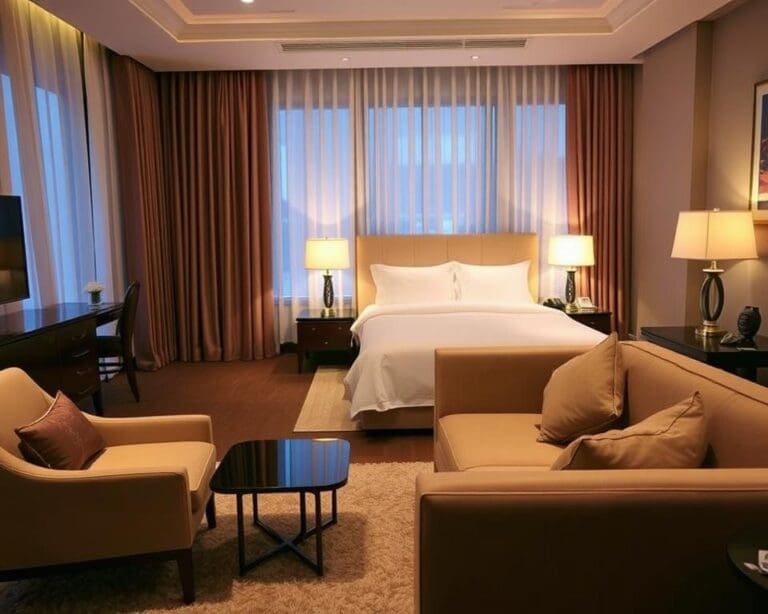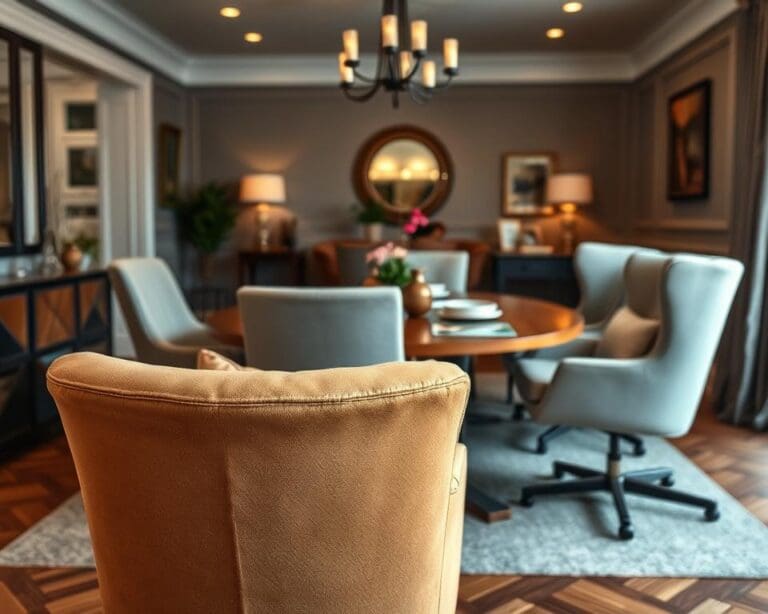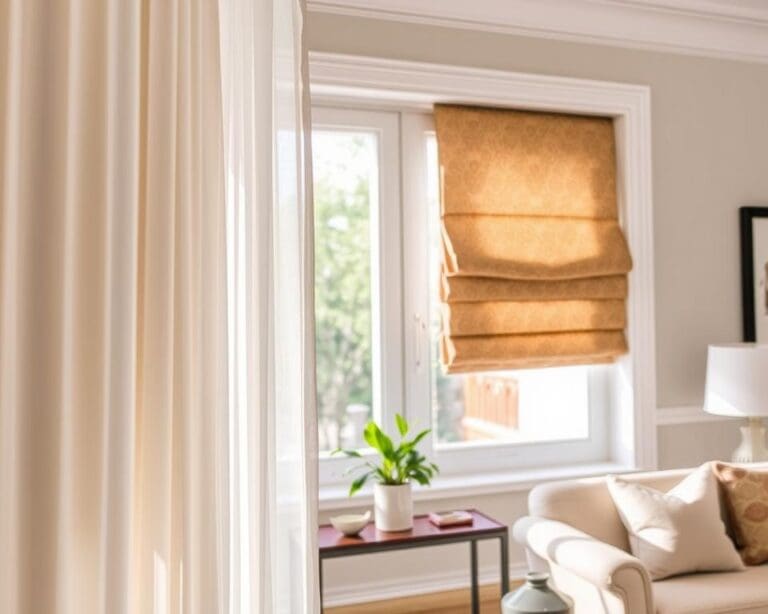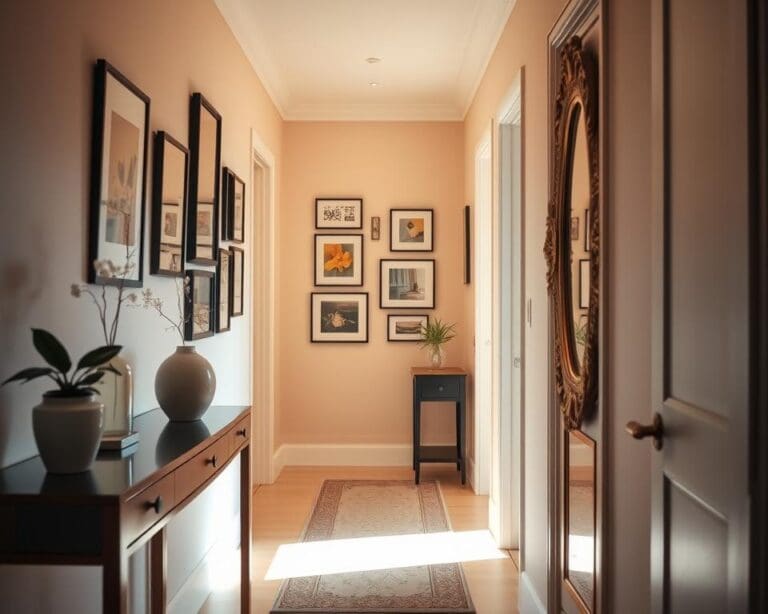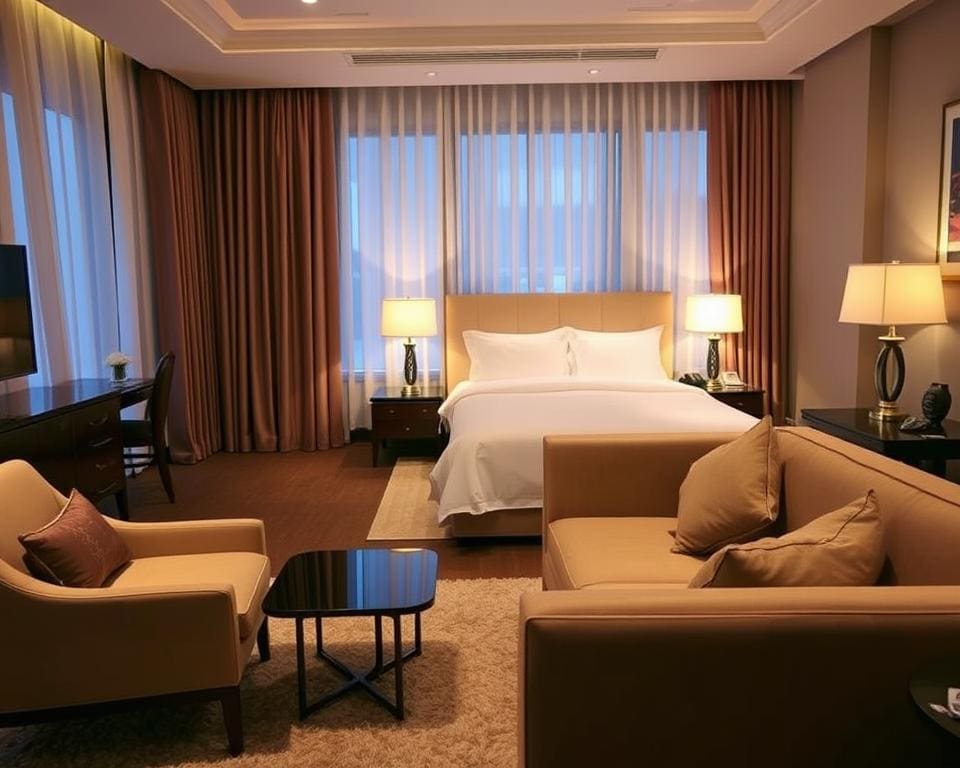
This short guide shows you how to transform your room into a hotel-style bedroom you’ll enjoy every night. It covers simple updates and bigger changes so you can create a luxury bedroom at home that feels calm, tidy and welcoming.
You’ll learn quick wins such as decluttering, switching to crisp sheets and adding blackout curtains, plus longer-term moves like upgrading your mattress, fitting a bespoke headboard or improving insulation. These steps will help improve sleep quality and make your space guest-ready.
Many hotel-inspired bedroom features are easy to copy: layered lighting, neat storage, quality bedding and a neutral palette. For loft conversions or rooms with tricky layouts, practical advice is essential — see a relevant loft renovation overview for structural tips and light solutions at how to renovate a loft into a.
Think about local factors in the UK as you plan. Typical bedroom sizes in flats and older houses may limit large built-ins, while listed buildings and conservation areas need careful planning. For furnishings and luxury bedding UK, reliable retailers include John Lewis, Dunelm, Made.com, Habitat and Bensons for Beds.
Below is what each section will cover so you can jump to the parts that matter most: layout and budget planning; essentials such as mattress, duvet and linen choices; creating ambience with layered lighting and window dressings; and maintenance tips to keep the room feeling hotel-fresh.
Planning your hotel-style bedroom layout and budget
Start by standing in the room and noting what matters most to you. Think about sleep quality, storage and whether you need a small workspace or guest sleeping area. This will guide decisions on bedroom layout and where to focus your spend.
Assessing your current space and priorities
Measure the room carefully. Record room dimensions, ceiling height, window sizes and the door swing. Allow for circulation space of at least 60–75 cm around the bed so movement feels effortless.
Make an inventory of existing furniture and its condition. Keep sturdy pieces or built-in wardrobes that save money. Replace a worn mattress or mismatched bedside tables that undermine the look.
Note any structural limits common in UK homes, such as radiators beneath windows, sloping loft ceilings and rules from landlords in rented properties. These shape practical small bedroom ideas that work without major building work.
Setting a realistic budget for a hotel-style bedroom makeover
Use a tiered approach to bedroom budgeting to match your aims. Example ranges: budget under £500, mid-range £500–£2,500 and high-end from £2,500 upward. Allocate spend with mattress and bedding as priorities.
- Bedding: 10–20% of the budget
- Mattress: 30–40% of the budget
- Headboard and bed base: 10–25%
- Lighting: 5–10%
- Curtains and window dressings: 5–15%
- Accessories: 5–10%
Invest in a good mattress and pillows for lasting comfort. Save on trend-led accessories and hunt sales in January, Black Friday and mid-season events. Phase upgrades: start with mattress and bedding, add lighting and blackout curtains next, then larger furniture or bespoke elements when the budget allows.
Compare UK retailers for context. Silentnight offers mid-range mattresses from about £300, Hypnos moves from mid to premium, while premium options often exceed £1,000. You can find basic bedding at Dunelm for £30–£100 and luxury linen at The White Company from around £100. Custom headboards from independent makers often start near £300.
Choosing a cohesive style and colour palette
Decide on a hotel-inspired style that fits your home. Options include modern minimalism with Scandi tones, classic luxury using neutrals and brass, or boutique eclectic with textured fabrics and a bold accent.
Follow hotel colour schemes that use a neutral base—white, warm grey or taupe—and add one or two accent colours. Use tonal layering to create depth and a calm mood. Choose a colour palette for bedroom that ties bedding, walls and curtains together.
Pick natural fibres like linen, cotton and wool for textiles. Choose matte paint finishes and satin or brass fixtures to add quiet elegance. Build a mood board using Pinterest or physical swatches and collect paint chips and fabric samples from John Lewis, Heal’s or Neptune to test how tones sit in your light.
Keep finishes consistent with adjacent spaces such as the landing or en suite to create a seamless, hotel-like flow through your home.
Essentials for a hotel-style bedroom
To recreate a hotel experience at home, focus on three pillars: mattress and bedding comfort, pillow and duvet choices, and a supportive bed base and headboard. These elements shape how your room looks and how well you sleep. Small upgrades deliver visible luxury without a full refit.
Investing in high-quality bedding and mattress comforts
Choose between memory foam, pocket-sprung and hybrid mattresses to match your needs. Memory foam contours to the body, pocket-sprung offers targeted support and motion isolation, hybrid blends both benefits. Try models in-store at Bensons for Beds, Dreams or Hypnos showrooms before you buy to judge feel.
Pick firmness by sleep position: side sleepers usually favour medium-soft to medium; back sleepers do well with medium to firm; heavier sleepers often need firmer support. Look for trial periods and warranties common in the UK market when selecting the best mattress UK for your needs.
Protectors and toppers extend mattress life. Choose a breathable, waterproof protector to guard against spills. Add a memory foam or feather topper if you want extra plushness without replacing the mattress.
Selecting pillows, duvets and linen thread counts
Pillow fills vary: duck and feather give natural loft, down feels plush, hollowfibre is hypoallergenic and latex offers durable support. For a hotel-style setup, provide two sleeping pillows per person — one medium and one firmer — and add one or two euro shams for layered styling. Refer to a pillow guide UK to match loft and fill to your sleep position.
Use the UK duvet tog system for seasonal comfort. Choose a 4.5 tog for summer, 7–10.5 tog for spring and autumn, and 13.5–15 tog for winter. Combine two duvets that clip together or buy a 4.5+9 tog pair to create an all-year option.
Thread count matters less than fibre quality and staple length. Aim for 200–400 thread count in percale for a crisp hotel feel, or 300–600 for sateen if you prefer sheen and warmth. Consider linen for a relaxed, textured look. Follow care labels: wash at recommended temperatures, use non-biological detergents where advised and tumble-dry on low if suitable to preserve fabric and maintain the ideal linen thread count over time.
Choosing a supportive bed base and headboard for style and function
Bed bases affect comfort and practicality. Sprung slatted bases offer ventilation and mattress breathability. Platform bases are low-maintenance and modern. Divan bases give generous storage, useful in smaller UK homes. Adjustable bases add ergonomic comfort for reading or watching TV. Match the base to your mattress type to preserve warranty and performance.
Headboard choice completes the look. Upholstered headboards add softness and can provide sound insulation. Wooden or panelled heads give a tailored, structured aesthetic. Choose a headboard height that balances mattress width; a taller headboard works well in rooms with high ceilings, while a proportionate width keeps the bed visually grounded.
Look for practical extras: integrated storage, hidden LED lighting or bedside mounting for lamps. For flats, consider wall-fixing methods and check landlord consent if required. Established British makers such as Silentnight and Hypnos supply bases and bespoke options, while local upholsterers can craft a custom headboard to fit your style.
Lighting, ambience and hotel-inspired finishing touches
Create a calm, layered scheme that mimics the feel of a boutique stay. Thoughtful lighting, well-fitted window dressings and considered soft furnishings work together to make your room feel curated and restful.
Layered lighting: ambient, task and accent lights
Start with warm ambient lights. Choose ceiling-mounted dimmable fixtures or recessed downlights in the 2700–3000K range to give a cosy wash across the room. For safety and compliance, hire a qualified electrician who understands UK regulations.
Task lighting sits next. Fit adjustable wall lamps, swing-arm fittings or table lamps beside the bed to provide clear reading light. Aim for roughly 200–300 lux at the book to avoid eye strain when you read at night.
Accent lighting adds polish. Use warm-tone LED strips, picture lights or uplighters to highlight a headboard, artwork or architectural feature. Put different circuits on separate dimmers so you can control each layer independently.
Choose smart controls for convenience. Philips Hue or IKEA TRÅDFRI bulbs let you create scenes and timers. Motion-sensing night lights guide you to the bathroom without brightening the whole room, giving a true hotel-style ease.
Window dressings and blackout solutions for restful sleep
For a hotel look, hang full-length curtains that drop to the floor. Use blackout interlinings or thermal linings to block early-morning light and to help with insulation in colder months.
Combine roller or Roman blinds with curtains for precise light control and improved thermal performance. Recess-mounted blinds give a neat finish. For sash or older windows, consider top-and-bottom fitting options to keep period charm and function.
Good blackout curtains UK models reduce dawn light and support your circadian rhythm, so you wake feeling more refreshed. Measure carefully for exact drop and width to avoid light gaps at the edges.
Soft furnishings, rugs and accessories to elevate the space
Layer bedroom soft furnishings to add texture and warmth. Start with a wool or low-pile rug that extends 60–90 cm either side and at the foot of a double or king bed to anchor the area and make steps soft.
Arrange bedding with euro shams behind sleeping pillows, two decorative cushions and a folded throw at the foot. Keep patterns subtle and choose rich textures to suggest quality without clutter.
Select a single statement piece of art above the bed or create a small, restrained gallery to avoid visual chaos. A well-placed mirror reflects light and makes compact UK bedrooms feel larger.
Finish with practical hotel finishing touches: a valet stand, tray for breakfast, bedside charging with USB sockets or wireless chargers and a luggage rack for guests. Add a soft linen spray from Jo Malone or a reed diffuser from Neom and a white-noise machine to recreate that comforting overnight ambience.
Practical tips for maintenance and hotel-style service at home
Keep a simple bedroom cleaning routine to preserve that hotel feel. Wash sheets every 7–10 days, change pillowcases and duvet covers regularly, and follow manufacturer guidance for duvets and pillows, which is often once or twice a year. Use mattress and pillow protectors to cut down on deep cleans and extend lifespan, and consider local laundrettes for bulky items or professional laundry services in the UK for feather duvets to ensure proper care.
Learn easy hotel bed making tips to make your bed look crisp each day. Start with a fitted sheet, add a flat sheet with tight tucks or hospital corners, centre and smooth the duvet, fold the top sheet back for a layered look, then position pillows and decorative cushions with a throw at the foot. A firm tuck and a quick pass with a steam iron or a lightweight linen spray will keep the finish sharp and help with how to keep bed fresh.
Adopt daily and weekly habits for ongoing bedroom maintenance. Make the bed each morning, air the room mid-morning when weather allows, and rotate pillows and mattresses per manufacturer instructions. Vacuum mattresses and under-bed areas, inspect bed frame fixings annually, and address stains promptly with spot-clean techniques; bring upholstery to a professional cleaner when repairs or deep cleans are required.
Plan for seasonal upkeep and hospitality touches to deliver hotel-style service at home. Replace pillows every 18–36 months and mattresses typically every 7–10 years, refresh decorative accessories by season, and maintain a spare linen set and guest kit with toiletries and fresh towels. Use sustainable options like organic cotton or Oeko-Tex certified linens, energy-efficient bulbs and lower-temperature washes for linen care UK, and follow UK recycling schemes for old mattresses to close the loop responsibly.