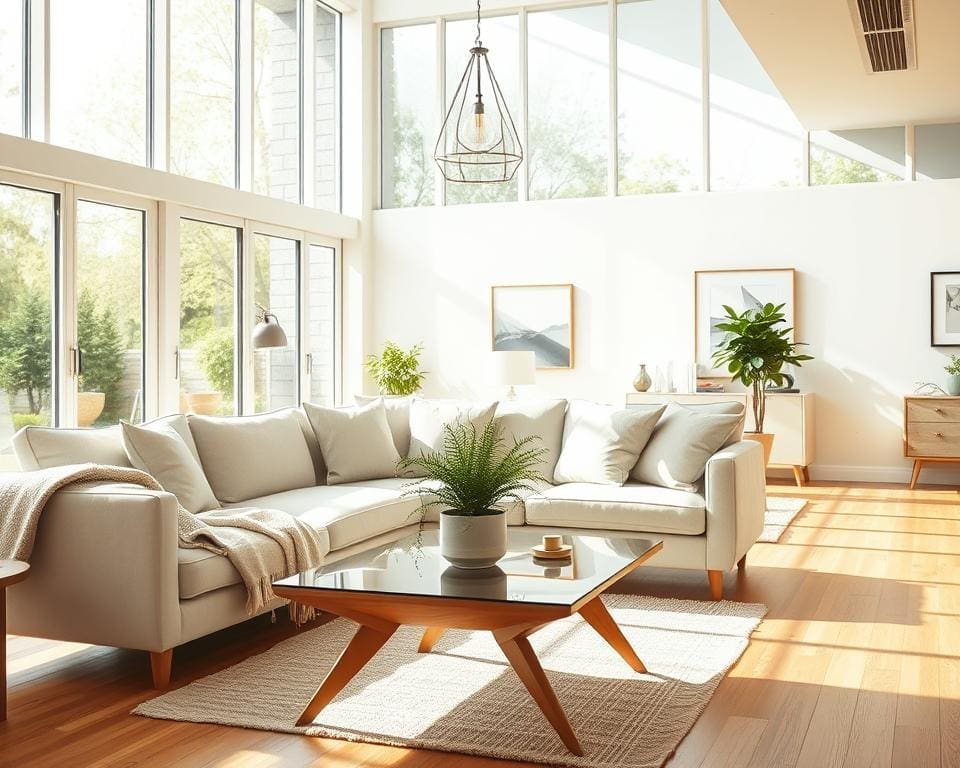
Natural light means sunlight entering your home through windows, skylights, rooflights, light wells and glazed doors. In modern living spaces it is both an aesthetic and functional element that shapes how you move, work and relax at home.
In the United Kingdom, northerly latitude and seasonal daylight variation affect how daylight in homes performs. Many UK properties are terraced houses, semi‑detached homes or flats, so clever use of glazing and layout is vital. Even in cloudier weather, properly managed natural light improves home wellbeing and lifts interior quality.
Contemporary architecture and interior design favour open plans, larger glazed areas and stronger links to the outdoors. These trends, linked to biophilic design, show how natural lighting advantages support energy‑efficient standards such as Passivhaus and newer Building Regulations that cover ventilation and daylight.
This article will explain the benefits of natural light for health and wellbeing, offer practical design strategies to maximise daylight in homes, and outline lifestyle, energy and property‑value gains you can expect. For further detail you can consult NHS guidance on vitamin D, CIBSE daylighting recommendations and RIBA design briefs, along with peer‑reviewed research on daylight and wellbeing.
By the end you will have clear, actionable knowledge about natural lighting advantages so you can make informed choices for your home and improve both comfort and value.
Why natural light matters for health and wellbeing
Natural light affects your body and mind in ways artificial lighting cannot match. Full-spectrum daylight varies in intensity and spectral composition through the day. This variation shapes biological responses that support alertness, mood and sleep. Understanding these effects helps you choose how and when to seek daylight for better wellbeing.
Mental health advantages of sunlight exposure
Exposure to daylight links to lower rates of depression and anxiety in many studies. Workplaces with good daylighting report higher productivity and less stress, and similar benefits occur at home when rooms receive ample daylight. If you struggle with low mood during winter, targeted daylight exposure and light therapy can ease symptoms of seasonal affective disorder.
Your mental wellbeing improves when you get time outdoors or sit near bright windows. Sunlight and mental health are connected through neural pathways that modify mood and cognitive performance. Small daily habits, such as morning light by a window, help keep you emotionally balanced.
Physical health benefits and vitamin D synthesis
Ultraviolet B radiation from sunlight triggers vitamin D synthesis in your skin. This process supports bone strength, immune function and metabolic health. NHS guidance recommends safe sun exposure and vitamin D supplements for UK residents in autumn and winter, especially for older adults and people with darker skin.
Daylight also encourages activity and shared time in sunny rooms, which can increase incidental movement. Brighter, drier interiors reduce mould risk and improve indoor air, aiding respiratory health. These indirect effects add to the clear role of vitamin D synthesis in keeping you healthy.
Improved sleep quality through circadian alignment
Bright morning light synchronises your circadian rhythm by signalling the suprachiasmatic nucleus through specialised retinal cells. Daytime light suppresses melatonin, boosting alertness, while the evening fall in light allows melatonin to rise for sleep onset.
Regular morning exposure improves daylight and sleep quality, leading to quicker sleep onset and longer, deeper sleep for many people. To protect your sleep, aim for morning light where possible and limit blue-rich artificial light in the evening.
Certain groups benefit most from planned daylight exposure. Shift workers, people with dementia, children and older adults often gain measurable sleep and mood benefits. If you have photosensitive conditions or take medications that increase sun sensitivity, seek medical advice before changing your light habits.
Design strategies to maximise natural light in your home
Good daylight design strategies begin with practical choices you can make now and with larger changes you may plan later. You can adapt layouts, select glazing options and choose finishes that work together to maximise natural light while meeting UK planning and energy rules.
Architectural elements that boost daylight penetration
Orient your main living spaces to catch morning or afternoon sun depending on how you use them. Position kitchens and living rooms on brighter elevations to improve daily comfort.
Open-plan layouts and glazed internal partitions spread daylight through the plan. Where possible, remove non‑structural walls or add clerestory windows to link dark rooms to light-filled spaces.
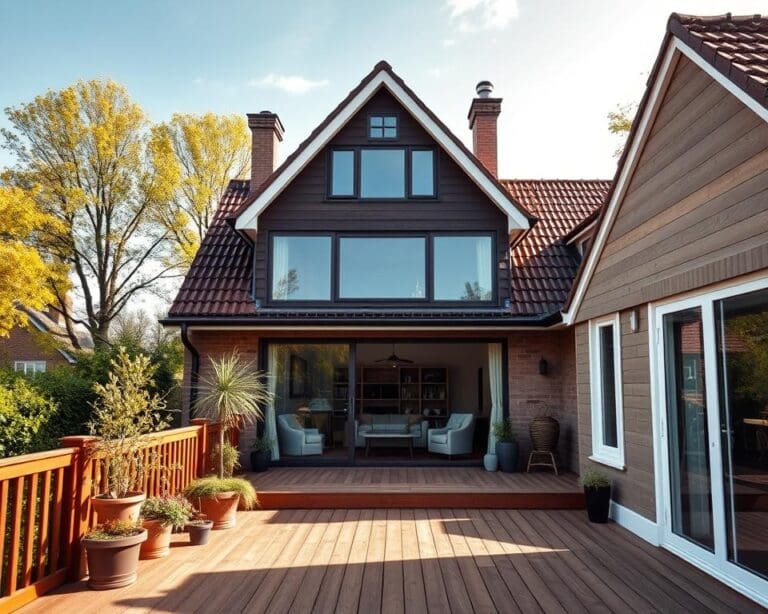
Increase window area with floor-to-ceiling glazing, light wells and rooflights. For flats and terraced houses, consider rear extensions with glazed façades, mindful of planning and neighbour privacy.
Skylights and rooflights, such as Velux roof windows or flat rooflights with thermal breaks, bring light into top-floor rooms and help meet Part L requirements.
Light shelves and tubular daylighting devices reflect high-level daylight deeper into rooms. Overhangs, external blinds and brise-soleil provide solar control to prevent overheating in summer while allowing winter sun.
Interior finishes and colour choices to reflect light
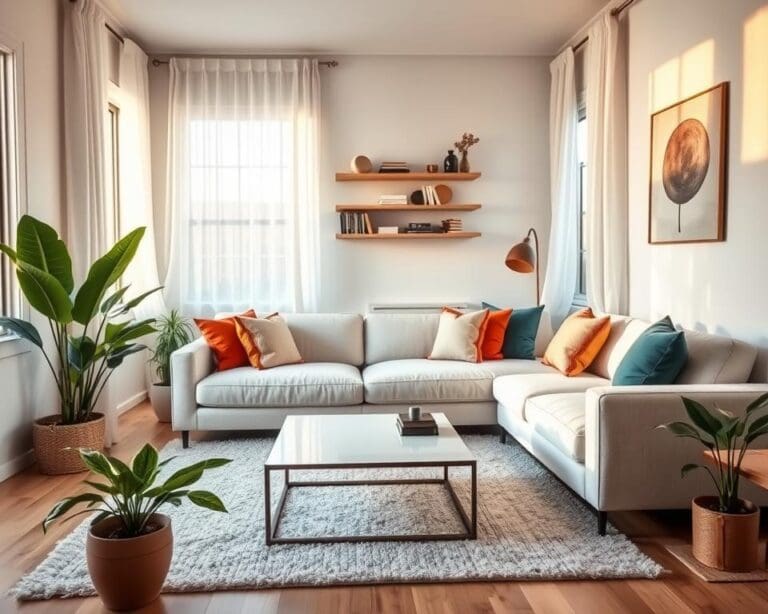
Choose reflective interior finishes that boost diffuse light. Pale, matt to low‑sheen paints work well across walls and ceilings without creating glare.
High-reflectance plaster and light-toned timber or polished stone floors increase perceived brightness. Use cool whites and neutral palettes to make spaces feel airier.
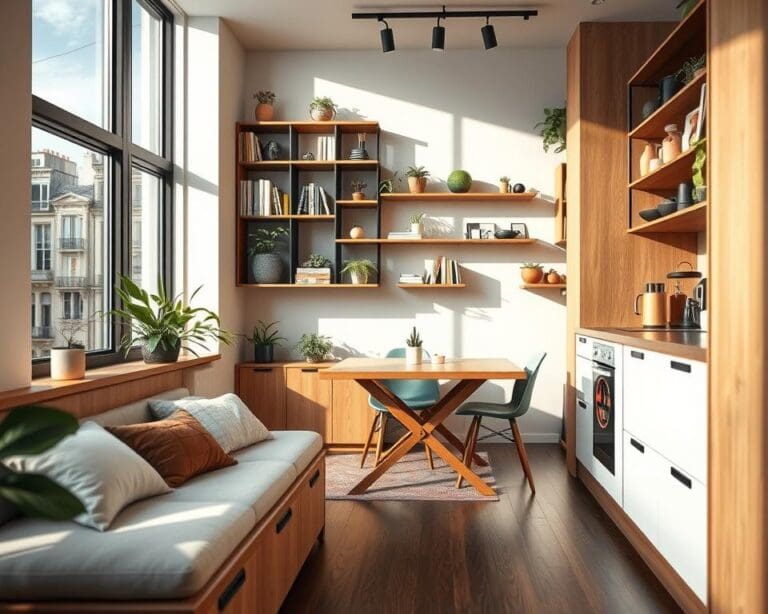
Place low-profile furniture to preserve sightlines to windows. Open shelving near windows and mirrored or metallic accents help bounce light into corners.
Introduce plants that thrive in natural light. They signal how much daylight a space receives and add a biophilic touch that enhances wellbeing.
Window treatments and glazing options for energy efficiency
Select glazing options that balance light and thermal performance. Double and triple glazing with Low‑E coatings reduce heat loss while maintaining visible light transmission.
Consider solar-control glass to limit overheating by filtering near-infrared radiation. Compare frames—uPVC, aluminium with thermal breaks and timber—for U-values and maintenance needs.
Use adjustable window treatments to manage glare and privacy. Venetian blinds, sheer curtains and external shutters give you control over daylight as the sun changes.
For period homes, secondary glazing preserves original windows while improving thermal performance. Smart glazing systems offer tinting for premium projects, and correct installation is essential to avoid thermal bridging and condensation.
Practical benefits for lifestyle, energy use and property value
Natural light transforms daily life. In brighter kitchens you can cook and socialise with less artificial lighting, while living rooms become better for entertaining. Bedrooms and bathrooms that receive daylight feel more inviting, and dedicated play and study zones help families stay active and focused. For home offices, daylight supports concentration and contributes to wellbeing at home.
Daylighting also cuts running costs. Thoughtful window placement, rooflights and glazing can deliver daylight energy savings by reducing daytime lighting needs and by allowing passive solar gains in winter. To avoid summer overheating, combine shading and ventilation. Guidance from the Energy Saving Trust shows that improved daylighting and insulation can lead to lower energy bills when measures are correctly specified.
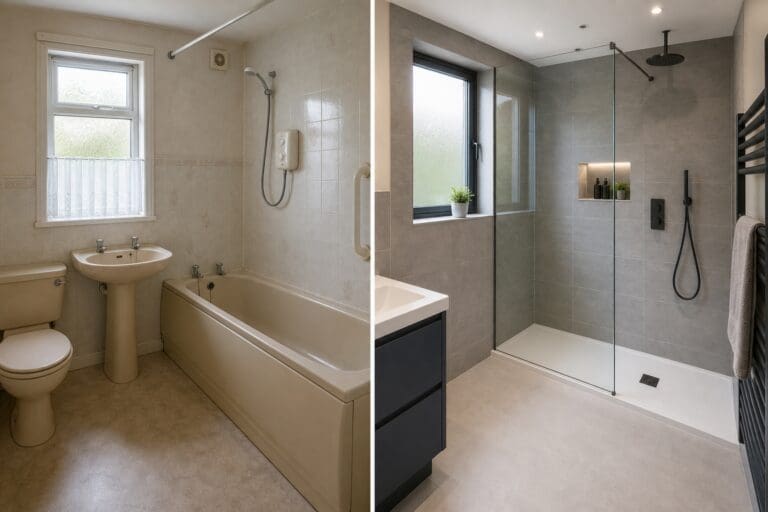
Well-lit, ventilated spaces tend to be easier to maintain. Reduced damp and mould risk, plus modern coatings on glass that limit condensation and grime, mean less frequent cleaning and longer-lasting finishes. These maintenance benefits reinforce both everyday comfort and long-term resilience of the building fabric.
From a market perspective, natural light property value is recognised by leading UK estate agents such as Savills and Knight Frank, who report buyer preference for bright homes. Improved daylighting, energy efficiency and the perception of space can boost home resale value and rental appeal. To quantify changes, measure lux levels, monitor lighting and heating consumption, and gather occupant feedback on wellbeing at home. Consult a chartered surveyor, a RIBA-accredited architect or a building performance consultant to estimate likely uplift and daylight energy savings before major works.
Practical next steps include a simple checklist: assess daylight at different times of day; try low-cost retrofits such as mirrors and pale paints; consider medium-term upgrades like larger windows or rooflights; and check planning and energy regulations. Balance costs against lifestyle benefits daylight brings and the potential gains in home resale value and lower energy bills.