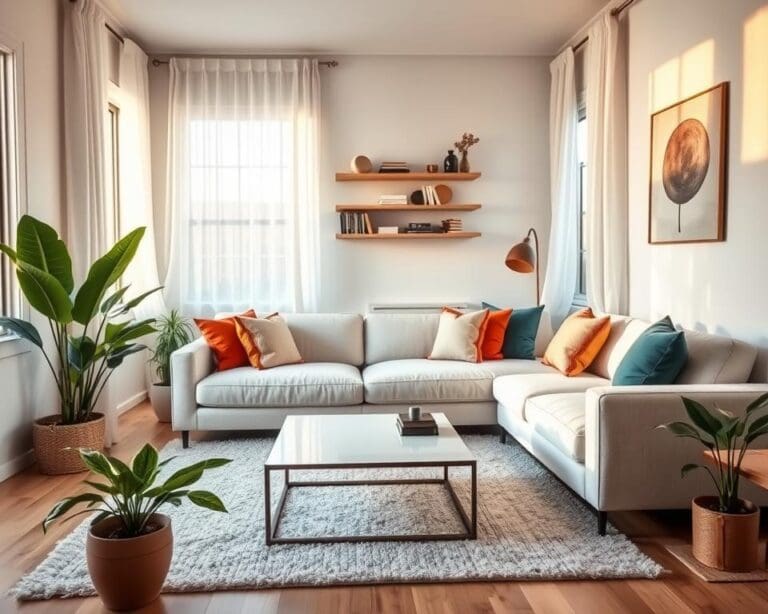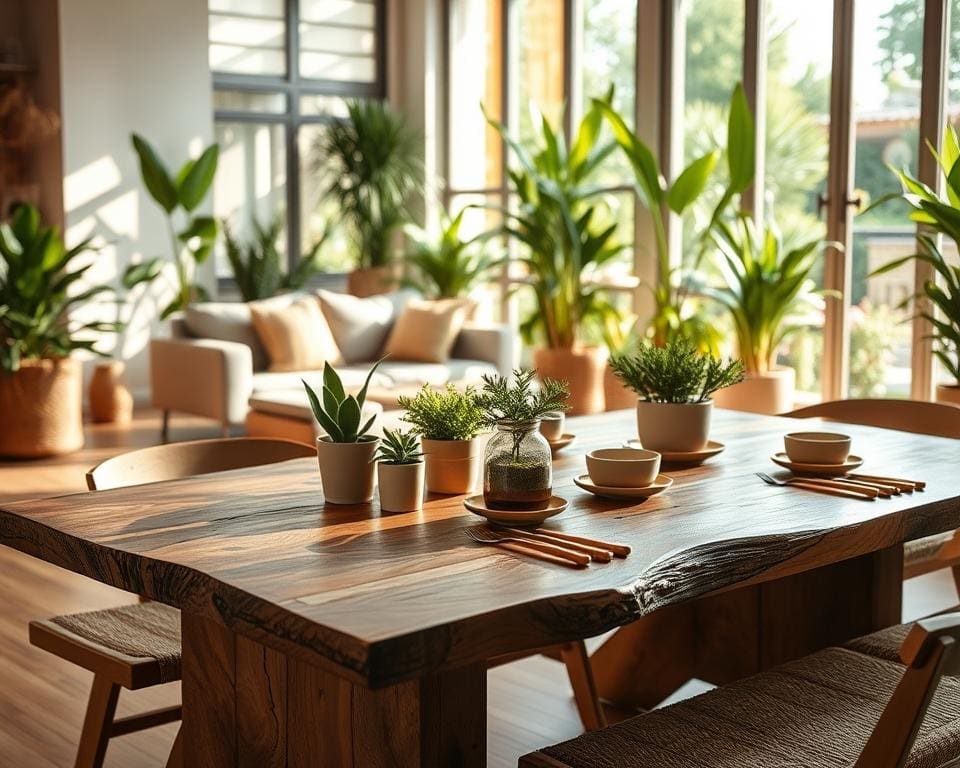
You are seeing a clear shift in how homes are specified and finished. Eco-friendly materials are moving from niche to mainstream as designers, manufacturers and homeowners prioritise sustainable interior design.
Consumer demand, tighter UK building standards and advances in material science are driving that change. The UK Green Building Council and publications such as Dezeen and Wallpaper* have documented growth in low‑carbon builds and the rise of circular economy thinking. High-street brands and specialist suppliers now offer a wider range of green materials for homes, from certified timber to low‑VOC paints.
Choosing eco-friendly interiors UK‑wide affects your home’s value, comfort and environmental footprint. You can create stylish, contemporary rooms while reducing embodied carbon and improving indoor air quality. That balance of design and responsibility is central to sustainable home design.
Architects and retailers are already showing the way. Timber‑frame projects, reclaimed finishes and low‑VOC specifications feature in retrofit programmes by local authorities and housing associations across Britain. These real examples make it easier for you to adopt green options with confidence.
What follows explains why sustainable interior design matters for your home, surveys eco-friendly materials and their uses, shows how to source them in the UK, and gives practical strategies for integrating them into your rooms.
Why sustainable interior design matters for your home
Choosing sustainable materials reshapes the environmental impact of materials used in your home. Selecting responsibly sourced timber and recycled content cuts embodied carbon when compared with virgin alternatives. Tools such as lifecycle assessment and RICS Whole Life Carbon Assessment guidance help you compare options and make informed choices.
Resource conservation and waste reduction follow when you favour reclaimed wood, recycled metals and upcycled textiles. These choices divert material from landfill and support circular economy principles that reduce extraction and waste over time. Certification schemes like FSC and the Responsible Wool Standard improve traceability and protect forests and habitats.
Environmental benefits of choosing sustainable materials
Low-carbon selection lowers the total carbon tied to fittings and furniture. Reclaimed hardwood and recycled metals reduce demand for virgin resources while keeping character and strength. Certified supply chains help maintain biodiversity and encourage regenerative practices across production landscapes.
Health and wellbeing advantages for occupants
Indoor air quality improves when you use low-VOC paints, adhesives and finishes. Public Health England and the Royal College of Paediatrics and Child Health stress the importance of safer indoor air for children and vulnerable adults. The low-VOC benefits cut off-gassing and reduce common indoor pollutants.
Natural fibres, cork and wool add breathability and moisture regulation. These materials absorb sound and improve thermal comfort, which supports better sleep and daily comfort. Biophilic elements and visible natural textures can lower stress and boost concentration.
Long-term cost savings and durability considerations
Thinking in lifecycle cost terms shows how durable eco materials can save you money over decades. Reclaimed hardwood, natural stone and quality wool textiles often outlast cheaper alternatives and need fewer replacements. That lowers maintenance and long-term waste.
Materials that improve insulation, such as cork, hempcrete and responsibly sourced timber, reduce heating demand and help cut running costs. You will see cost savings sustainable homes deliver through lower energy bills and smaller carbon footprints.
Choose finishes that are easy to repair or refinish, such as oiled wood or solid surfaces, to keep maintenance simple and affordable. This repairability preserves value and reduces the need for single-use or heavily processed replacements.
eco-friendly materials: types, properties and practical uses
When you choose materials for a room, think beyond looks. Eco-friendly options offer tangible performance and wellbeing benefits. The right choice balances breathability, durability and lifecycle impact so your space feels healthier and lasts longer.
Natural fibres and textiles: cotton, hemp, wool and linen
Natural fibres bring clear functional advantages. Wool gives high resilience, natural flame resistance and good insulation. Hemp is strong, needs little water and weathers well. Linen stays cool, softens with use and lasts decades. Organic cotton feels soft but varies in durability depending on weave and treatment.
Look for certified supply chains such as GOTS for organic textiles and the Responsible Wool Standard for traceability. These standards lower pesticide use and support regenerative practices.
Use natural fibres for upholstery, curtains, bedding, rugs and wall textiles. Care routines keep pieces useful for longer: spot treat stains, air linens, hand-wash or use gentle machine cycles and repair seams rather than replace.
Reclaimed and recycled wood: character, sourcing and maintenance
Reclaimed wood shows a unique patina, knots and aged grain that add warmth to floors, panelling and furniture. Each board tells a story while reducing demand for fresh timber.
Sourcing matters. Reclaimed timber comes from old barns, demolished buildings and manufacturing offcuts. In the UK you can work with specialist reclaimers who provide chains of custody and documented provenance to avoid illegal timber.
Maintain reclaimed wood with natural oils or waxes to highlight grain and protect surfaces. Watch for hidden nails, previous chemical treatments or rot. Repair and reuse sections where possible and dispose of treated timber responsibly.
Low-VOC paints, finishes and adhesives for safer indoor air
Volatile organic compounds are chemicals that evaporate from products and affect indoor air quality. Low-VOC labelling in the UK and EU points to reduced emissions and less off-gassing during and after application.
Brands such as Farrow & Ball, Dulux and Little Greene offer ranges that perform well on coverage and durability while meeting low-VOC standards. Choose compatible primers and check substrate guidance to avoid adhesion problems.
During application ventilate the space and allow adequate drying time. Use low-VOC adhesives for joinery and furniture where possible to limit long-term emissions.
Innovative alternatives: cork, bamboo, mycelium and bio-based composites
Cork is harvested without felling cork oak and offers natural acoustic and thermal properties. It works well for flooring, wall tiles and insulation and brings longevity with simple sealing and care.
Bamboo grows fast and is strong, making it a popular choice for flooring and furniture. Check certification and prefer engineered bamboo to reduce sustainability issues tied to transport and harvest methods.
Mycelium materials and other bio-based composites are emerging options. You will find them in insulation panels and lightweight components. These mycelium materials can be compostable at end of life and are under active development across the UK and Europe.
Match materials to use: choose cork for acoustic and thermal needs, bamboo alternatives for strong, fast-growing surfaces, and mycelium where lightweight, compostable properties matter. Consider cost, embodied carbon and local availability when you decide.
How to choose and source eco-conscious materials in the UK
Choosing materials for a home project can feel complex. Start by learning which labels and standards matter, then work with trusted local partners. This approach helps you reduce environmental impact and supports UK skills and circular business models.
Certifications and labelling to look for
Look for clear evidence of sustainable material certifications UK when you compare products. The Forest Stewardship Council mark tells you timber and wood products come from responsible forestry. When you buy FSC furniture UK, check the label for chain‑of‑custody codes and certification numbers so you know the wood’s origin.
Cradle to Cradle Certified assesses material health, recyclability, renewable energy use and social fairness across a product’s lifecycle. Seek Cradle to Cradle UK evidence for finishes, fabrics and hard surfaces when circularity matters.
BRE provides guidance via the BRE Green Guide and BREEAM assessments. The BRE Green Guide ranks construction products by environmental impact, helping you select lower‑impact options for walls, floors and insulation.
Other marks worth checking include the EU Ecolabel, Global Organic Textile Standard (GOTS) and Nordic Swan. Look for UK‑specific initiatives and product declarations such as Environmental Product Declarations (EPDs) that give detailed life‑cycle data.
Working with local suppliers and sustainable manufacturers
Local sourcing offers lower transport emissions and faster lead times. It keeps repair and return routes short, making take‑back schemes and reuse simpler. Use directories from the UK Green Building Council, trade bodies such as British Furniture Manufacturers and independent eco showrooms to find reputable contacts.
When you shortlist suppliers, ask for product datasheets, EPDs and third‑party test results. Visit workshops where possible to see production practices. This helps you confirm claims of recycled content, low‑emission finishes and ethical labour.
Questions to ask designers and contractors about material provenance
- Can you provide certification evidence such as FSC, GOTS or EPDs?
- Where is this product manufactured and what percentage is recycled content?
- What is the expected lifespan and maintenance for this material?
- Are there end‑of‑life options like recycling, take‑back schemes or reuse?
- Has the product been tested for chemical emissions and low VOCs?
Include provenance and waste management requirements in your brief and contract. Set targets for embodied carbon or recycled content and specify deconstruction plans so materials can be reused at the end of a building’s life.
Practical design strategies for integrating eco-friendly materials
Start with a clear plan and a material audit: note what you can retain, repair or repurpose. Prioritise high-impact changes such as flooring, built-in cabinetry and insulation, where choices most affect embodied carbon and indoor air quality. Set measurable goals for durability, thermal performance, VOC limits and recycled content so your budget reflects lifecycle costs rather than only the initial price.
Use durable, repairable pieces as anchors and keep soft furnishings flexible. Solid reclaimed timber or robust solid‑wood joinery work well as long-term fixed assets, while interchangeable cushions, throws and rugs in natural fibres let you update style with lower waste. Design modular furniture and fittings that can be upgraded or reconfigured to extend useful life and reduce landfill.
Combine biophilic touches with multifunctional layouts to raise wellbeing and cut energy need. Introduce planting and maximise daylighting alongside breathable materials like wool, linen and cork to improve comfort and indoor air. When retrofitting, phase changes room by room to spread cost and disruption; this makes an eco-conscious home retrofit manageable and consistent with low-carbon interior strategies.
Balance professional advice with DIY where appropriate. Use accredited designers and builders for structural work and certification-led specifications, and tackle smaller tasks—painting with low‑VOC products or replacing textiles—yourself. Specify fixings and finishes for easy disassembly, plan for reuse, and use local reuse networks, reclamation yards or manufacturer take-back schemes to close the loop on sustainable material integration UK.