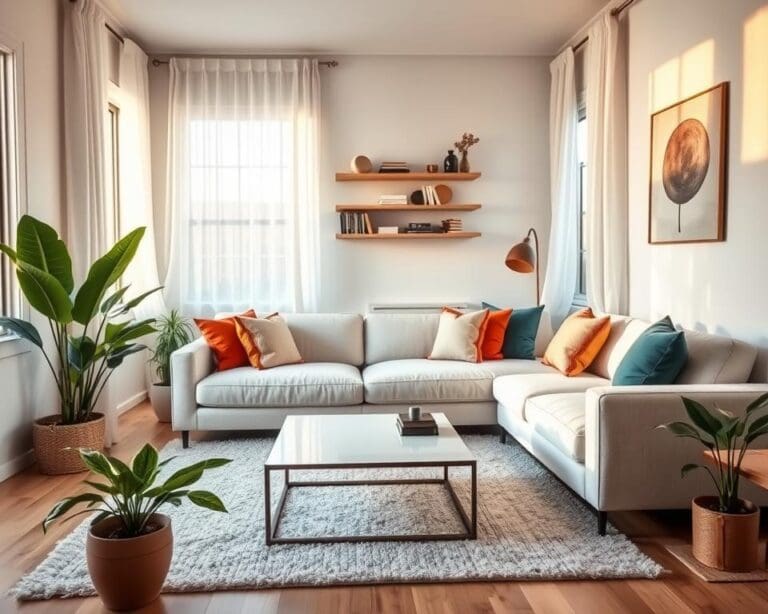

You live in an era where rooms must do more than one job. Multifunctional furniture has moved from a niche trend to a mainstream necessity across the United Kingdom as cities such as London, Manchester and Birmingham see smaller average home sizes and rising urban living.
As a homeowner or renter you face competing demands: limited floor space, the need for adaptable work areas and the wish for stylish interiors. The importance of multifunctional furniture is clear when you consider statistics from the Office for National Statistics showing smaller average floor plans and the growth in home working since 2019.
Multifunctional furniture benefits include space optimisation furniture that folds, stores or converts to suit different uses. These pieces give you practical solutions without sacrificing the look of modern living furniture in your lounge or bedroom.
This article will explain why multifunctional furniture matters, review design and material choices, outline economic and sustainable advantages, and offer practical guidance so you can choose smart pieces for your home. It is aimed at UK readers — especially urban residents, remote workers and design-conscious households — who want to maximise space and utility while keeping a stylish interior.
Why multifunctional furniture is essential in modern homes
Living patterns in the UK have shifted. You face smaller floor plans, mixed-use rooms and a need for smarter storage. Multifunctional furniture answers those pressures by saving space while keeping interiors calm and practical.
Responding to smaller living spaces and urbanisation
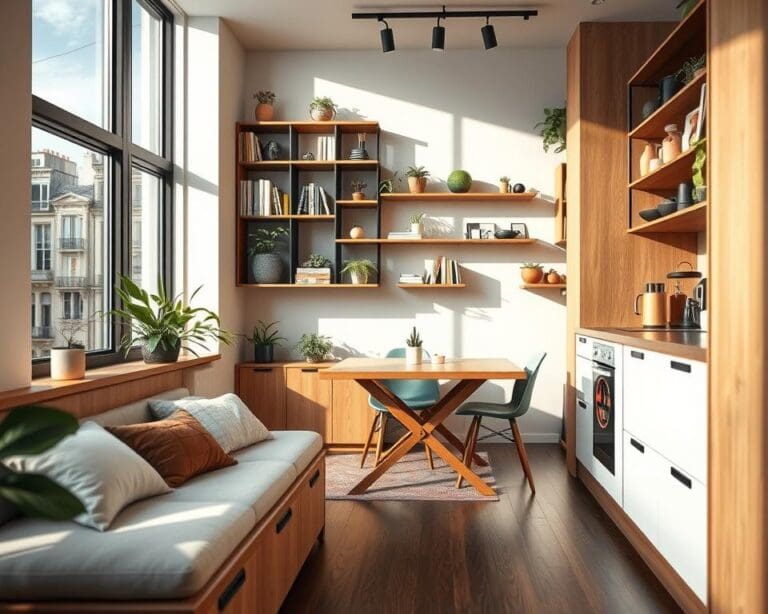
New-build homes and city flats often offer less square footage than older properties. You may notice compact kitchens, limited storage and tight living rooms that need to do several jobs at once. Sofa beds serve studio flats as a bed by night and seating by day. Fold-out or extending dining tables provide a place to eat without taking up a permanent footprint. Built-in benches with storage and wall beds, such as Murphy beds, free up floor area for daytime use. Permitted development and loft conversions create quirky layouts where furniture for urban flats must be inventive to make each zone usable.
Adapting to flexible living and remote work
Hybrid working means you might need an office in a bedroom, corridor or living room. Multifunctional desks that fold into cabinets, compact models from IKEA, or modular office units from John Lewis and Made.com let you convert a room quickly. Sit-stand solutions that slot into other furniture help you shift from work to leisure without a full refit. Temporary screens and foldable partitions create privacy in open-plan homes and cut noise for calls. Bespoke carpentry can tailor multifunctional furniture for home office needs when standard pieces don’t fit.
Balancing style and practical needs
Choosing multipurpose items need not mean sacrificing style. Contemporary makers blend clean lines with hidden mechanisms so pieces remain attractive and discreet. Timber veneers, matte lacquer, engineered wood and soft upholstery allow you to match multifunctional stylish furniture to your scheme. Aim for a cohesive design language across pieces to avoid clutter. Use consistent colour, texture and proportion so each item supports the room’s aesthetic while delivering function.
Design benefits and space-saving solutions
Good design makes small rooms feel larger and more useful. You will find ways to keep a tidy home without losing style by choosing thoughtful pieces that serve more than one purpose. Focus on layouts that respect traffic flow and sightlines so each item earns its place.
Types of space-saving multifunctional pieces
Sofa beds and daybeds give you comfortable seating by day and guest sleeping at night. An extendable dining table folds out for family meals and compacts for daily use.
Nesting tables slide together to free floor space and act as occasional surfaces when needed. Ottomans with storage hide toys, blankets or shoes in living rooms and play areas.
Wall beds and loft-style storage beds with integrated desks turn bedrooms into study areas while saving precious square metres. Room-dividing shelving units split open-plan flats without permanent walls.
Bench seating with hidden compartments offers neat hallway storage. Convertible coffee table-to-desk pieces let you work from the sofa without clutter.
Look for hydraulic or easy-lift mechanisms on these items for safe, smooth operation and improved usability in daily life.
How modular design increases versatility
Modular furniture means components you can combine, separate or rearrange. Systems such as sofa modules, shelving cubes and stackable storage let you adapt when your household grows or your work pattern changes.
When you plan, measure your room, think about how people move through it and pick modules that reconfigure without specialist tools. Popular UK suppliers include IKEA for modular sofas and shelving, Muuto for adaptable designs, and bespoke joiners if you want a made-to-measure solution.
Materials and finishes that maintain aesthetics
Choose materials that balance toughness with looks. Laminate and engineered woods resist scratches, while solid timber, oak veneers and walnut finishes give a premium feel. Match scale and tone to your décor so modular furniture blends in.
For upholstery, pick stain-resistant performance fabrics or removable covers for easy washing in rental and family homes. Leather remains a durable option for long-term use.
Hardware and mechanism finishes such as brass, brushed steel or powder-coated metal affect perceived quality and reliability. If you prefer flexibility, invest in neutral base pieces and update with coloured cushions and rugs.
Economic and sustainable advantages
Choosing multi-use pieces can save you money and lower your household footprint. A single sofa-bed or a desk that doubles as storage replaces separate items, cutting upfront spend and shrinking moving costs when you relocate.
Cost-effectiveness over time
Think beyond the purchase price. A quality daybed with an integrated desk can cost less than buying a bed, a desk and storage separately. You save on delivery and the space needed to keep additional items.
Lifetime costs matter. Higher-quality mechanisms, such as gas-lift storage beds, lengthen service life and reduce the need for early replacement. Look for warranties from retailers like John Lewis, Habitat and Made.com to protect your purchase.
Reducing consumption through multipurpose use
When one piece does several jobs, you buy fewer goods. This approach helps you reduce consumption furniture and cut material waste over time.
Prioritise sustainable furniture choices. Seek reclaimed timber, FSC-certified wood and low-VOC finishes. Small British makers and larger brands with clear supply chains offer repairable, transparent designs that extend usable life.
Longevity and durability considerations
Durable furniture starts with robust joinery and quality hardware. Test folding and lifting mechanisms in-store. Check hinge and glide ratings and ask about spare part availability before you buy.
Choose pieces with replaceable covers or modular parts that can be swapped rather than discarded. Longer service life reduces landfill and lowers the carbon impact linked to manufacture and transport.
How to choose the right multifunctional furniture for your home
Start with a measured assessment. Record room dimensions including ceiling height, mark window and power outlet positions, and note everyday movement paths to avoid blocking circulation. Create a priority list of functions you need most — sleep, storage, dining or work — so you can choose pieces that match daily use. This simple planning step sits at the heart of any buying guide multifunctional furniture.
When you evaluate options, focus on build quality and ease of use. Check materials, joints and mechanism warranties, and test conversions to see if they operate smoothly and can be done one-handed when needed. Look for removable covers and easy-clean finishes for low maintenance, and follow sizing rules of thumb: leave 75–90 cm circulation around major pieces and confirm mattress depths and legroom on storage beds and extension tables. These furniture selection tips help avoid costly mistakes.
Test ergonomics for desks and seating before you buy. Ensure desk height suits your frame or plan for sit-stand accessories, and assess seat depth and lumbar support on sofas you’ll use for long periods. Consider where to purchase: high-street retailers like John Lewis and Heal’s, mass-market stores such as IKEA and Habitat, direct-to-consumer brands including Made.com and Loaf, or a local joiner for bespoke solutions. Ask about delivery, assembly, return policies, warranties and availability of spare parts or repair services.
Finally, use a concise checklist before you commit: measured fit, primary functions covered, reliable mechanisms, aesthetic match, sustainability credentials and clear aftercare. Think about adapting existing furniture with added storage, fold-down surfaces or modular accessories to increase utility without full replacement. If you follow these steps you can confidently choose multifunctional furniture that solves multiple problems and fits your home long term, whether you are seeking the best multifunctional furniture UK or simply practical furniture selection tips.