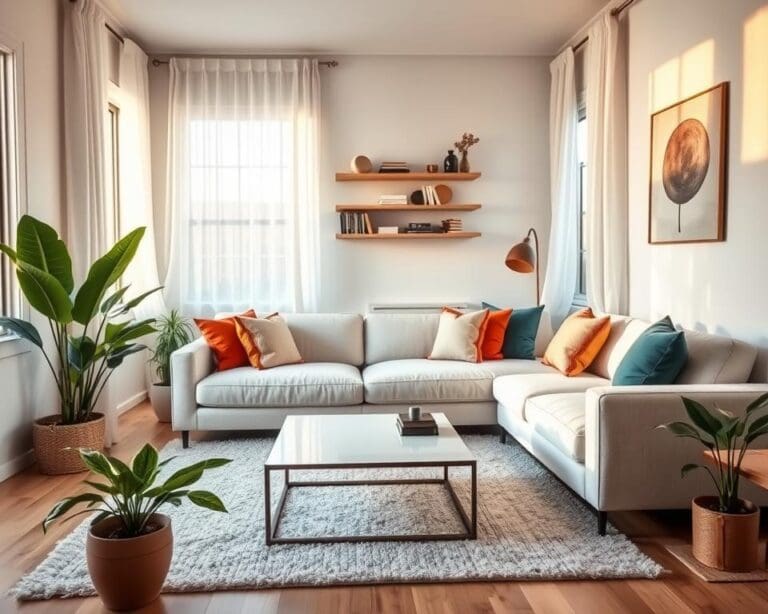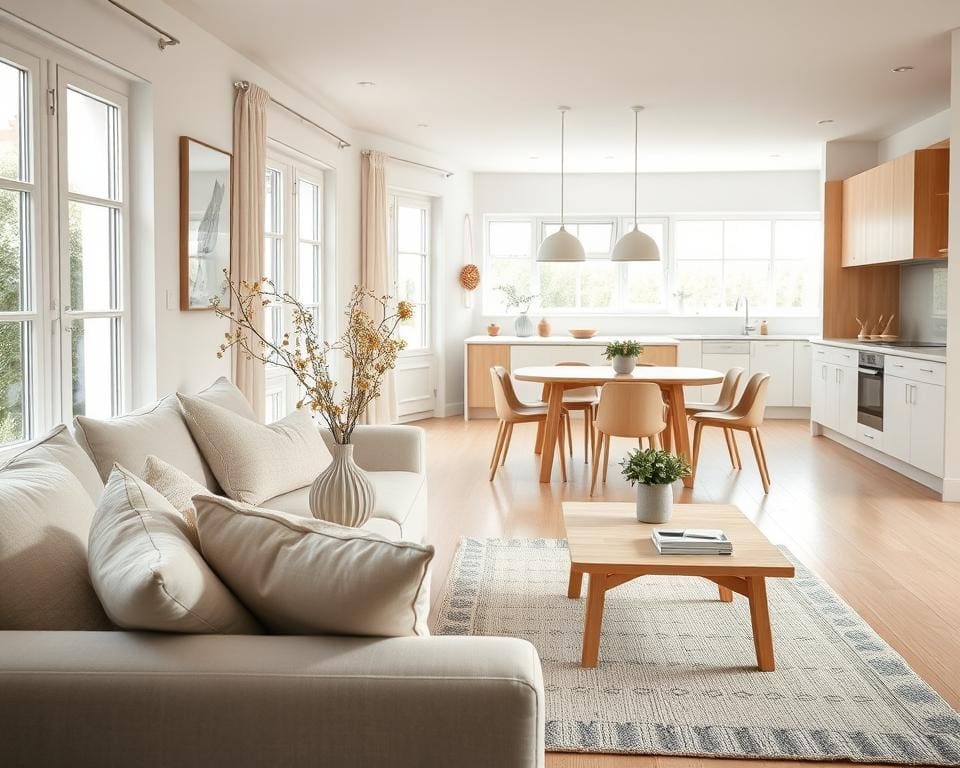
Scandinavian design has a long lineage that still shapes how you furnish and live today. Originating in Sweden, Denmark, Norway, Finland and Iceland during the 1930s–1950s, the movement reacted to rapid industrial change by favouring human-centred, functional design.
Post-war designers and firms such as Alvar Aalto, Arne Jacobsen, Poul Henningsen, Artek and Fritz Hansen made simple forms and quality craftsmanship widely desirable. Their work helped Nordic interiors reach a global audience and cemented several of the traits you now recognise.
The core appeal is plain: minimalism, functional form, natural materials, light neutral palettes and smart use of daylight. These elements produce timeless interior styles that balance beauty with practical living, which is why many choose Scandinavian interiors for family homes.
For UK homeowners the style is especially relevant. A temperate climate and short winter days make strategies to maximise light valuable. Older terraces and flats respond well to neutral schemes, while busy lives favour minimalist interiors UK and low-clutter solutions. Retailers such as IKEA and John Lewis have also made the look accessible across budgets.
This article will explore the core principles behind Scandinavian interiors, explain why the style endures in modern homes, and offer practical steps to bring Nordic interiors into your property.
Scandinavian interiors: core principles that define the style
Scandinavian interior principles centre on calm, purposeful spaces that suit modern life. You will spot clean lines, practical layouts and a neutral colour palette that keeps rooms feeling airy. These choices help you embrace minimalist living without making a home feel cold.
Minimalism and uncluttered living
Minimalist living in the Scandinavian sense means you choose items with intent. You edit belongings so surfaces remain uncluttered, yet you keep textiles and a few curated pieces to add warmth.
Practical examples include floating shelves, built-in cupboards and discreet baskets. Designers and retailers respond to demand for streamlined storage that boosts usability and makes rooms last longer.
Functional design and multipurpose furniture
Function drives form in this tradition. Scandinavian makers from the era of Arne Jacobsen and Alvar Aalto showed how beautiful shapes can be highly practical.
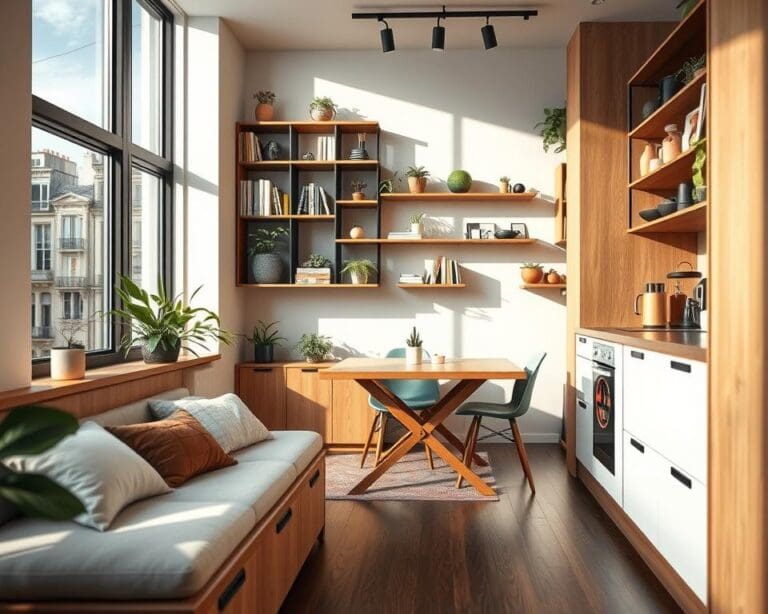
In UK homes, extendable tables, sofa beds, nesting tables and built-in benches with storage work well. Functional furniture saves space in terraces and flats and reduces the need to redecorate often.
Use of natural materials and textures
Natural materials interiors rely on light woods such as pine, ash and oak, plus wool, linen and ceramic accents. These choices add tactile warmth and lasting quality.
Many Scandinavian designers stress responsible sourcing and craftsmanship. You can find FSC-certified timber and ethical textiles in the UK market to match that intent.
Styling works best when you pair smooth pale wood with textured rugs, knitted throws and matte ceramics to create a layered feel.
Light, neutral colour palettes and the role of natural light
A neutral colour palette of whites, creams and soft greys helps rooms feel larger and more serene. Hints of muted pastels can add subtle interest without overpowering the calm.
To maximise natural light, favour large windows, minimal window dressings and mirrors that reflect daylight. For darker months, use layered lighting with pendant lamps, floor lamps and task lights and choose warm bulbs that mimic daylight.
These core ideas form a practical framework you can adapt to different homes while keeping the spirit of Scandinavian interior principles alive.
Why you find Scandinavian interiors enduring and popular in modern homes
Scandinavian interiors work across British homes because they start from a calm, neutral base. You can add pale oak flooring to brighten a Victorian bay, fit compact modular sofas in a city flat, or build cabinetry to make use of cottage alcoves. These simple moves show why adaptable interiors UK suit terraces, semis, new builds and rural cottages with equal ease.
The style favours small, reversible updates. A fresh coat of paint, new textiles or freestanding furniture often bypass planning issues in conservation areas. You keep period character while achieving a modern feel, which makes Scandinavian approaches practical for the varied stock of UK housing.
Timeless proportions and restrained decoration help interiors age well. When you choose a classic armchair from Fritz Hansen or a practical piece from IKEA, you tap into a design language that spans decades. High-quality items and a neutral palette support a timeless interior style that resists short-lived fads.
Investing in well-made, neutral pieces reduces the need for frequent redecoration. A solid-wood table or an iconic lamp can be updated through reupholstery or repair. This approach proves cost-effective over time and keeps interiors feeling current without wholesale replacement.
Light-filled, uncluttered spaces support calm and improved mood. Research links tidy, well-lit rooms with lower stress and better concentration. You can boost wellbeing and interiors by layering soft textiles, adding comfortable seating and bringing in plants for fresh air and texture.
Scandinavian lifestyle concepts such as hygge and lagom encourage cosy, balanced living. When you design with those ideas in mind, you create areas for relaxation and socialising that suit everyday routines. The result is a home that feels welcoming and honest.
Durable materials make maintenance straightforward. Oiled wood can be renewed, washable linen survives daily use, and wool rugs hide wear. Choosing durable materials helps you create a low-maintenance home that lasts, rather than one that needs constant replacement.
Many pieces are repairable. Solid-wood furniture often serves for decades. Lighting and chairs get new covers or finishes, extending their life and cutting waste. For UK conditions, opt for finishes that resist damp and temperature change, and seek professional advice when restoring period features to maintain a Scandinavian sensibility.
How to incorporate Scandinavian interiors into your home
Start with a simple brief: note your daily routines and which rooms need prioritising. Measure each space and map furniture to scale so you can choose multifunctional pieces that suit smaller UK homes. Decide on a neutral base palette to unify rooms before adding any accents.
Begin the practical work by decluttering and editing. Remove non-essential items and invest in storage from IKEA, John Lewis or Made.com to keep surfaces clear. Repaint walls in soft whites or warm greys and maximise natural light; add layered lighting with warm LED pendants, table lamps and floor lamps to replicate daylight in winter.
Choose light timber floors or pale-look laminates and layer textiles such as wool rugs, linen curtains and knitted throws for warmth and texture. Pick simple, well-proportioned furniture: a compact sofa with clean lines, an oak dining table, slender-legged chairs or modular seating for flexibility. These steps will help you incorporate Scandinavian interiors with true minimalist Scandinavian styling.
Style sparingly. Use a few curated ceramics, simple vases and a small number of framed prints or black-and-white photography. Introduce houseplants like Ficus, Monstera or trailing pothos for life and air quality. For colour, add muted accents through cushions or a single feature wall in soft blue, dusty pink or moss green to avoid a sterile look.
If you are on a budget, thrift or upcycle mid-century pieces and buy one or two investment items such as a well-made armchair. Supplement with affordable finds from IKEA, Habitat and H&M Home for a budget Scandinavian makeover. Check FSC certification for timber and favour natural fibres and locally made products where possible.
Plan implementation room-by-room, starting with the living room or kitchen to spread cost and adapt the look gradually. Maintain materials with appropriate oils for wood and follow care instructions for upholstery and linens. For further inspiration, consult design archives and consider brands such as Artek, Muuto and &Tradition, or visit showrooms and order swatches to ensure colours and textures work in your home.