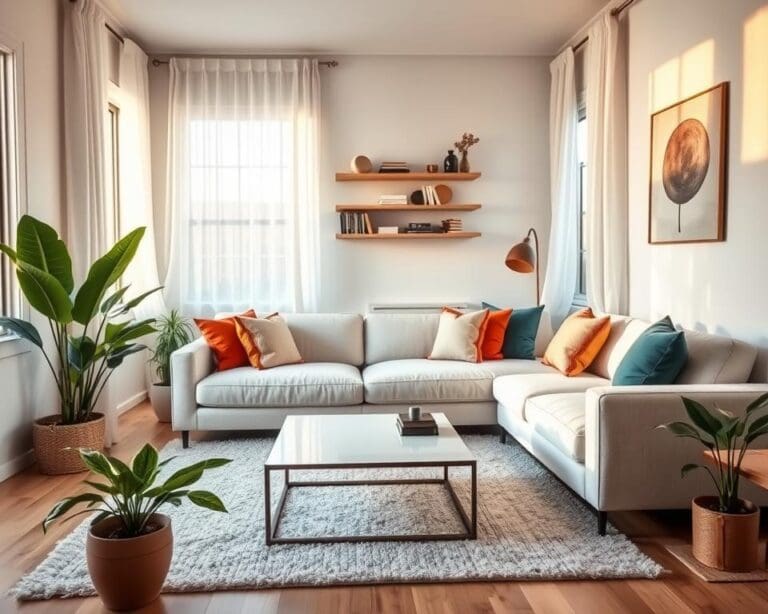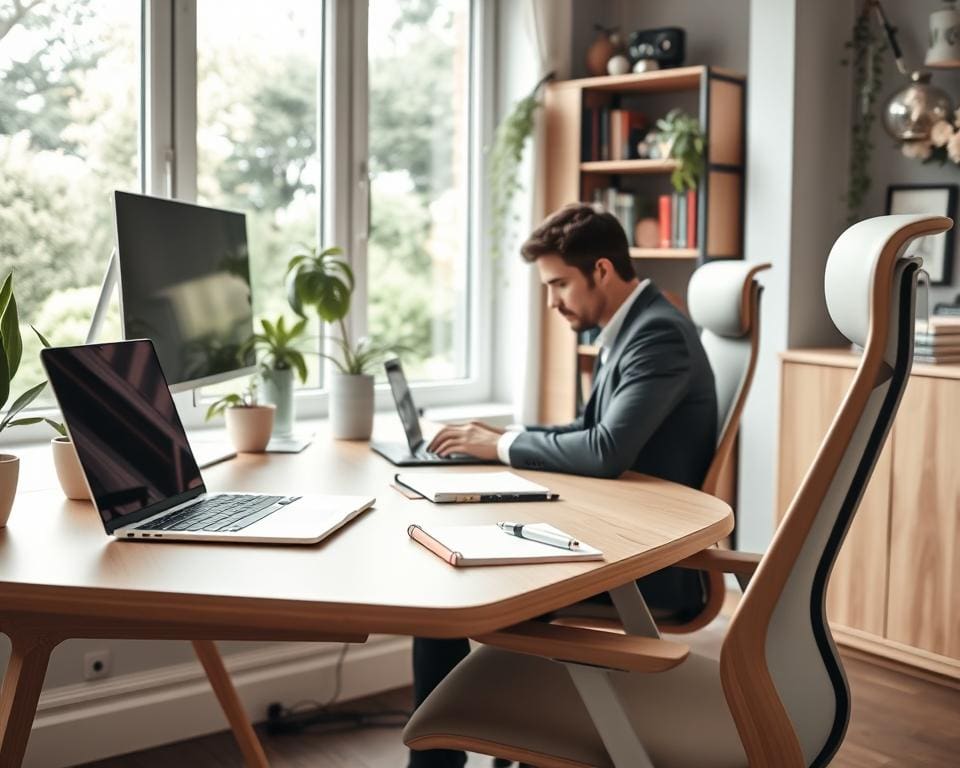
This guide helps you choose home office furniture that boosts comfort, cuts fatigue and raises productivity. You will find clear advice on selecting pieces that fit UK homes, from compact flats to period houses.
Space is often limited in the United Kingdom, so you need multi-functional, space-saving solutions. Consider retailers such as IKEA UK, John Lewis, Made.com, Wayfair UK and Hobbycraft for accessories when planning your home office setup.
Core considerations include ergonomics, matching desks and chairs, smart storage and cable management, good lighting, durable materials and easy maintenance. Look for sustainable options like FSC-certified wood, recycled fabrics and Ecolabel products.
With the right home workstation furniture you can reduce musculoskeletal strain, improve concentration, present professionally on video calls and stay organised so tasks take less time.
The article is arranged to take you from essentials—chairs, desks, storage and lighting—to choosing furniture for your room and work style, then to practical setup and upkeep. Use this to move from planning to purchase with confidence.
Essential home office furniture for comfort and efficiency
Setting up a productive home office starts with the right furniture. Choose items that support long hours, reduce strain and keep your space tidy. Focus on ergonomics, flexible desks and clever storage to create a room that helps you work, not fight the furniture.
Ergonomic chairs: support and posture for long workdays
Your chair is the most important purchase for long‑term health and productivity. A good ergonomic chair reduces back, neck and shoulder pain and keeps you alert through the day.
Look for adjustable seat height, lumbar support that can be tuned, seat depth and tilt functions, and armrest adjustability. A breathable mesh or quality leather that fits your climate helps comfort. Choose a five‑point base with castors suitable for your floor type.
Check standards such as BIFMA and guidance from the UK Health and Safety Executive before buying. Test chairs in store at John Lewis or Office Outlet and read reviews on Which? and TrustedReviews. Brands to research include Herman Miller (Aeron), Steelcase (Series 1, Amia), HÅG, Humanscale and the budget‑friendly Ikea Markus.
Pair chair height with desk height to keep a 90–110° elbow angle. Use a footrest if your feet do not sit flat. Plan to replace the chair after five to seven years or when cushioning and support fade.
Desks for productivity: size, shape and surface considerations
Choose a desk that fits your room and work style. Size matters for monitor placement, paperwork and a laptop. Rectangular desks suit focused work. L‑shaped desks give space for dual tasks and meetings.
Consider adjustable desks and standing desks to alternate between sitting and standing. Height adjustability reduces fatigue and helps posture. Pick a surface that resists scratches and clears easily to keep distractions low.
Storage solutions: shelving, filing and decluttering tips
Good office storage solutions keep clutter out of sight and documents within reach. Use a mix of open shelving for reference items and lockable filing for sensitive papers.
Label boxes and use shallow drawers for stationery to avoid digging. Vertical storage works well in small rooms. A tidy layout saves time and reduces stress during busy periods.
Lighting and accessories: task lamps and monitor stands
Proper lighting and the right accessories make a big difference. Task lighting for home office work should be adjustable and cast even light across your desk to cut eye strain.
Monitor stands lift screens to eye level, improving neck posture and freeing desk space. Plan cable management to keep power leads and peripherals neat. A simple monitor riser, a desk grommet and trunking will tidy cables and improve safety.
Choosing furniture to suit your workspace and work style
Start by measuring your room and noting window placement, radiators, door swings and sockets. A simple floorplan helps you test layouts before you buy. In tight spaces, clever planning beats guessing.
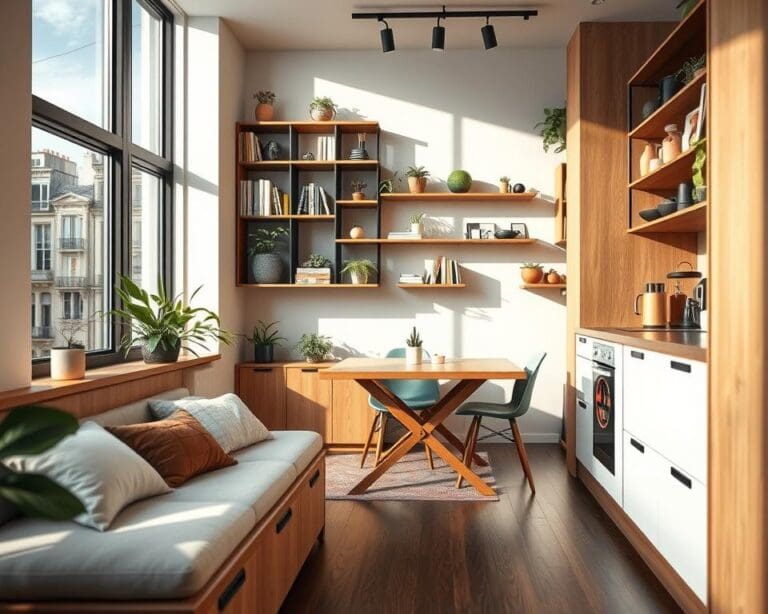
In small rooms, use corner desks, wall-mounted shelving and fold-down surfaces to save floor space. Mirrors or pale paint lift the feel of a box room. Consider vertical storage to keep surfaces clear and make a small home office ideas feel larger.
Open-plan areas demand a different approach. Use bookcases as screens, rugs to define zones and screen panels to give privacy. Choose open-plan home office furniture that blends with living spaces, such as low-profile desks and quieter task chairs, so work does not dominate your home.
Assessing your room and layout: from box rooms to open-plan spaces
Place your desk near natural light but avoid glare on screens. Fit blinds or curtains you can adjust through the day. Think about acoustics; acoustic panels, soft furnishings or a thick rug reduce echo in larger rooms.
Create a layout that allows movement. Leave enough room for chair clearance and to reach shelves without obstruction. Mark door swings on your plan to avoid awkward placements.
Matching furniture to your tasks: creative work, meetings and admin
Match your furniture to the work you do. For sketching, drafting or model-making, choose furniture for creative work with ample surface area and adjustable storage nearby. A height-adjustable desk helps when you switch between sitting and standing tasks.
For frequent video calls, pick a simple backdrop and a desk that positions your camera at eye level. If you host meetings at home, consider a small table and stackable chairs that tuck away when not in use.
Materials and finishes: durability, style and maintenance
Choose durable desk finishes that resist scratches and stains, such as laminate or treated oak. Solid wood looks great but needs oiling or lacquer to stay looking smart. Metal frames give strength for busy households.
Think about maintenance when you buy. Surfaces that wipe clean save time. For a more eco-conscious choice, look for sustainable office furniture UK options made from FSC-certified wood or recycled materials.
Budgeting and prioritising purchases for maximum impact
Set priorities for a budget home office and spend where it counts. Invest in a good chair and a durable desk finish first. Storage solutions and accessories can follow once the core setup works for you.
Look for secondhand pieces from reputable sellers or brands like John Lewis or Habitat for bargains. Combining a few quality items with smart small home office ideas stretches your budget while keeping longevity and style in mind.
How to set up and maintain a productive home office
Start with a simple pre-setup checklist. Measure your room and the desk area, note socket and router locations, and plan lighting so you get even, glare-free light. Confirm your internet speed and power points before you buy furniture to avoid rewiring or awkward cable runs. This practical home office setup guide saves time and keeps installation smooth.
Focus on workspace ergonomics UK standards when arranging key items. Set your chair so your feet sit flat or use a footrest, and aim for 90–110° angles at knees and elbows. Position your monitor 50–70 cm from your eyes with the top at or just below eye level. Keep keyboard and mouse at elbow height with neutral wrists to reduce strain.
Organise cables and power sensibly to make cleaning easy and to meet a clean desk policy. Route cables through trunking or clips, place surge protectors within reach but out of sight, and label power strips for devices. A tidy cable layout helps you maintain home office hygiene and speeds up troubleshooting.
Add finishing touches that are both practical and calming. Choose low-light plants such as pothos or spider plant, use matching storage boxes, and mount a pinboard or whiteboard for tasks and deadlines. Regular office maintenance tips—weekly surface wipes, monthly cable checks and quarterly equipment tests—keep your space efficient and inviting.