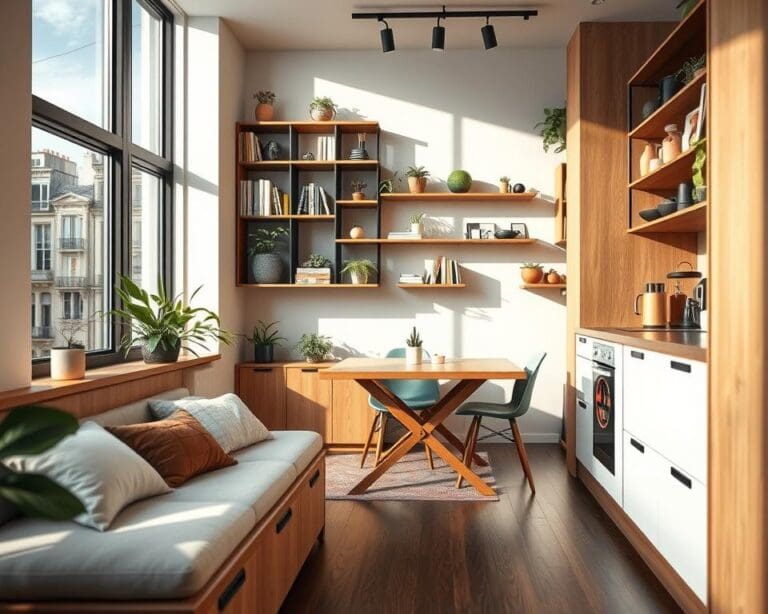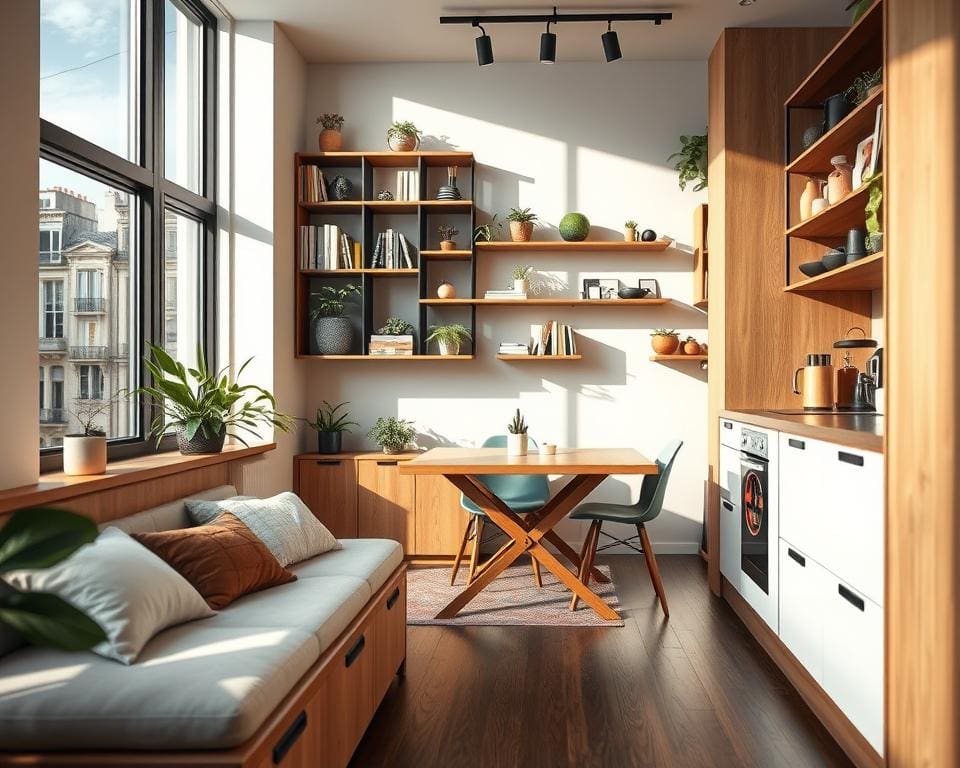
Living well in a small flat means thinking beyond the floor. This guide offers practical, stylish and achievable apartment storage ideas you can use straight away, whether you rent a Victorian conversion, a modern London studio or a purpose-built one-bed in Manchester.
You’ll learn why compact apartment storage matters: limited square footage makes vertical systems, multifunctional furniture and disciplined organisation essential to reduce visual clutter and improve liveability. Smart use of wall-mounted shelving, under-bed drawers and closed units can free up floor space and make a small flat feel larger.
The article is organised to be immediately useful. First, we’ll help you assess needs and zone your space. Next, we cover vertical and hidden storage, then furniture that doubles as storage, and finally practical organisation and maintenance tips. Each section includes simple actions you can take today.
Set clear targets to track progress: aim to free up 20–30% of floor area with vertical shelving and under-bed storage, halve visible items through closed storage and donation cycles, and create two multifunctional zones such as sleep/work and dining/living.
Quick wins to start now include fitting wall hooks, adding an over-door organiser and decluttering a single drawer. Try one storage ottoman to see immediate benefit and build momentum for bigger changes.
For a deeper look at examples and product ideas from UK retailers and bespoke joiners, see this practical overview on smart storage solutions for small homes: storage solutions for small homes.
Apartment storage: clever ways to reclaim space in small homes
Before you start buying boxes, take a moment to assess where space is leaking away. An apartment storage assessment helps you map room dimensions, ceiling heights and tucked-away nooks that could work harder for you. Use a tape measure or apps such as RoomScan LiDAR to sketch a plan, then note which surfaces never get used.
Sort belongings by how often you use them. Keep daily items within easy reach and move seasonal or rare-use things to labelled containers under the bed, into a loft or an external unit at Shurgard or Big Yellow if needed. Photograph valuables and sentimental pieces so you avoid buying duplicates and make decisions with confidence.
Assessing your space and storage needs
Start a quick space audit. Measure walls, note ceiling height and mark narrow strips, alcoves and dead corners. Check building rules in the UK: listed status, rental clauses and fire regs might limit drilling. Choose non-invasive fixes like Command strips or tension rods where permanent changes are not allowed.
Catalogue items by frequency of use. Create three piles: daily, occasional and seasonal. Place daily essentials in open-access storage and use clear, dustproof boxes for items you store away. Keep important documents in a lockable box or scan them to Google Drive for added safety.
Zoning and multifunctional areas to reduce clutter
Define functions inside a room so clutter stays contained. Small flat zoning means creating distinct sleep, work, eat and relax areas even in a studio. Use rugs, lighting and low shelving to separate zones without chopping up light or flow.
Think multifunctional living when you choose furniture. A small table can double as a dining spot and workspace. A shelf behind the sofa can form a compact office divider. Room dividers with built-in shelving give storage and separation in one move.
Place frequently used items where they make sense. Coat hooks and shoe racks near the entrance stop clutter at the door. Keep kitchen prep tools within arm’s reach in baskets or caddies so cooking stays efficient and tidy.
Prioritising items: what to keep, store or donate
Use a simple triage: keep for daily use, store for seasonal or rare items, donate or sell what you haven’t used in 12 months. The 12-month rule makes decisions quicker and reduces emotional hang-ups.
When you decide to donate, use trusted UK outlets like Shelter, British Heart Foundation or local charity shops. Sell good-condition pieces on Gumtree, Facebook Marketplace or Vinted for clothes. Label boxes clearly and include an inventory to make retrieval painless.
Store essentials by priority. Everyday items go in open baskets or on reachable shelves. Seasonal and sentimental items belong in sealed, labelled containers. For valuables, consider a fireproof safe or a bank safe deposit box to keep irreplaceable items secure.
Vertical and hidden storage ideas to maximise every inch
Small flats thrive on clever choices that save floor space and keep your rooms feeling open. Use vertical storage ideas and hidden storage solutions to make every inch work harder without crowding the layout. The right mix of visible shelving and concealed compartments keeps daily items to hand while hiding what you don’t need to see.
Floor-to-ceiling shelving is an efficient way to use wall height. Fit modular units from retailers such as IKEA (BILLY, PLATSA), John Lewis, Habitat or Made.com to exploit full wall height without taking extra floor space. Combine open and closed sections to balance display with discretion.
Secure tall units to walls with anti-tip kits and follow building regulations when drilling in rented homes. Place the heaviest items on lower shelves and use baskets or boxes, for example mDesign fabric bins, to keep things tidy. Adjustable shelves and glass-fronted cabinets are useful for books and dust-prone items while keeping the room light.
Under-bed storage offers vast potential for out-of-season clothing and bedding. Choose low-profile rolling boxes, vacuum-seal bags or divan drawers to store bulky items neatly. Brands found in UK shops such as Argos, Dunelm and Amazon supply a wide range of under-bed storage options.
Opt for raised bed frames to ease access or select ottoman-style beds for a single large compartment. Platform beds with integrated drawers merge style and utility if you prefer a finished look that hides everything from view.
Over-door solutions are non-invasive and ideal for rentals. Fit over-door shoe organisers, hanging racks for cleaning supplies or towel organisers in bathrooms to reclaim shelf and floor space. Magnetic strips and rails in kitchens free up worktops and keep utensils handy.
Built-in concealed storage creates a seamless look and adds real functionality. Consider recessed wardrobes, alcove cabinets or window seats with lift-up lids to add storage that feels part of the architecture. Such built-ins can increase perceived space when finished in light colours and handleless doors.
For bespoke work contact local carpenters listed on Rated People or Checkatrade, or explore fitted ranges from Benchmarx and B&Q. IKEA’s PAX and SEKTION systems can be customised through planning services or independent fitters for a more affordable route to built-in concealed storage.
Use stair drawers, seating with lift-up lids and coffee tables with hidden compartments to keep surfaces clear. Aim for designs that blend with your decor, maintain visual continuity and let the apartment breathe while offering practical, out-of-sight storage.
Furniture and fittings that double as storage
Choosing multifunctional furniture makes every square metre work harder. Small pieces that hide belongings free up floor space and reduce daily clutter while keeping rooms comfortable and liveable.
Storage ottomans, benches and coffee tables give instant hidden space for throws, cushions, magazines and children’s toys while serving as seating or surfaces. Pick stain-resistant fabrics or removable covers for easy cleaning. Check weight capacities before you buy so seating feels solid under guests.
UK retailers such as Habitat, Made, DFS and John Lewis stock a wide range of storage furniture that suits compact homes. Upcycling a vintage trunk into a coffee table creates character and practical internal storage without extra cost.
- Recommended placement: position an ottoman with enough clearance for a comfortable walkway; place a bench in a hallway or at the foot of a bed for shoe storage.
- Size tip: measure routes and doorways to ensure larger pieces fit through during delivery.
Sofa beds, fold-away tables and wall beds transform sleeping and dining areas quickly, making rooms multi-use. Modern sofa bed designs from brands like Loaf and Sofa.com combine comfort with integrated storage for bedding and pillows.
Compact fold-away dining tables and wall-mounted drop-leaf tables such as IKEA’s NORBO or NORDEN range suit small kitchens and studios. For wall beds and heavy fold-away fittings, confirm wall stud locations and building compatibility, and consult a qualified installer. If you rent, check landlord permissions before major fixes.
- Trade-off note: you gain daytime floor space but may need to compromise on mattress thickness or table size.
- Installation tip: use wall anchors rated for the load and follow manufacturer guidance.
Kitchen islands, window seats and storage headboards add purposeful storage and function. A kitchen island with drawers and open shelves becomes prep space and a hub for pots, tins and small appliances; look for modular options from John Lewis or IKEA or consider a bespoke unit from independent kitchen fitters for a tailored look.
Window seats with internal compartments make cosy nooks for reading and stashing blankets and toys. Choose cushions with removable covers for simple laundering during damp UK months. Storage headboards with shelves or cubbies remove the need for bedside tables in tight rooms and keep essentials within reach.
Match materials and finishes to room conditions. Use moisture-resistant laminates for kitchen island storage and ventilated fabrics where condensation might be an issue. Scale pieces to room proportions to avoid visual clutter and keep circulation routes clear.
For more smart ideas on clever solutions and fitting tips, see this practical guide on smart storage ideas for compact homes.
Organisational hacks, products and maintenance tips
Start with a few high-impact organisation hacks that you can apply today. Use clear labelled boxes for under-bed storage and adopt a one-in-one-out rule for clothing to keep wardrobes lean. Fit vertical pegboards in the kitchen for utensils and small pans, and choose slimline laundry baskets to save floor space. These small moves make an immediate difference to your decluttering routine and storage maintenance.
Invest in a handful of proven storage products UK shoppers rely on. Look to IKEA for modular shelving, John Lewis or Heal’s for higher-end furniture, and Dunelm or Argos for affordable accessories. Pick compartmentalised drawer organisers from Joseph Joseph for cutlery and cosmetics, magnetic strips for knives and tools, and Command adhesive hooks for rental-friendly hanging. For specialist needs, consider vacuum storage bags by SpaceSaver, stackable shoe racks, Really Useful Boxes clear cartons, and breathable wardrobe boxes for delicate items.
Before you buy, check measurements and return policies, and read customer reviews on Trusted Shops or Which? for major purchases. Keep a simple maintenance routine: spend 10–15 minutes each month tidying high-traffic zones, wipe shelves down and relabel containers as needs change. At season changes, review your wardrobe, test stored batteries and electronics, and rotate items to prevent damage. These maintenance tips for small homes help stop problems before they start.
Protect stored items with practical climate and pest measures. Use cedar blocks or lavender sachets in wardrobes, silica gel packs in damp-prone boxes, and breathable containers to avoid mould in UK climates. Digitise important documents, keep a basic inventory in Google Sheets or a notes app, and make donation cycles part of your routine. Over time, consistent small actions and careful purchases will turn a compact flat into a calm, efficient home.