Choosing flooring for your home shapes how each room looks, feels and performs. Your choice affects resale value, thermal comfort, acoustics and day-to-day maintenance. In the UK, you also need to consider variable weather, older houses with uneven subfloors and conservation-area or listed-building limits that restrict some materials.
This home flooring guide explains how to choose flooring by weighing comfort, style, durability and functionality. You will find a clear structure: practical considerations to assess, a material-by-material comparison and room-by-room recommendations tailored to UK lifestyles—families with children, pet owners, renters and homeowners focused on longevity and sustainability.
Use this quick checklist before you begin. Measure room size and note orientation (north or south light). Check the subfloor—concrete, timber joists or suspended—and identify moisture risks in ground-floor rooms, bathrooms and utility rooms. Estimate foot traffic, set a realistic budget including installation and underlay, and decide environmental priorities such as sustainable materials, recyclability and VOC emissions.
For reliable floor selection UK guidance, consult British Standards for flooring products, Water Regulations for wet rooms and consumer advice from Trading Standards or Which?. This guide will help you pick the best flooring for rooms throughout your home with confidence.
Practical considerations for flooring for your home
Choosing the right floor means weighing use, climate, upkeep and cost. Start by matching materials to how each room will be used. Keep practical flooring considerations in mind from the planning stage to avoid surprises during installation and living with the floor.
Assessing room function and foot traffic
Group rooms by use: high-traffic areas include hallways, kitchens and living rooms; moderate-traffic areas cover dining rooms and studies; low-traffic rooms are bedrooms and formal rooms. That grouping helps you pick wear ratings and surface hardness that suit daily use.
Look for PEI ratings on tiles, AC ratings on laminate and wear-layer thickness on vinyl when shopping. These measures predict how well a surface will cope with heavy use and scratch risk.
Account for special needs. Kitchens need slip resistance and simple cleaning routines. Hallways must resist scratches and impact. Rooms with heavy furniture may favour materials that tolerate point loads or can be refinished, such as solid wood.
Measure foot traffic practically: count daily comings and goings, add pets and children to the estimate, and plan for seasonal increases in mud and grit during winter.
Moisture and climate factors across the UK
UK homes face varied moisture risks. Ground-floor rooms can be damp. Older properties may suffer rising damp or poor ventilation. Scottish and coastal houses often see higher humidity. These conditions affect which materials perform well.
Solid wood is generally unsuitable for bathrooms and some kitchens unless treated and installed with specialist detailing. Engineered wood, luxury vinyl and tiles cope better with moisture-resistant flooring UK needs.
Follow correct installation steps: use vapour barriers and damp-proof membranes on concrete, allow recommended acclimatisation for wood products and check underfloor heating compatibility with manufacturers’ guidance.
Reduce risk with ventilation and extractor fans, good thresholds and robust doormats. Avoid laying vulnerable materials directly over cold, damp subfloors.
Durability, maintenance and lifespan expectations
Expect different flooring lifespan ranges: solid hardwood can last decades with refinishing. Engineered wood commonly lasts 10–30 years depending on wear layer. Laminate tends to reach 10–20 years. Luxury vinyl tiles and planks last 10–25 years. Ceramic and porcelain tiles can endure for decades. Carpet life is typically 5–15 years depending on quality.
Maintenance needs vary by material. Wood requires sealing or oiling and careful cleaning. Vinyl needs sweeping and mopping. Tiles need grout care and occasional sealing for natural stone. Carpets benefit from vacuuming, stain treatments and periodic professional cleaning to manage allergens.
Check manufacturer warranties and independent testing such as EN standards or the BSI Kitemark. Use traffic grades and scratch-resistance specifications to choose appropriate foot traffic flooring for busy households.
Budget planning and cost-per-square-metre versus long-term value
Balance upfront cost against lifetime cost. Budget laminate and economy carpet lower initial outlay but may need replacing sooner. Higher-cost options like solid oak, premium porcelain and quality LVT often give longer service life and can add to property value.
Include installation, underlay, subfloor preparation, skirting and removal of old coverings in your calculations. A simple costing approach is: material cost + installation + contingency of 10–20% to cover surprises.
Some products suit DIY installation, such as click laminates and certain LVT ranges. Hire professionals for tiles, resin floors and solid hardwood. Look for UK installer certification schemes and consumer protections when booking fitters.
Environmental impact and sustainable flooring options
Assess sustainability by sourcing, finish chemistry and longevity. Responsibly sourced timber with FSC or PEFC certification and low-VOC adhesives reduce environmental harm. A longer flooring lifespan often lowers lifecycle impact.
Consider eco-friendly flooring choices: bamboo and cork are renewable but check sourcing; reclaimed or certified hardwood prolongs resource life; recycled-content LVT and carpets from recycled PET cut waste; linoleum is a biodegradable alternative to PVC.
Review ecolabels and certifications relevant in the UK, such as FSC, PEFC and manufacturer environmental product declarations. Plan responsible disposal of old flooring through local waste services or specialist reclamation firms to close the loop.
Comparing popular flooring materials for style and performance
Choosing the right floor means weighing looks, durability and maintenance for each room. Below you will find concise guidance to help you compare flooring materials by use, budget and lifestyle. Read each short part to match choices to kitchens, bedrooms and wet rooms.
Hardwood and engineered wood
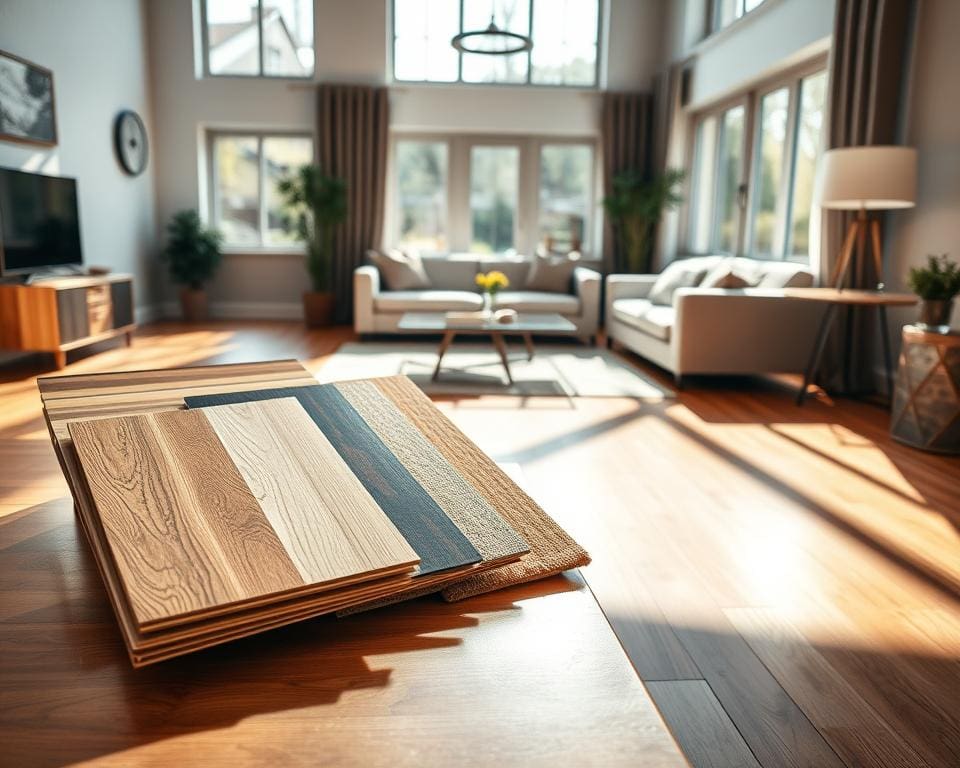
Solid hardwood offers depth and can be sanded and refinished several times. Engineered wood has a veneer over plywood or HDF, so it resists movement in humid conditions. When you compare hardwood vs engineered, note species like oak, walnut and ash change grain, colour and wear.
Installation differs. Solid planks are usually nailed to joists and need a suitable subfloor. Engineered boards can be floated, glued or stapled and work well with underfloor heating. Acclimatise packs for a few days and choose lacquer, oil or hardwax finishes for protection.
Hardwood brings prestige and resale appeal. Engineered wood gives stability on ground floors and in conservatories. Consider cost, sanding options and maintenance when you weigh long-term value.
Laminates and luxury vinyl
Laminates use an HDF core with a photographic surface and are graded by AC ratings. Luxury vinyl, including LVT, uses layered PVC with a protective wear layer. Look at wear-layer thickness and slip ratings when you assess performance and LVT benefits.
Both systems click together for quick installs. They resist scratches and stains and replicate wood or stone looks affordably. Vinyl’s water resistance makes it a sensible choice for kitchens and utility rooms.
Ensure the subfloor is flat, pick the right underlay and keep cleaning simple with manufacturer guidance. If you worry about the environment, search for recycled-content or phthalate-free ranges.
Tiles and stone
Ceramic and porcelain tiles are durable and low-porosity, with porcelain often frost-resistant. Natural stone such as slate, granite or limestone needs sealing and careful upkeep. Check R-values for slip resistance before specifying tiles for wet areas.
Tiles work well with electric or water underfloor heating because they conduct heat efficiently. Use flexible adhesives and prepare the subfloor correctly to avoid future movement or cracking.
Grout can stain, so pick sealed grout and follow tile cleaning tips: clean regularly with pH-neutral products and reseal porous stone as recommended. Tiles often last decades, balancing initial cost against longevity.
Carpets and rugs
Carpet pile types include loop, cut pile and Saxony. Fibres range from wool to nylon and polyester. Wool gives natural resilience and warmth. Synthetics offer stain resistance at lower cost. Carpets excel in bedrooms and lounges for comfort and sound insulation.
Allergy concerns matter. Carpet allergens collect in fibres, so vacuum often with a HEPA-equipped machine and arrange professional cleaning periodically. Low-pile synthetic options or hard floors with washable rugs can ease symptoms for allergy sufferers.
Use quality underlay for comfort and thermal benefit. Choose colours and patterns that hide wear in busy areas and check stain warranties when making a purchase.
Innovative and specialist options
Cork is renewable, naturally antimicrobial and soft underfoot. In the UK you can buy cork flooring UK ranges designed for living areas, though you should check moisture resistance before using it in wet rooms.
Bamboo is a fast-growing grass turned into hardwearing boards, especially when strand-woven. Buy reputable brands and confirm manufacturing standards to avoid poor adhesives and emissions.
Resin and polished concrete give a seamless, modern finish for open-plan spaces and pair well with underfloor heating. They need professional installation and periodic polishing or resealing to preserve appearance.
Room-by-room guidance to match flooring to lifestyle
When choosing the best flooring for rooms, think about how you use each space. In living rooms and lounges, engineered wood or hardwood gives warmth and strong resale appeal, while a quality carpet offers acoustic comfort. LVT works well as a hard-floor alternative; it is durable, easy to maintain and pairs neatly with rugs and underfloor heating for added insulation.
For kitchen flooring UK choices must resist water and slips. Porcelain tiles, LVT or specialist water-resistant engineered wood are sensible picks. Pay attention to grout and sealants, thresholds between rooms and easy-clean surfaces that cope with food prep and pet mess. In utility rooms, prioritise robust, non-slip finishes and straightforward transitions to adjacent spaces.
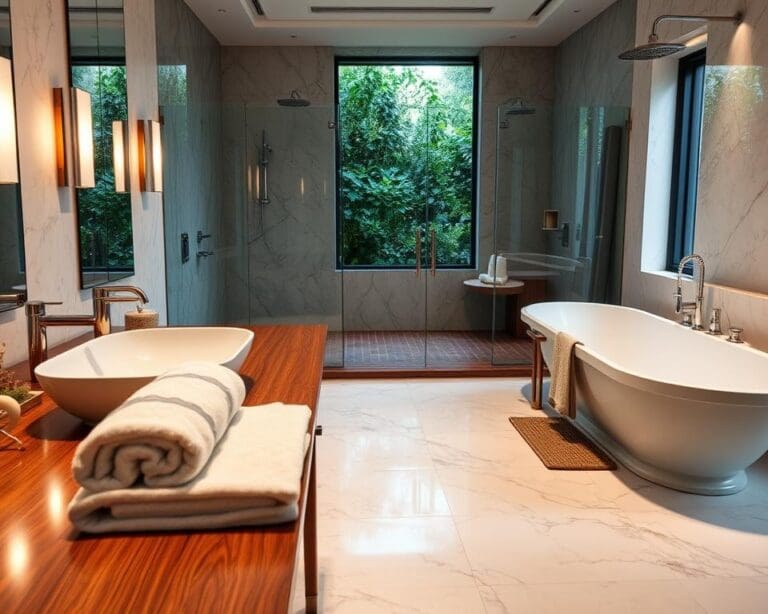
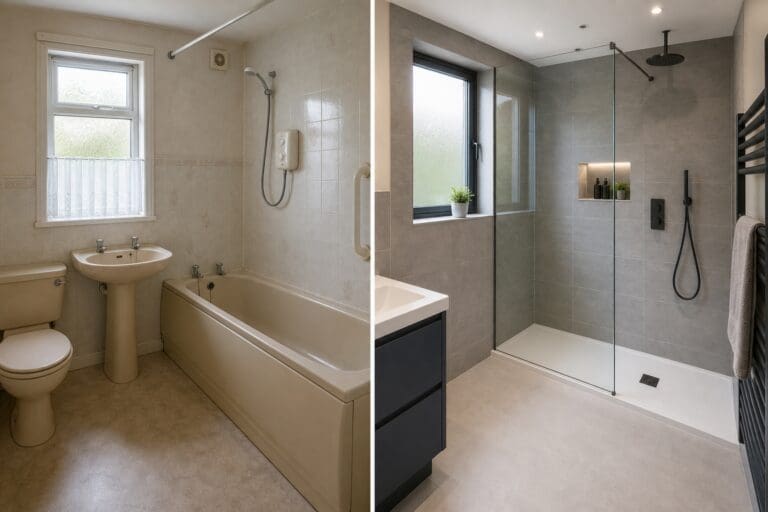
Bathroom flooring options should focus on waterproofing and safety. Ceramic or porcelain tiles and sealed natural stone remain top choices, while wet-room vinyl systems suit full waterproofing. Ensure tanking, correct adhesives and compliant installation; avoid plain solid wood unless ventilation and moisture control are excellent.
Hallways flooring advice leans towards hard-wearing, scratch-resistant materials that handle grit and damp. Porcelain tiles, LVT or high-grade laminate are practical, and darker tones or patterned tiles help disguise wear. Use durable skirting and entry mats to extend life.
For bedrooms and studies, bedroom flooring ideas include carpet for warmth, engineered wood for elegance, or cork as a cosy, sustainable option. Choose underlay for noise reduction and personal comfort. Children’s rooms benefit from impact-resistant, easy-clean surfaces such as stain-resistant carpets, washable rugs, LVT or cushioned cork, with rounded trims and secure fitting to prevent trips.
If you have pets, opt for scratch-resistant LVT, porcelain tiles or robust laminates; for wood, choose harder species or engineered boards with tough finishes. Quick-clean routines and textured finishes help hide claw marks. In period properties and listed buildings, sympathetic choices such as reclaimed boards, stone flags or thin engineered floors preserve character—consult conservation officers for listed status and use breathable materials where needed.
For rental properties and temporary needs, budget laminate, vinyl sheet or entry-level LVT are cost-effective and easy to replace; use removable rugs for comfort. Finally, before purchase measure accurately and order 5–10% extra for waste, view samples at home, confirm warranties and installer credentials, prepare the subfloor and plan installation timing and maintenance to protect your investment.