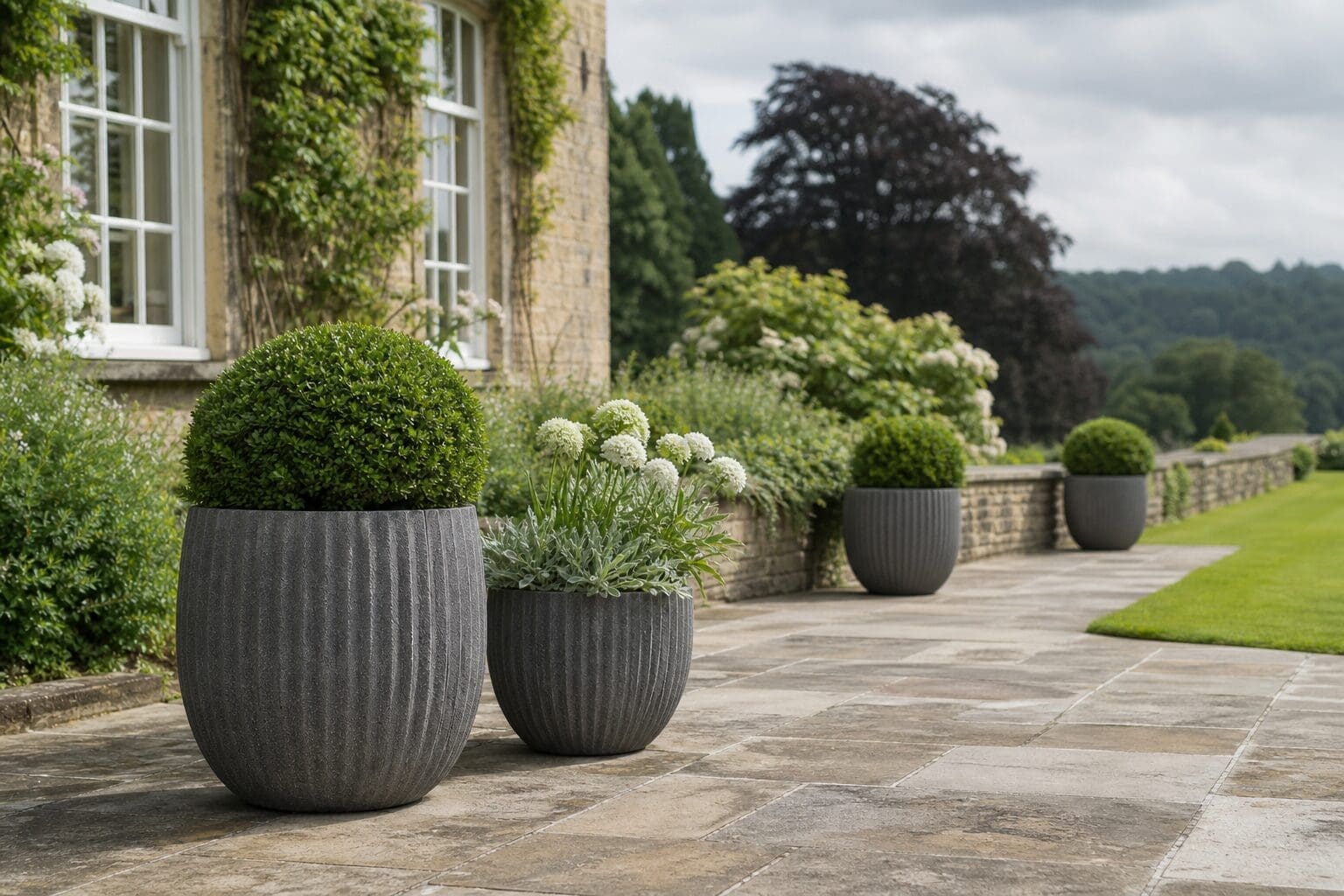
Choosing designer planters is about more than finding somewhere to put your plants. A well-chosen planter helps shape the whole look of a garden, terrace, balcony or indoor display. It can add structure, frame a doorway, soften hard landscaping or create a calm focal point. For a timeless garden, the best choice is usually one that balances beauty, practicality and durability.
Why Designer Planters Matter in Garden Design
A garden often feels complete when every element works together. Plants bring colour, scent and movement, but the containers around them influence how the space is read. A tall planter can add height where planting beds are limited. A low, wide design can define an outdoor seating area. A pair of matching planters can give an entrance a polished, welcoming feel.
Designer planters are especially useful because they are made with both appearance and function in mind. Rather than acting as a background item, they become part of the overall design. Their shape, finish and material can echo the style of a home, whether that is modern, traditional, urban or relaxed.
They are also flexible. A planter can move with changing seasons, changing tastes or even a house move. For UK gardens, where outdoor space ranges from compact balconies to large landscaped plots, this flexibility is valuable.
Choosing Designer Planters for a Timeless Look
A timeless garden does not rely heavily on short-lived trends. It feels considered, balanced and easy to live with. When choosing designer planters, focus on designs that will still look good as plants mature and surrounding furniture changes.
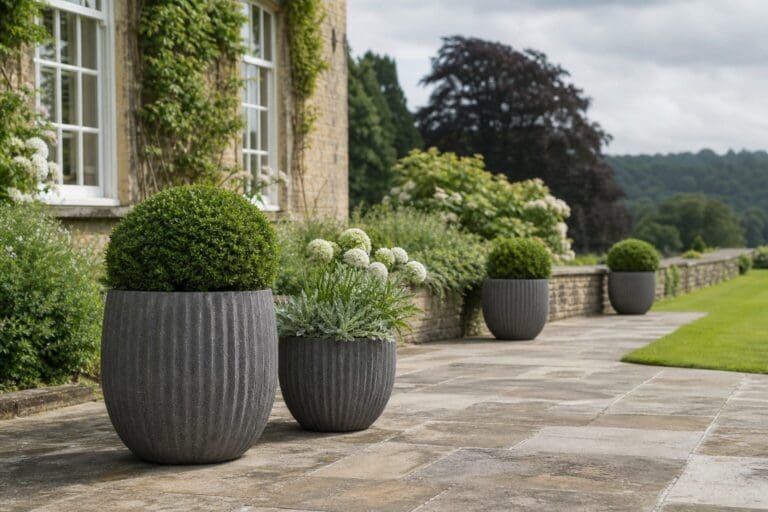
Simple shapes often have the longest life. Cylinders, cubes, troughs and tapered forms work in many settings because they do not compete too much with the planting. Classic finishes, such as stone-like textures, soft neutrals, muted greys and natural tones, are also easy to combine with different schemes.
Think about repetition as well. Using the same planter style in more than one place can create rhythm. For example, matching troughs along a terrace can guide the eye, while identical pots placed beside a doorway can give a smart, symmetrical effect.
Match the Planter to the Architecture
The strongest garden schemes usually connect with the building beside them. A contemporary home may suit clean-lined planters in smooth finishes. A period property may call for softer profiles or classic shapes. A city flat with a small balcony might benefit from slim planters that save space while still feeling elegant.
Look at window frames, paving, wall colours and outdoor furniture before choosing. The planter does not need to match everything exactly, but it should feel like it belongs. A small contrast can be effective, yet too many competing finishes can make a space feel cluttered.
Let the Planting Lead the Mood
The same planter can create very different effects depending on what grows inside it. Architectural plants can make a modern design feel bold and sculptural. Soft grasses can create movement and a more relaxed mood. Seasonal flowers bring colour, while evergreen planting gives year-round structure.
Before buying, consider the mature size of the plant, not just how it looks in the garden centre. A planter that is too small can look out of proportion and may limit healthy growth. A larger, well-scaled container often looks more confident and gives the planting room to settle.
Materials That Balance Style and Durability
Material choice has a major effect on both the look and long-term use of a planter. Premium designer planters are often made from materials that combine style, strength and ease of care. For homes, gardens and commercial outdoor spaces, this balance matters.
Fiberstone, fiberglass, ceramic and composite planters are all popular choices. Each offers a different finish and feel, so the right option depends on the setting, planting and maintenance expectations.
When comparing materials, think about:
- Weight: Large planters need to feel stable, but very heavy designs can be harder to move.
- Weather resistance: Outdoor planters should cope with changing UK conditions.
- Finish: Smooth, textured, glossy or matt surfaces all create different design effects.
- Maintenance: Some materials are easier to clean and care for than others.
- Placement: Indoor and outdoor spaces may have different drainage and surface needs.
Fiberstone and fiberglass are often chosen for their combination of durability and practical handling. Composite materials can offer a refined appearance with good everyday usability. Ceramic planters bring a classic, decorative quality, especially for interiors and sheltered spaces.
Size, Shape and Proportion
Proportion is one of the most important details in planter selection. Even an attractive planter can look awkward if it is the wrong size for the space or the plant.
For a front door, a pair of medium or tall planters may create a strong first impression. On a balcony, slim troughs or compact pots can maximise planting without taking over the floor area. In a large garden, oversized planters can anchor open spaces and stop them feeling empty.
Shape also affects how a space works. Tall planters add vertical interest and can help screen views. Wide planters suit shrubs, grasses and mixed planting. Rectangular troughs are useful for edges, boundaries and terraces. Round planters soften hard corners and work well in relaxed seating areas.
A useful rule is to consider the planter, plant and surroundings together. The pot should support the plant visually, not disappear beneath it or overwhelm it. If in doubt, choose slightly larger rather than too small, especially for shrubs and statement planting.
Indoor and Outdoor Uses
Designer planters are not limited to the garden. They can connect indoor and outdoor living areas, especially when similar styles are used across both spaces. This is helpful in modern homes with sliding doors, garden rooms or open-plan layouts.
Indoors, planters can bring texture and greenery to hallways, living rooms, offices and conservatories. Outdoors, they can define patios, brighten courtyards and add life to commercial entrances. The key is choosing a planter suited to its location.
For indoor use, think about floor protection, drainage and the overall interior style. For outdoor use, consider weather exposure, stability and how easy the planter will be to maintain through the seasons.
A timeless scheme often uses fewer, better pieces rather than many mismatched containers. This approach can make both indoor and outdoor areas feel calmer and more deliberate.
Practical Maintenance for Long-Term Appeal
A premium planter should be attractive, but it also needs to be easy to live with. Maintenance is part of a timeless garden because neglected containers quickly make a space look tired.
Choose materials and finishes that suit the amount of care you are willing to give. Smooth surfaces may be simple to wipe clean. Textured finishes can add depth, but may need a little more attention. Outdoor planters should be checked regularly for drainage and plant health.
Good maintenance habits include:
- Cleaning visible surfaces when dirt, algae or marks begin to build up.
- Checking drainage so roots are not left sitting in excess water.
- Refreshing compost when plants need more nutrients or support.
- Rotating seasonal displays while keeping the main planter style consistent.
- Moving sensitive indoor or sheltered planters only when suitable for the material.
A planter that is easy to maintain is more likely to stay in use for years, making it a better long-term choice.
Common Mistakes to Avoid
Many planter mistakes come from choosing too quickly. A pot may look beautiful on its own but fail to suit the space, plant or level of exposure.
One common issue is buying a planter that is too small. This can make the planting look cramped and may reduce impact. Another is mixing too many colours and finishes in one area. Variety can be charming, but a timeless garden usually needs some visual order.
It is also worth avoiding materials that do not suit the intended use. An indoor decorative pot may not be ideal for an exposed patio. Likewise, a large outdoor planter should be practical enough to position, fill and care for.
Before purchasing, ask yourself whether the planter suits the home, the plant, the weather conditions and your maintenance routine. If it meets all four, it is far more likely to become a lasting feature.
Frequently Asked Questions
What makes designer planters different from standard plant pots?
Designer planters are created with stronger attention to shape, finish, material and overall visual impact. They are intended to support the planting while also enhancing the wider garden, terrace or interior scheme.
Which materials work well for UK outdoor planters?
Fiberstone, fiberglass and composite materials can be practical choices for outdoor areas because they combine durability, style and everyday usability. Always consider exposure, drainage and maintenance before choosing a final design.
Can designer planters be used indoors?
Yes, many designer planters work beautifully indoors, especially in hallways, living rooms, offices and conservatories. For indoor use, pay attention to drainage, floor protection and how the finish complements your interior.
How do I choose the right planter size?
Start with the mature size of the plant and the scale of the surrounding space. A well-proportioned planter should give roots enough room while looking balanced beside furniture, walls, doors or paving.
Are matching planters a good idea?
Matching planters can create rhythm, symmetry and a more polished look, especially around entrances, patios and terraces. They are particularly useful when you want a calm, timeless design rather than a busy mix.
Next step for choosing your designer planters
Whether you are designing a contemporary garden, upgrading a patio or creating an elegant indoor display, the right planter completes the space. Explore the extensive collection of designer planters at GetPotted.com to find durable, stylish designs that suit every home, garden and commercial project.