Older homes in the UK often predate modern building standards, so you may face poor insulation, draughts, single-glazed windows and an ageing boiler. This guide shows practical, cost-effective home energy upgrades that help you create a more comfortable, energy-efficient home while working to reduce energy bills.
Think of retrofit older property work as a series of manageable steps. Start with a survey such as an EPC or a basic energy audit to find the worst heat losses. Prioritise low-cost, high-impact fixes first—loft insulation and draught-proofing—then plan larger measures like wall insulation, double glazing, or a heat pump.
Sensible upgrades bring clear results: more consistent indoor temperatures, fewer cold spots, lower energy bills, reduced condensation and mould risk, and a smaller household carbon footprint. Remember that sealing a home must go hand in hand with adequate ventilation to avoid moisture problems.
Check current UK energy efficiency schemes and funding routes before you begin. Energy Company Obligation (ECO) measures, local authority grants and similar support can help with costs; always verify eligibility on gov.uk or your council website.
Get professional input for work that affects structure or services. Use accredited installers for insulation and renewables, and Gas Safe-registered engineers for boiler work. Building-control guidance can be essential when adding wall insulation or altering ventilation.
As a first step, audit your home now: check loft insulation depth, feel for draughts around doors and windows, and note the age and performance of your boiler. That simple check will help you plan staged, sustainable home improvements that suit your budget and timeline.
Why retrofit older homes for energy efficiency
Retrofitting an older home brings clear, everyday benefits. You notice warmer rooms, fewer cold spots and a more stable indoor temperature once insulation and draught-proofing cut thermal losses. These fabric improvements stop cold bridging and reduce condensations that lead to mould and extra redecorating costs.
Benefits for your comfort and bills
Adding loft insulation or cavity wall insulation gives quick comfort gains and can deliver meaningful savings. Loft insulation typically saves from a few dozen to a few hundred pounds a year depending on current levels and energy prices. Cavity wall insulation often produces significant heating savings where walls allow it.
Upgrading an old boiler to a modern condensing model or fitting a heat pump can lower fuel use and give much bigger reductions in running costs. Use an Energy Saving Trust calculator or similar tool for tailored figures. Lower maintenance follows from drier rooms and less mould, cutting redecorating and remedial costs over time.
Environmental impact and carbon reduction
Reducing the need for space heating through better fabric, airtightness and insulation is one of the most effective ways to reduce carbon emissions at home. Fewer kilowatt hours used for heating immediately help you reduce carbon emissions.
As the UK grid gets greener, cutting demand and adding renewables such as solar panels multiplies the benefit. Small changes to how you use heat, like modestly lowering the thermostat or using heating schedules, combine with technical upgrades to deliver larger falls in emissions.
Potential increase in property value
Buyers look for homes with lower running costs and higher energy performance. Improving energy efficiency can lead to an EPC improvement and make your house more attractive on the market. That can shorten time on market and help increase property value.
Some measures pay back quickly, such as loft insulation and draught-proofing. Others, like solid-wall insulation or heat pumps, take longer but can still boost resale appeal. Keep records of upgrades, installer guarantees and certificates such as an updated EPC or MCS paperwork for renewables to show prospective buyers clear evidence of improvements.
Practical insulation and draught-proofing for an energy-efficient home
Start by thinking about your home’s thermal priorities. Improving the home thermal envelope reduces heat loss, cuts bills and raises comfort. Small, well-chosen interventions can deliver big improvements without major disruption.
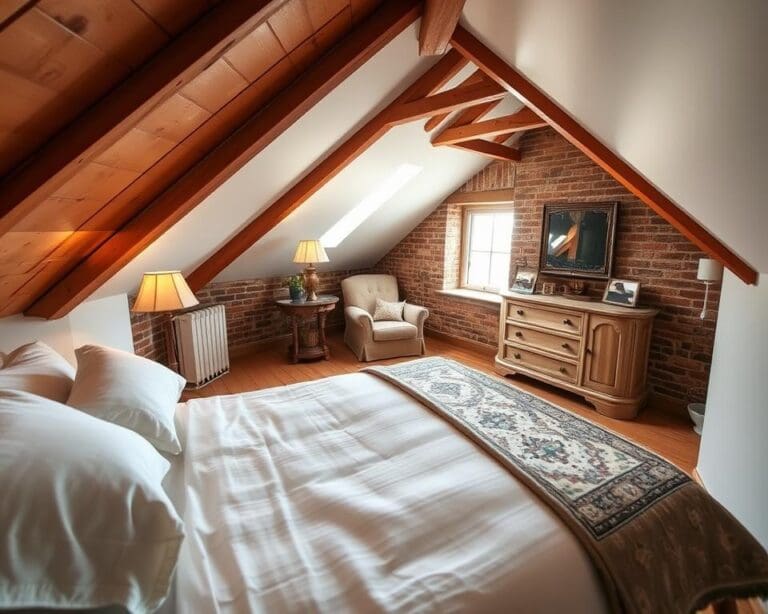
Loft insulation is often the quickest win. Common options for UK homes include mineral wool rolls or slabs, cellulose loose-fill and rigid insulation boards for warm roofs or where the loft is used as a living space. Aim for depths around 270–300mm of mineral wool as a general guideline and check current UK guidance for precise targets.
When you install insulation in the loft, fit it between and over joists and keep eaves ventilation clear. Use loft hatch draught-proofing and consider boarding on insulated boards if you need storage. Typical annual savings depend on your starting point; properties with little or no insulation see the largest reductions.
Loft insulation: options and expected savings
Mineral wool is cost-effective and easy to work with. Cellulose loose-fill uses recycled fibre and fills gaps well. Rigid boards give high performance in thin sections and suit occupied lofts. Each choice affects cost, ease of install and long-term performance.
Wall insulation: solid wall vs cavity wall solutions
Cavity wall insulation suits homes with a continuous cavity. Installers inject materials such as mineral wool, expanded polystyrene beads or polyurethane foam into the gap. This approach is usually quick and cost-effective but check the cavity is sound and free from bridging or damp.
Solid wall insulation comes as internal wall insulation or external wall insulation. Internal work saves on planning and is cheaper but can reduce room size and require redecorating. External work improves thermal continuity, reduces cold bridging and freshens the façade. You may need planning consent for external systems, especially on listed buildings or in conservation areas.
Draught-proofing windows, doors and floorboards
Start with simple draught-proofing: weatherstripping for sash and casement windows, brush or rubber seals for letterboxes and doors, and draught-excluding strips for thresholds. Seal gaps around skirting and floorboards to limit cold air ingress.
If you have period windows, consider secondary glazing to preserve character while improving performance. Where you replace windows, choose products that balance thermal gains with visual fit for your property.
Choosing materials with long-term performance
Pick insulation materials that suit older building fabric. Breathable products and natural fibre insulation can help manage moisture movement in traditional walls. Check manufacturer warranties and use installers accredited through recognised schemes such as TrustMark or BBA for peace of mind.
Think about lifecycle impacts, durability and whether materials settle or degrade. Regular inspections for moisture or pests, and occasional professional assessments, help sustain thermal performance over time.
For practical step-by-step guidance on insulating attics and walls, see this walkthrough on how to insulate your home for, which covers common areas to insulate and material choices.
Efficient heating, hot water and controls
Upgrading your heating can cut bills and make your older property more comfortable. Start by assessing whether to replace boiler units that are over 15 years old. A modern condensing boiler or a low-carbon alternative will give you better efficiency and lower running costs.
Upgrading boilers and considering heat pumps
If you decide to replace boiler equipment, choose a Gas Safe-registered installer for a combi, system or regular condensing boiler that suits your home size. For low-carbon choices, look at heat pumps UK such as air-source or ground-source models. Heat pumps work best when the property is well insulated; they may need larger radiators or underfloor heating to perform at their best.
Hybrid systems that pair an efficient boiler with a heat pump offer flexibility on very cold days. Check current UK schemes like the Boiler Upgrade Scheme to compare lifecycle costs and possible grants before committing.
Smart thermostats and zoning for targeted heating
Smart thermostats bring better control and less wasted energy. Systems from Nest or Honeywell Home let you programme schedules, adjust settings from your phone and learn usage patterns to lower demand. Simple changes, such as reducing the thermostat by 1°C, deliver noticeable savings.
Pair smart controls with heating zoning. Use thermostatic radiator valves and create multiple zones so you heat only the rooms in use. This approach saves fuel, improves comfort and works well with both boilers and heat pumps when installed and configured correctly.
Insulating hot water cylinders and pipework
Heat loss from tanks and pipes wastes energy overnight. Fit cylinder lagging to older hot water cylinders using purpose-made jackets of the correct thickness to cut standby losses. Insulate exposed hot water and heating pipes in lofts, cupboards and underfloor spaces to speed up delivery and reduce waste.
For homes with immersion heaters, add timers and thermostats to avoid unnecessary heating. You can integrate tank controls with solar thermal or other renewables where available. For more on practical measures to keep heat in and reduce bills, see how to keep your home warm and.
Windows, lighting and renewable technologies
Upgrading to energy-efficient windows can make a visible difference to comfort and bills. Consider replacement double glazing UK or triple glazing with low-emissivity coatings and insulated frames in uPVC, aluminium with thermal breaks, or timber. If you live in a period property or a conservation area, secondary glazing is a lower-impact alternative that keeps original frames while improving thermal and acoustic performance.
Correct installation is crucial to avoid cold bridging and unwanted condensation. Ensure installers seal frames properly and consider ventilation needs to manage moisture. Small details such as draught-free seals and correctly sized vents will protect your retrofit investment and improve the performance of any energy-efficient windows you choose.
LED lighting delivers immediate electricity savings and longer lamp life compared with incandescent or halogen bulbs. Fit LED lighting throughout and add dimmers, occupancy sensors and timers where useful to avoid wasted light. You can reduce artificial lighting further by maximising daylight with lighter internal finishes and well-placed rooflights or windows.
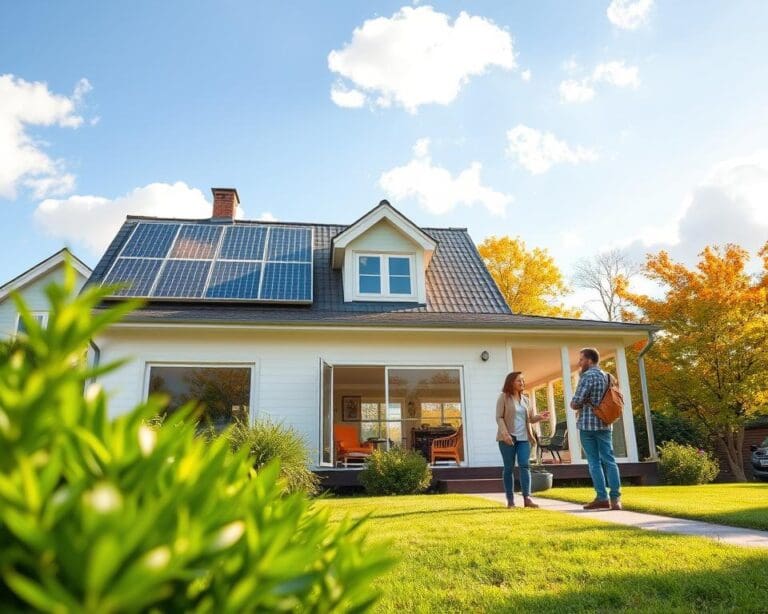
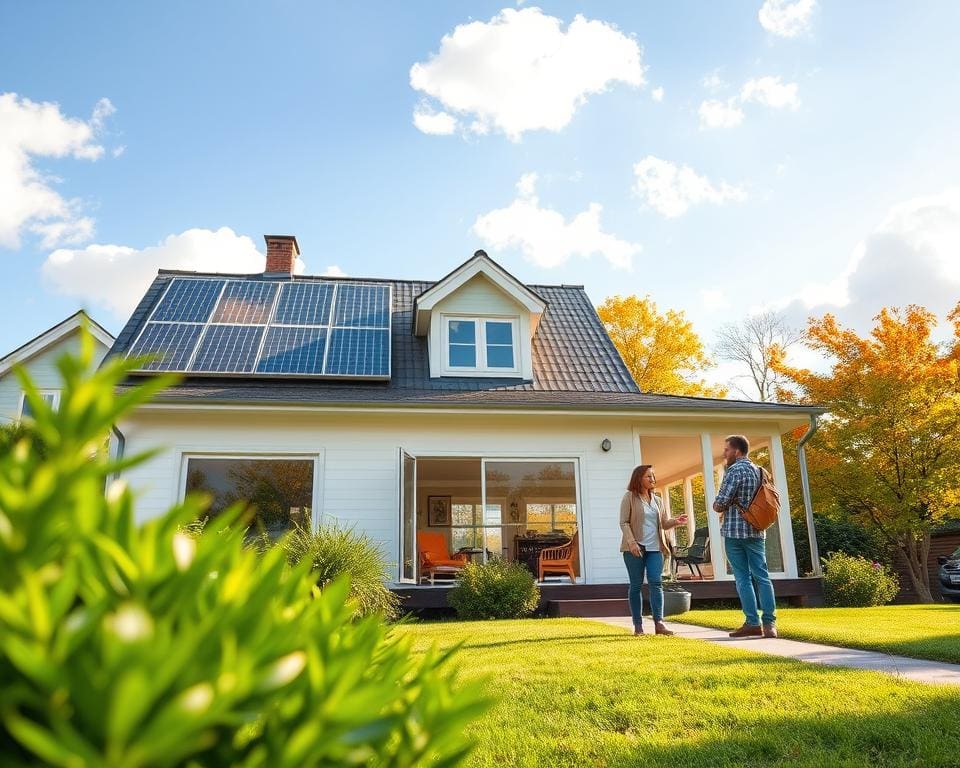
Renewable home technologies extend savings once you have reduced demand. Solar PV on a well-oriented roof is a proven microgeneration option for producing electricity at the point of use; consider system size, shading and the potential for battery storage. Solar thermal panels can pre-heat domestic hot water in summer, cutting cylinder demand. Pairing battery storage and EV charging with solar PV increases self-consumption and lowers carbon.
Use MCS-accredited installers and check warranties, Building Regulations compliance and grid-connection requirements before fitting renewables. Take a whole-house approach: prioritise insulation and efficient heating controls, then add solar PV or solar thermal and storage. Keep receipts, certificates and monitor performance with smart meters or apps to track savings and refine your plan. For further guidance, consult Energy Saving Trust, Citizens Advice, gov.uk and your local council energy advice services.