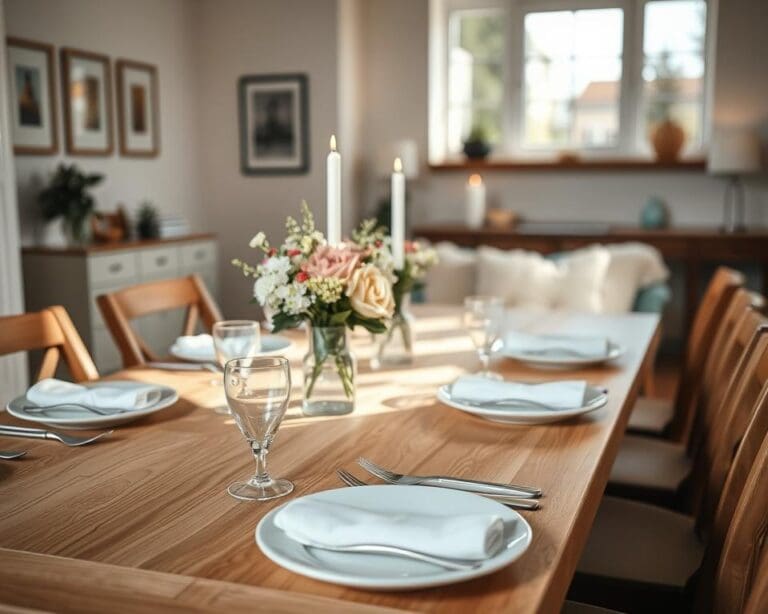
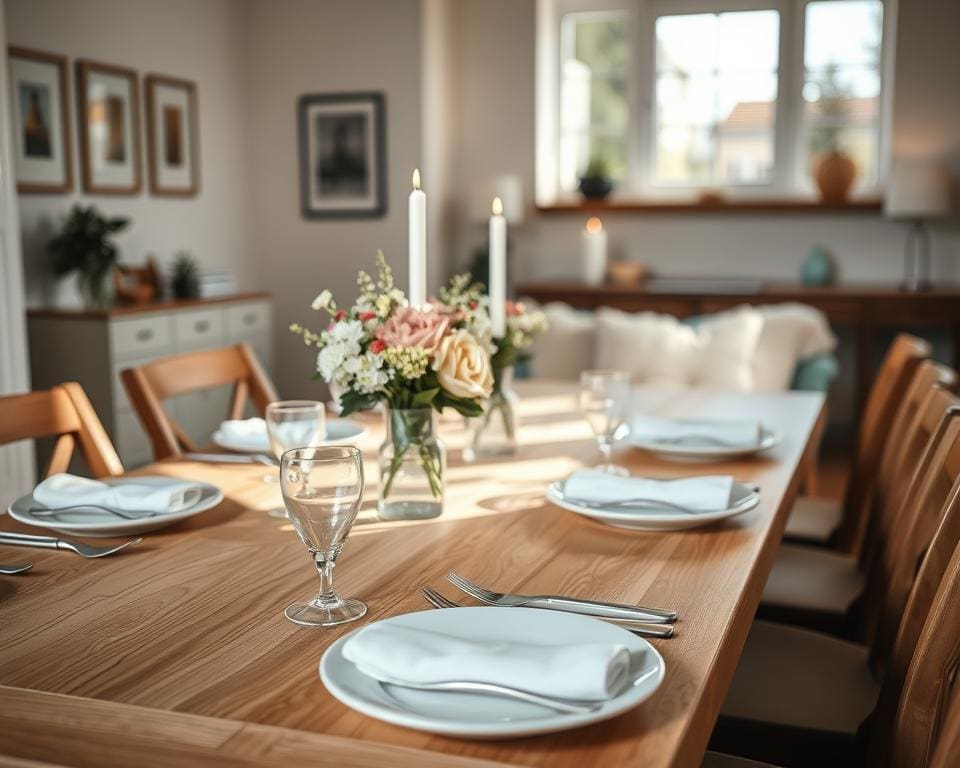
Choosing a dining table sets the tone for your home. This table buying guide will help you weigh size and scale, material and finish, durability, style and seating to find the perfect dining table for everyday life and special occasions.
You’ll read practical advice tailored to UK homes, from compact city flats and open-plan kitchens to period dining rooms. The guide covers how to measure your space, pick a shape, and match dining room furniture to flooring types like hardwood, carpet or tile, plus the effects of central heating on wood.
Think about how you use the table. If you entertain occasionally, prefer a compact table that extends. Families with children will favour durable finishes. If you work from home, consider multi-functional options that balance aesthetics and practicality.
Alongside style tips, the article points you to trusted retailers and makers in the UK such as John Lewis, Habitat, Heal’s and Made.com, as well as independent British craftsmen for bespoke pieces and after-sales support. By the end, you’ll know how to choose dining table options that suit your lifestyle and budget.
Finding the right dining table for your space
Choosing a dining table begins with clear space planning so the piece feels natural in your room. Start by picturing how you use the area day to day and when you entertain. An informed choice on dining table size will save you from overcrowding or awkward gaps.
Measure your room and circulation space
Begin by using a tape measure to note the room’s length and width. Masking tape on the floor helps you visualise potential table footprints before you buy. When you measure dining table space, include clearance around the table so chairs can be pulled out easily.
Aim for at least 90 cm from table edge to walls or large furniture for comfortable movement. If space is tight, plan for 76–90 cm as a minimum. Allow 60–75 cm per person at the table for elbow room.
Remember doors, radiators and sideboards. In narrow rooms a bench can tuck under the table and free up circulation.
Choosing table shape based on room layout
Your room layout should guide the table form. Rectangular tables work best in long rooms and pair well with the longest wall. They give efficient seating for four to eight people.
Round tables suit square rooms and open-plan areas, making conversation easy. A 120 cm round table usually seats four to six. Oval tops combine the sociable feel of round tables with a better fit for rectangular spaces.
Square tables fit compact rooms and bring a formal, balanced look. A 90–120 cm square table typically seats four. For narrow, long spaces choose a slimmer rectangular top around 140–160 cm to keep traffic flowing.
How many people should your table seat regularly?
Decide on regular versus occasional seating first. If you are a family of four, prioritise everyday comfort over occasional guests. Use the rule of thumb of 60–75 cm width per person when working out seating capacity.
Table depths of 90–100 cm allow for dishes down the centre for family-style meals. Bench seating helps you add covers at short notice. Keep a couple of stacking chairs or stools handy for extra guests.
Using extendable tables for flexibility
An extendable dining table gives compact daily use and extra room when you host. Types range from butterfly leaves hidden inside the top to removable leaves stored separately and sliding or fold-out mechanisms.
Check the ease of the mechanism and whether the extension changes leg positions, which affects seating. Measure the extended length and where you will store any loose leaves. Brands such as Habitat, John Lewis & Partners and Heal’s offer robust options for UK homes.
Material, finish and durability considerations
Choosing the right dining table means balancing looks with practical needs. Think about the way you use the room, the people who sit at your table and how much maintenance you are willing to do. The choice of dining table materials affects aesthetics, upkeep and long-term table durability.
Popular materials: solid wood, glass, metal, and engineered products
A solid wood table brings warmth and repairability. Oak and ash are common in the UK for their strength and grain; walnut gives a rich tone but costs more. You can sand and refinish timber to extend its life.
A glass dining table creates a light, contemporary feel and keeps sightlines open in smaller rooms. Choose toughened glass and a sturdy frame to improve stability and reduce the risk of chips or cracks.
A metal table offers an industrial look and resilient performance. Steel or aluminium frames with powder-coated surfaces resist corrosion. Combining a wooden top with a metal base gives you durability with a homely touch.
Engineered wood table options such as plywood, MDF and high-pressure laminates provide stability at lower cost. Veneered plywood can mimic solid timber while resisting warping. HPL tops are hard-wearing and scratch resistant.
Finish options and maintenance for long-lasting use
Table finishes influence appearance and how you care for the surface. Oiled wood soaks into the grain and allows spot repairs; re-oiling every so often keeps the finish healthy. Lacquered or varnished finishes sit on the surface and protect against spills but can chip.
Stains and paint expand your colour choices but may need touch-ups in high-traffic areas. Use placemats, coasters and felt pads to reduce wear. For day-to-day cleaning, use a soft cloth with mild detergent; avoid abrasive cleaners and excess water on timber.
For glass and metal surfaces, choose an ammonia-free glass cleaner and a microfiber cloth to avoid streaks. Metal cleaners prevent tarnish on exposed frames. Wipe spills promptly to keep the finish pristine.
For more detailed care tips and style examples, see this guide from a trusted UK source: elegant dining tables for every home.
How to evaluate durability for everyday family life
Start by checking construction. Look for solid joinery such as mortise-and-tenon or reinforced brackets rather than glued-only assemblies. A robust under-frame and well-fastened legs reduce wobble.
Consider weight and stability. Heavier tops and secure leg fixings stand up better to rowdy family use. Test the table in person to see how it reacts when you lean on it or pull chairs out.
Match material to lifestyle. If you need high scratch and stain resistance, an engineered wood table with HPL or a stone top will outlast delicate finishes. Families with children often favour low-maintenance materials for long-term table durability.
Check warranties and aftercare from retailers such as John Lewis & Partners when available. Look for sustainably sourced timber and low-VOC table finishes if indoor air quality matters to you.
Style, proportions and matching your interior
Choose a dining table by thinking about the room and how you want it to feel. A clear sense of dining table style helps you match table to décor with confidence. Start by noting whether your home leans contemporary, period, cottage or minimalist. That will guide choices in shape, finish and scale.
Matching table style to your décor
If your kitchen is modern, pick a modern dining table with clean lines and light-stained timber or metal. Brands such as Made.com and SCP show how a sleek piece anchors an open-plan flat.
For period rooms, a traditional dining table in oak or mahogany gives weight and formality. Look for turned legs or subtle carving to suit formal settings.
Rustic or farmhouse looks work with planked tops and chunky timbers. Mix benches and mismatched chairs to add character and a relaxed vibe.
A Scandinavian table favours pale woods, tapered legs and simple profiles. That design brightens small spaces and keeps the room feeling airy.
You can mix styles by repeating materials, such as an industrial metal base with a wooden top, so different pieces feel coordinated rather than clashing.
Proportion and visual balance with chairs and room elements
Good table proportions keep the room balanced. Aim for roughly 30 cm between the seat and underside of the tabletop for comfortable legroom.
Standard table height sits between 72–76 cm and chair seat height is usually 45–48 cm. Use these measures when you shop so your chairs tuck neatly beneath the table.
Match a chunky tabletop with solid chairs or a bench to avoid a mismatched look. Slim tabletops pair well with lighter chair silhouettes to preserve a sense of space.
Coordinate table finish with flooring or cabinets. Place a rug at least 60–90 cm larger than the table so chairs remain on the rug when pulled out.
Choosing leg styles and tabletop thickness for aesthetics
Leg style changes the mood. Pedestal bases suit round tables and free up knee space. Trestle bases give a farmhouse feel. Tapered legs feel mid-century and light. Hairpin or metal legs bring an industrial edge.
Top thickness affects how heavy or refined the table appears. Thicker tops of 30–40 mm convey solidity and luxury. Thinner tops of 15–25 mm suit a minimalist approach.
Check leg placement so seating is not restricted. Central trestles increase usable seating compared with corner legs when you want flexible guest arrangements.
Practical factors: chairs, budget and buying tips
When you choose dining chairs, aim for comfort and the right seat height. Standard tables pair well with chairs that have a seat height of 45–48 cm. Sit in a chair before you buy to check depth, back support and how it feels during a long meal. Upholstered seats add comfort but need more care; leather or faux leather wipes clean easily, while stain‑resistant fabrics or removable covers suit family homes.
Mixing chairs and benches is a handy way to save space and add character. Try matching chairs at the ends with mixed styles down the sides, or pair a bench with chairs and repeat a material or colour to keep visual cohesion. These simple matching chairs and table choices make the layout look intentional rather than random.
Set a clear dining table budget before you start shopping. Entry‑level laminate or MDF from high‑street retailers is affordable, mid‑range solid wood or branded pieces cost more, and bespoke or stone tops sit at the premium end. Prioritise spend on solid construction and a reliable base or extendable mechanism. You can buy dining table UK in stages by purchasing the table first and adding chairs later to spread the cost.
Use table buying tips such as trying before you buy, checking delivery access for staircases and doorways, and confirming assembly and protective delivery for heavy tops. Consider second‑hand sources—eBay, Gumtree and Facebook Marketplace often list solid timber pieces that can be restored. Look for FSC certification and clear warranties from retailers like John Lewis or Heal’s, and plan purchases around sales periods or maker lead times to get the best value.