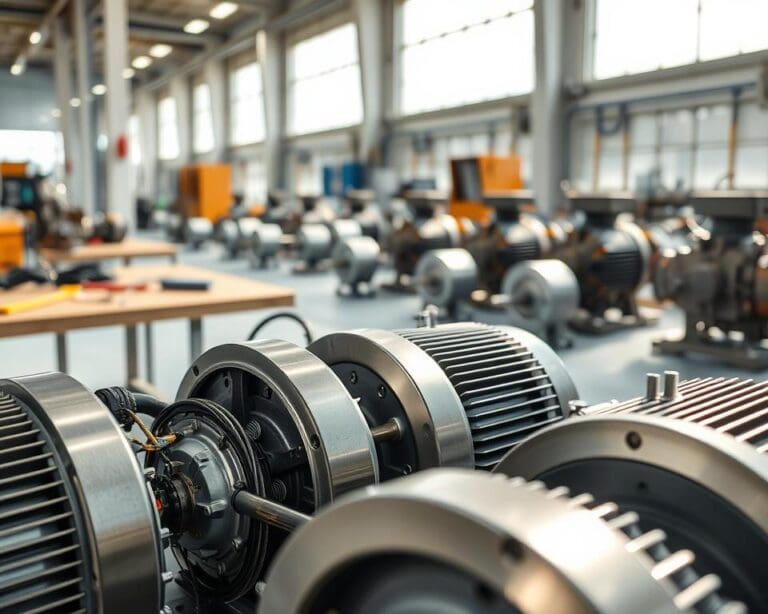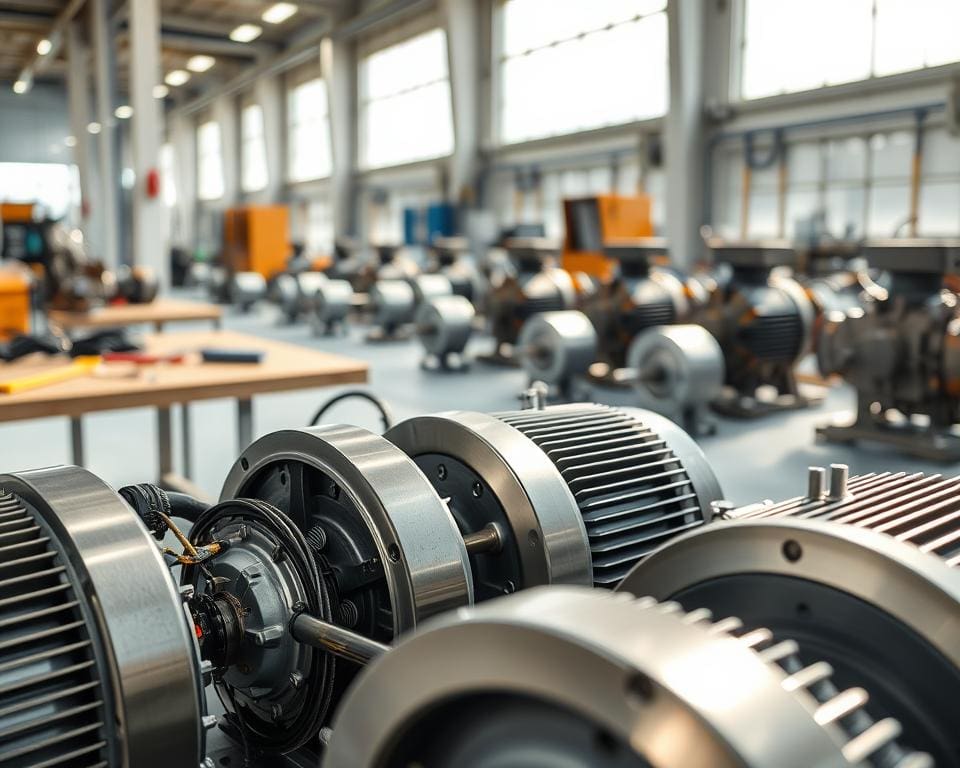
The shift to electric motors is no accident. Advances in battery chemistry, power electronics and motor design have made electric drive systems both practical and attractive for cars, vans and industrial machinery. You now see models from Tesla, Nissan, BMW and Jaguar Land Rover expanding their electric ranges, and suppliers such as Siemens and ABB investing heavily in motor and drive technology.
At its core, an electric motor converts electrical energy into mechanical motion with far fewer moving parts than an internal combustion engine. That simpler powertrain reduces mechanical complexity, cuts the number of transmission components and lowers routine servicing needs. For you, that often means fewer visits to the garage and a different approach to refuelling — charging rather than stopping for petrol or diesel.
Economic and regulatory forces drive the transition to electric as much as technology. Falling battery costs, rising fuel prices and government targets in the UK encourage EV adoption UK and wider electrification across industry. The benefits of electric motors include higher energy efficiency, lower operating costs and a quieter, more responsive user experience.
This article will examine those technical and practical advantages in more detail, look at environmental and regulatory drivers in the UK, and outline what implementation, maintenance and total cost of ownership mean for you moving forward in the transition to electric.
electric motors: advantages in efficiency and performance
Electric drivetrains change how you think about efficiency and performance. You gain a higher proportion of input energy at the wheels, simpler powertrains and quieter operation. These traits lower running expense and broaden use cases from city cars to heavy machinery.
Higher energy efficiency and reduced operating costs
Typical electric drivetrains convert roughly 85–90% of electrical energy to wheel power, while internal combustion drivetrains often manage 20–30% when measured tank-to-wheel. That efficiency gap cuts energy use per kilometre and reduces your operating costs EV, especially on high-mileage routes.
Lower fuel and electricity costs combine with reduced need for engine oils, filters and complex servicing to shrink total cost of ownership. Fleet analyses show break-even points depend on mileage and electricity price. Regenerative braking captures kinetic energy during deceleration and returns it to the battery, improving real-world economy and system efficiency; you can read more about similar efficiency measures in models that focus on low consumption here.
Torque delivery and responsiveness compared with internal combustion engines
Electric motors deliver peak torque from zero rpm, so you get instant acceleration and smooth load handling. That electric torque removes the need to rev for power and lets single-speed reductions or hub motors replace multi-gear transmissions, cutting mechanical losses.
In practice, many electric cars match or beat petrol and diesel models on 0–60 mph times. Commercial EVs and electric haulage units show strong towing and low-speed pulling power, making them viable for demanding work cycles.
Quiet operation and reduced vibration for improved user experience
Quiet electric motors produce far less noise and vibration than internal combustion units. Reduced NVH improves cabin comfort for drivers and passengers, while quieter operation in warehouses and on urban routes eases community disturbance and allows night-time deliveries.
Lower noise exposure benefits worker health and simplifies acoustic design. You notice a calmer interior and fewer vibration-related wear issues on accessories and fittings.
Scalability across vehicle sizes and industrial applications
Electric motor technology scales from small micro-mobility units to traction motors for buses, trucks and trains. Manufacturers such as Bosch, Siemens and Nidec offer modular platforms that let you deploy scalable electric drives across product families.
Integration with inverters, advanced control algorithms and thermal management lets industrial electric motors deliver consistent performance at different power levels. The same principles suit passenger cars, delivery vans, forklifts and heavy equipment, which supports standardisation and economies of scale.
Environmental and regulatory drivers for adoption
You need to weigh environmental benefits against upfront impacts when choosing electric drivetrains. A lifecycle analysis shows that manufacture, especially of batteries and motor magnets, creates embodied emissions. Over a typical vehicle lifetime, though, electric motor emissions tend to be much lower than those from internal combustion engines once the electricity supply is low‑carbon.
Lower lifecycle emissions and the role of decarbonisation
Research from lifecycle analysis firms and universities finds that the gap widens as grid carbon intensity falls. Improvements in battery improvements and cleaner production methods cut the initial carbon cost. You will see marked reductions in tailpipe NOx and particulates, which improves urban air quality and public health.
Government incentives, emissions targets and compliance in the UK
UK policy steers fleets and buyers towards electrification through emissions targets and regulation. The planned ban on new petrol and diesel car sales, Clean Air Zones and revised fleet reporting create compliance pressures. Practical incentives such as EV incentives UK, company car tax changes and workplace charging schemes lower the financial barriers for your organisation or household.
Battery technology improvements and impact on grid decarbonisation
Technical advances in energy density, cycle life and cost—driven by major manufacturers and research into lithium‑ion and next‑generation chemistries—are changing total ownership maths. As battery improvements continue, second‑life applications and recycling reduce resource pressures and lifecycle impacts.
Smart charging, vehicle‑to‑grid systems and decentralised storage can help stabilise supply and support grid decarbonisation. You can use smarter charging to shift demand to periods of low‑carbon generation, making electric vehicles cleaner in real use and improving the business case for further decarbonisation UK policies.
Practical considerations: implementation, maintenance and total cost of ownership
When you plan electric motor implementation, start with a clear assessment of duty cycles, range needs and site capacity. For vehicles, choose battery capacity and motor configuration that match payload and daily mileage. For industrial motor maintenance, specify power ratings, IP protection and thermal management that suit continuous or intermittent operation.
Charging infrastructure UK requirements vary by location. At home and workplace you will often need distribution board upgrades and managed charging to avoid overloads. Depots and industrial sites may need rapid public chargers, on-site energy storage or generation, and load-management systems to balance peaks and reduce upgrade costs.
Your maintenance profile will change. EV maintenance costs are generally lower because motors have fewer wear items and simpler drivetrains, but you must plan for power electronics cooling, battery management and high‑voltage safety training. Use OEM service networks and trained technicians to handle diagnostics and battery replacements reliably.
TCO electric vehicles hinges on purchase price, incentives, energy costs, maintenance, insurance and residual value. High‑mileage fleets often see quicker payback. Consider financing options such as whole‑life leasing or battery leasing to smooth capital expenditure and transfer battery risk. Assess charging infrastructure and industrial motor maintenance needs as part of your TCO calculation.
Adopt safety and compliance early. Follow British Standards and IEC guidance for chargers and electrical installations, and comply with building and planning regulations for depot upgrades. For practical steps, run a pilot with suppliers, calculate TCO using local tariffs, and train staff on high‑voltage procedures.
As motor design, power electronics and battery chemistry improve, the benefits will grow. Look to UK fleet electrification projects in municipal buses, delivery fleets and rail traction for lessons that can help you scale electrification with confidence.