How can better insulation reduce household energy use? In simple terms, it helps keep warmth where you want it: inside during colder months and outside during hotter spells. For many UK households, heating is one of the biggest uses of energy at home, so slowing heat loss can make a noticeable difference to comfort and running costs.
Insulation is not just about thick rolls in the loft. It includes walls, floors, roofs, windows, doors, hot water cylinders and even small gaps around the home. When these areas are improved, your heating system does not need to work as hard or as often.
How can better insulation reduce household energy use?
Better insulation reduces energy use by slowing the movement of heat through the building. Heat naturally moves from warmer areas to cooler ones. In winter, that means heat escapes from your rooms into the colder air outside. The faster it escapes, the more energy your boiler, heat pump or electric heater must use to replace it.
A well-insulated home acts more like a warm coat. It does not create heat by itself, but it helps hold on to the heat you have already paid to produce. Rooms warm up more steadily, stay comfortable for longer and are less affected by cold surfaces or draughts.
This can also help heating controls work more effectively. If your home loses heat slowly, the thermostat is less likely to trigger the heating again and again. In turn, the heating system may run for shorter periods, use less fuel or electricity, and create a more even temperature across the home.
Insulation can also reduce wasted energy in summer. While UK homes are usually designed around winter heating needs, better insulation can help slow heat gain through roofs and walls during hot weather. This may reduce the need for fans or portable cooling appliances.
Where homes lose heat
Every property is different, but many UK homes lose heat through a mix of roofs, walls, floors, windows, doors and uncontrolled air gaps. Older homes may have solid walls, suspended timber floors or single glazing, while newer homes may already include higher levels of insulation.
Understanding where heat escapes makes it easier to see why one measure alone may not solve every problem.
Loft and roof spaces
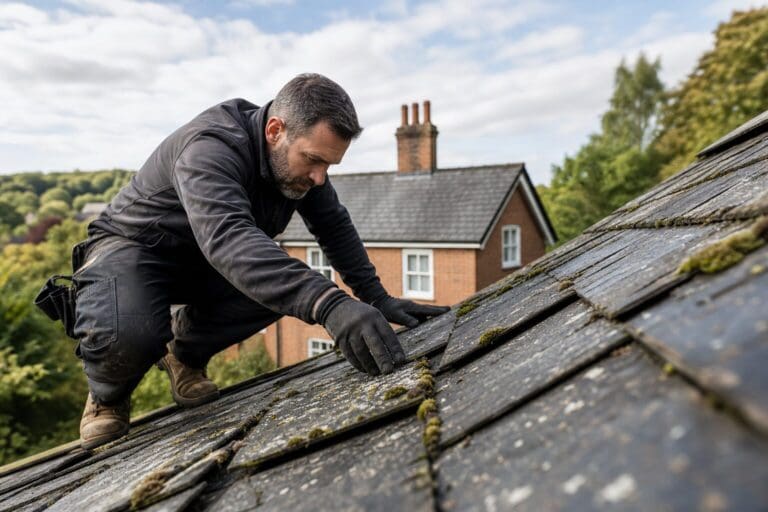
Warm air rises, so the roof area is an important place to consider. If a loft has little or uneven insulation, heat can move upwards into the loft space and then out through the roof.
Loft insulation usually sits between and over the ceiling joists. It works best when it is continuous, dry and not compressed. If storage boards are placed directly on top of insulation, they can reduce its effectiveness unless the floor is raised correctly.
Homes with rooms in the roof may need a different approach. Sloping ceilings, dwarf walls and flat roof sections can all be sources of heat loss. These areas may require more careful detailing than a simple open loft.
Walls, floors and gaps
Walls form a large part of the outside surface of a home, so they can have a major effect on heat loss. Cavity walls may be suitable for cavity wall insulation if the wall condition and exposure are appropriate. Solid walls can sometimes be insulated internally or externally, although these options are more disruptive and need careful design.
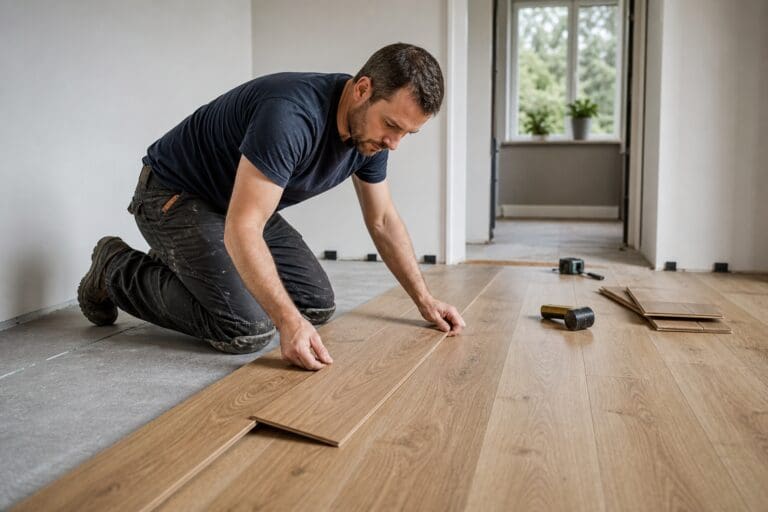
Floors can also feel cold, especially over unheated spaces or where there are gaps between floorboards. Insulating a suspended timber floor may help reduce heat loss and draughts, provided ventilation to the timber structure is maintained.
Small gaps matter too. Draughts around doors, windows, pipework, loft hatches and skirting boards can allow warm air to escape and cold air to enter. Draught-proofing is not the same as insulation, but the two work well together.
Common types of household insulation
Different parts of a home need different insulation materials and methods. The best option depends on the building type, condition, budget, access and whether the work must meet Building Regulations.
Common insulation measures include:
- Loft insulation: Mineral wool, natural fibre or rigid boards used to reduce heat loss through the roof area.
- Cavity wall insulation: Material installed into suitable wall cavities to reduce heat transfer through external walls.
- Solid wall insulation: Insulation fitted to the inside or outside of solid walls, often with a new finish.
- Floor insulation: Insulation placed under suspended floors or above solid floors to improve warmth underfoot.
- Draught-proofing: Seals, strips and covers used around gaps where uncontrolled air leakage occurs.
- Pipe and cylinder insulation: Lagging around hot water pipes and jackets for cylinders to reduce wasted heat.
Each measure has strengths and limitations. For example, topping up loft insulation can be relatively straightforward in an accessible loft, while solid wall insulation is a larger project that affects appearance, room space or external finishes. Good results depend on suitability, installation quality and attention to moisture control.
Why insulation helps heating systems work better
A heating system performs best when the home can retain heat. If heat is escaping quickly, the system must work harder to maintain the set temperature. This can lead to longer running times and colder rooms between heating cycles.
Better insulation can improve the balance between the heat your system produces and the heat your home loses. This is especially important with low-temperature heating systems, including many heat pumps. These systems are designed to provide steady warmth rather than short bursts of very high heat.
Insulation also helps reduce cold surfaces. When walls, ceilings or floors are warmer, a room can feel more comfortable even at the same thermostat setting. People often notice this as less chill near external walls, fewer cold corners and a more stable feeling throughout the day.
Heating controls can then be used more confidently. Thermostats, programmers and radiator valves are more effective in a home that does not lose heat rapidly. However, insulation should work alongside sensible ventilation, not replace it.
Comfort, condensation and indoor air
Energy saving is important, but comfort is often what people notice first. A better insulated home usually feels calmer and more consistent. There are fewer sudden drops in temperature, fewer cold spots and less reliance on turning the heating up for quick relief.
However, insulation must be considered with ventilation. Homes need a controlled supply of fresh air to remove moisture from cooking, washing, drying clothes and breathing. If a home is sealed without enough ventilation, condensation and mould risks can increase.
Good insulation planning looks at the whole home, not just one surface. This means thinking about:
- Moisture movement: Warm, moist air can cause problems if it reaches cold hidden surfaces.
- Ventilation paths: Extractor fans, trickle vents and air bricks may have important roles.
- Thermal bridges: Gaps in insulation can create cold patches where condensation is more likely.
- Existing building fabric: Older homes may need breathable materials and careful detailing.
- Heating habits: Intermittent heating can affect surface temperatures and moisture levels.
When done properly, insulation can support a healthier indoor environment. It can help keep surfaces warmer, reduce draughts and make ventilation easier to manage because the home is not constantly losing heat.
Practical signs your home may need better insulation
You do not always need specialist equipment to notice poor insulation. Everyday signs can suggest that heat is escaping faster than it should.
Look out for:
- Rooms that cool down quickly after the heating switches off.
- Cold ceilings below a loft or roof space.
- External walls that feel noticeably cold to the touch.
- Draughts around windows, doors, floorboards or loft hatches.
- High heating use compared with similar households and habits.
- One room being much colder than the rest of the home.
- A hot water cylinder or pipes that feel warm to the touch when they should be insulated.
- Condensation forming regularly on cold surfaces.
These signs do not prove one single cause. A cold room may be affected by insulation, radiator size, pipework, window condition or exposure to wind. Still, they are useful clues when thinking about where energy may be wasted.
Choosing insulation for a UK home
The right insulation choice depends on the property. A modern cavity wall house, a Victorian terrace, a converted flat and a rural stone cottage may all need different approaches. What works well in one home may be unsuitable in another.
Before any major insulation work, the condition of the building matters. Damp walls, damaged pointing, leaking gutters or poor roof ventilation should be addressed because insulation can make existing moisture problems worse if they are hidden or trapped.
Installation quality is just as important as the material. Even good insulation performs poorly if there are gaps, compression, missing sections or cold bridges. Around junctions, edges, pipes and openings, careful workmanship makes a real difference.
Cost also varies widely. Some smaller measures, such as draught-proofing and pipe insulation, can be modest in scope. Larger measures, such as solid wall or floor insulation, involve more disruption and may be best planned alongside renovation work.
It is also worth considering the order of improvements. In many homes, reducing heat loss first can make later heating upgrades more effective. A heating system chosen for a poorly insulated home may be oversized once insulation is improved.
The limits of insulation
Insulation is powerful, but it is not a cure for every energy problem. A well-insulated home can still waste energy if heating is left on unnecessarily, controls are poorly set or hot water is used inefficiently.
Windows and doors also play a role. Double or secondary glazing can reduce heat loss and draughts, but the best choice depends on the building, budget and any planning restrictions. Heavy curtains and well-fitted blinds may improve comfort, though they are not a replacement for proper building fabric improvements.
Behaviour matters too. Keeping internal doors open or closed, using thermostats sensibly, heating only occupied rooms when appropriate, and ventilating at the right times can all affect household energy use.
Insulation works best as part of a wider picture: a sound building, effective heating, suitable ventilation and sensible controls. Together, these elements help a home use less energy while staying pleasant to live in.
Frequently Asked Questions
Does better insulation always reduce energy bills?
Better insulation can reduce the amount of energy needed for heating, but bills also depend on energy prices, habits, heating controls and household size. If a home becomes more comfortable and people heat more rooms than before, savings may be partly offset by improved comfort.
Can too much insulation cause damp?
Insulation itself is not usually the problem; poor design, trapped moisture or inadequate ventilation can cause damp issues. A home still needs controlled airflow, sound external walls and careful detailing around cold spots, junctions and hidden spaces.
Is loft insulation the best place to start?
Loft insulation is often a practical starting point where the loft is accessible and existing insulation is thin or patchy. However, the best starting point depends on the property, existing insulation, draughts, walls, floors and any damp concerns.
Will insulation make my home warmer in summer?
Insulation can help slow heat entering through roofs and walls during hot weather, which may keep indoor temperatures steadier. Summer comfort also depends on shading, ventilation timing, window use, roof colour and how much heat is generated indoors.
Do renters benefit from better insulation?
Renters can benefit from a warmer, less draughty home, but major insulation work is usually the landlord’s responsibility. Tenants may still notice improvements from permitted draught-proofing, curtains, rugs and sensible heating control, depending on the tenancy agreement.
Final thoughts
Better insulation reduces household energy use by slowing heat loss, improving comfort and helping heating systems work more efficiently. In the UK, where many homes rely on regular heating through colder months, this can make daily life feel warmer and more stable.
The most effective approach is to look at the whole property: roof, walls, floors, windows, doors, draughts, ventilation and moisture. Good insulation is not simply about adding material. It is about choosing suitable measures, installing them well and making sure the home can still breathe in a controlled way.