Owning a home is rewarding, but it also brings a steady list of small responsibilities. The Essential home maintenance tasks you should never ignore are often simple, inexpensive jobs that prevent damp, breakdowns, leaks and safety risks. Left too long, a loose tile, blocked gutter or tired sealant can become a much bigger problem. This friendly guide explains what to check, why it matters, and how to keep your home in better condition throughout the year.
Why essential home maintenance tasks you should never ignore matter
Good home maintenance is not about perfection. It is about noticing small changes before they turn into costly disruption. A house is exposed to weather, moisture, movement and daily wear. Over time, materials expand, shrink, crack, loosen or decay.
In the UK, damp weather makes regular checks especially important. Rainwater can find its way through damaged roofs, overflowing gutters, cracked render and gaps around windows. Once moisture gets inside, it can affect plaster, timber, insulation and decoration.
Maintenance also supports safety. Smoke alarms, carbon monoxide alarms, boilers, electrics and external paths all need attention. A well-maintained home is usually more comfortable, easier to heat and less stressful to live in.
A sensible routine helps you spread tasks across the year rather than reacting to emergencies. It also helps you spot when a job is beyond DIY and needs a qualified professional.
Roof, gutters and drainage
Your roof and drainage system form the first line of defence against rain. Because many problems begin out of sight, it is worth checking these areas regularly from ground level and after storms.
Check the roof from the ground
You do not need to climb onto the roof to notice warning signs. Stand back and look for slipped tiles, damaged flashing, sagging sections, moss build-up or debris collecting in valleys. Inside the loft, look for daylight showing through, damp patches, staining or a musty smell.
Small roof defects can allow water to travel some distance before it appears indoors. A stain on a bedroom ceiling may not be directly below the leak. If you see signs of water entry, it is usually best to arrange a proper inspection rather than guess.
Keep gutters and downpipes clear
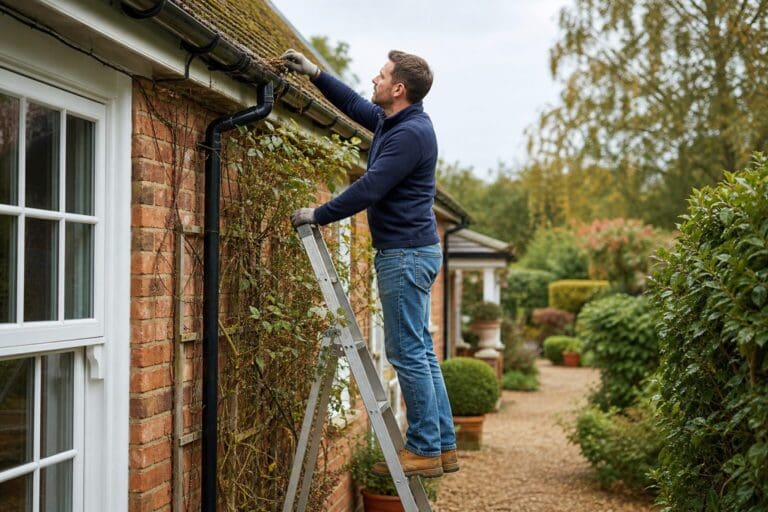
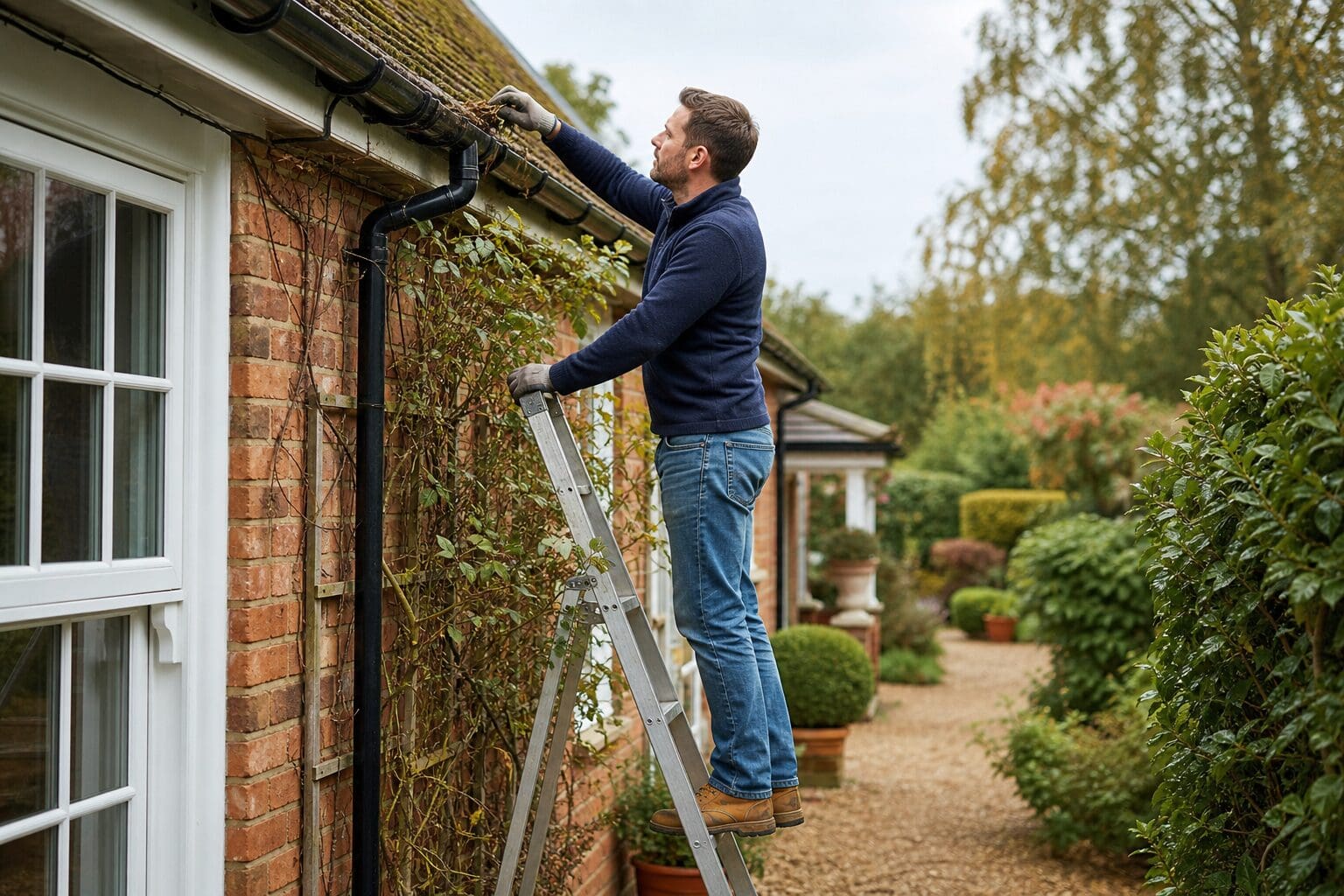
Blocked gutters are a common cause of damp walls and overflowing rainwater. Leaves, moss and silt can stop water draining properly. When gutters overflow, water may run down brickwork, pool around foundations or soak into fascia boards.
Useful checks include:
- Looking for water spilling over the gutter edge during heavy rain.
- Checking that downpipes are not cracked, loose or blocked at the base.
- Clearing leaves from gullies and drains near patios, drives and garden paths.
- Noticing green staining, peeling paint or damp marks beneath gutters.
If your home is surrounded by trees, gutters may need attention more often. Always use safe access equipment, and avoid leaning from windows or using unstable ladders.
Heating, ventilation and moisture control
Warmth and airflow are central to a healthy home. Heating systems, ventilation and moisture control all work together. When one is neglected, condensation, mould and poor comfort often follow.
Service heating systems
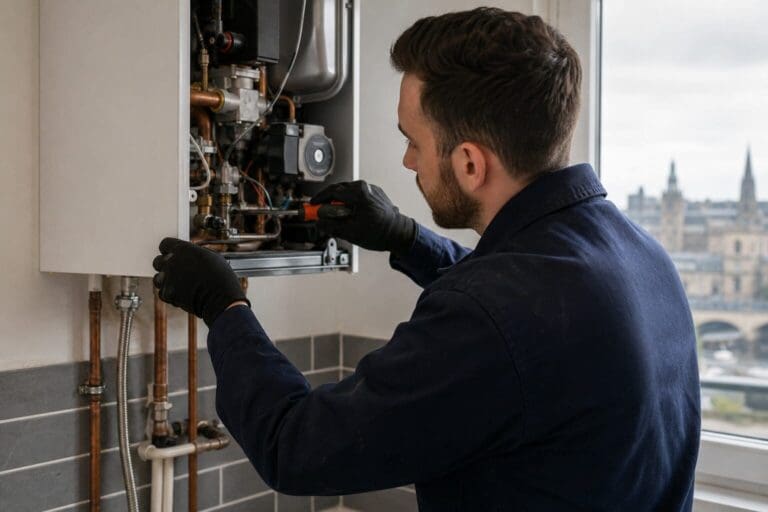
Boilers, radiators and heating controls should not be ignored until they fail. A boiler that is serviced regularly is more likely to run safely and efficiently. Gas boilers should be checked by a Gas Safe registered engineer.
Between services, pay attention to unusual noises, pressure drops, cold spots on radiators or a heating system that takes longer than normal to warm up. These signs do not always mean something serious, but they deserve attention.
Bleeding radiators can help if air is trapped inside. However, repeated pressure loss, leaks or boiler error codes should be assessed by a professional.
Manage condensation and mould
Condensation is common in UK homes, especially during colder months. It forms when warm, moist air meets cold surfaces. Bathrooms, kitchens, bedrooms and poorly ventilated rooms are often affected.
Simple habits can reduce moisture:
- Use extractor fans during and after cooking or showering.
- Keep trickle vents open where fitted.
- Dry clothes outside where possible, or in a well-ventilated room.
- Wipe window condensation before it soaks into frames or sills.
- Keep furniture slightly away from cold external walls to allow airflow.
Mould should be treated promptly, but cleaning alone may not solve the cause. Persistent mould can point to poor ventilation, leaks, insulation gaps or cold bridging.
Plumbing, electrics and safety checks
Some of the most important home maintenance tasks involve services you cannot always see. Water and electricity need respect. Small warning signs should not be dismissed.
Inspect visible pipework under sinks, around toilets, near boilers and beside appliances. Look for drips, corrosion, staining, swelling timber or a damp smell inside cupboards. Flexible hoses on washing machines and dishwashers should be checked for bulges, cracks or loose connections.
Know where your stopcock is and make sure it can be turned. In an emergency, quickly shutting off the water can limit damage. If it is stiff or inaccessible, that is worth sorting before there is a leak.
Electrical warning signs include flickering lights, warm sockets, buzzing sounds, scorch marks, frequent tripping or damaged cables. These issues should be checked by a qualified electrician. Avoid overloading extension leads and replace damaged plugs or leads rather than making temporary fixes.
Safety checks should include:
- Testing smoke alarms and carbon monoxide alarms.
- Replacing alarm batteries where needed.
- Keeping the area around the consumer unit accessible.
- Checking that outdoor lights, sockets and cables are weatherproof and undamaged.
- Making sure stairs, handrails and loose flooring do not create trip hazards.
Exterior walls, windows and doors
The outside of your home takes constant punishment from rain, frost, wind and sunlight. Small gaps in the building fabric can let in water and cold air.
Look at brickwork, render and pointing for cracks, loose patches or crumbling mortar. Hairline cracks are often harmless, but wider cracks, movement around openings or bulging walls should be assessed. Damaged render can trap moisture behind it, while missing pointing can allow rain into the wall.
Windows and doors also need routine care. Check sealant, putty, frames, hinges and locks. Timber frames may need painting or staining to protect them from rot. uPVC frames still need cleaning, drainage holes kept clear and seals checked.
Draughts around doors and windows can make rooms uncomfortable and increase heat loss. Simple draught-proofing can help, but it should not block essential ventilation. If double glazing has misted between panes, the sealed unit may have failed.
Do not forget external steps, paths and decking. Moss, algae, loose slabs and rotten boards can become slippery or unstable, particularly in wet weather.
Seasonal home maintenance checklist
A seasonal approach makes maintenance easier to manage. Rather than trying to remember everything at once, link tasks to the time of year.
In spring, inspect any winter damage. Check gutters, fences, roof tiles, exterior paintwork and garden drainage. It is also a good time to clean windows, clear air bricks and look for signs of pests.
In summer, focus on outdoor repairs and ventilation. Paint timber, repair paving, service garden tools and check loft ventilation. Dry weather can be useful for repairing masonry, fencing and exterior sealant.
In autumn, prepare for rain, wind and colder nights. Clear gutters, test heating, check outdoor lighting and make sure paths are safe. Remove leaves from drains before they become compacted.
In winter, look after warmth and safety. Watch for condensation, insulate exposed pipes where appropriate, test alarms and keep entrances clear of ice or debris. After storms, check for new leaks, fallen branches and damaged roof edges.
A simple calendar note can help you remember recurring jobs without feeling overwhelmed.
When to handle it yourself and when to get help
Many home maintenance tasks are suitable for careful DIY. Cleaning gutters at low level, replacing sealant, tightening a loose handle, testing alarms and clearing drains are often manageable with the right tools and safe working.
However, some jobs need professional knowledge. Roofing, gas work, major plumbing, structural cracks, extensive damp, asbestos concerns and electrical faults should not be tackled casually. A poor repair can create more risk than the original issue.
Cost can make people delay repairs, but waiting may allow damage to spread. Water leaks, electrical faults and roof defects are examples where early action usually reduces stress and disruption.
Keep records of servicing, repairs and guarantees. They are useful for your own planning and may be helpful if you sell the property later.
Frequently Asked Questions
How often should I check my home for maintenance issues?
A quick monthly look around is sensible, with more detailed seasonal checks. Pay extra attention after heavy rain, strong winds or freezing weather, as damage may appear suddenly.
What is the most commonly ignored home maintenance task?
Gutter cleaning is often overlooked because gutters are high up and easy to forget. Unfortunately, blocked gutters can contribute to damp walls, leaks and damaged exterior timber.
Can I do home maintenance myself?
Many small tasks are suitable for DIY if you can work safely and confidently. Anything involving gas, serious electrics, roof access or structural concerns should be handled by a competent professional.
How can I reduce damp in my home?
Improve ventilation, heat rooms consistently, repair leaks quickly and avoid drying clothes in closed, unventilated spaces. Persistent damp may need investigation to identify the underlying building issue.
Are annual boiler services really necessary?
An annual boiler service is strongly advisable for safety, reliability and performance. It can also identify developing faults before they lead to a breakdown during colder weather.