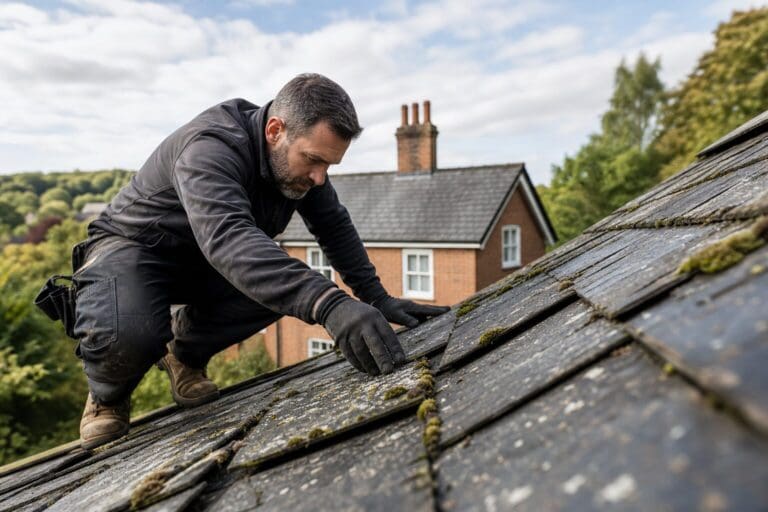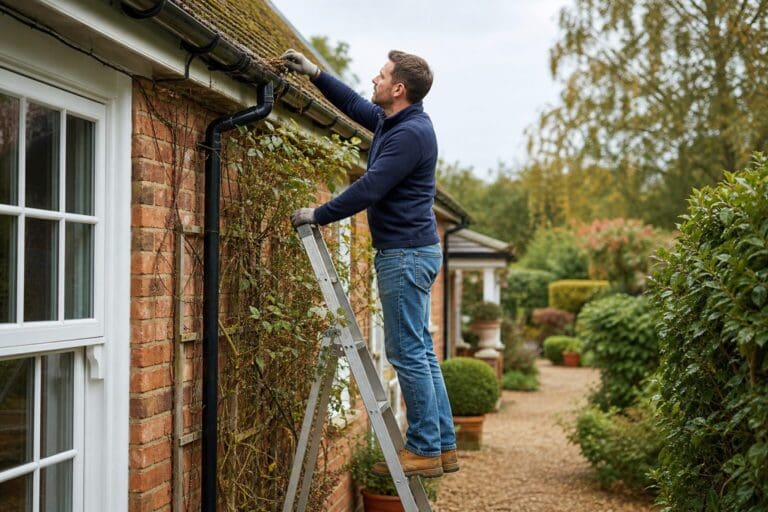
Why is roof maintenance important for your home? In simple terms, your roof protects everything beneath it: the structure, insulation, wiring, decoration, belongings and the people living there. In the UK, roofs deal with rain, frost, wind, moss, falling leaves and changing temperatures throughout the year. Even a small defect can let water in, and once moisture enters a building, damage can spread quietly. Regular roof maintenance helps keep your home dry, efficient, safe and more comfortable.
Why is roof maintenance important for your home? The practical reasons
A roof is not just a layer of tiles or slates. It is a complete weatherproofing system made up of coverings, battens, underlay, flashing, gutters, ridges, valleys, chimneys, roof windows and ventilation. Each part has a job to do, and a weakness in one area can affect the rest.
For many homeowners, roof problems only become obvious when a ceiling stain appears or a leak starts during heavy rain. By that point, water may already have reached timber, plasterboard, insulation or electrics. Maintenance is important because it focuses on prevention rather than reaction.
A well-maintained roof helps to:
- Keep rainwater out of the loft and living areas.
- Reduce the risk of rot in roof timbers.
- Support good insulation performance.
- Protect ceilings, walls and internal decoration.
- Limit avoidable repair costs caused by neglect.
- Preserve the overall condition and value of the property.
In a climate as changeable as the UK’s, a roof needs more than occasional attention after a storm. Small seasonal checks can make a noticeable difference to how well it performs over time.
How poor roof maintenance can affect your home
Neglected roof issues rarely stay small forever. A slipped tile, cracked flashing or blocked gutter may look minor from the ground, but these faults can allow water to move into areas where it should not be. Once water finds a route, it often follows timber, pipework or ceiling voids before showing visible signs indoors.
Damp is one of the most common consequences. It can appear as dark patches, peeling paint, bubbling plaster or a musty smell. In loft spaces, damp insulation may lose effectiveness, making rooms feel colder and potentially increasing heating demand. Wet timber can also become vulnerable to decay if the problem continues.
Blocked gutters are another common cause of trouble. When rainwater cannot flow away properly, it can spill over the edge, soak walls, damage fascias or pool near the base of the property. Over time, this may contribute to staining, damp patches or deterioration of external finishes.
Poor maintenance can also affect safety. Loose ridge tiles, damaged slates or unstable chimney elements can become hazards in high winds. A roof does not need to be visibly collapsing to present a risk; one weakened component can be enough to cause concern.
Common roof maintenance tasks homeowners should understand
Roof maintenance does not always mean major building work. Much of it involves keeping the roof system clear, intact and able to drain water correctly. Some tasks are simple to observe from the ground, while others need a competent professional because working at height is dangerous.
Typical roof maintenance includes:
- Checking for missing, cracked, slipped or broken tiles and slates.
- Looking for damaged leadwork, flashing or sealant around chimneys and roof windows.
- Keeping gutters, hoppers and downpipes free from leaves, moss and debris.
- Noting sagging rooflines, uneven ridges or visible dips.
- Watching for damp smells, daylight gaps or staining inside the loft.
- Inspecting fascia boards, soffits and bargeboards for signs of damage.
- Monitoring flat roof surfaces for splits, blisters, ponding water or worn edges.
These tasks help identify early warning signs. The aim is not to diagnose every technical issue from ground level, but to notice changes before they become more disruptive.
Key parts of the roof that need regular attention
Every roof is different, but several areas are particularly important because they are exposed to heavy weather or complex junctions. These sections deserve careful observation during routine maintenance.
Tiles, slates and roof coverings
Tiles and slates are the most visible part of many UK roofs. Their purpose is to shed water down the roof slope and into the guttering. If one tile slips or cracks, the underlay may provide short-term protection, but it is not designed to be the main defence for long periods.
Storms, frost, age, foot traffic and falling branches can all damage roof coverings. Moss can also grow on shaded roof slopes. While moss is common, heavy build-up may hold moisture and can break away into gutters, causing blockages.
Different materials age in different ways. Clay tiles, concrete tiles, natural slates and artificial slates each have their own characteristics. What matters most for homeowners is whether the covering is still secure, correctly positioned and allowing water to run off freely.
Gutters, valleys and drainage
Drainage is a vital part of roof maintenance because rainwater needs a clear route away from the building. Gutters catch water from the roof edge, while valleys carry water from internal roof angles. These areas can collect leaves, moss, grit and silt.
When drainage is blocked, water can back up or overflow. This may lead to damp external walls, staining, rotten timber at the roof edge or water entering behind fascias. During heavy rain, a blocked gutter can become obvious, but in lighter showers it may go unnoticed.
Valleys are especially important because they carry concentrated water flow. A cracked valley lining, loose mortar or accumulated debris can create a vulnerable point. Keeping drainage routes clear supports the whole roof system.
Chimneys, flashing and roof penetrations
Any place where the roof is interrupted needs careful weatherproofing. Chimneys, vents, soil pipes, aerial fixings and roof windows all create junctions where water must be directed away. Flashing, often made from lead or suitable alternatives, is used to seal these junctions.
Over time, flashing can lift, crack, corrode, become poorly seated or separate from surrounding materials. Mortar around chimneys can also weather, leaving gaps. Because these defects are often high up and difficult to see, leaks around chimneys may only become obvious during wind-driven rain.
Roof penetrations are common leak points, not because they are badly designed, but because they rely on precise detailing. Maintenance helps ensure these details remain sound.
Loft ventilation and insulation
Roof maintenance is not only about the outside. The loft space can reveal signs that the roof is not performing properly. Damp timbers, condensation, mould, wet insulation or strong musty odours may suggest ventilation or water ingress issues.
Good ventilation helps moisture escape from the roof space. Without it, everyday household moisture can rise into the loft and condense on cold surfaces. This is different from a rain leak, but the results can still be damaging.
Insulation also matters. If it becomes wet, compressed or displaced, it may not work effectively. A dry, well-ventilated loft contributes to a more comfortable and efficient home.
Seasonal roof maintenance in the UK
The UK climate makes seasonal maintenance especially useful. Roofs face different pressures at different times of year, from autumn leaves to winter frost and spring showers.
In autumn, gutters and downpipes often need attention because falling leaves can create blockages. Moss, twigs and seed pods may also collect in valleys and outlets. If these are left in place, winter rain can expose weaknesses quickly.
Winter brings frost, wind and heavy rain. Existing cracks can worsen as water freezes and expands. High winds may loosen ridge tiles, slates or flashing. After severe weather, visible changes such as debris on the ground, missing tiles or new damp patches should not be ignored.
Spring is a good time to notice the effects of winter. Roof coverings, gutters and external timber may show signs of wear. Summer’s drier weather can make it easier for maintenance work to be carried out, although roofs still need care during intense sun or sudden storms.
A seasonal approach keeps maintenance manageable. It also helps homeowners build familiarity with what is normal for their property, making changes easier to spot.
Roof maintenance and home value
A sound roof supports the long-term value of a home. Buyers, surveyors and insurers often pay close attention to roof condition because roof defects can be expensive and disruptive. A property with obvious roof neglect may raise concerns about hidden damp, structural decay or poor upkeep elsewhere.
Maintenance records, receipts and survey notes can help show that a roof has been looked after. This does not guarantee a higher selling price, but it can support confidence in the property’s condition. A roof that appears clean, secure and well-drained also contributes to kerb appeal.
Home value is not only about selling. For owner-occupiers, maintaining the roof protects the money already invested in the property. Internal decoration, fitted furniture, flooring and electrical systems can all suffer if water enters the building. Roof maintenance therefore protects both the building fabric and the comfort of daily life.
Signs your roof may need attention
Some roof problems are visible from outside, while others appear indoors. Homeowners do not need to climb onto a roof to notice many early indicators. Observing from ground level, upstairs windows or inside the loft can reveal useful clues.
Common signs include:
- Water stains on ceilings or high walls.
- Damp patches around chimney breasts.
- Missing, cracked or slipped tiles.
- Pieces of mortar, slate or tile found on the ground.
- Overflowing gutters during rainfall.
- Sagging or uneven sections of roofline.
- Moss or debris blocking gutters and valleys.
- Daylight visible through the roof from inside the loft.
- Musty smells or damp insulation in the roof space.
- Peeling paint or rot around fascias and soffits.
These signs do not always mean there is a major defect, but they are worth taking seriously. Roof issues are usually easier to deal with when they are identified early.
Safety considerations for roof maintenance
Roof work carries real risks. Ladders, fragile surfaces, wet tiles and awkward roof angles can make even a quick inspection dangerous. Many roof surfaces are not designed to be walked on without the right access equipment and experience.
For that reason, routine homeowner checks are best limited to safe observations from the ground, windows or loft space. Binoculars can help with external checks. Any close inspection, repair or cleaning at height is generally a job for someone with appropriate training, equipment and insurance.
Safety also applies to the roof itself. Using the wrong method to remove moss, stepping on fragile materials or pressure washing unsuitable surfaces can cause damage. Maintenance should protect the roof, not shorten its life.
Frequently Asked Questions
How often should a roof be checked?
A roof is commonly checked at least once or twice a year, especially after winter and autumn. Extra checks may be useful after strong winds, heavy rain or visible storm damage.
Can blocked gutters really damage a roof?
Yes, blocked gutters can cause rainwater to overflow, soak roof edges and damage nearby walls or timber. Over time, poor drainage can contribute to damp, staining and deterioration.
Is moss on a roof always a problem?
Moss is common on many UK roofs and is not always urgent. However, heavy moss can hold moisture, loosen as debris and block gutters or valleys.
What are the first signs of a leaking roof?
Early signs can include ceiling stains, damp smells, wet loft insulation or darker patches around chimneys. Sometimes the source is not directly above the visible mark.
Does roof maintenance help with energy efficiency?
Roof maintenance can support energy efficiency by keeping insulation dry and ventilation working properly. A damp or poorly ventilated loft may reduce comfort and affect heat retention.
Final thoughts
Roof maintenance is important because the roof protects the whole home from weather, damp and gradual deterioration. In the UK, regular attention to tiles, slates, gutters, flashing, chimneys, drainage and loft conditions can prevent small defects from becoming serious problems.
A well-maintained roof helps preserve comfort, safety, energy performance and property value. It also gives homeowners greater confidence during heavy rain, wind and cold weather. By understanding the main signs of wear and the parts of the roof that need attention, it becomes easier to keep the home protected throughout the year.