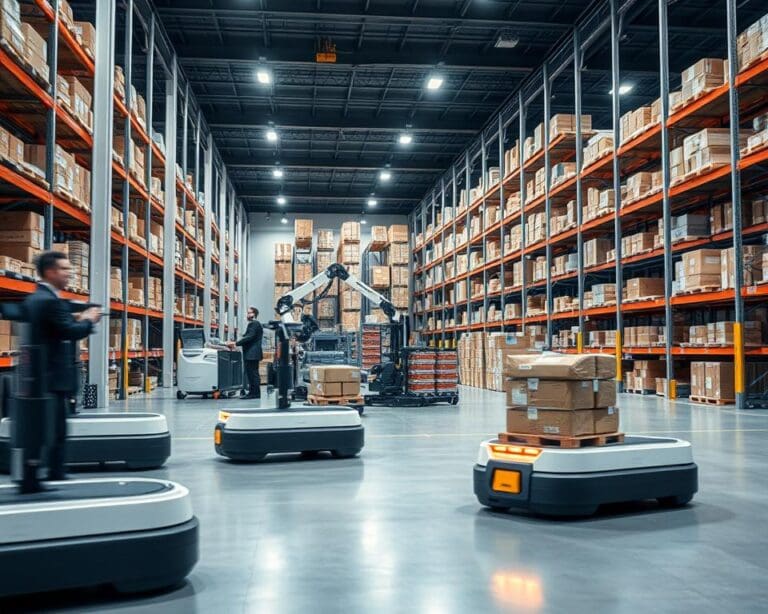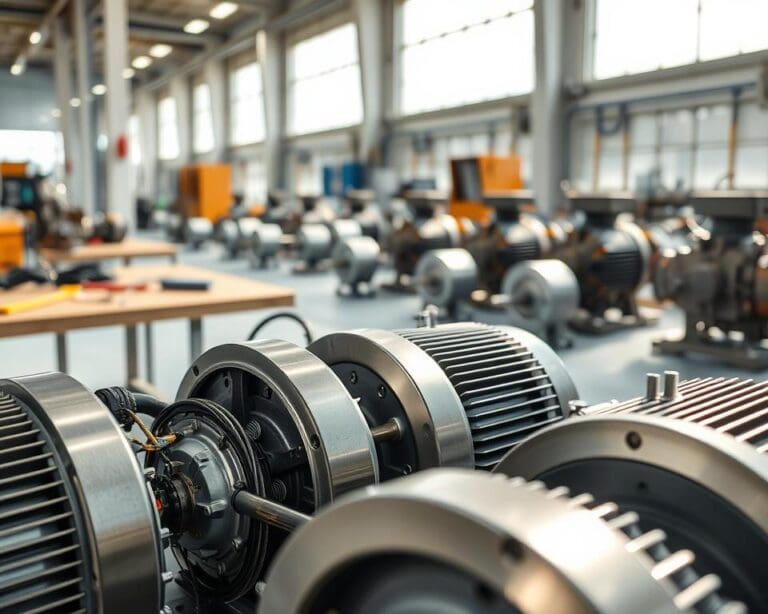
Industrial sites now produce a constant flow of data. Temperature sensors, cameras, vibration monitors, robots and production-line controls all add to this stream. For you, managing a factory, energy network, warehouse or utility service, turning that data into fast action is becoming essential.
Edge computing processes information close to where it is created. Data can be analysed on machinery, sensors, programmable logic controllers, industrial PCs or on-site gateways. This approach avoids sending every data point to a distant cloud platform before a system can respond.
This matters because central processing can create delay and increase network traffic. A connected factory may need an instant response to a safety risk, equipment fault or change in production demand. With edge computing benefits, time-sensitive data can be handled locally, while less urgent or combined data is sent to the cloud.
Industrial edge computing does not replace cloud computing. Instead, both systems usually work together. Local technology supports immediate analysis and control, while cloud platforms provide long-term storage, advanced analytics, central oversight and machine-learning development.
This combination is helping shape smart manufacturing and wider Industry 4.0 programmes. It supports industrial digital transformation by helping you make faster decisions, automate tasks with greater precision, improve asset performance and maintain operations when connectivity is limited. It also gives modern industrial systems a practical way to expand across several sites.
Success depends on more than installing edge hardware. You need suitable data architecture, secure device management and strong links between information technology and operational technology. Clear rules must also define which real-time industrial data stays on site and which information moves to central systems.
This article examines the operational impact first, followed by the commercial value of edge-enabled systems. It then considers cybersecurity and resilience before exploring deployment challenges and the future role of artificial intelligence, 5G and digital twins.
How edge computing is transforming industrial operations
Edge computing brings data analysis closer to the machines that create it. In your industrial operations, an edge device can read, assess and respond to machine data without sending every signal to a remote cloud service.
This shorter path supports smart factory technology across production lines. Industrial gateways can connect industrial sensors, programmable logic controllers, cameras, SCADA and MES platforms. You gain a clearer view of production while keeping control decisions close to the equipment.
Real-time data processing for faster decisions
Real-time data processing helps you respond to events within moments. An edge device can detect abnormal vibration, spot a production defect or identify a change in process temperature. It can send an alert, adjust a setting or stop equipment when a safety limit is reached.
High-frequency readings do not all need to travel to a cloud platform. Local systems can filter raw data, score unusual events and store short-term records. They can transmit key alerts, summaries and exceptions to central systems for wider analysis.
This approach keeps vital tasks running during a temporary network or cloud outage. You can still monitor plant conditions and support safe production when a wide-area connection becomes unreliable. For practical guidance on machine monitoring, see how factories monitor machines.
Smarter industrial automation and control
Industrial automation becomes more responsive when local computing works beside existing control systems. Edge devices can compare signals from sensors, PLCs, cameras and manufacturing software. This shared view helps you identify process changes before they affect output.
Wired networks such as Profinet, EtherNet/IP and Modbus can support reliable control. Wireless connections, including Wi-Fi, LoRaWAN and 5G, can simplify deployment in remote or changing areas. You can use read-only data taps to protect established control paths while sending duplicate telemetry to an industrial analytics network.
Real-time processing does not require every decision to run without human input. Dashboards can show live production measures, asset health scores and prioritised alerts. Operators can investigate the cause and act before a small fault becomes a major interruption.
Predictive maintenance and reduced downtime
Industrial sensors can track vibration, temperature, pressure and power use over time. Edge devices process these readings near the asset and identify patterns linked to wear. This creates a strong base for predictive maintenance.
You can use thresholds, anomaly detection and remaining useful life estimates to plan service work. Industrial gateways can pass selected data to cloud platforms for deeper model training. Maintenance teams gain time to schedule repairs, order parts and avoid unplanned stoppages.
Local scoring supports quick alerts, while longer-term records reveal trends across machines and sites. This balance helps your industrial operations protect output, improve equipment life and make better use of maintenance resources.
The business benefits of edge computing in manufacturing
Edge computing gives you faster insight into plant activity. By analysing data near the machinery, you can reduce the time between an operational event and a corrective or optimising action. This supports better manufacturing efficiency and stronger industrial productivity.
Improved efficiency and productivity
Local analysis can reveal bottlenecks, slow cycle times, rejected products and unplanned stops. It can show when equipment is underused, giving production teams timely evidence when they improve a process.
You can combine machine data with quality results, production schedules and environmental readings. This wider view may reveal links that separate systems miss. A change in temperature, for example, may match a rise in defects or slower output.
Faster quality checks can stop defective products from moving through the line. Early action may reduce material waste, rework and customer returns. It can support stable performance across several lines, since local applications can apply standard operating rules while central teams review results.
Better asset utilisation helps you plan production with greater accuracy. When you know whether equipment is available, underperforming or nearing a maintenance event, you can reduce idle time and schedule work around the assets you need.
Lower bandwidth and cloud processing costs
Edge-enabled manufacturing does not need to send every machine reading to a remote platform. Local systems can filter, organise and assess data before sending key events or summaries to the cloud.
This approach can deliver bandwidth reduction across sites with many connected devices. It may reduce cloud computing costs, since fewer raw files require storage and processing. Your teams still retain access to important trends, alerts and performance records.
The financial return depends on the use case and the quality of the data. You can track overall equipment effectiveness, throughput, first-pass yield, downtime, scrap rates, maintenance costs and production-cycle time.
Energy monitoring and sustainable operations
Edge systems can monitor power use across machines, shifts and production lines. This gives you a clearer view of energy demand during idle periods, changeovers and peak output. It supports practical energy management rather than relying on monthly readings.
Local alerts can identify unusual consumption before it becomes a large cost. You may adjust machine settings, repair inefficient equipment or change production schedules. These actions can lower waste and support sustainable manufacturing goals.
When energy data is linked with output and quality results, you can assess the true cost of each process. This helps you protect productivity while reducing resource use. It gives your teams a stronger basis for planning efficient, measurable operations.
Edge computing, industrial cybersecurity and system resilience
Edge computing can strengthen industrial cybersecurity by keeping vital processing close to your equipment. A local system may continue essential monitoring and control when a cloud connection or central service is unavailable. This approach supports resilient industrial systems without removing the need for careful planning.
Distribution does not make an industrial environment secure by itself. You must identify, configure and maintain every device, application and connection. Clear ownership, regular reviews and support from experienced systems administrators help keep each site under control.
Reducing risks through distributed industrial systems
A well-designed edge architecture reduces reliance on one processing point. Local data buffering allows equipment to store readings during a connection failure. Backup communications, redundant power and failover systems can keep key services available during faults.
Your recovery plan should define degraded operating modes. These modes explain which controls remain active during a network outage, power interruption or software fault. Regular exercises can reveal gaps in recovery procedures before a real incident occurs.
- Separate critical control functions from less urgent business applications.
- Use network segmentation to isolate information technology, operational technology and safety systems.
- Restrict guest access and third-party connections to approved paths.
- Test backup systems, fail-safe controls and recovery runbooks.
Industrial resilience covers more than cyber attacks. Equipment failure, harsh conditions, supply-chain problems and lost connectivity can disrupt production. Planning for each risk supports stable operations across connected machinery.
Protecting connected devices and operational technology
Operational technology security must cover sensors, controllers, gateways and servers. Secure device management gives you a current asset record, controlled access and a clear patching process. It can reduce the chance that an old device becomes an easy route into the wider network.
Strong edge security combines identity checks, least-privilege access and timely vulnerability fixes. Industrial network monitoring can identify unusual traffic, failed log-ins and changes in device behaviour. Separate access for staff, suppliers and automated services can limit lateral movement during an attack.
Use data encryption for information stored at the edge and for traffic between sites. Protect encryption keys with strict access rules. Backups should follow set schedules, include off-site copies and support agreed recovery time and recovery point targets.
Balancing data accessibility with regulatory compliance
Industrial data must be available to the people who need it, without exposing sensitive systems. Apply role-based access to production records, maintenance data and safety information. Keep detailed logs of access, configuration changes and security events.
Network zones can help you meet governance duties while preserving useful data flows. A controlled link between operational technology and business systems is safer than unrestricted access. Retention rules should reflect UK GDPR, the Data Protection Act 2018 and relevant industry standards.
Review access rights, test incident plans and retain evidence of patching and backups. These steps support audits and give your teams a reliable way to respond when conditions change.
Challenges and the future of edge-enabled industrial systems
Industrial edge challenges often begin with complex sites. You may need to connect equipment from several manufacturers, ageing controllers and varied communication protocols. Legacy system integration can require protocol converters, industrial gateways, application programming interfaces and careful upgrades. This work must often happen without stopping production.
Your edge infrastructure also needs clear standards and strong oversight. Shared data models, naming rules, security controls and deployment methods can prevent isolated systems. Central monitoring should track device health, software versions, configuration changes and security alerts across each site. Training and teamwork are vital, especially during an industrial skills shortage.
A phased plan can reduce risk. Start with one measurable goal, such as energy monitoring, quality inspection or predictive maintenance. Test the design in a controlled setting before expanding. Artificial intelligence at the edge can support anomaly detection and process control, while 5G manufacturing networks may improve capacity and latency alongside Ethernet and Wi-Fi. Each AI model still needs testing, updates and checks for false results.
Industrial digital twins can combine timely site data with wider cloud analysis. They help you test changes, plan maintenance and improve production decisions. This balanced approach reflects the future of edge computing: local intelligence linked to central systems. Success depends on secure design, reliable data, skilled teams and clear results in safety, quality, productivity, resilience, cost control or sustainability.