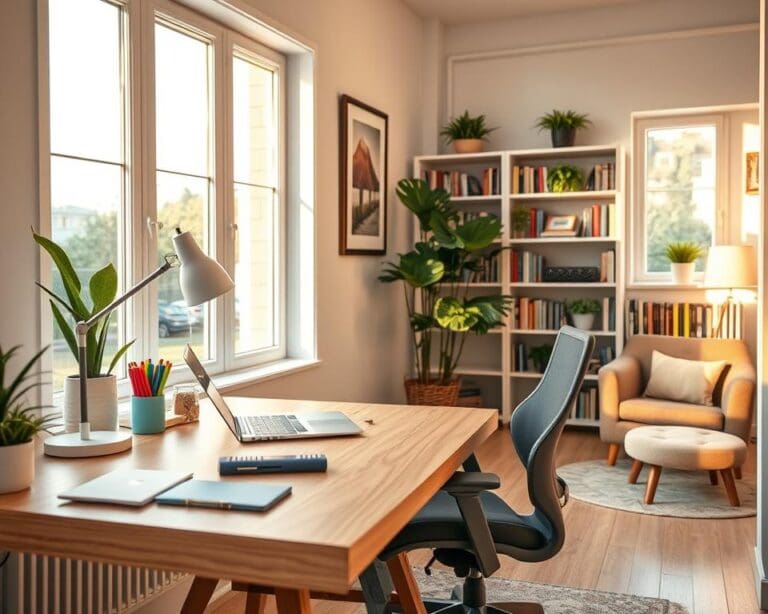
A timeless master bedroom blends comfort, proportion and quality so your space stays beautiful year after year. When you focus on master bedroom design that favours calm, order and well-chosen materials, you avoid the cycle of frequent redecorating and save money over time.
Think of a classic master bedroom as a peaceful foundation. Neutral bases, a considered focal point such as a strong bedhead or a fireplace, and adaptable accents let you refresh the look without overhauling the room. This approach supports sleep, wellbeing and can boost appeal in the bedroom design UK market.
Your core objectives are simple: establish calm and functional flow, choose durable finishes and layer personal details subtly. Look to trusted brands like Farrow & Ball for paint, John Lewis & Partners and IKEA for storage, and British mattress makers such as Hypnos or Harrison Spinks when investing in sleep quality.
Use these timeless bedroom ideas and elegant bedroom styling tips to create a space that feels both current and enduring. The guidance that follows will help you plan proportions, lighting and furnishings so your master bedroom stands the test of time.
Principles of timeless bedroom design and enduring style
Get the basics right and the rest falls into place. Timeless bedroom principles start with clear priorities: comfort, circulation and storage. When you balance how a room looks with how it works, you create a calm sanctuary that lasts beyond short-lived trends.
Balance of form and function
Think about movement as much as mood. Aim for 60–90 cm of circulation space around the bed where the room allows, in line with common British building and design norms, and keep routes to windows and doors clear.
Choose furniture scaled to the room. Pick a bed height that suits your mobility, bedside surfaces with room for a lamp and a glass of water, and a seat that helps when you dress. This is functional bedroom design in practice.
Choosing a restrained colour palette
Start with a neutral or muted base to ensure longevity. Warm whites, soft greys, sage and clay create a restful backdrop that you will not tire of quickly.
Introduce colour through cushions, throws and artwork so you can change the look easily. For paint, consider Farrow & Ball, Little Greene or Dulux Trade and choose sheen carefully for durability and ambience.
Mixing classic pieces with modern touches
Combine classic silhouettes like a panel bed or an oak chest with a contemporary lamp or a geometric rug to keep the room fresh. Match scale so heavier traditional pieces sit with lighter modern accents for visual harmony.
Styles such as mid-century modern or Georgian-inspired joinery work well when paired with updated hardware or lighting. This approach delivers a classic and modern bedroom without feeling dated.
Focusing on quality over trends
Spend on what you use every day. A well-made bedframe, solid-wood dressers and a good mattress repay their cost in comfort and longevity. Think of cost-versus-value when budgeting for your room.
Look to reputable UK makers and suppliers such as Hypnos and Harrison Spinks, or local independent cabinetmakers and British textile manufacturers. Choosing investment furniture UK supports sustainability and ensures your master bedroom matures gracefully.
master bedroom layout and spatial planning
Good layout makes a room feel calm and generous. Before you buy furniture, walk the space, note windows, fireplaces and door swings, then measure. That simple reading of the room anchors your choices and improves bedroom spatial planning UK decisions.
Working with room proportions
Choose a bed size that suits the room. In the UK a double is 4’6″, a king 5’0″ and a super king 6’0″. Scale furniture to allow circulation and keep sightlines clear.
For small rooms, pick built-in wardrobes, sliding doors and wall-mounted bedside lights to save space. These tweaks help maintain flow and keep your master bedroom layout flexible.
Bed placement for comfort and flow
Place the bed on the main wall or opposite the entrance to create a welcoming focal point. Avoid blocking windows and radiators. If a radiator sits behind the bed, fit a low-profile cover or choose a different wall.
Leave at least 60 cm either side of the mattress for ease of access and bedside tables. If room permits, allow 75–90 cm for a more generous sense of flow. These bed placement tips reduce clutter and improve movement.
Creating distinct zones: sleeping, dressing, relaxing
Divide the room into clear areas so each function works without interference. Let the bed remain the centrepiece for sleep, position a wardrobe or dressing table near natural light, and add a small seating nook for reading.
Practical layouts include a freestanding wardrobe against a long wall, a built-in dressing area with a full-length mirror close to a window, and a bench at the foot of the bed that doubles as storage and seating. If you have an ensuite, plan for privacy, ventilation and sound separation.
Lighting plan: ambient, task and accent lighting
Layer lighting for comfort and function. Start with ambient fittings such as a ceiling light or recessed downlights. Add task lights for reading and dressing. Finish with accent lights to highlight art or architectural details.
Choose warm bulbs in the 2700–3000K range and use dimmable circuits to set mood. Wall-mounted bedside lights or swing-arm lamps free surface space. Brands like John Lewis & Partners and Habitat stock reliable LED fittings suited to a smart bedroom lighting plan.
- Tip: Combine built-in storage with well-placed lighting to keep zones tidy and usable.
- Tip: Test bed placement with tape on the floor before you buy.
Materials, textures and furnishings that last
Choose durable bedroom materials that stand up to daily use and still look elegant years later. Start with a clear plan for flooring, soft furnishings and storage so each decision supports comfort and resale value.
You need the best flooring for bedroom that suits your lifestyle. Solid oak or engineered wood gives longevity and curb appeal. Wool or wool-blend carpets add warmth and sound insulation in colder rooms. Luxury vinyl tile is practical for busy households and easy to maintain.
Think about underfloor heating compatibility and fit an acoustic underlay where sound matters. Use large rugs to anchor the bed; natural fibres such as wool or jute add texture. For narrow layouts, runners work well. Maintain floors and rugs with a weekly vacuum routine and periodic professional cleaning for wool carpets.
Timeless upholstery fabrics keep sofas and chairs looking fresh. Choose natural fibres and quality blends: linen for breathable curtains, cotton-linen mixes for sofas and wool or chenille for cosy armchairs. Look at Martindale ratings for upholstery. Higher rub counts are best for frequently used seating.
Line curtains to improve thermal performance and light control. Browse British suppliers such as Sanderson and Abigail Ahern for classic palettes that integrate with your scheme. Simple colourways and good-quality fabrics will outlast passing trends.
When investing in a bed and mattress, aim for pieces that support sleep and last. Try British makers like Hypnos, Harrison Spinks, Simba or Emma to test hybrid and sprung options. Check warranty and trial periods before you buy.
Choose a bedstead built from solid timber or an upholstered frame with replaceable fabric panels. Sprung slatted bases protect your mattress and improve comfort. Replace mattresses every seven to ten years depending on wear and follow advice from professional mattress advisers when in doubt.
Practical bedroom storage ideas make daily life simpler and keep your room calm. Built-in wardrobes offer a long-term solution and boost resale value. Select hinged doors for easier access or sliding doors where space is tight.
- Use modular shelving or bespoke joinery to tailor storage to your room.
- Add drawer organisers and dividers to keep linens and clothing tidy.
- Choose multi-functional furniture such as ottomans with storage or bed bases with drawers.
Pick timeless handles and durable hinges with soft-close mechanisms for longevity. Match finishes to your room’s base palette so storage feels integrated rather than tacked on. Small investment in quality fittings prevents future replacements and keeps your bedroom looking considered.
Personalising a classic master bedroom with details
To personalise your master bedroom while keeping classic bedroom styling intact, focus on layering, proportion and restraint. Choose one large statement artwork above the bed or a curated trio in matching frames rather than crowding the walls; for sourcing, look to British galleries, Etsy or the Affordable Art Fair for original or limited-edition pieces. Use mirrors to amplify light and create the sense of space — a full-length mirror or a decorative overmantel mirror works well in most UK homes.
Soft furnishings and bedroom accessories bring warmth without overpowering the scheme. Layer cushions, throws and a quality duvet in natural fills or a good goose‑down alternative to add texture and seasonal comfort. Keep a simple, flexible colour story for linens so you can swap accent colours affordably, and add one or two heirloom or bespoke pieces such as an antique chest or a crafted bedside table to lend character and authenticity.
Introduce low‑maintenance plants like Sansevieria, peace lily or potted ferns to improve air quality and calm the room. Subtle scenting from reed diffusers, a bedside candle (observe flame safety) or a linen spray gives a hotel-like finish. Create tidy systems for chargers and small items — bedside trays and a daily five‑minute reset will preserve the serene atmosphere and highlight the bedroom finishing touches UK that matter.
Plan for seasonal refreshes and regular upkeep so the room evolves without a full redesign. Swap throws and cushion covers, rotate rugs and update one artwork if you want a change. Keep measurements and supplier details to hand and maintain furnishings with mattress rotation, professional upholstery cleaning and timber care. When you apply these finishing touches thoughtfully, you’ll personalise master bedroom spaces that feel restful, enduring and easy to adapt as your tastes change — and you can use a renovation budget tool like this cost guide to help plan any larger updates.