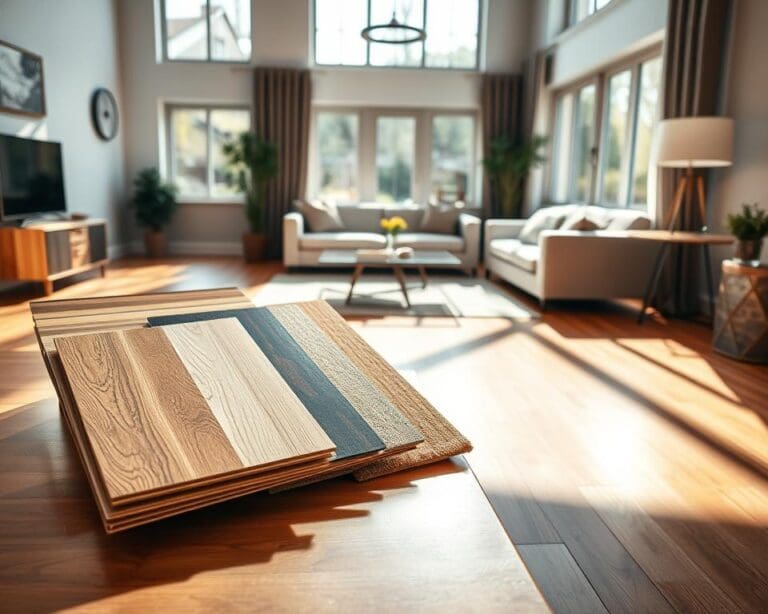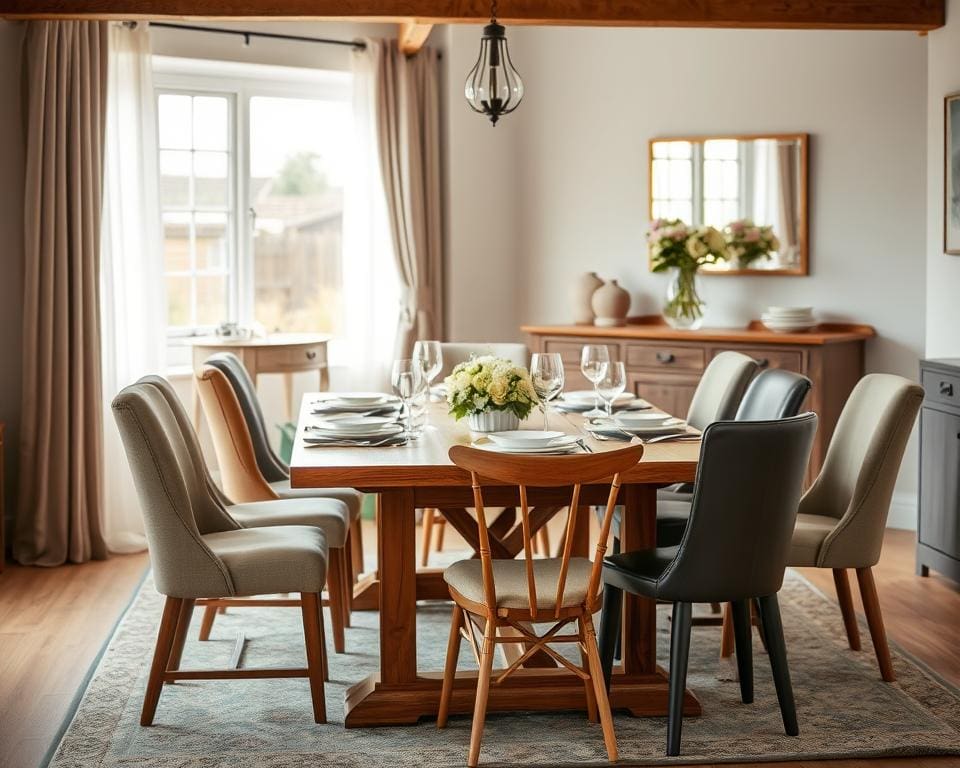
This dining table buying guide helps you pick a table that balances function, scale, durability and style for homes across the United Kingdom. Whether you live in an open-plan living–dining space, a terraced house dining room or a flat with a compact dining alcove, the right choice starts with practical decisions.
You will learn how to measure and plan your dining area, consider circulation space and seating capacity, and select a shape and size that fit your room. The guide also covers materials, maintenance and how to coordinate finish with existing décor.
For hands-on comparison, visit retailers such as John Lewis & Partners, IKEA UK, Made.com, Habitat and Heal’s to inspect finishes, try tabletop heights and check legroom. Always measure doorways and staircases for delivery, and read product care guides from brands like Oak Furnitureland before you buy.
By the end of this section you will understand the primary metrics—clearances, tabletop height, extendability and weight considerations—that matter when you work out how to choose a dining table suited to your lifestyle. This practical start prepares you for the detailed steps ahead in the full dining table buying guide, including tips for the best dining table for small spaces.
Assessing your space and lifestyle
Start by taking clear dining room measurements so you understand the limits of your space. Note the overall length and width, any alcoves, window and door swings, and fixed items such as radiators or a fireplace. Measure nearby pieces like sofas or a kitchen island that will affect your dining layout UK and circulation space.
Measure practical clearances next. Aim for at least 90 cm (36 in) between the table edge and walls or furniture for easy movement. For tighter rooms, 75–90 cm (30–36 in) can work. Allow a minimum of 60 cm (24 in) per seated person at the table edge. Check tabletop-to-floor heights (around 74–76 cm) and ensure knee clearance under the table of roughly 60–65 cm so chairs fit comfortably.
Measure your dining area and circulation space
Don’t forget access routes for delivery. Measure doorway widths, staircases, lift sizes and corridor turns. If access is narrow, consider knock-down or flat-pack tables. Many retailers offer delivery services and assembly, which can save time when a table is bulky.
Consider how you use the room daily
Decide the room’s primary uses: formal dining, daily family meals, homework or working from home. This will shape your dining table space requirements and the finishes you choose. For heavy daily use, opt for durable surfaces like laminate, varnished oak or painted tops that are easy to wipe clean.
Think about seating priorities. Benches suit a casual, flexible approach and save space. Armchairs add comfort for a more formal feel. Stackable or lightweight chairs work well if you reconfigure the dining layout UK often or need extra seating on short notice.
Plan for hosting and future needs
Plan ahead for hosting and possible family changes. Ask: how many people do you seat regularly? How often do you need space for extra guests? Will the table double as a workspace? These questions help define dining table space requirements and long-term usefulness.
Look at extendable solutions for small UK homes. Single or double extension leaves, butterfly leaves and drop-leaf options give flexibility and save room when not in use. Consider how leaves store and how easy they are to operate.
Use a simple checklist when choosing: regular seating count, frequency of larger gatherings and whether non-dining activities will share the table. For inspiration on styles and retailers that match these needs, see elegant dining table ideas.
Dining table: selecting the right size and shape
Choose a dining table shape that fits your room and how you live. The decision between a rectangular vs round table influences seating, circulation and the mood of the space. Rectangular layouts suit longer rooms and larger families, while round tops encourage conversation and work well in square or compact rooms.
How table shape affects seating and flow
Rectangular tables are efficient for seating more people and can sit against a wall when not in use. Watch for narrow end bottlenecks when placing a long table in a tight room.
Round tables remove sharp corners and help everyone face one another, making them safer for children and better for intimate dinners. Oval tables blend capacity with softer edges, useful in narrow rooms that still need extra seats.
Square tables suit square rooms and small gatherings but can feel restrictive if you need more than four covers. Consider pedestal or trestle bases; a pedestal base frees up knee space and allows chairs to slide in on all sides.
Choosing the correct table dimensions for your room
Use a simple table dimensions guide when you measure. Typical sizes work like this:
- 4 people: rectangular 120–140 cm long or round 90–110 cm diameter
- 6 people: rectangular 160–190 cm or round 120–140 cm
- 8 people: rectangular 200–240 cm
Keep at least 90 cm from the table edge to walls or furniture for comfortable movement. In tighter UK layouts a minimum of 75 cm can work, though circulation will be more constrained.
Measure chair footprint too. Chairs usually need around 50 cm width and about 45–60 cm behind for pulling out. Thin tabletops appear lighter in small rooms; chunky tops suit larger interiors.
Adjustable and extendable options for versatility
An extendable dining table gives you everyday compactness with occasional extra seats. Mechanisms vary: removable leaves, sliding tops with integrated leaves, butterfly leaves that fold inside, and end-leaf extensions.
Butterfly leaves are easy to use but add weight. Separate leaves free you to store spares, though they need a place to keep them. Choose solid joinery, steel slides or well-machined runners for repeated extension cycles.
For very small spaces look at compact transformable solutions such as drop-leaf and gateleg tables. These work well as small dining table ideas UK, perfect for flats and busy kitchen-diners where space is limited.
If you want inspiration for layout and styling, see elegant dining options at TopVivo.
Materials, durability and maintenance
Choosing the right dining table means weighing how materials cope with daily life. This section looks at common options, what makes a piece durable and simple steps you can take to keep a table looking its best.
Common materials
- Solid wood such as oak, walnut, ash and pine gives warmth and can be repaired. Oak is a popular UK choice for strength and grain. Walnut brings a rich tone while pine is cheaper but softer and dents more easily.
- Engineered wood and veneers like MDF with an oak veneer or plywood resist warping and offer timber looks at lower cost. They suit budget-conscious buyers who want the appearance of solid wood.
- Metal frames and legs made from steel, iron or aluminium provide sturdy support and a contemporary feel. Powder-coated steel resists corrosion and works well for robust bases.
- Glass tops offer a visually light look and modern style. Tempered safety glass is recommended. Be aware that scratches and fingerprints show easily and edges must be child-safe.
- Stone and marble tops are luxurious and heavy. They resist heat and scratches, though porous stones need regular sealing to avoid staining.
- Composite tops such as laminate or melamine are highly scratch and stain resistant. They clean easily and suit busy households and rental properties.
Durability for family life
If you want the best dining table for families, focus on scratch and stain resistance. Harder timbers such as oak or maple stand up to children and pets better than softer woods.
Veneers and laminate finishes can resist pet claws and heavy use. Rounded corners and a solid base reduce injury risk in homes with young children. For heavy wear, look for factory-finished, UV-cured lacquers or hardwax oils that let you repair spots without stripping the whole surface.
Maintenance tips to prolong lifespan
- Daily care: wipe spills immediately with a soft cloth and use coasters and trivets to prevent heat and liquid damage. Avoid harsh chemicals; choose pH-neutral cleaners recommended by the manufacturer.
- Routine care: apply wax or oil as advised for solid wood. Oak and walnut often benefit from occasional hardwax oil maintenance. Re-seal stone surfaces annually or per manufacturer guidance.
- Handling scratches and dents: minor scratches on solid wood can be reduced with wax sticks or light sanding and re-oiling. Glass scratches usually need professional repair.
- Environmental care: keep wood away from direct sunlight and radiators to reduce warping and fading. Aim for stable indoor humidity to protect joins and veneers.
- Assembly and moving: follow manufacturer torque instructions and retighten fittings periodically. Disassemble when possible to avoid stress on joints, a common concern in older UK homes with narrow stairwells.
You can find tailored care advice from reputable retailers such as John Lewis, Heal’s and Habitat. Their guidance helps you choose durable dining tables UK buyers trust and shows the correct products for ongoing wooden dining table care and to weigh the glass dining table pros cons when making your decision.
Style, finish and coordinating with your interior
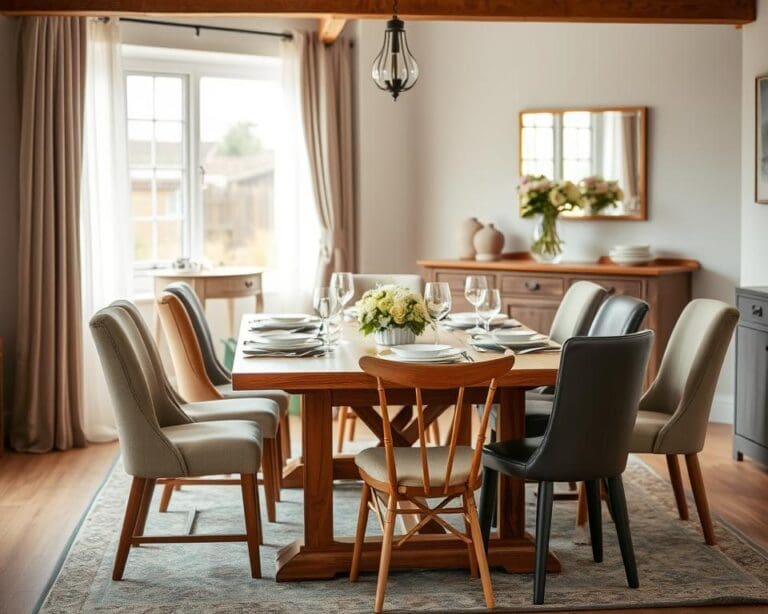
Your dining table is the focal point of the room and should reflect your chosen dining table style while complementing the rest of your home. For a contemporary dining table, aim for clean lines and pared-back finishes that sit well with minimalist sofas and simple shelving. If you favour a rustic dining table UK look, choose warm timber and textured details that pair with natural fabrics and woven accessories.
Match dining table to decor by considering wood tones and contrast. Light oak tables balance darker sofas and floors, while mid-tones create a cohesive look across furniture. Mixing materials brings personality: metal legs with a timber top suit industrial or modern schemes, and glass tops work for small spaces because they read visually lighter. Neutral dining table finishes such as natural oak, black or white lacquer give longevity; coloured lacquer or painted bases add character but may date more quickly.
Choose chairs with seat heights that fit your table—typically 44–48 cm for standard dining tables—and check clearance if you plan to use armchairs at the ends. A curated mix of chairs and a bench can look intentional; tie the set together by matching one material or a colour. Use textiles to soften the area: a rug should extend 60–70 cm beyond the table edge so chairs remain on it when pulled out, and table runners or cushions can add seasonal colour.
Lighting and scale finish the scheme. Centre a pendant 60–75 cm above the tabletop for standard ceilings, adjusting height for higher ceilings and larger tables, and choose dimmable fixtures to set mood. Ensure the table scale fits the room so it neither gets lost nor overwhelms. Before you buy, try display tables at stores such as John Lewis & Partners, Heal’s or Made.com to test comfort and proportion, and confirm delivery, assembly, warranties and aftercare when you order.