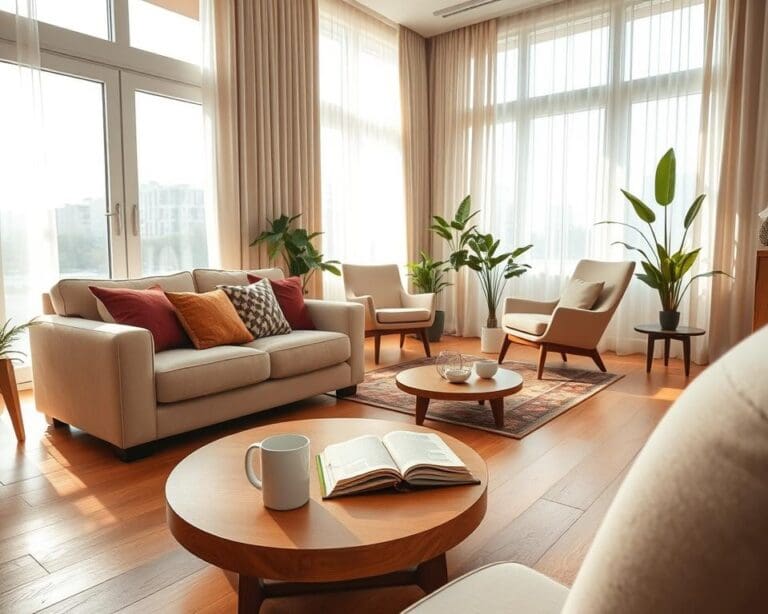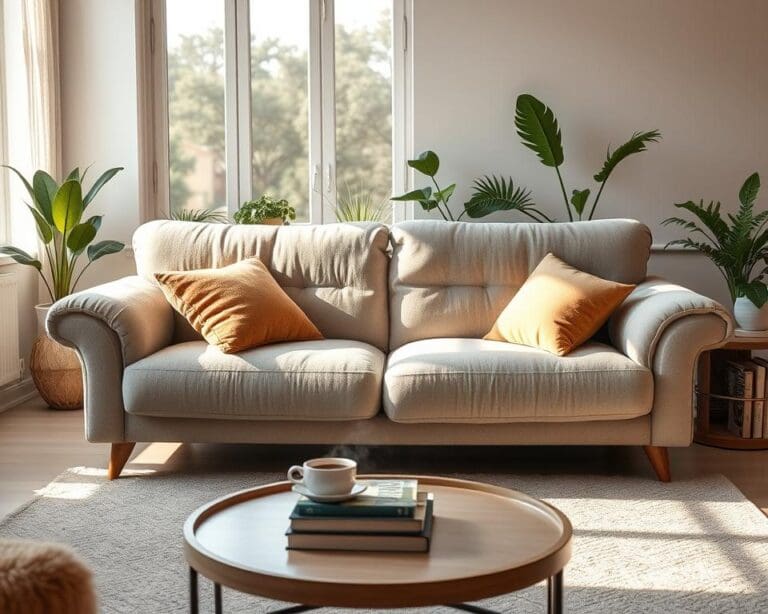
You want living room ideas that make your home feel warm, airy and practical through every season. This short introduction outlines a step-by-step approach so you can create a cosy living room that balances daylight, thermal comfort and privacy for typical UK homes.
The guidance is aimed at homeowners, renters and interior enthusiasts working on UK living room design. You will find advice on planning a layout to maximise daylight, choosing a soothing palette, layering textures, selecting glazing and window treatments, and finishing with thoughtful decor and storage.
Recommendations draw on architectural daylighting principles and UK energy-efficiency standards, with practical product options from familiar suppliers such as John Lewis & Partners, Dunelm and Anglian Windows. For inspiration on converting light-filled spaces, see a useful attics-to-room reference at how to transform an old attic into living.
Key themes include making strategic window choices for a natural light living room, using mirrors and soft furnishings to increase perceived space, and fitting double glazing or low-E glass where needed to retain warmth. Each following section builds on the last so you can design, implement and refine a cosy lounge ideas plan that suits British light and weather.
Planning your layout to maximise natural light
Start by noting how daylight moves through your room across a typical day. A simple light assessment helps you place reading nooks, seating and task zones where light is strongest. This planning step links room orientation with function so you can make the most of available sunshine and soft daylight in winter months.
Assessing light sources and room orientation
In the UK, east-facing rooms catch morning sun, south-facing rooms receive the most daylight and warmth, west-facing rooms get afternoon and evening sun, and north-facing rooms provide steady, subdued light. Note window positions, nearby obstructions such as trees or neighbouring buildings, and measure window sizes against floor area to work out a window-to-floor ratio.
Carry out a simple audit across a day or use smartphone apps such as Sun Seeker to log peak sun hours. Record seasonal shifts, since low winter sun angles and overcast days change daylight levels and affect how you position key activities.
Furniture placement for an airy, cosy feel
Keep tall storage away from primary glazing to allow light to penetrate. Use low-profile sofas and floating furniture layouts so sightlines remain open and the living room layout feels more spacious. Arrange seating to enjoy window views while keeping a focal point such as a fireplace or media unit.
Rugs can define zones without adding visual weight. In open-plan spaces, use sofas or shelving as informal dividers rather than full-height screens to preserve daylight flow. Maintain clear walkways of 60–90 cm and avoid clutter on windowsills so radiators and vents work efficiently.
If you live in a Victorian property with bay windows or alcoves, place seating within the bay to form a cosy reading spot that benefits from direct daylight.
Balancing flow and privacy
Choose privacy solutions that still admit daylight: translucent films, frosted panels at lower levels and high clerestory windows all work well. For mixed-use rooms, slim shelving, low partitions or floor-to-ceiling curtains on tracks create zones while allowing light to filter through when needed.
Think about sightlines and sound. Soft furnishings and rugs help absorb noise while keeping spaces open. On ground-floor rooms, combine hedging or planting with glazing choices to control external views without losing natural light.
living room ideas to enhance warmth and comfort
Use a calm opening to set the tone for cosy living room ideas that work with natural light. Start with a soft base that reflects daylight and makes the room feel inviting all day long.
Choosing a soothing colour palette
Pick warm neutrals and muted tones to make your space feel restful. Shades such as stone, warm grey, soft beige and sage reflect daylight gently and form a subtle backdrop for furniture and art.
Introduce deeper accents in small doses to anchor the room. A navy cushion, terracotta vase or forest green armchair gives depth without overpowering the calm.
Choose eggshell or matt finishes on walls to avoid glare from strong daylight. Use satin or semi-gloss on skirting and window frames to catch light and add contrast without shine.
Adjust your colour choices to local light. Northern-facing rooms often benefit from warmer hues, while south-facing rooms can carry cooler accents well.
Textures and textiles for a snug atmosphere
Layer textiles to build tactile warmth. Combine chunky knit throws, velvet cushions and woven wool rugs for a welcoming, lived-in feel that invites you to stay awhile.
Use natural fibres like wool, linen and cotton for breathability and durability. These materials perform well across seasons and age gracefully.
Ground the seating with wooden floors in oak or ash and add a large area rug to create a cosy zone. Rugs improve acoustics and work well with underfloor heating in cooler months.
Choose upholstery rated for regular use and consider removable covers from known retailers for practical family living. Swap lighter linens for heavier weaves as temperatures drop to maintain comfort.
Lighting layering for evening ambience
Plan a three-tier system of ambient, task and accent lighting to shape your evening ambience. This approach gives flexibility once natural light fades.
Select warm white LEDs (2700–3000K) and fit dimmers or smart controls like Philips Hue and Lutron to create mood scenes. These options cut running costs and make adjustments simple.
Place floor lamps behind sofas and table lamps on side tables to provide focused light for reading without overwhelming the room. Use wall sconces or uplighters to wash light upwards and form soft shadows.
Add accent LEDs in shelving or coves to highlight material textures and art. Choose low-energy fittings and consider motion or scene sensors for convenience in British homes.
Window treatments and glazing choices that increase daylight
Good window choices help you bring more daylight into your living room without losing comfort or privacy. Pick treatments and glazing that soften light, cut draughts and work with your interior scheme. Below are practical options to try in a typical UK home.
Selecting window treatments that let light through
Choose sheer curtains, voile panels or light-filtering roller blinds if you want rooms that feel bright and airy. These options let daylight in while reducing glare and offering gentle privacy.
Layering works well: combine blinds for controlled privacy with light-enhancing curtains for softness and diffusion. Keep heavier drapes for evenings; when open they should stack clear of the glass so daylight is not blocked.
Fit ceiling-mounted tracks or extend curtain poles beyond the frame so fabric clears the glazing. For colder months, thermal-lined curtains help reduce heat loss while you still allow daylight during the day.
Retailers such as John Lewis & Partners, Dunelm and Made.com stock a range of light-filtering fabrics and thermal-lined options suited to UK homes.
Upgrading windows and glazing for performance
A glazing upgrade is one of the most effective ways to improve comfort and light. In the UK, double glazing UK should be a minimum for most homes to help with insulation and noise reduction.
Specify low-emissivity coatings and argon-filled units if you want better thermal performance and less condensation on cold mornings. For very high efficiency, consider triple glazing or passive-house standard units.
Choose frames to match your priorities: timber for traditional looks and good thermal mass, uPVC for low maintenance, or aluminium with thermal breaks for slim sightlines and large panes.
Always use reputable installers such as Anglian Windows or Everest, or a local accredited company registered with FENSA or TrustMark, and check any energy-efficiency guarantees before you commit.
Using mirrors and reflective surfaces
Strategic mirrors can push daylight deeper into a room. Place a large mirror opposite or adjacent to a window so it bounces light into darker corners without causing glare.
Introduce reflective surfaces like glass coffee tables, metallic trims or glossy cabinetry to amplify brightness. Balance these with matt finishes to avoid harsh reflections and hotspots.
Angle mirrors slightly to catch sky light rather than direct sun. Small touches such as mirrored trays, framed art with glass and pale metallic accessories can lift overall light levels and add interest.
Decor and accessories to complete your cosy, light-filled space
Tie together the palette and materials you chose earlier to create a unified look. Use a small selection of complementary hues and repeat key finishes such as oak, brass and woven fibres so your living room decor feels intentional rather than cluttered. In larger rooms, add a statement floor lamp or substantial artwork; in compact spaces, layer smaller accessories to maintain clear sightlines and keep light moving.
Choose soft furnishings that balance comfort and practicality. Cushions, throws and pouffes add warmth and texture; opt for removable, washable covers from British retailers like Next Home or Habitat where durability matters. Anchor seating with rugs sized so the front legs of sofas rest on the rug, and consider layering runners to define zones in open-plan layouts without blocking daylight.
Display art and plants thoughtfully to enhance a light-filled lounge. Hang pictures at eye level and avoid covering window walls. Floating shelves help you show decorative objects without interrupting light paths. Introduce plants selected for your room’s brightness—snake plant for lower light, fiddle-leaf fig for brighter spots—to boost air quality and bring life to the scheme.
Finish with lighting accents, scent and practical measures suited to UK homes. Use small table lamps, LED candles and reed diffusers to create evening ambience, and fit draught-proofing or pelmets to cut heat loss while keeping daytime light. Before you buy, confirm measurements, review glazing choices and plan layered lighting with dimming controls so your finishing touches living room selection works beautifully in both form and function.