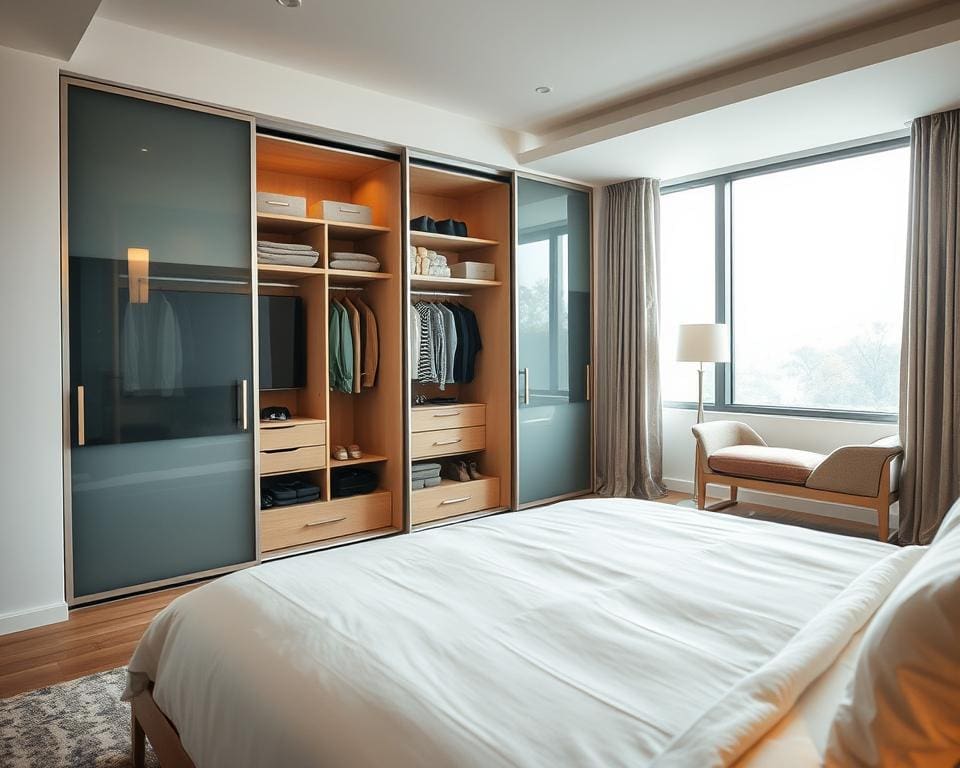
If you are planning a renovation or simply want smarter bedroom storage solutions, built in wardrobes are a strategic choice. Also known as fitted wardrobes, these units are integrated into alcoves, recesses or full walls and differ from freestanding furniture like IKEA wardrobes or armoires.
Built-in storage makes the most of every inch of your room. You can specify pull-out rails, integrated drawers, shoe racks and bespoke shelving to suit awkward spaces. That level of organisation is hard to match with freestanding pieces.
For many UK homes — from compact flats to Victorian terraces and new-builds — fitted wardrobes improve functionality without sacrificing floor space. They also lift the look of a room, which helps when you consider property improvement and home value.
This article will explain how built in wardrobes enhance everyday living, their design benefits, the effect on resale appeal and the practicalities of installation and maintenance. When you weigh options, consider custom versus modular systems and get quotes from reputable suppliers such as Hammonds, Sharps, B&Q fitted services or a local bespoke carpenter.
How built in wardrobes improve functional living space
Built in wardrobes turn awkward corners and unused recesses into practical areas that help you maximise bedroom space and organise daily life. Thoughtful design raises storage efficiency, frees floor area for beds or desks, and makes small rooms feel larger without major remodelling.
Space maximisation and storage efficiency
Using full wall lengths or an alcove removes the wasted gap behind freestanding furniture. A 2m-wide alcove converted to floor-to-ceiling fitted storage can give you around 20–30% more organised capacity than a similar freestanding wardrobe.
Internal organisers such as adjustable shelving, pull-out shoe racks and LED-lit compartments improve accessibility. These features boost storage efficiency and help you keep items visible and ready to use.
Custom layouts for different room types
Your layout should match how you live. In bedrooms, mix long-hang for coats and dresses with short-hang sections and integrated drawers for shirts and trousers.
For en suites or dressing rooms, add mirrored doors, built-in lighting and specialised compartments for accessories to create a boutique feel. Hallways benefit from slimline cupboards for coats, vacuums and ironing boards.
Loft conversions and eaves need bespoke fitted storage solutions to fit sloped ceilings. Custom joinery exploits awkward shapes that freestanding items cannot use effectively.
Integration with existing architecture
Designers can align wardrobes with cornices, skirting and window heights so original features are preserved in period homes. Concealed or flush doors produce seamless walls, which suit minimalist and open-plan schemes.
You must consider structural elements where wardrobes meet load-bearing walls, windows or radiators. Coordination with builders or structural engineers ensures practical installation and compliance in listed buildings or conservation areas.
Design and aesthetic benefits that appeal to buyers
Built-in wardrobes transform a bedroom into a calm, considered space. Thoughtful wardrobe design ties storage to your room’s look, reduces clutter and makes photos for listings more effective.
Seamless visual integration and modern finishes
Choose flush panels, handleless doors or mirrored fronts to create a seamless visual flow. Modern finishes such as matte lacquer, high-gloss lacquer and glass alter how light reflects and how spacious a room feels.
Integrated LED strips and push-to-open hardware give a premium touch. These features help buyers see a well-specified space rather than a jumble of furniture.
Choices in materials, colours and hardware
Core fitted wardrobe materials include MDF or plywood with laminate, real wood veneer and solid timber. Each option balances cost, durability and perceived quality.
Hardware choices shape daily use. Concealed soft-close hinges and precision runners from established makers such as Blum or Häfele lift the experience. You can specify FSC-certified timber and low-VOC lacquers to appeal to eco-aware buyers.
Neutral colours—whites, greys and timber tones—work safest for resale. Bold palettes suit bespoke interiors and can be changed later by repainting or refacing.
Matching built in wardrobes to overall interior style
Match wardrobe design to the dwelling’s character. For contemporary flats in London or Manchester, flat panels and glossy surfaces fit well. For period properties, painted timber, shaker doors and subtle mouldings preserve charm.
Transitional schemes mix veneers with painted panels and warm hardware like brass to bridge modern and traditional tastes. Bespoke joinery lets you replicate historic details or add modern accents that read as part of the whole house.
When selling, choose coherent finishes that complement flooring, joinery and lighting. Strong interior style matching helps prospective buyers picture themselves living in the space.
Impact on property value and resale appeal
Built in wardrobes can change how buyers view a home. You may notice stronger first impressions when rooms feel organised and considered. That perceived value can make your asking price seem more justified, especially when buyers compare similar properties.
Perceived value versus actual return on investment
Buyers often treat fitted storage as a permanent, practical upgrade. That emotional reaction can increase resale appeal and shorten the time a property spends on the market.
The actual return on investment depends on finish and quality. Mid-range systems such as IKEA PAX or Sharps give solid resale credentials at modest cost. Bespoke timber joinery costs more but can attract buyers seeking a premium finish, lifting property value in competitive markets.
Market expectations in the United Kingdom
In many UK housing market segments, built in wardrobes are expected in main bedrooms. Estate agents routinely highlight integrated storage in listings to catch the eye of buyers.
Demand varies by region. Urban flats and commuter towns often place extra weight on storage, so the resale appeal and potential boost to price can be greater in places like London commuter belts and city centre locations.
How built in wardrobes influence buyer decision-making
- Practical appeal: buyers can picture living in a home that already solves storage needs, reducing perceived renovation costs.
- Emotional appeal: tidy, organised bedrooms give an impression of care that builds buyer confidence.
- Competitive advantage: when several properties meet basic needs, quality fitted wardrobes can tip the balance in your favour.
When marketing your home, stage and photograph wardrobes neatly. Note brands, materials and bespoke features in descriptions and quantify storage benefits. Clear examples of organised space help align buyer preferences with your asking price and enhance the likelihood of a positive sale outcome.
Practical considerations for installation and maintenance
Before any wardrobe installation, measure the space accurately or commission a survey so your layout suits daily use. Decide between full-height and partial-height units, and pick door types — sliding, hinged or pocket — that match room flow. Think about internal layouts for hanging, shelving and drawers based on your clothing and seasonal storage needs.
Budgeting is important: installation costs vary from modest modular systems such as IKEA PAX to high-end bespoke joinery in timber. Obtain multiple quotes from local installers, national fitted-wardrobe suppliers like Sharps or Hammonds, and independent carpenters. Discuss lead times and site disruption up front, including dust control and any electrical work for lighting.
Consider permissions and technical details before proceeding. Internal changes rarely need planning permission, but works affecting structural walls, heating or ventilation, or changes within a listed building, require specialist advice. For complex spaces or premium finishes, professional installation is recommended because installers supply accurate fittings and a warranty for their work.
If you choose DIY or modular options, you can reduce costs but expect compromises on fit. Pay attention to door mechanisms: sliding doors save floor space yet can limit access, while hinged doors give full access but need clearance. For longevity, follow fitted wardrobe maintenance guidelines: wipe surfaces with a damp cloth, use suitable cleaners for timber, and avoid harsh abrasives.
Keep hardware in good order by lubricating sliding runners and hinges per manufacturer recommendations, and replace worn parts promptly. Painted doors can be repainted and laminate panels replaced without a full refit. Retain documentation for warranties and installer details, as evidence of care can reassure buyers and support resale value.
Finally, inspect quality when viewing a property: check fixings, door alignment and drawer runners, and ask about material specifications and installer warranty. If you are selling, invest in neutral, durable finishes and resolve defects before listing to make the built-in storage a clear selling point.