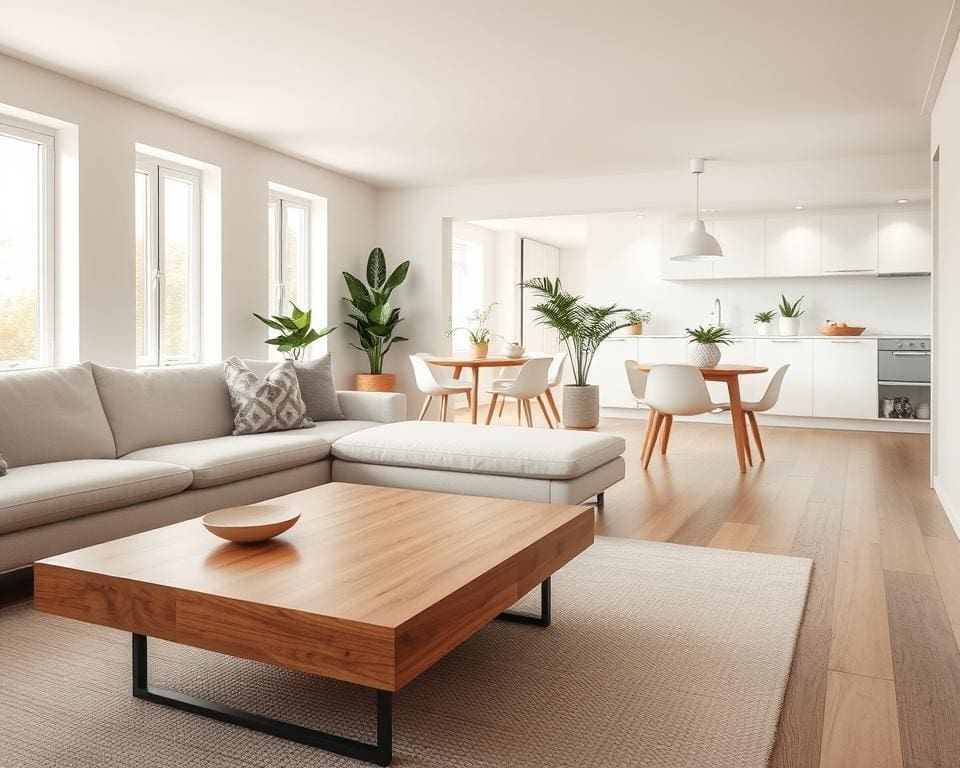
Minimalist interiors have evolved beyond a passing look to become a practical lifestyle choice you can apply at home. In 2026, minimalist interior design 2026 answers real pressures: busier lives, denser cities and a stronger focus on mental health. You see this in how people choose calm, uncluttered rooms that support remote and hybrid working.
Cultural shifts towards simplicity and intentional living have been visible across lifestyle magazines and TV design shows. Platforms such as Instagram and Pinterest keep modern minimalism in plain view, while e-commerce makes pared-back pieces easier to find. These forces shape what you expect from a living space.
Market signals back the trend. Major UK retailers like John Lewis & Partners, Habitat and Made.com continue to expand streamlined collections for minimalist homes UK. That commercial interest reflects what owners and renters want: flexible, low-maintenance interiors that hold resale value.
Technology also plays a role. Smart-home systems, concealed wiring and integrated lighting controls help you keep surfaces clear. Multipurpose furniture and discreet tech integration make minimalist interiors more usable in everyday life.
This article will show you why minimalism is popular both psychologically and practically, outline the design principles that matter today, explore links with sustainability, and offer clear steps to bring minimalist interiors into your UK home.
Why minimalist interiors continue to appeal in modern homes
Minimalist interiors attract you because they simplify daily life and sharpen focus. Clean lines, calm palettes and open sightlines make rooms feel orderly. Research in environmental psychology links reduced clutter to lower stress; a simpler visual field eases cognitive load and helps you concentrate.
Psychological benefits of simplified spaces
Clear, uncluttered rooms cut down on distractions. That reduction in sensory input can lower anxiety and improve mood for many people. Studies show that when surfaces are tidy and sightlines are uninterrupted, your brain spends less energy filtering stimuli.
Minimal colour schemes and restrained textures reduce visual overstimulation. That calmer backdrop supports better attention and creates a more restful atmosphere in living areas. Young professionals and downsizers in the UK often favour this aesthetic for its clarity and perceived sophistication.
How minimalism supports wellbeing and mental clarity
Designated spaces for work, rest and socialising are easier to maintain in a minimalist home. When each zone has a clear purpose, you can set routines that protect work-life boundaries, which matters if you work from home.
Decluttered bedrooms tend to improve sleep quality. Choosing natural fibres and low-VOC paints helps indoor air and supports health. The minimalist lifestyle benefits your decision-making by reducing choices at home, cutting decision fatigue and encouraging mindful consumption.
Practical advantages for busy lifestyles
With fewer items to clean and maintain, you save time on chores. Quick tidy-ups between commitments become manageable tasks rather than major undertakings. Multi-functional furniture and modular pieces make efficient use of floor area in smaller UK flats and houses.
Practical minimal living looks like open-plan kitchens with concealed storage, hallway shoe and coat systems, and under-bed boxes for seasonal items. These solutions help you declutter mental clarity and free up time for other priorities.
Design principles shaping minimalist interiors today
Your approach to minimalist design principles starts with clear priorities: light, texture and a considered colour choice. Keep layouts simple so each element can breathe. That focused structure helps you see what to keep and what to let go.
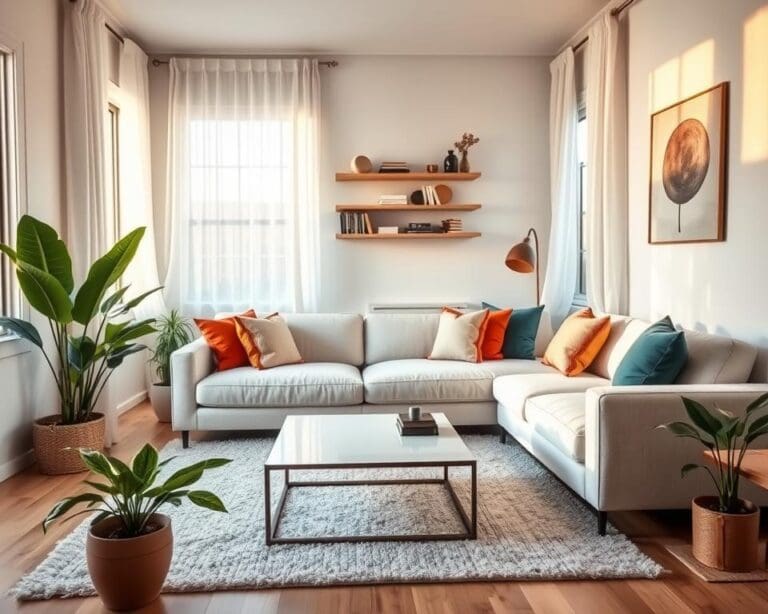
For a refined look, use a restrained colour palette minimalist approach. Opt for warm neutrals, muted greys and off-whites as your base. Introduce deep accents such as navy or forest green sparingly to create focal points without clutter.
Stack tonal layers to add depth while maintaining calm. A light oak floor, a soft wool throw and a matte ceramic vase give variety without busy patterns. These tactile choices prevent rooms from feeling sterile while keeping to core minimalist design principles.
Maximise natural light with sheer linen curtains or slim blinds. Reflective surfaces and pale finishes amplify daylight in compact UK homes. For evening, plan layered artificial lighting: recessed downlights, task lamps and subtle accent lights with smart dimming to change mood easily.
Choose furniture with simple lines and solid build. Timber or metal frames and durable upholstery last longer and fit the minimalist furniture UK market. Brands such as Ercol, G-Plan, Hay and Muuto offer options known for craftsmanship and responsible sourcing.
Pick pieces that suit scale and leave negative space around them. Measure circulation zones and keep sightlines clear to emphasise form and function. A well-proportioned sofa, a low-profile sideboard and ample floor space make rooms feel orderly and larger.
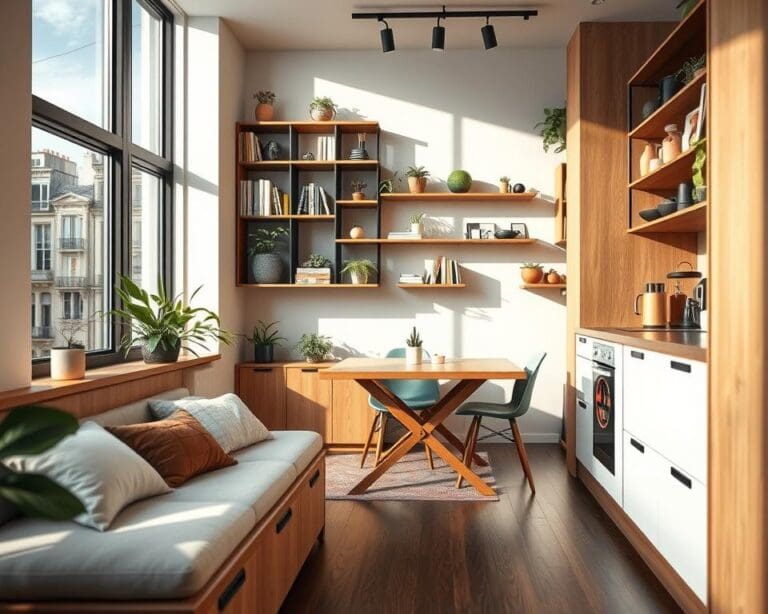
Multi-functional furniture is vital in small homes. Consider modular sofas, extendable dining tables, wall beds and benches with integrated storage. These choices increase utility without compromising the pared-back aesthetic typical of minimalist design principles.
Update classic methods with modern decluttering tips 2026. Manage visible tech by organising cords, using docking stations and limiting devices on surfaces. Rotate clothes via subscription-box systems and use smart storage to tuck items away neatly.
Build simple habits that stick: a weekly 10–15 minute tidy, a capsule wardrobe and a clear drop zone for mail. These systems reduce daily friction and keep your space aligned with minimalist values.
- Use apps to catalogue possessions for insurance or resale.
- Hire professional organisers when needed for major clear-outs.
- Consider short-term storage from providers like Big Yellow Self Storage during transitions.
Follow these steps and you will maintain a calm, functional home that respects minimalist furniture UK trends, balances a considered colour palette minimalist and benefits from practical decluttering tips 2026.
Minimalist interiors and sustainability trends
The move towards sustainable minimalist interiors asks you to think beyond looks. Quality over quantity steers choices that cut environmental impact and add value to your home.
Start by favouring local sourcing furniture UK. Buying from Ercol, Neptune or independent British makers reduces transport emissions and supports traceable supply chains. Solid wood, wool and linen age well and stand up to daily use.
Look for FSC certification on timber and OEKO-TEX on textiles. These labels help you choose durable pieces that you can repair rather than replace.
Energy-efficient home design pairs neatly with minimalist layouts. Right-sized rooms, well-placed windows and careful zoning cut heating needs. Upgrading insulation and installing double or triple glazing make a significant difference.
Smart thermostats such as Nest and Hive work invisibly within clean schemes. They keep comfort high while reducing energy use and clutter from visible controls.
Waste reduction matters in day-to-day choices. Upcycle furniture, donate to Sue Ryder or British Heart Foundation Furniture & Home, and resell on Preloved or Vinterior to lengthen item lifecycles.
Circular design minimalism means you choose items that can be repaired, reused or recycled. Seek brands with take-back schemes, modular construction or clear repair manuals.
Avoid bonded veneers and hard-to-separate composites that hinder recycling. Prioritise timeless, repairable pieces that adapt as your needs change.
Practical steps you can take now:
- Buy local where possible and check supply-chain transparency.
- Choose materials that age with grace and carry recognised certifications.
- Fit energy-efficient home design measures and discreet smart controls.
- Use resale, donations and upcycling to extend product life.
- Prefer modular, repairable products aligned with circular design minimalism.
How you can adopt minimalist interiors in your UK home
Begin small by choosing one room with high impact, such as the living room or bedroom. Tackle a single space to build confidence and momentum. This minimalist starter guide helps you focus on clear wins: remove excess, rethink layout and test changes before committing to larger projects.
Carry out an audit using four boxes: keep, donate, sell and store. Apply a simple “usefulness and joy” test to each item. For donations, consider British Heart Foundation or Oxfam; sell good-condition pieces on Vinted or eBay. These minimalist home tips reduce clutter and can offset spending on durable replacements.
Set a modest budget and prioritise key items—a sofa, bed or dining table—while sourcing accessories second-hand or upcycling. Install built-in storage, floating shelves or concealed cupboards to keep surfaces clear; bespoke joinery from a local carpenter works well in Victorian alcoves or listed properties. For lighting, choose warm LEDs and dimmers and shop UK retailers such as Heal’s or Lighting Direct to create layered ambience.
Adopt long-term habits: seasonal declutter sessions, a one-in-one-out rule and a capsule wardrobe to cut decision fatigue. Photograph rooms before and after edits to track progress and keep a wishlist to avoid impulse buys. If you need help, consult interior designers with minimalist portfolios or professional organisers; trade bodies like the British Institute of Interior Design can point you to vetted professionals. With small, measured steps you can adopt minimalist interiors UK-style while keeping your home warm, practical and sustainable.