Prague, the capital of the Czech Republic, sits elegantly on the Vltava and ranks among Europe’s most alluring city-breaks. Its compact medieval core, riverside vistas and layered cultural life explain why Prague tourism remains so strong, especially for travellers from the United Kingdom who benefit from frequent direct flights from Heathrow, Gatwick and Manchester and convenient rail and coach links.
This Prague travel guide approaches the city as an experience product. It assesses Prague for couples, families, solo explorers and culture seekers, weighing up Prague attractions such as historic landmarks, UNESCO-listed districts, lively music and theatre, and accessible transport. The piece also looks at affordability, accommodation variety and outdoor scenery to help readers judge value and comfort.
The article will test core claims: that Prague’s iconic landmarks and preserved heritage make it photo-worthy; that a vibrant cultural calendar keeps the city lively year-round; that walkable neighbourhoods and reliable public transport suit short breaks; and that a range of hotels and hostels meets different budgets. Practical notes on costs, peak seasons and how Prague compares with other Central European capitals will follow, aimed at UK visitors planning either a short stay or a longer holiday.
What makes Prague so popular with travelers?
Prague draws visitors with a rare mix of history, walkability and sensible prices. The city’s compact core places many famous sights close together, so a Prague short break can feel rich and relaxed rather than rushed. This blend of convenience and charm is a major part of Prague value for travellers from the UK and beyond.
Iconic historical landmarks that draw visitors
Many Prague landmarks sit within a short stroll of one another. Prague Castle crowns the skyline and includes St Vitus Cathedral, a fine example of layered styles from medieval to 19th‑century revival. In Old Town Square the Astronomical Clock still delights passers‑by with its hourly procession.
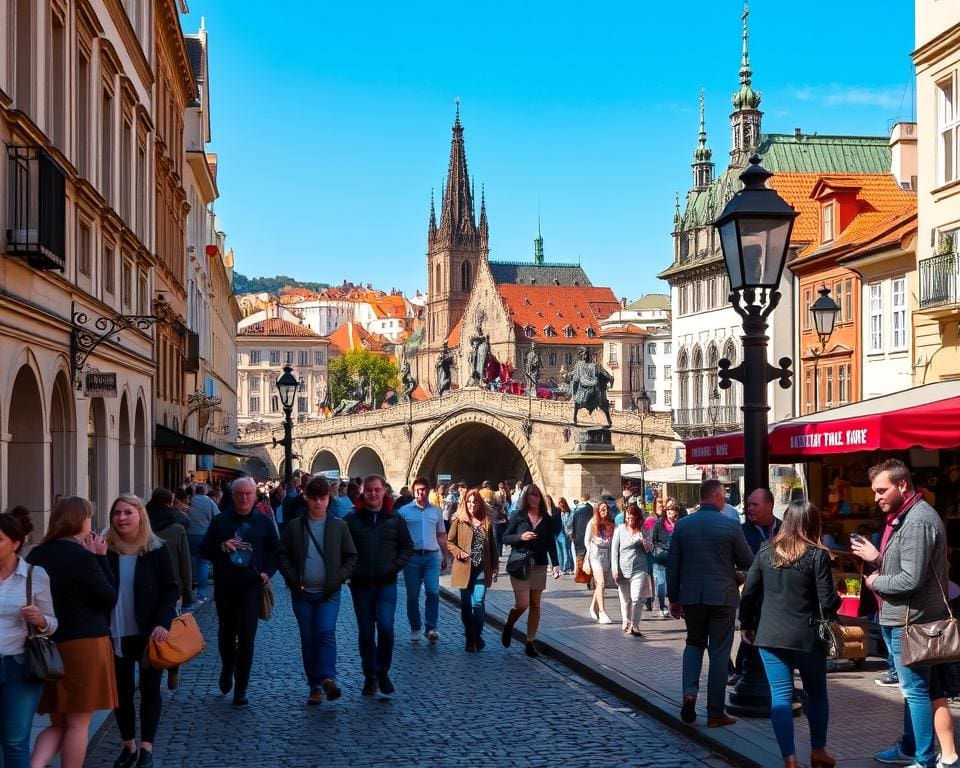
Charles Bridge links Old Town and Lesser Town with baroque statues that make for memorable photographs. The Jewish Quarter, Josefov, contains synagogues and the Old Jewish Cemetery, offering a moving sense of the city’s complex past.
Compact city layout ideal for short breaks
The stretch between Prague Castle and the Vltava river forms a tight, walkable area that suits a compact city break. You can cover Old Town, Malá Strana and parts of Nové Město on foot, saving time for museums, concerts or a leisurely riverside walk.
When distances grow, the tram and metro system provides quick hops that slot neatly into a short itinerary. Different neighbourhoods sit close together, so a mix of historic lanes, grand squares and modern promenades fits easily into a weekend plan.
Blend of affordability and high-quality experiences
Prague remains one of the more affordable European city destinations while maintaining high standards of service and culture. Expect lower prices for meals, Czech lagers and accommodation than in many Western capitals, without sacrificing quality.
Live music, classical concerts in churches and municipal halls, and well-priced mid‑range restaurants offer experiences that outstrip their cost. That balance helps explain why couples, groups and solo travellers praise Prague as an affordable European city that still feels special.
Enchanting architecture and UNESCO heritage
Prague’s cityscape reads like a storybook of styles. Rich layers of Prague architecture unfold from narrow lanes to grand squares, inviting visitors to trace centuries of design and urban life.
Stunning examples of Gothic, Baroque and Art Nouveau design
Gothic Prague stands tall in landmarks such as St Vitus Cathedral and the Church of Our Lady before Týn. Their spires and stained glass define the skyline and draw architecture enthusiasts keen on medieval craft.
Baroque Prague is visible in sweeping interiors and ornate facades at the Klementinum and St Nicholas Church in Malá Strana. Rich plasterwork and dramatic light create a sense of theatre in these sacred spaces.
Art Nouveau Prague appears in details and whole buildings, led by the flourish of the Municipal House (Obecní dům) and decorative works from the Alfons Mucha era. Curved lines and floral motifs give streets a graceful modern twist.
Charles Bridge and Prague Castle: photo-worthy hotspots
Charles Bridge links Old Town with Lesser Town as a 14th-century stone span lined by 30 Baroque statues. Sunrise and sunset offer the best moments for Charles Bridge photos, when light softens and crowds thin.
Prague Castle ranks among the world’s largest castle complexes. Its courtyards, Golden Lane and terraces provide sweeping views across the Vltava. For skyline shots aim for Petřín Hill and the castle terraces during the golden hour.
Preservation efforts and why they matter to travellers
UNESCO Prague status brings protections that help preserve historic fabric. Conservation projects restore facades, repair church interiors and maintain the Astronomical Clock mechanism for future visitors.
City measures balance tourism with daily life. Restoration work and interpretive signage improve visits, while museum investments and guided tours deepen understanding of place and time.
When heritage is cared for, travellers enjoy authentic experiences and lasting memories in a living, well-preserved city.
Vibrant cultural scene and local traditions
Prague offers a lively cultural tapestry that draws visitors into music halls, cosy cafés and festive streets. The city blends grand institutions with intimate venues so every evening can feel special. A short stroll can lead from a chamber recital to a modern gig, from a historic coffeehouse to a bustling beer hall.
The city is home to long-established institutions such as the Prague State Opera, Národní divadlo and the Rudolfinum, where the Czech Philharmonic performs. These stages host world-class Prague concerts, from full-scale opera to chamber recitals in baroque churches.
Nightlife includes thriving jazz clubs like JazzDock and small indie venues that showcase contemporary talent. Visitors can choose polished symphonies or grassroots electronic nights to match their mood.
Festivals and seasonal events that showcase Czech culture
Annual festivals shape the city’s rhythm. The Prague Spring International Music Festival fills concert halls in spring. Signal Festival lights up streets in autumn, creating striking after-dark displays. Winter brings Old Town Christmas markets and seasonal craft fairs that highlight local makers.
Summer offers open-air concerts along the Vltava and riverside activity, while Easter markets focus on folk crafts and traditional foods. Planning travel around Prague festivals adds texture to any visit.
Cafés, beer halls and contemporary culinary experiences
Historic coffeehouses such as Café Slavia and Café Louvre invite slow mornings with classic interiors and literary roots. Prague cafés serve excellent coffee and an atmospheric pause between sights.
For hearty local flavours head to beer halls like U Fleků or Lokál, where Czech cuisine pairs with crisp lagers and shared tables. Modern restaurants rework traditional dishes while craft beer bars and specialty coffee shops reflect the city’s evolving tastes.
- Experience a classical concert at the Rudolfinum for an iconic musical evening.
- Visit Signal Festival or the Christmas markets to taste seasonal traditions.
- Spend an afternoon in a historic café, then sample local dishes in a lively beer hall.
Accessible transport and walkable neighbourhoods
Prague’s public network is simple to use and reliably frequent. The Prague metro runs on three lines that link major hubs, while Prague trams weave through streets and offer scenic surface journeys ideal for photography and short hops.
Integrated ticketing under Prague Integrated Transport (PID) covers metro, trams, buses and suburban rail. Short-stay tickets suit visitors who are getting around Prague for a day or two. Contactless and timed tickets are widely accepted, which makes buying fares straightforward for UK travellers.
The historic core rewards walking. Old Town, Lesser Town, Hradčany and New Town sit close together, so Prague walkability lets you wander between landmarks, galleries and cafés without long transfers. Expect cobbled lanes and narrow alleys that reveal unexpected views at every turn.
Practical notes for those used to British transport: trams can be busiest in the morning and late afternoon on commuter routes. Steep sections such as Petřín Hill require a short climb or a funicular ride if you prefer an easier route. The Prague metro is fast for longer distances across the city.
Airport connections are dependable. Prague Václav Havel Airport links to the centre by express bus and regular shuttle services, with taxis and ride‑hailing apps offering door‑to‑door options for luggage or late arrivals.
Safety and signage are visitor-friendly. Tourist zones have clear directions in English and streets feel safe for pedestrians at most hours. For leisure exploration, consider bicycle rental or river taxis to vary your route and enjoy different perspectives of the city while getting around Prague.
Rich history and storytelling at every corner
Prague invites visitors to wander through layers of time where every street has a tale to tell. The city’s past is visible in grand façades, narrow lanes and public rituals. These places offer a strong sense of continuity that shapes how people experience the city today.
Museum highlights and immersive history tours
Prague museums present varied chapters of Czech life. The National Museum (Národní muzeum) displays natural history and national collections that ground a visit in deep context. The Jewish Museum and its synagogues explain centuries of Jewish heritage. The Museum of Communism explores the 20th-century past with clear exhibits. Kampa Museum focuses on modern art and regional creativity.
Choose immersive Prague experiences for greater impact. Themed walking tours, night tours and guides in period costume bring scenes to life. Specialist options include Holocaust and Jewish heritage tours, Communist-era tours and audio-guides through Prague Castle and St Vitus Cathedral.
Legend-rich streets and guided walking routes
Prague legends thread through neighbourhoods from Old Town to Malá Strana. Stories of Saint Wenceslas, the Infant Jesus of Prague and the alchemical lore of Prague Castle give streets a mythic quality. The Jewish Quarter holds memory-filled lanes that reveal many narratives.
Guided walks Prague offer structured ways to follow these tales. Options range from free-walks to paid small-group tours that mix history with anecdote. Popular routes include an Old Town Square to Charles Bridge loop, a Prague Castle and Golden Lane exploration, and riverside promenades that add context to scenic views.
How history shapes modern Prague experiences
Past and present meet in galleries, concert halls and cafés. Bohemian artistic traditions feed contemporary exhibitions and music. Political history informs museum storytelling, giving depth to public programmes and festivals.
The emotional resonance of encountering living history is often the most lasting part of a visit. Public ceremonies, restored interiors and lively guided tours turn buildings and squares into stages. Those immersive Prague experiences make history feel immediate and personal.
Accommodation variety and traveller-friendly services
Prague offers a wide range of Prague accommodation to suit every traveller. Choices run from five-star historic palaces and modern brands near Prague Castle and the Old Town to intimate boutique stays in Malá Strana and the Jewish Quarter. Independent hotels with local character sit alongside recognised names such as Marriott and Hilton, ensuring quality and choice for every taste.
Luxury hotels, boutique stays and budget hostels
At the top end, luxury hotels Prague include lavish properties with castle views and riverfront suites. Boutique hotels offer individually styled rooms and a sense of place in streets lined with Baroque facades. For budget-minded guests, budget hostels Prague and guesthouses provide clean, social spaces and easy access to trams and metro lines.
Family-friendly and romantic options for different trip types
Family hotels Prague often feature family rooms, cots and locations close to parks, Prague Zoo and the Petřín funicular. Parents benefit from central positions near riverbanks and short tram rides to attractions. Couples seeking romance should consider Lesser Town for quiet streets, riverside suites with sunset views or hotels that bundle evening concert packages for an atmospheric stay.
Choose areas to match your plans: Old Town for first-time visitors, New Town for nightlife and shopping, and Vinohrady for a local café culture and leafy parks. Each neighbourhood offers a distinct mood and practical access to sights.
Practical tips for booking and staying connected
Smart booking tips Prague include reserving early for peak months and checking weekday rates for savings. Read recent guest reviews, confirm cancellation policies and note distance to the nearest tram or metro stop before you commit.
- Use trusted booking platforms and official tourism sites for verified listings.
- Consider aparthotels if you value kitchenette facilities and longer stays.
- Compare total costs, including city tax and breakfast, to avoid surprises.
Staying connected is straightforward. Local SIMs from O2, T-Mobile or Vodafone offer reliable data. Free Wi‑Fi appears widely in cafés and hotels. Plug types are E/F and cards are accepted in most places, though small markets may prefer cash. Tipping is modest; small gratuities are customary and service charges sometimes appear on bills.
Outdoor spaces, river views and scenic photo opportunities
The Vltava River is the visual heart of Prague, offering sweeping Vltava views from bridges, promenades and boat decks. Short river cruises are ideal for capturing the skyline, while evening trips reveal the city’s illuminated façades. Charles Bridge at dawn and the Castle terraces provide those classic postcard images visitors seek.
Top Prague photography spots include Petřín Hill Prague with its lookout tower, romantic rose gardens and sweeping views over the red-roofed city. Letná Park gives wide panoramas and a clear Metronome overlook, while Kampa Island adds riverside charm and reflective scenes. Vyšehrad is quieter, with historic ruins and excellent river vantage points away from the busiest routes.
Seasonal changes shape outdoor enjoyment across Prague parks and riverside areas. Spring brings blossom and café terraces; summers buzz with riverbank activity and festivals; autumn dresses the hills in warm tones; and winter markets or snow-laden rooftops create a moody, atmospheric palette for photographers seeking contrast.
For the best results, shoot during the golden hour, arrive early to avoid crowds and mind rules at religious and heritage sites where tripods or flash may be restricted. Pack a versatile lens, a compact tripod and a polariser for reflections. These outdoor settings, from Prague river views to leafy Petřín Hill Prague and the broad sweep of the Vltava, are why the city remains an accessible, unforgettable European destination for travellers and photographers alike.